Handwriting practice Extra Challenge Tracing Letters Worksheets for 5-Year-Olds
5 filtered results
-
From - To
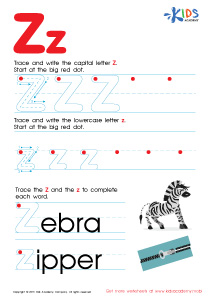
Enhance your child's writing skills with our Handwriting Practice Extra Challenge Tracing Letters Worksheets for 5-Year-Olds. Specially designed for young learners, these engaging worksheets make mastering letter formation a breeze. Each sheet provides fun and interactive tracing activities that encourage precision and confidence. By following dotted lines, children develop fine motor skills, hand-eye coordination, and a strong foundation for future writing success. Great for home or classroom use, our worksheets combine learning with play, ensuring that every handwriting practice session is enjoyable and effective. Help your child excel in their writing journey today!
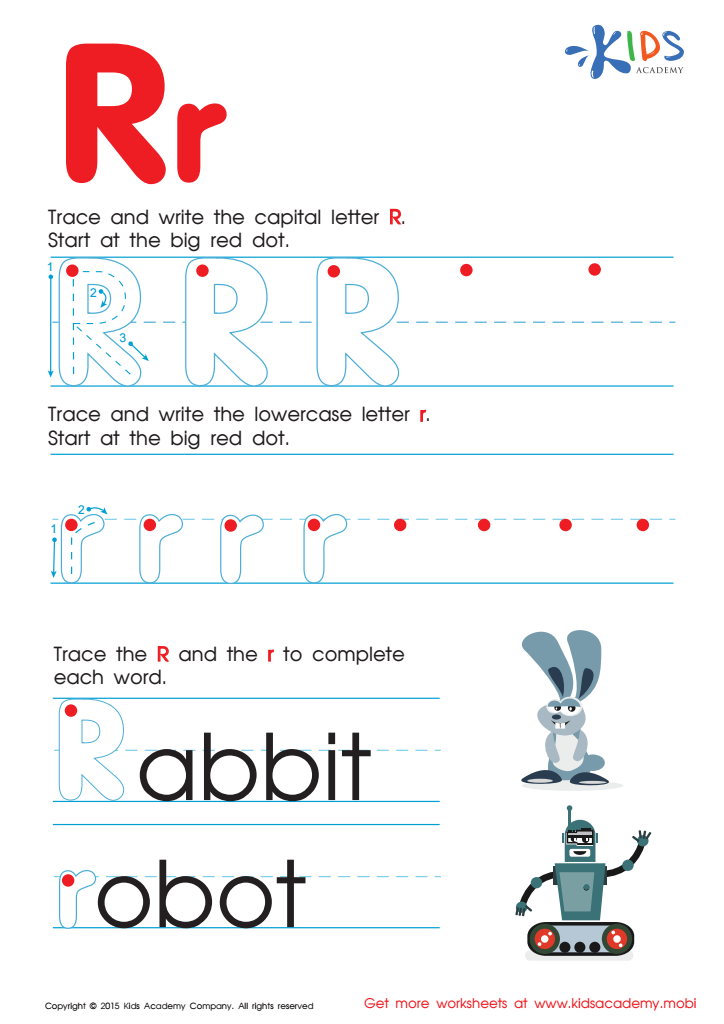
Letter R Tracing Page
 Assign to My Students
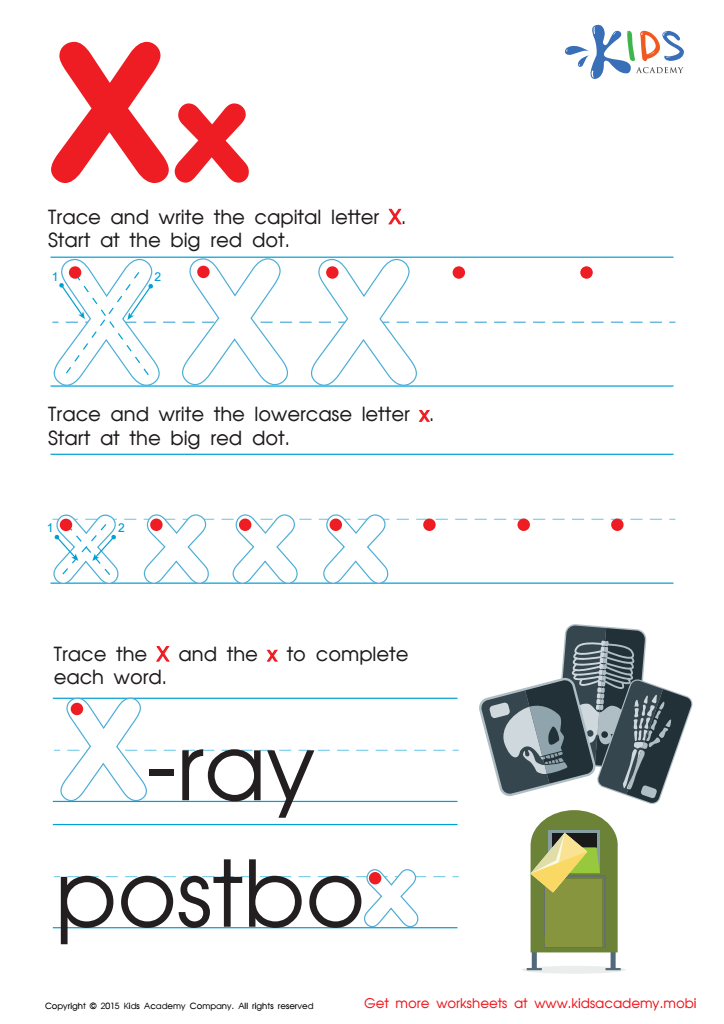
Letter X Tracing Page
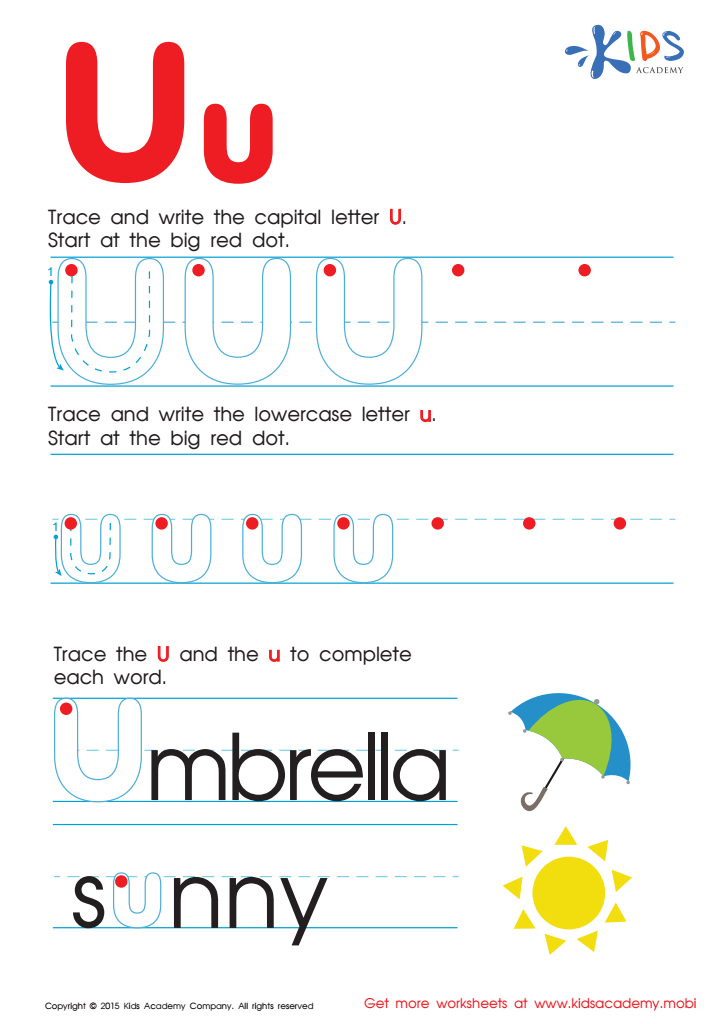
Letter U Tracing Page
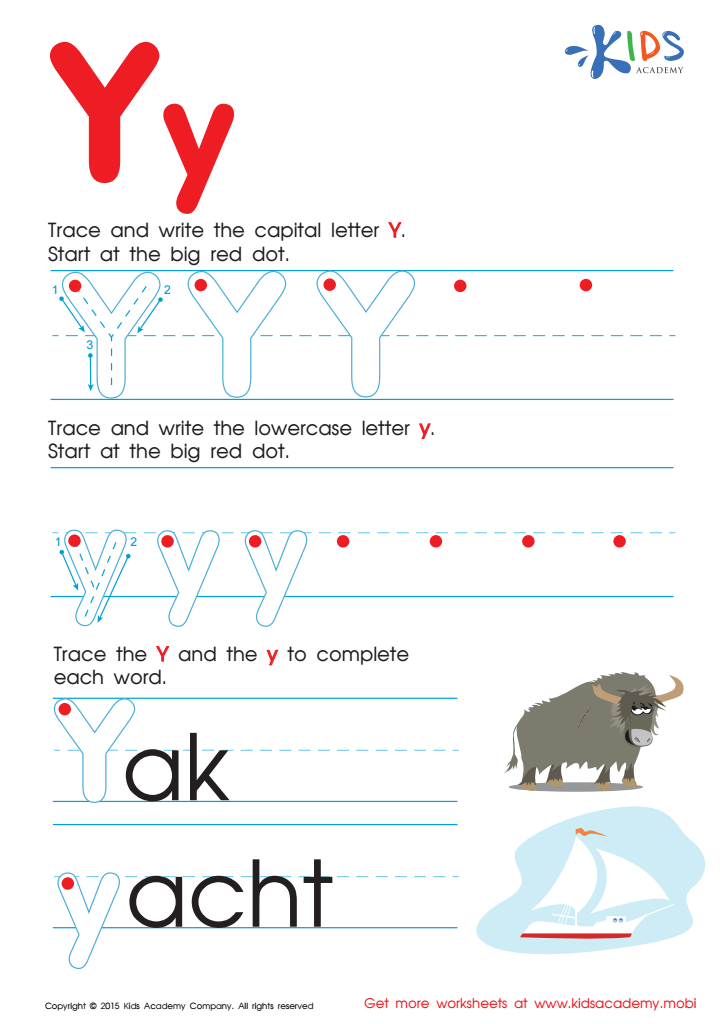
Letter Y Tracing Page
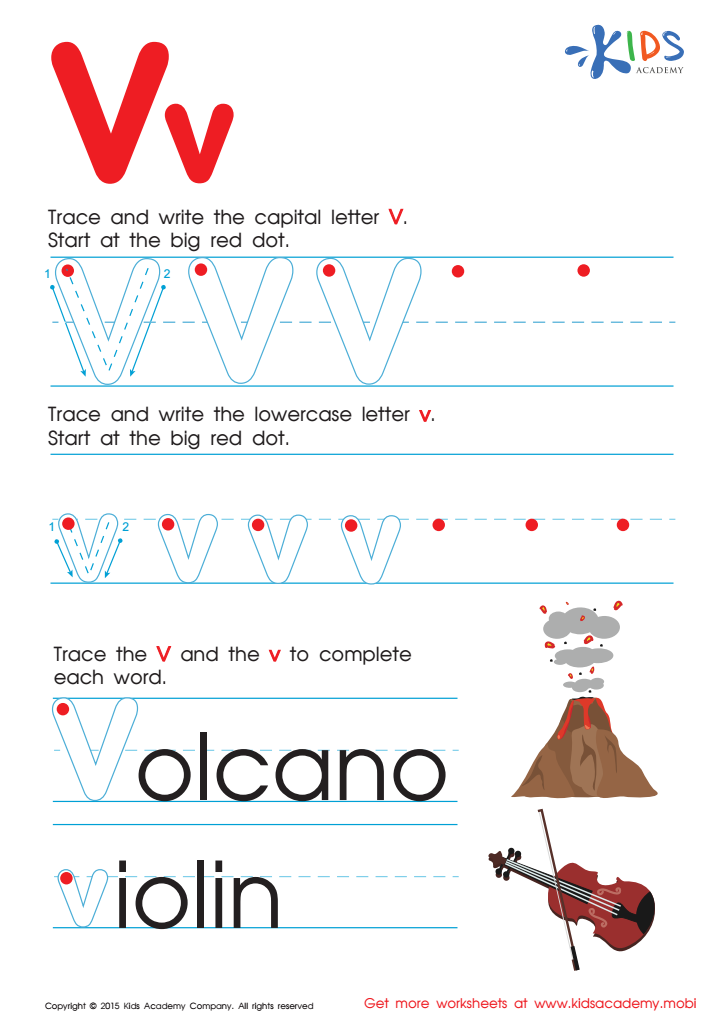
Letter V Tracing Page








Parents and teachers should care about handwriting practice and extra challenge tracing letters for 5-year-olds because it lays the foundational skills needed for effective communication and academic success. During early childhood, fine motor skills are still developing, and activities like tracing letters help strengthen hand-eye coordination and dexterity. This hands-on practice is crucial for kindergarten readiness, ensuring children are prepared for more complex writing tasks in school.
Mastering basic letter shapes and strokes through repetition fosters muscle memory, making writing more natural as children grow. Consistent handwriting practice also helps reinforce letter recognition and phonemic awareness, forming key connections between written and spoken language, which is vital for reading development.
Moreover, handwriting can bolster cognitive and problem-solving skills. Deciphering how to form different letters requires attention to detail and the ability to follow sequential steps, stimulating brain function. When 5-year-olds see improvements in their handwriting, it bolsters their self-confidence and encourages a positive attitude toward learning.
In addition, good handwriting habits instilled early reduce potential future challenges with written assignments and organizational skills. In an increasingly digital age, handwriting practice uniquely offers a sensory, engaging learning modality, striking a balance between traditional skills and modern technology. Therefore, investing time in handwriting practice for young children promotes a comprehensive approach to learning and development.