Alphabet Recognition Extra Challenge English for Beginners Worksheets for 5-Year-Olds
3 filtered results
-
From - To
Unlock your child's potential with our "Alphabet Recognition Extra Challenge Worksheets" designed specifically for 5-year-olds learning English as a second language. These engaging, colorful worksheets provide fun and interactive exercises that promote letter identification, sound recognition, and writing skills. Perfect for beginners, the extra challenge format encourages advanced learners to master the alphabet while keeping emerging readers motivated. Each worksheet includes various activities such as tracing, matching, and coloring to reinforce learning in a playful way. Empower your little learners with essential skills and foster a love for reading through our carefully crafted resources. Download now and watch your child's confidence soar!
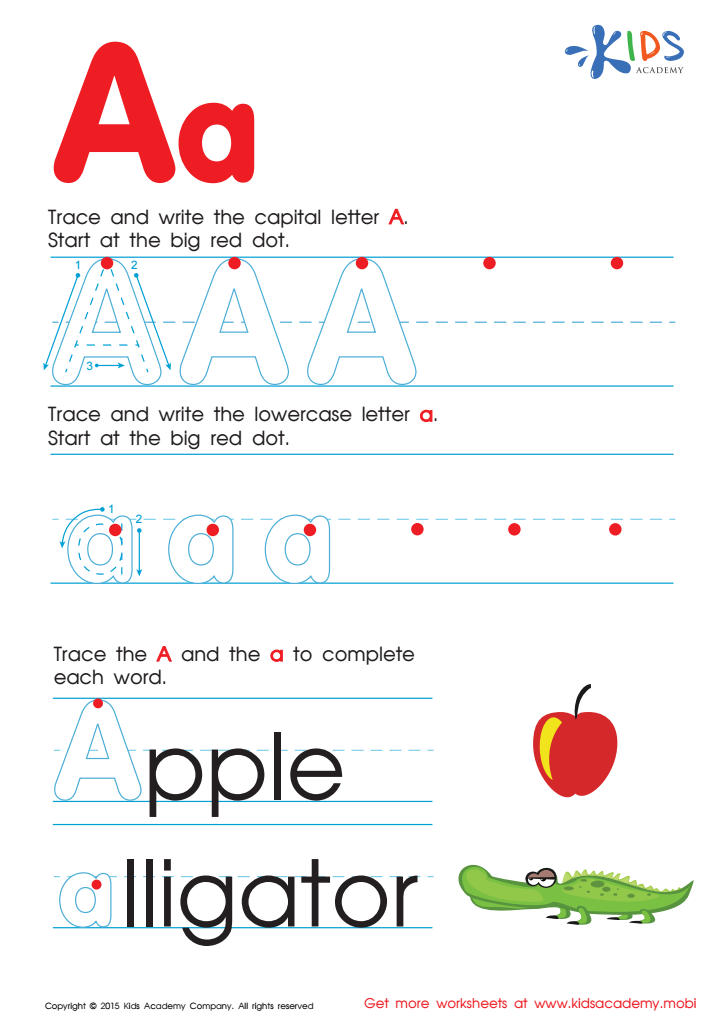
Letter A Tracing Page
 Assign to My Students
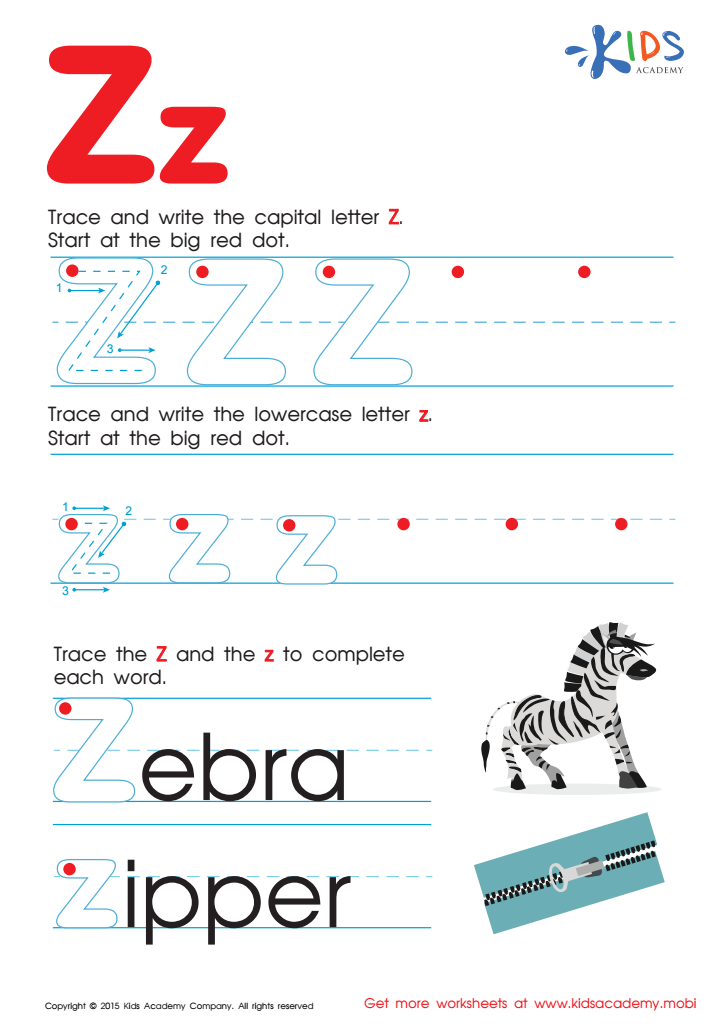
Letter Z Tracing Page
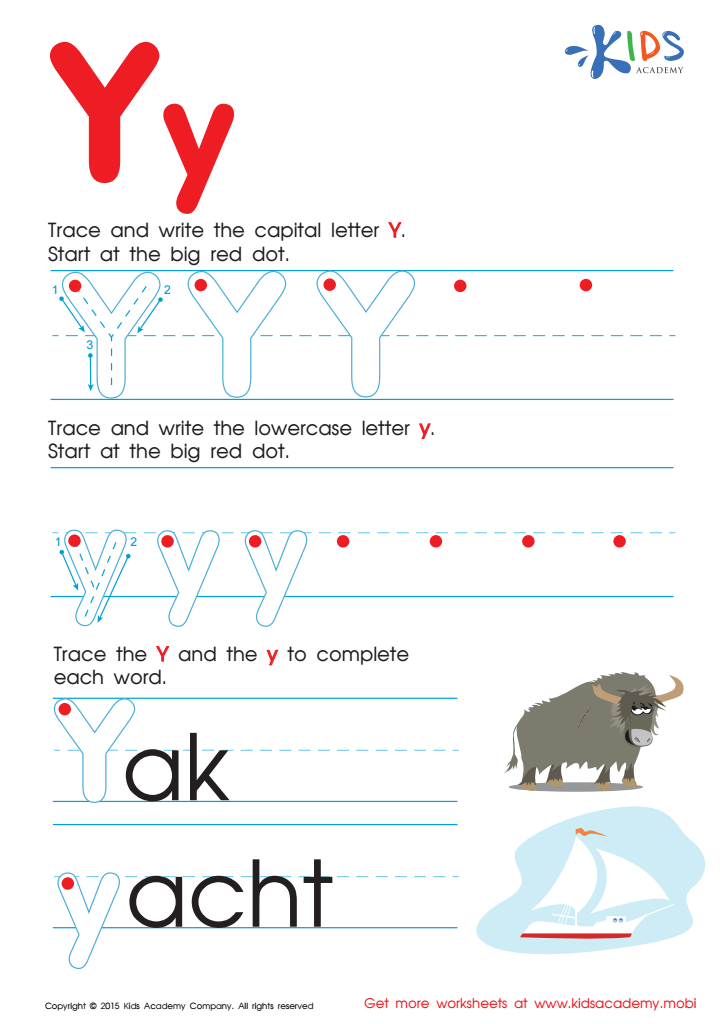
Letter Y Tracing Page





Alphabet recognition is a crucial foundational skill for young learners, particularly for 5-year-olds. The "Alphabet Recognition Extra Challenge" program offers a structured approach to help children not only identify letters but also understand their sounds and shapes, which enriches their literacy development.
Parents and teachers should prioritize this program because early mastery of the alphabet boosts confidence and is linked to future academic success. Recognizing letters forms the basis for reading and writing, enabling children to unlock the world of literacy. The challenge component adds an essential layer, keeping learners engaged through fun and interactive activities designed to prepare them for more advanced skills in phonics and reading.
Moreover, early literacy skills help children express themselves more effectively and can lead to improved communication abilities. As they learn to recognize and form letters, children develop fine motor skills, creativity, and cognitive abilities.
By participating in this program, parents and teachers can nurture a love for learning that extends beyond letters into a broader educational journey. Ultimately, the investment in alphabet recognition not only prepares children for school but also cultivates lifelong learning habits that will benefit them in many aspects of life.








