Cognitive Development Extra Challenge Worksheets for 5-Year-Olds - Page 2
31 filtered results
-
From - To
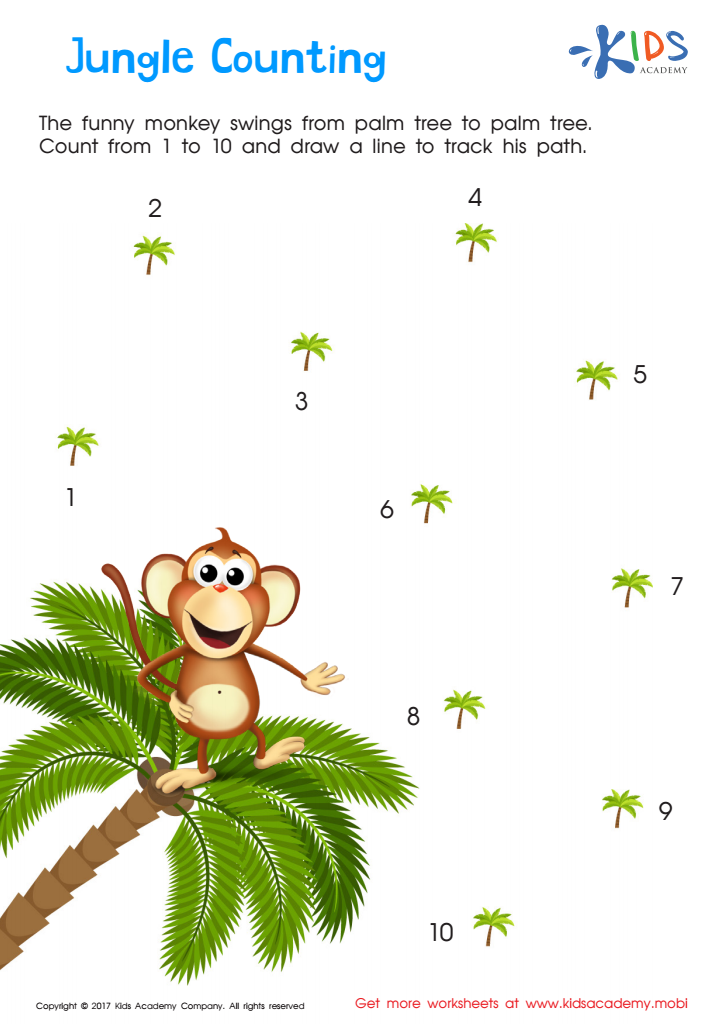
Jungle Counting Connect Dots Worksheet
 Assign to My Students
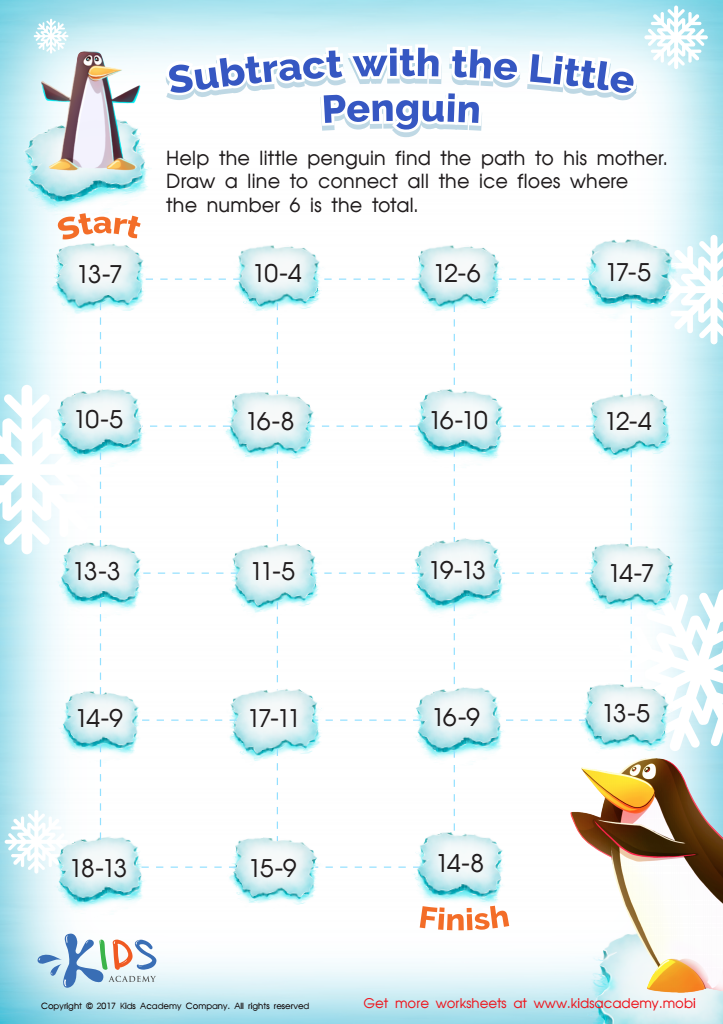
Subtract With The Little Penguin Substraction Worksheet
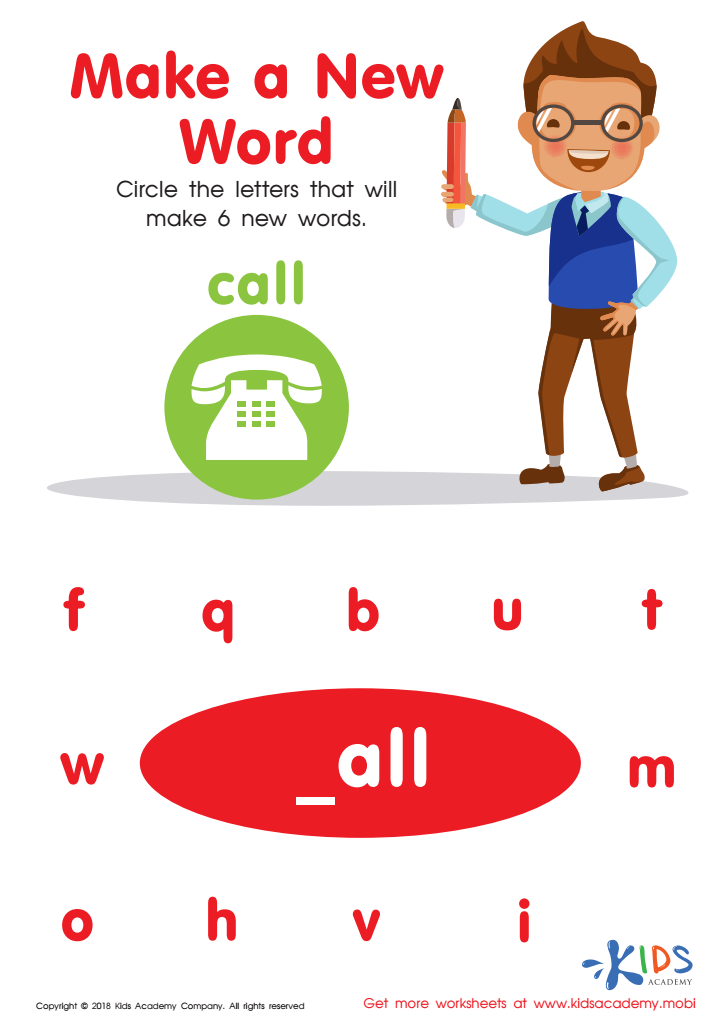
Make a New Word Worksheet
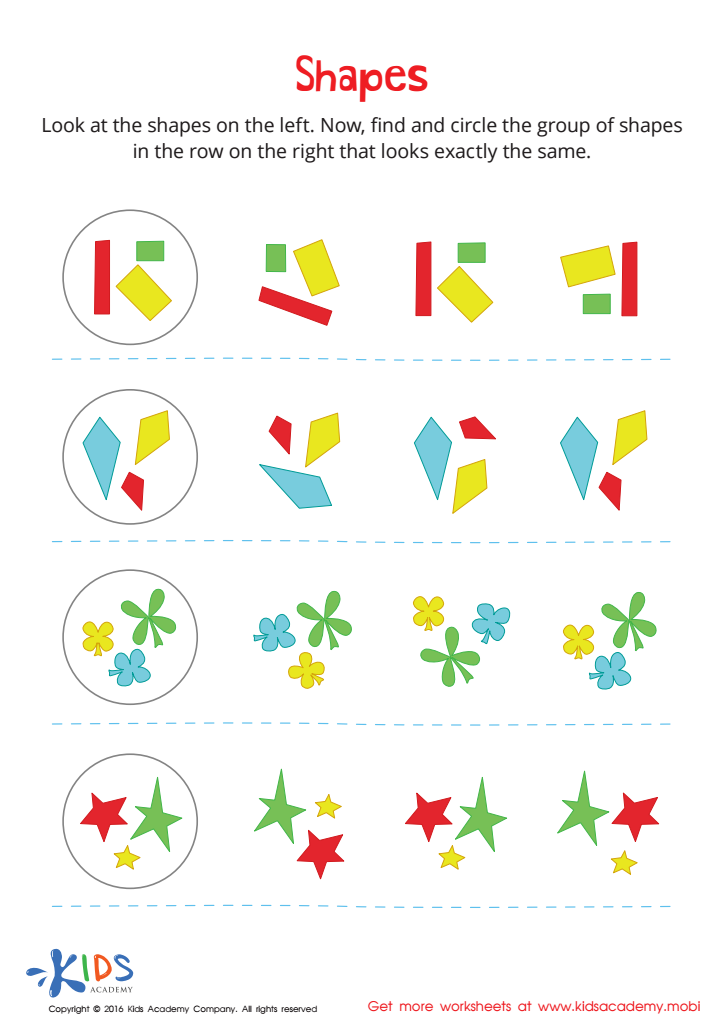
Shapes Worksheet
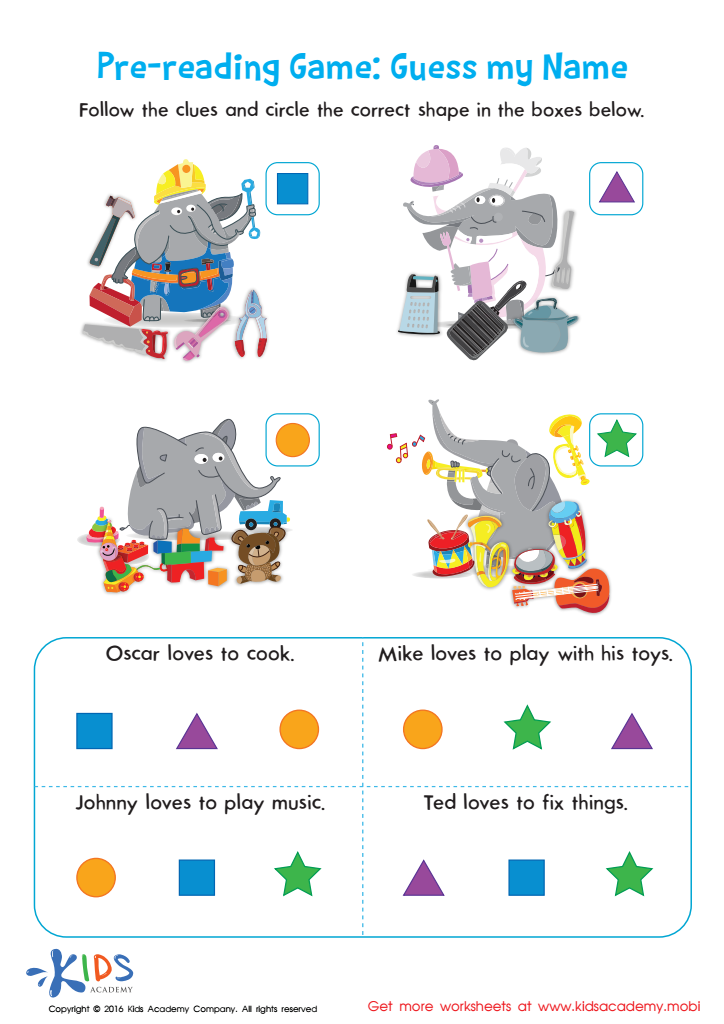
Pre Reading Worksheet Guess My Name
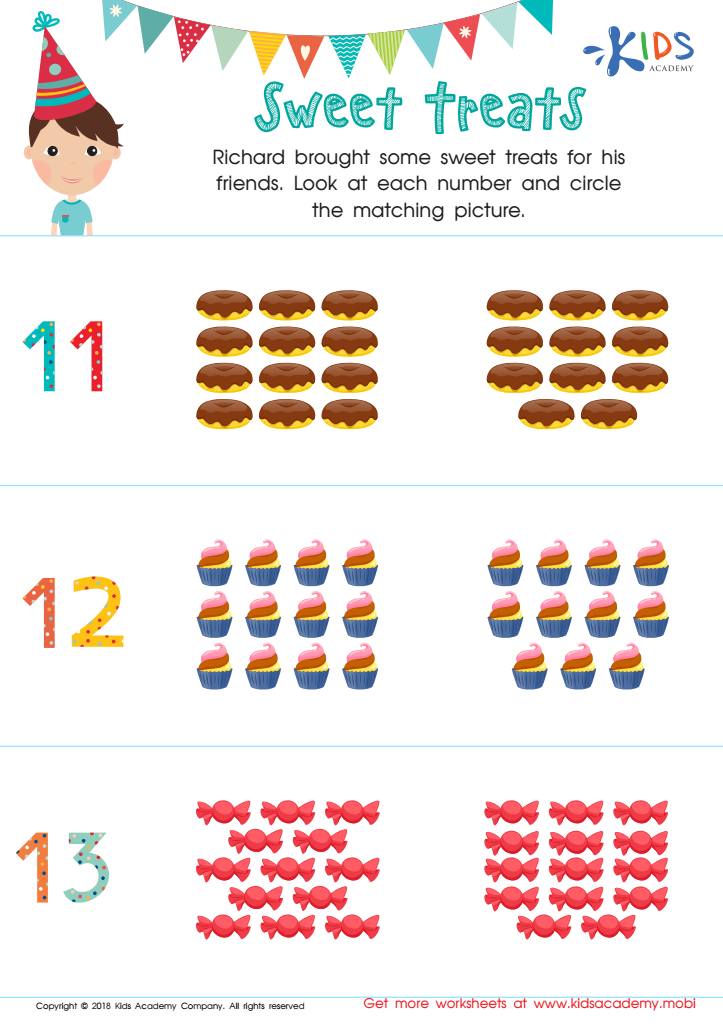
Kindergarten Math Worksheet Matching Numbers
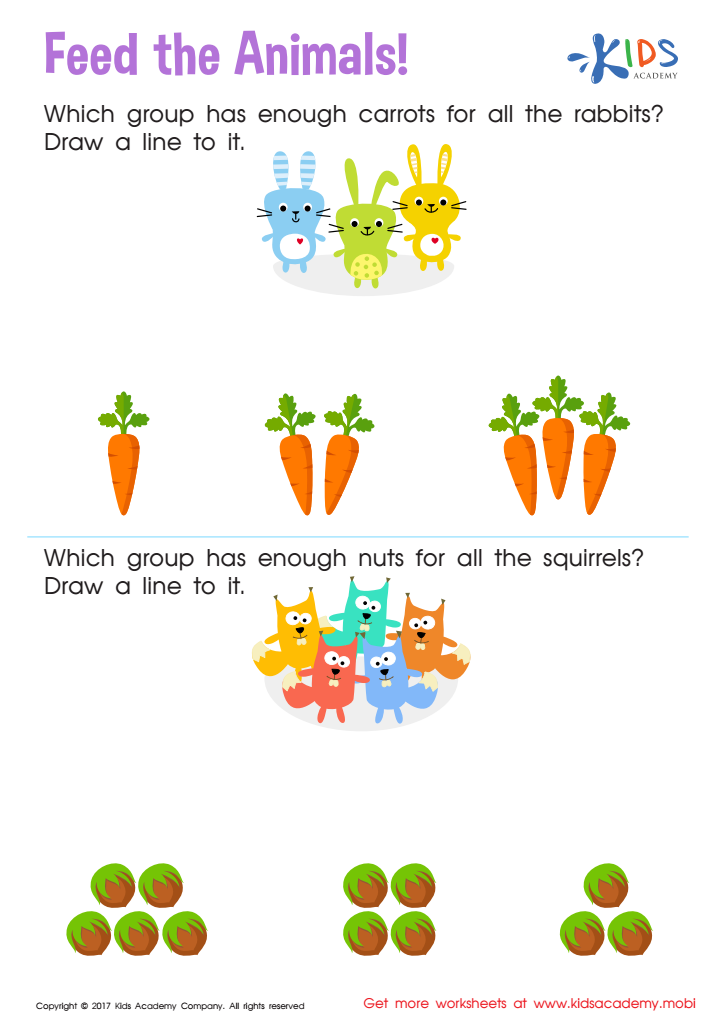
Count and Match: Feed the Animals Worksheet



.jpg)




Cognitive development in young children, particularly at the age of five, is critical as it lays the foundation for future learning, problem-solving, and critical thinking skills. Parents and teachers should care about extra challenges tailored for this age group because these activities enhance cognitive skills such as memory, attention, and spatial awareness. Engaging children in age-appropriate challenges, like puzzles or problem-solving games, fosters curiosity and nurtures a love for learning.
Additionally, supporting cognitive growth at this stage helps children build resilience and adaptability. When faced with challenges, they learn to navigate difficulties, which is crucial for their emotional and social development. These experiences also promote collaborative skills as children often engage with peers or adults during challenging activities, encouraging communication and teamwork.
Moreover, focusing on cognitive development ensures that children are well-prepared for the more structured learning environments they will encounter in later grades. It nurtures a balanced framework of skills that extends beyond rote learning to deeper understanding and application. In summary, prioritizing cognitive challenges for five-year-olds helps cultivate well-rounded, confident learners who are better equipped to thrive academically and socially in the years to come.








