Math fluency Extra Challenge Worksheets for 5-Year-Olds
3 filtered results
-
From - To
Boost your child's mathematical prowess with our Math Fluency Extra Challenge Worksheets, specifically designed for 5-year-olds. These engaging and thought-provoking worksheets are perfect for young learners who need a stimulating challenge to enhance their math skills. Through a mix of fun exercises, these worksheets help develop quick and accurate mental math abilities. From addition and subtraction to pattern recognition, each activity is crafted to encourage critical thinking and problem-solving. Ideal for both classroom and home use, these worksheets provide an excellent foundation for a lifetime of math success. Fuel your child's passion for math today!
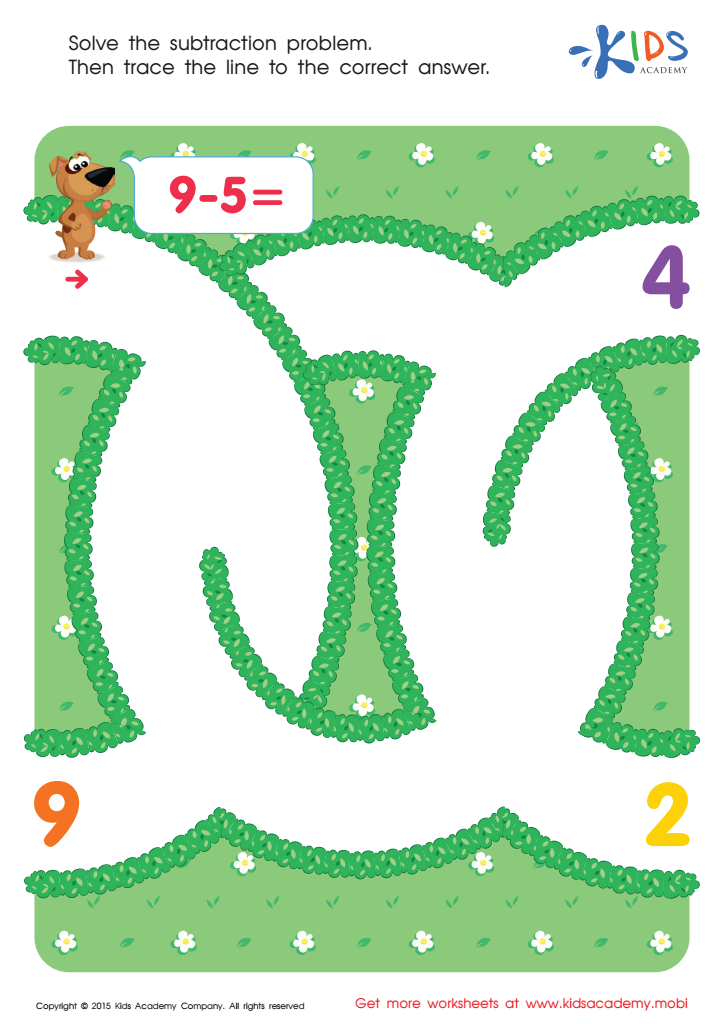
Subtraction Nine And Five Worksheet
 Assign to My Students
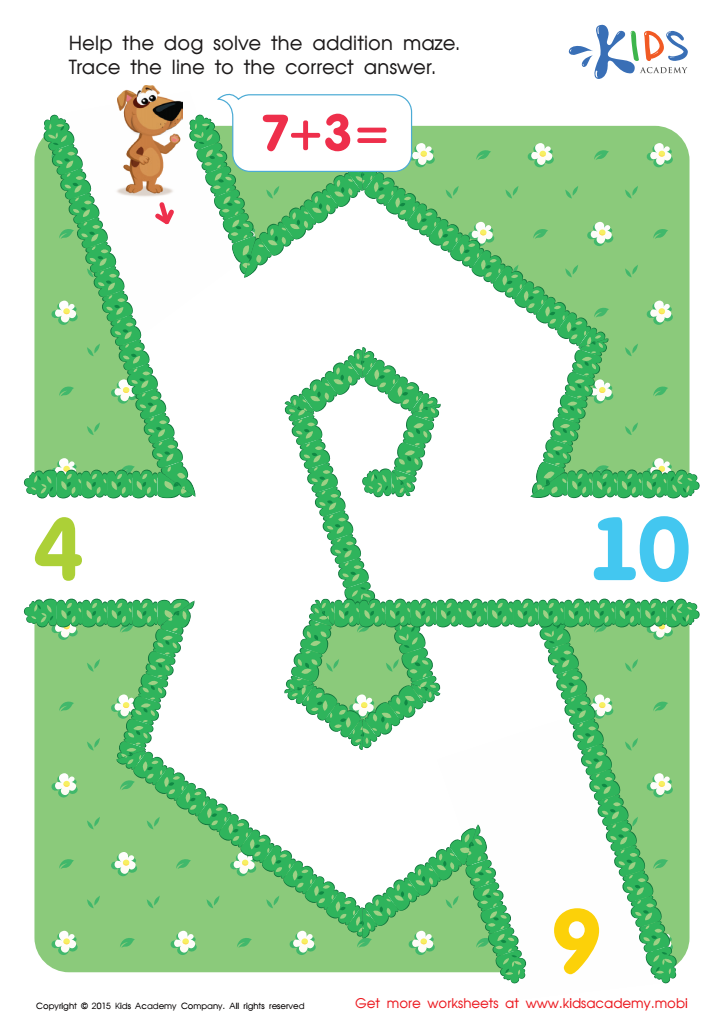
Seven Plus Three Worksheet
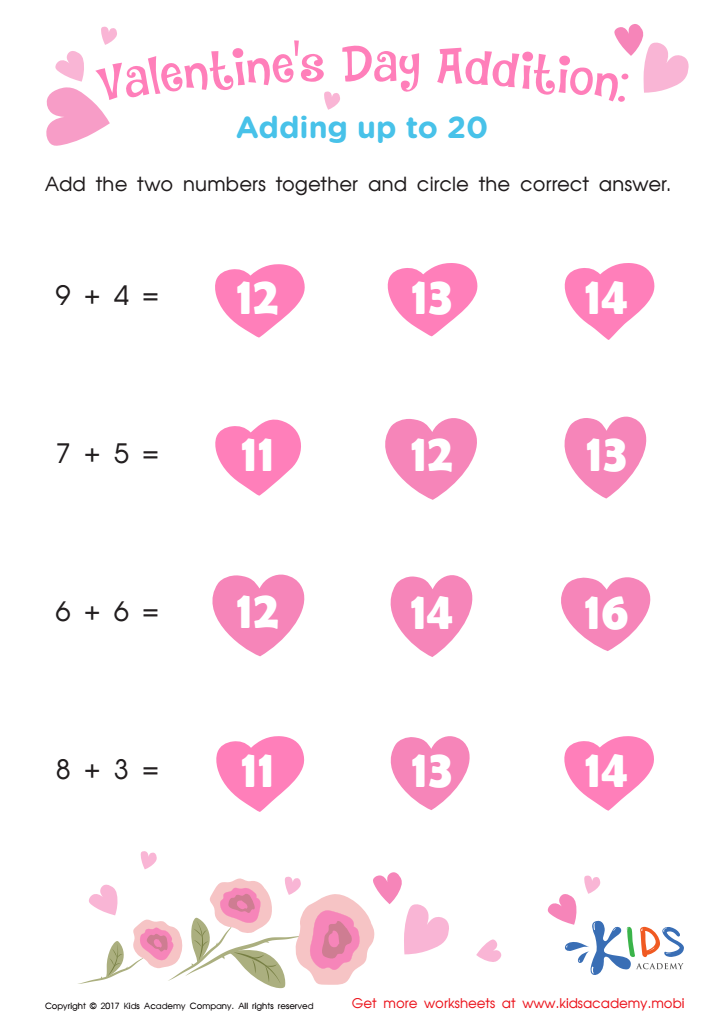
Valentine's Day Addition Worksheet







Math fluency in young children, particularly 5-year-olds, constitutes a fundamental aspect of their cognitive development. Sparking numerical and logical acuity early on sets a firm foundation for later academic success. When parents and teachers invest in Math fluency through extra challenges tailored for this age, it fosters several key skills: critical thinking, problem-solving, and concentration.
Young children possess a natural curiosity, and capitalizing on this by incorporating purposeful, playful, and diverse math challenges can turn learning into an enjoyable process. Math fluency at this stage isn't about rote memorization; it’s about familiarizing children with numbers, patterns, and basic arithmetic functions in a fun and engaging way. For example, using puzzles, interactive games, or everyday activities like counting objects can significantly enhance their understanding.
Moreover, these skills develop confidence and reduce math-related anxiety by demonstrating that math can be approachable and rewarding. Early math proficiency also correlates with future academic achievements in other subjects, as it fosters an analytical mindset. When parents and teachers champion these extra challenges, they equip children not just with numerical skills, but with a toolkit for comprehensive intellectual growth. This proactiveness stems the roots of lifelong learning and adaptive thinking, indispensable traits in rapidly evolving, knowledge-driven economies.








