Fine Motor Skills Extra Challenge Math Worksheets for 5-Year-Olds - Page 2
25 filtered results
-
From - To
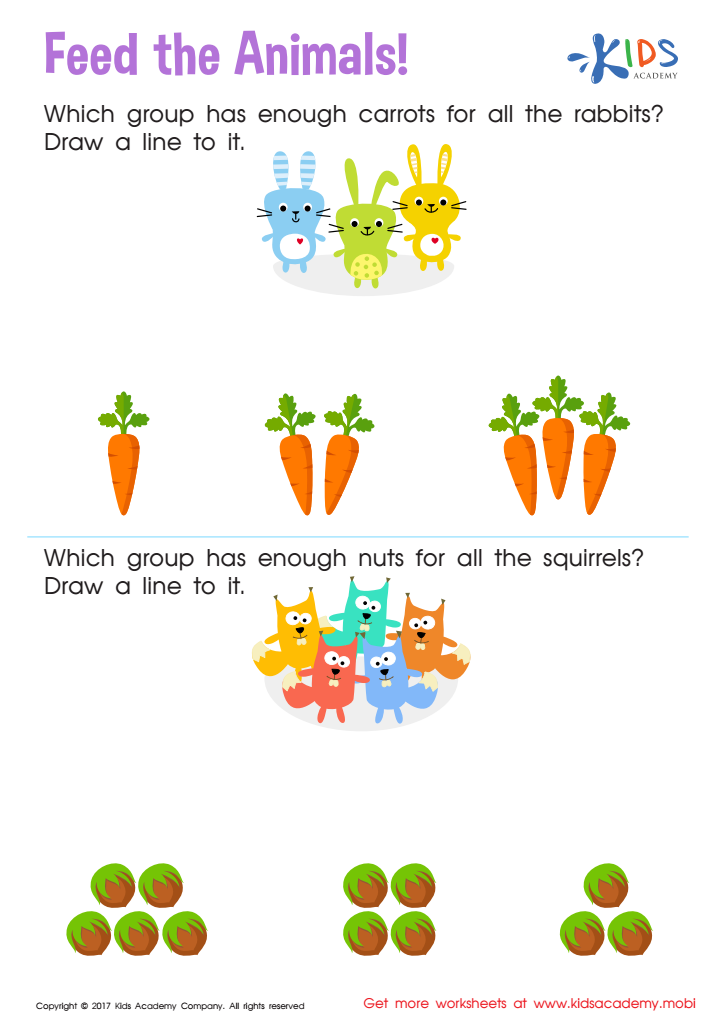
Count and Match: Feed the Animals Worksheet
 Assign to My Students



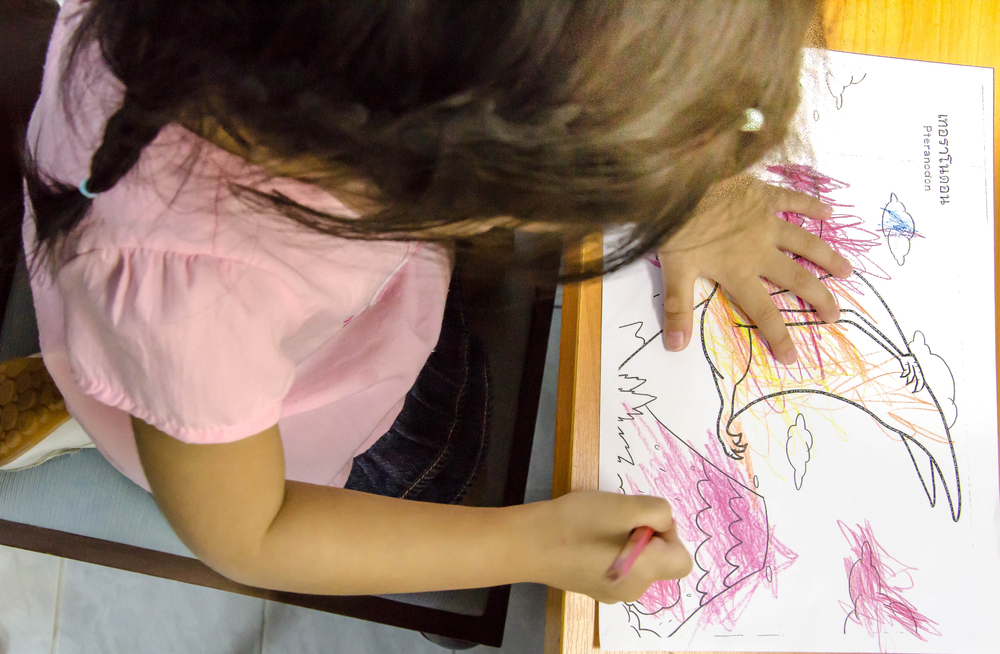




Fine motor skills refer to the coordination between small muscles, like those in the hands and fingers, and the eyes. Developing fine motor skills is crucial for 5-year-olds, as they impact their ability to perform essential tasks such as writing, cutting, and manipulating small objects. By incorporating fine motor skills into extra challenge math activities, teachers and parents can provide a dual benefit for young learners.
First, fine motor skill development directly supports academic success. Learning to write numbers properly or position objects for counting and sorting helps solidify mathematical understanding. These activities make abstract concepts more concrete, aiding early math comprehension and laying a strong foundation for later learning.
Second, enhancing fine motor skills through math challenges promotes cognitive development. Engaging two areas of the brain simultaneously—mathematical reasoning and motor skills—stimulates neural pathways, enabling more effective learning and problem-solving abilities.
Additionally, working on fine motor skills improves hand-eye coordination, concentration, and patience. These are all critical for classroom tasks and overall school readiness.
Parents and teachers who integrate fine motor skills challenges into children's math experiences can provide more holistic development. This approach not only builds mathematical abilities but also fosters essential muscle coordination, supporting overall growth and preparation for future academic and everyday tasks.