Visual perception Extra Challenge Matching Worksheets for 5-Year-Olds
3 filtered results
-
From - To
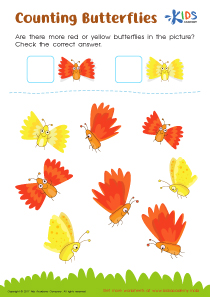
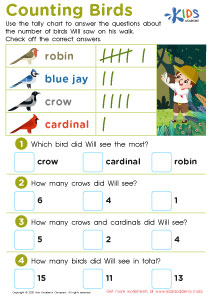
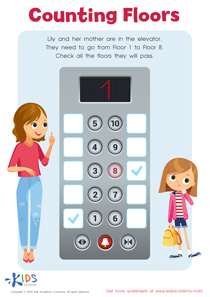
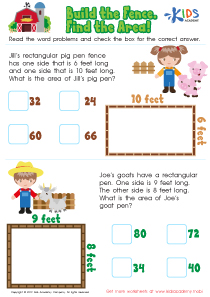
Introducing our "Visual Perception Extra Challenge Matching Worksheets for 5-Year-Olds," thoughtfully designed to enhance your child's visual discrimination skills. Positioned as an advanced task for young learners, these worksheets provide engaging activities that sharpen attention to detail and develop critical matching abilities. Perfect for bringing an extra challenge to your child’s learning routine, these exercises are an excellent resource for early education. Each worksheet features playful themes and enticing visuals, making complex challenges both fun and therapeutic. Download today and give your child the head start they deserve in visual perception and cognitive development!
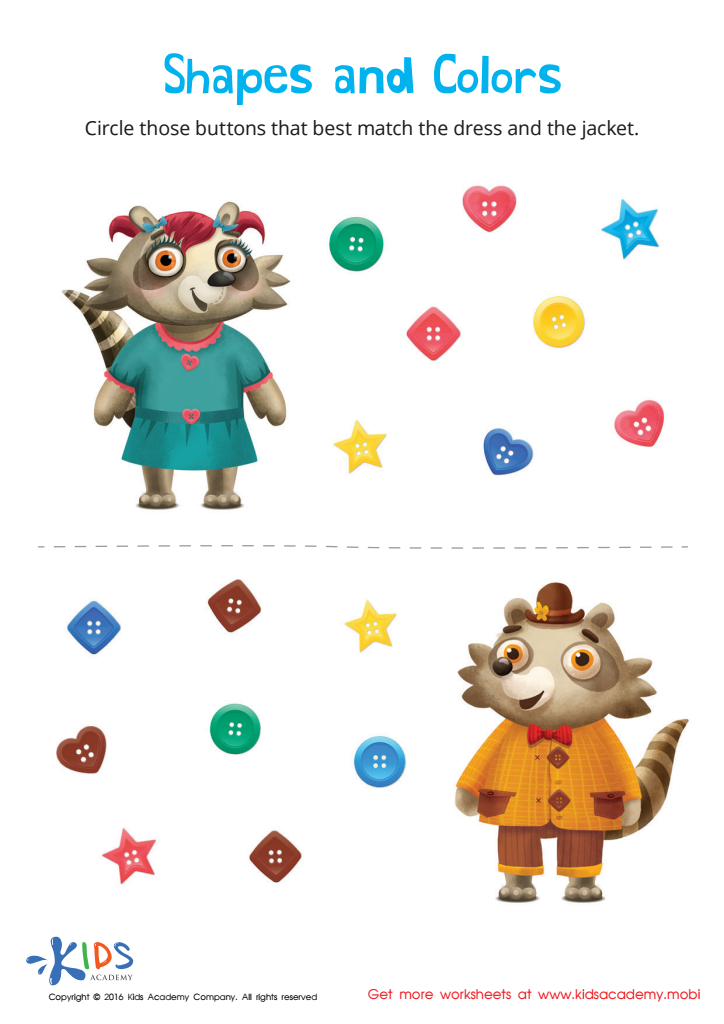
Matching: Shapes and Colors Worksheet
 Assign to My Students
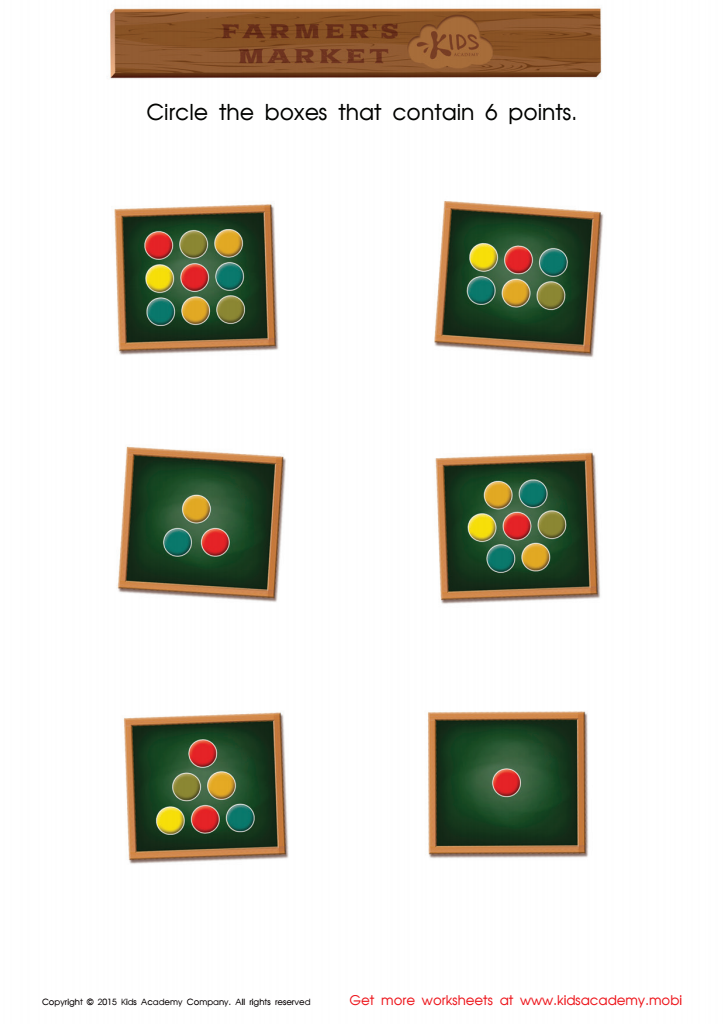
Count and Match Points 6 Math Worksheet
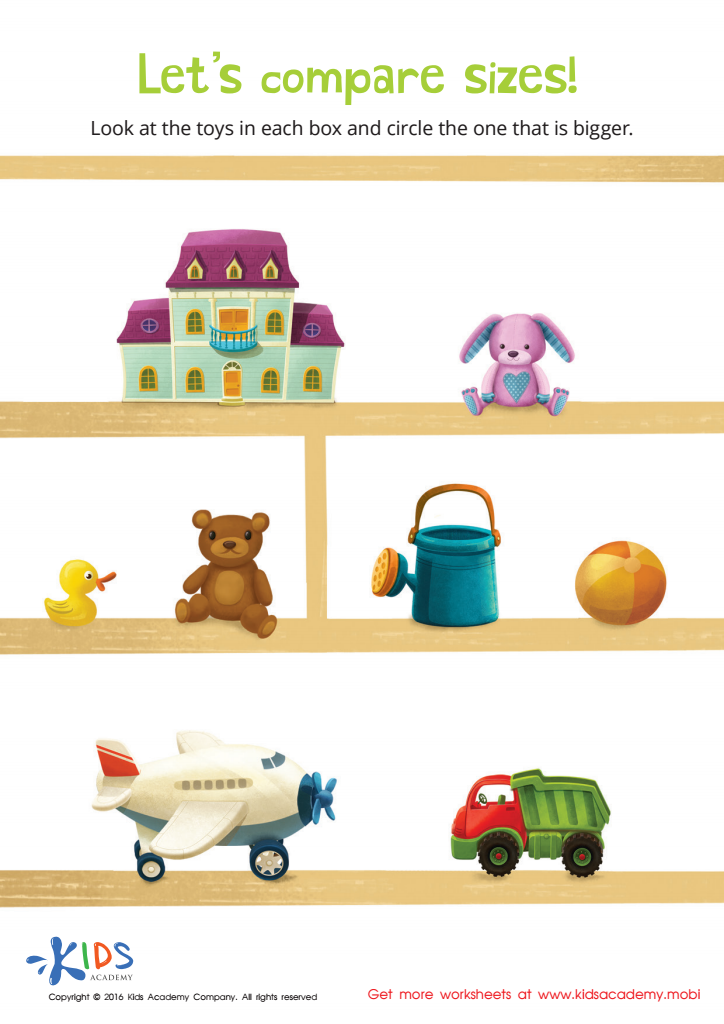
Classifying by Size Sorting Worksheet








Parents and teachers should care about visual perception extra challenges, such as matching activities, for 5-year-olds because these activities play a crucial role in early childhood development. Visual perception is the brain's ability to make sense of what the eyes see and is foundational for numerous learning areas including reading, writing, and mathematics.
Matching activities sharpen visual discrimination skills, enabling children to recognize differences and similarities in shapes, patterns, letters, and numbers. This skill is a precursor to letter recognition and word formation, critical steps in early literacy. Additionally, matching activities enhance memory and concentration, fostering better focus and attention in academic tasks.
Moreover, these activities support the development of fine motor skills as children manipulate objects to make matches. Improved hand-eye coordination from such tasks can benefit writing skills and overall dexterity. By engaging in matching games, children also practice problem-solving and critical thinking skills as they strategize the best ways to complete the tasks.
Lastly, it’s an enjoyable way to involve kids in structured learning, stimulating curiosity and motivation. By caring about visual perception extra challenges, parents and teachers provide a strong foundation for their children's future cognitive, academic, and life skills, ensuring they are well-equipped for the formal education years ahead.