Alphabet Recognition Extra Challenge ABC Letters Worksheets for Ages 6-8
3 filtered results
-
From - To
Enhance your child's alphabet recognition skills with our "Alphabet Recognition Extra Challenge ABC Letters Worksheets" designed specifically for ages 6-8! These engaging worksheets feature fun and interactive activities that encourage learning while fostering excitement about letters. Each page is packed with diverse challenges, from tracing and identifying letters to matching uppercase and lowercase forms. Our thoughtfully crafted resources are perfect for reinforcing letter knowledge at home or in the classroom. Help your child build confidence and literacy foundational skills as they explore the alphabet through creative and challenging activities. Download the worksheets today and watch your child excel in recognition of ABC letters!
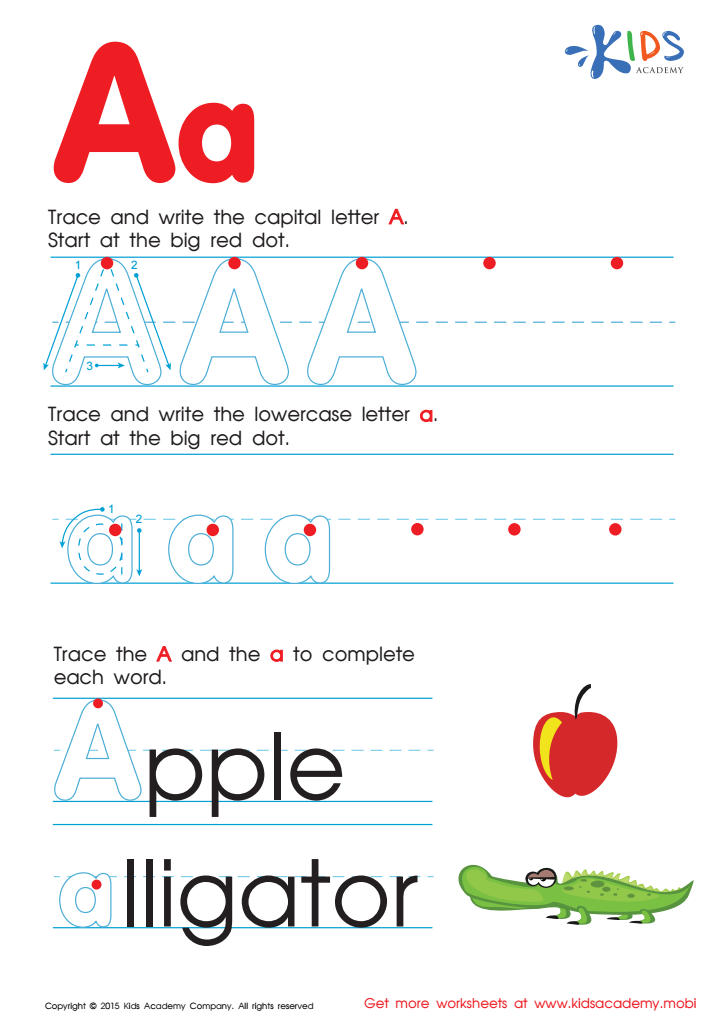
Letter A Tracing Page
 Assign to My Students






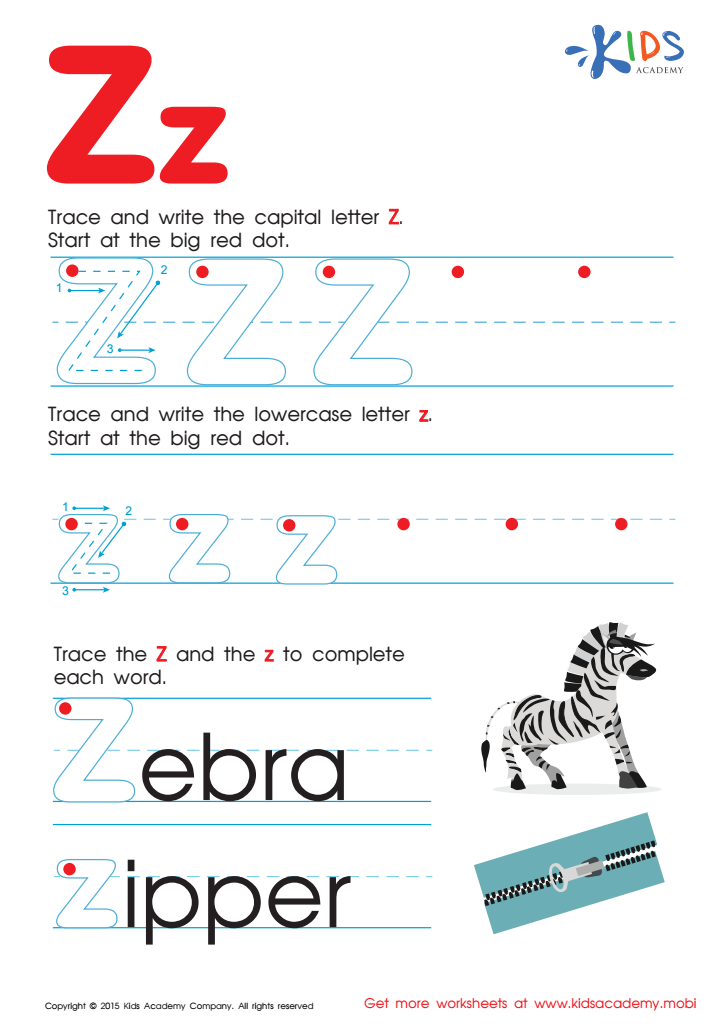
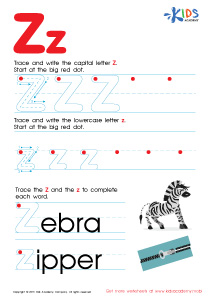
Letter Z Tracing Page
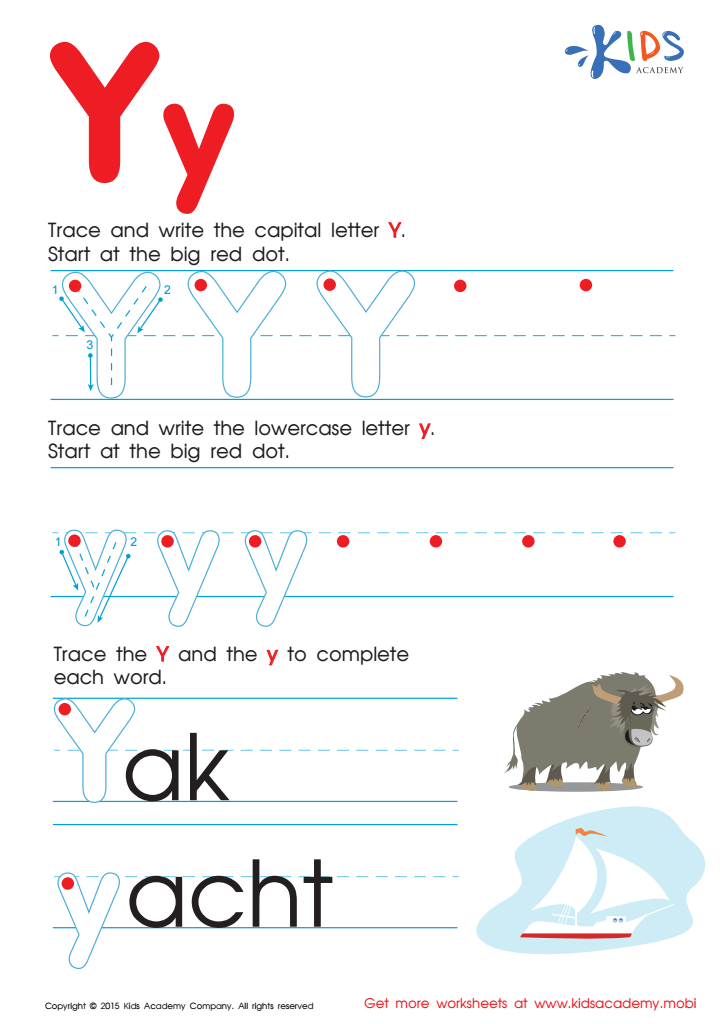
Letter Y Tracing Page







Parents and teachers should prioritize Alphabet Recognition Extra Challenge ABC Letters for ages 6-8 as it plays a crucial role in laying the foundation for literacy and academic success. Mastering alphabet recognition is essential for early reading and writing skills. At this age, children are at a pivotal stage where they are transitioning from learning to read, to reading to learn, and strong letter recognition can significantly enhance this process.
Engaging in alphabet challenges makes learning interactive and fun, keeping children motivated while they explore letters in various contexts. Activities that reinforce letter identification can improve cognitive skills, enabling children to better connect sounds with letters, recognize words, and ultimately, comprehend text effectively.
Moreover, this skill also contributes to building confidence in children, as they see their progress and improvement in reading. Early mastery of the alphabet leads to richer vocabulary development and better communication skills in the long term.
As educators and caregivers, recognizing the importance of effective learning tools helps facilitate a nurturing environment where children can thrive academically. Therefore, emphasizing programs centered around Alphabet Recognition allows them to develop essential skills that will be beneficial throughout their educational journey.