Cognitive Development Extra Challenge Phonics Worksheets for Ages 6-8
3 filtered results
Difficulty Level
Grade
Age
-
From - To
Subject
Activity
Standards
Enhance your child's cognitive development with our engaging Phonics Worksheets designed for ages 6-8! These extra challenge worksheets offer fun activities that promote critical thinking and comprehension while reinforcing phonics skills. Kids will explore letter sounds, blending, and segmenting through interactive exercises, puzzles, and games. Our expertly crafted resources not only support literacy but also foster essential cognitive skills such as problem-solving and logical reasoning. Perfect for parents and educators, these worksheets will keep young learners motivated and excited about reading. Download your Cognitive Development Extra Challenge Phonics Worksheets today and watch your child's confidence and skills soar!
Favorites
With answer key
Interactive
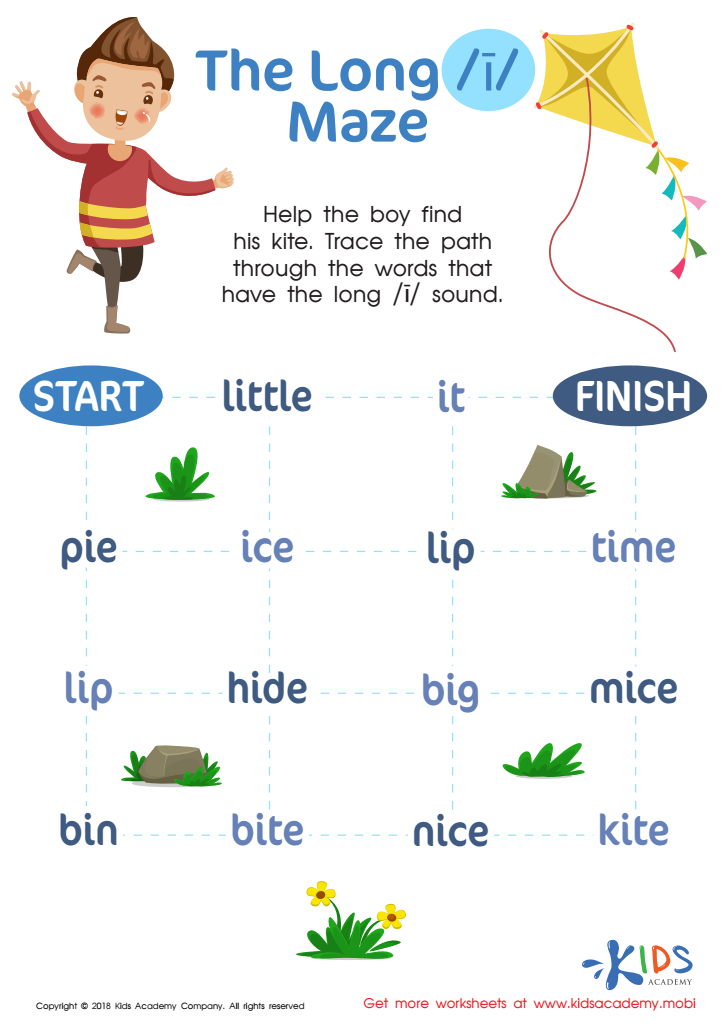
The Long I Maze Reading Worksheet
Help your child learn phonics to help them read. Show them the difference between long and short "i" sounds. Guide them as they use a pencil to trace words with the long "i:" sound in the "Help the Boy in the Picture" worksheet exercise. This will help them find the kite in the picture.
 Assign to My Students
The Long I Maze Reading Worksheet
Worksheet
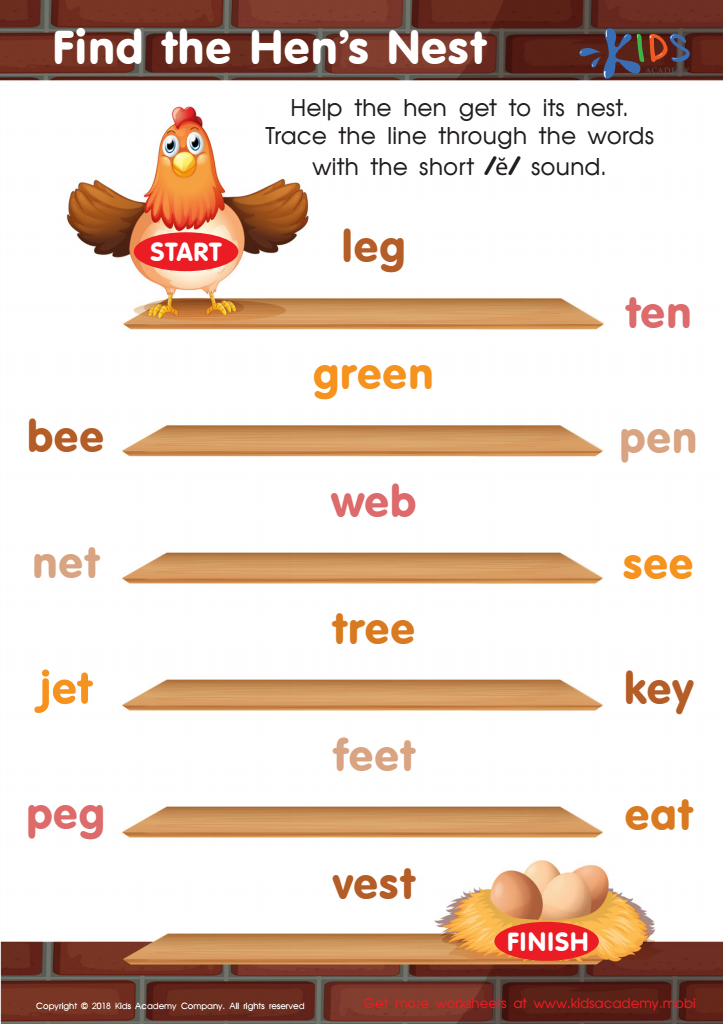
Find Hens Nest Reading Worksheet
Learning the short and long «e» sound can be tricky for kids just starting to learn the alphabet. Make it fun with this worksheet: it leads your kindergarten child to a hen's nest by following words with the short «e» sound. They'll be able to identify words with the sound by the end of the exercise.
Find Hens Nest Reading Worksheet
Worksheet
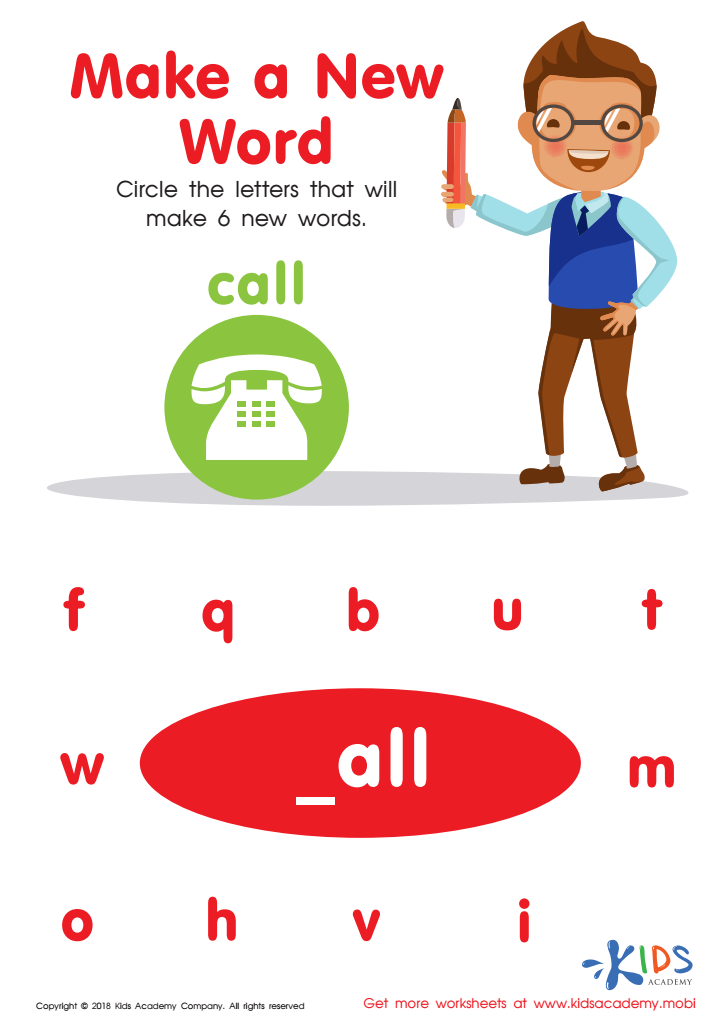
Make a New Word Worksheet
Young readers and writers can enhance their skills with this fun PDF worksheet. They'll trace letters to create new words and feel like super readers and writers after finding six words. They'll also practice building words with the "all" word family.
Make a New Word Worksheet
Worksheet
Join Kids Academy for Free
Who is primarily going to use this learning content?








Parents and teachers should prioritize Cognitive Development Extra Challenge Phonics for ages 6-8 because this program enhances crucial literacy skills during a pivotal stage in cognitive growth. At this age, children are transitioning from learning to read to reading to learn, making effective phonics instruction vital. This program not only promotes decoding skills but also uplifts children's overall cognitive functions, including memory, attention, and problem-solving abilities.
Moreover, phonics education instills confidence and a love for reading, setting the foundation for academic success. When children grasp the relationship between sounds and letters, they are better equipped to tackle harder texts, enabling deeper comprehension across subjects. This is particularly important as students become more engaged with diverse content in science, history, and beyond.
The Extra Challenge aspect caters to students who require deeper engagement and stimulation, providing them with opportunities to explore language patterns and develop advanced skills. By nurturing these abilities, educators and parents empower children to become enthusiastic learners equipped with the tools to navigate their education successfully. In summary, Cognitive Development Extra Challenge Phonics is critical for fostering strong readers who are prepared for future academic challenges and lifelong learning.