Math fluency Extra Challenge Worksheets for Ages 6-8
3 filtered results
-
From - To
Boost your child's math skills with our "Math Fluency Extra Challenge Worksheets" designed for ages 6-8. These engaging worksheets offer a fun yet challenging way for young learners to enhance their arithmetic abilities. Covering various topics, including addition, subtraction, and basic problem-solving, these worksheets ensure that children not only practice but also gain confidence in their mathematical skills. Perfect for supplementing classroom learning or for extra practice at home, our resources cater to different learning styles. Encourage a love for math and watch your child excel with our thoughtfully crafted worksheets that make learning enjoyable and effective!
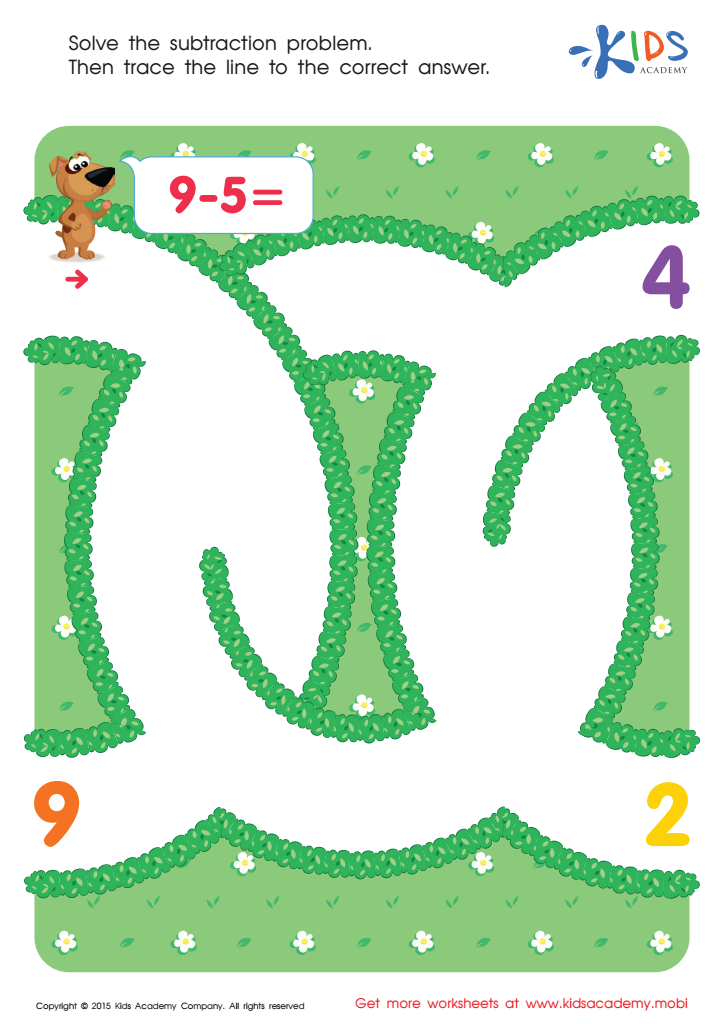
Subtraction Nine And Five Worksheet
 Assign to My Students
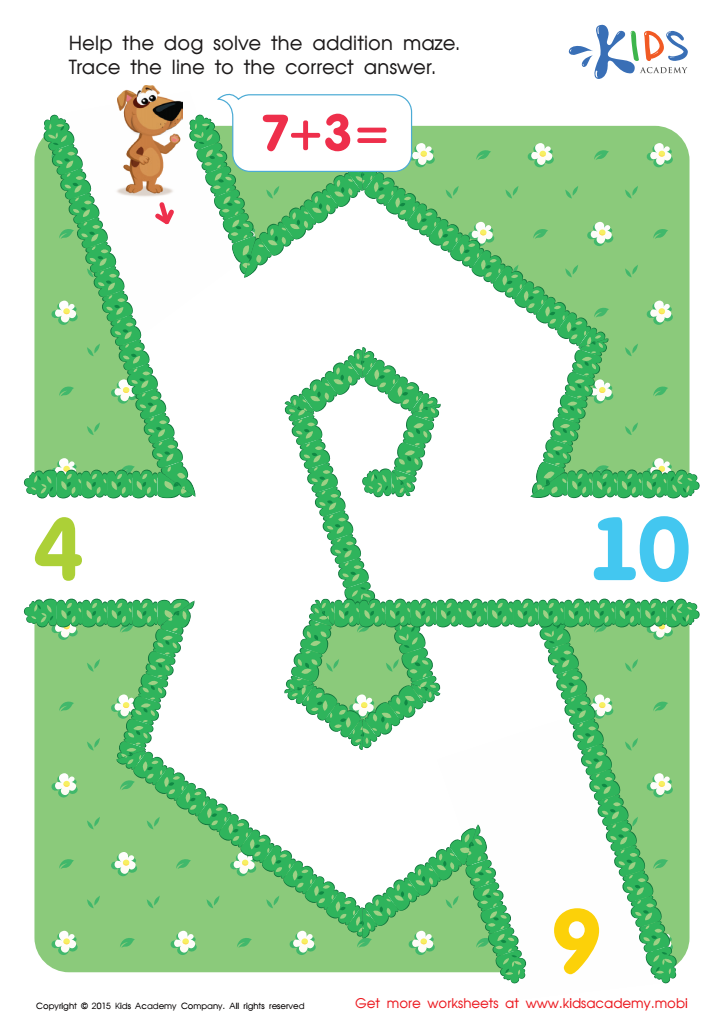
Seven Plus Three Worksheet
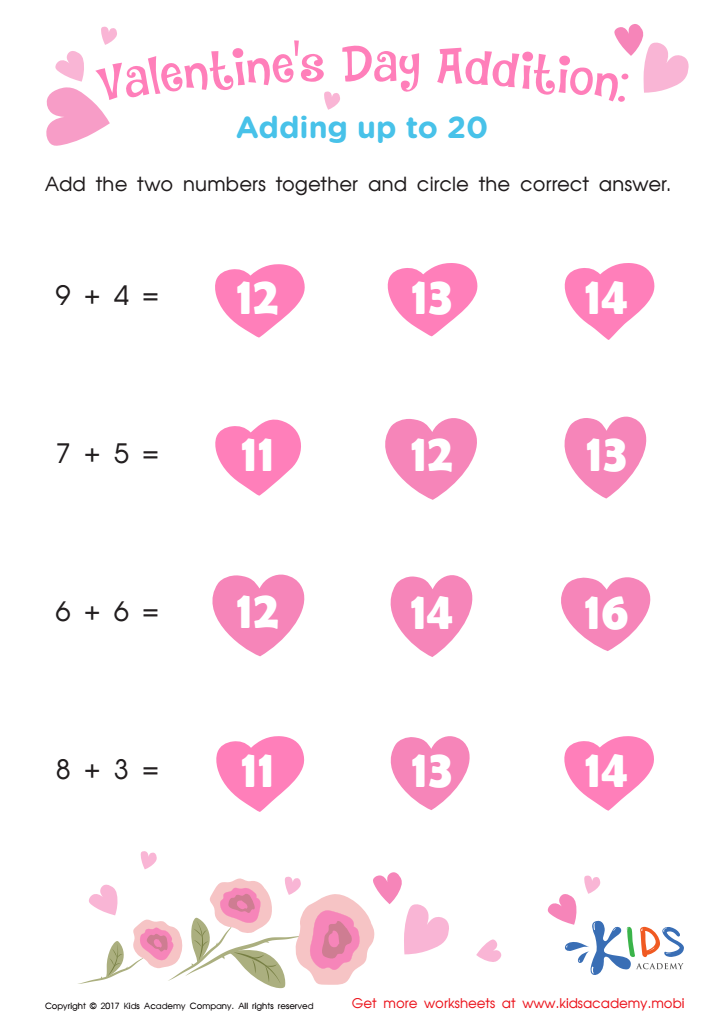
Valentine's Day Addition Worksheet






Math fluency is crucial for children ages 6-8 as it lays the foundation for their future success in mathematics and critical thinking. At this developmental stage, students are building essential skills in addition, subtraction, and problem-solving. Extra challenges in math fluency provide opportunities for children to deepen their understanding and improve their speed and accuracy in calculations.
Parents and teachers should care about these challenges as they foster a sense of accomplishment and confidence in young learners. When children engage in extra practice not only do they enhance their cognitive skills, but they also develop resilience and perseverance as they tackle more complex problems. Secure math fluency contributes to better performance in higher-level math and other subjects reliant on numerical literacy.
Moreover, a solid grasp of these foundational concepts prepares students for real-life situations, from managing money to interpreting data. By encouraging and providing opportunities for math fluency challenges, parents and teachers help cultivate a positive attitude toward math, instill critical lifelong skills, and promote a love for learning that can extend into other areas of their education. In summary, investing in math fluency at this age is essential for personal and academic growth.








