Fine Motor Skills Extra Challenge Geometry Worksheets for Ages 6-8
6 filtered results
-
From - To
Boost fine motor skills and geometry understanding with our "Fine Motor Skills Extra Challenge Geometry Worksheets for Ages 6-8." Designed specially to engage young learners, these worksheets blend intricate patterns and shapes, helping kids master control and precision. Your child will develop crucial hand-eye coordination alongside essential geometry concepts like angles, symmetry, and spatial relationships. Perfect for reinforcing classroom learning, these exercises provide a dual benefit of advancing both cognitive and motor abilities. From parents looking to support home learning to teachers seeking supplemental classroom materials, these worksheets are an excellent resource for enhancing fine motor and geometric skills.
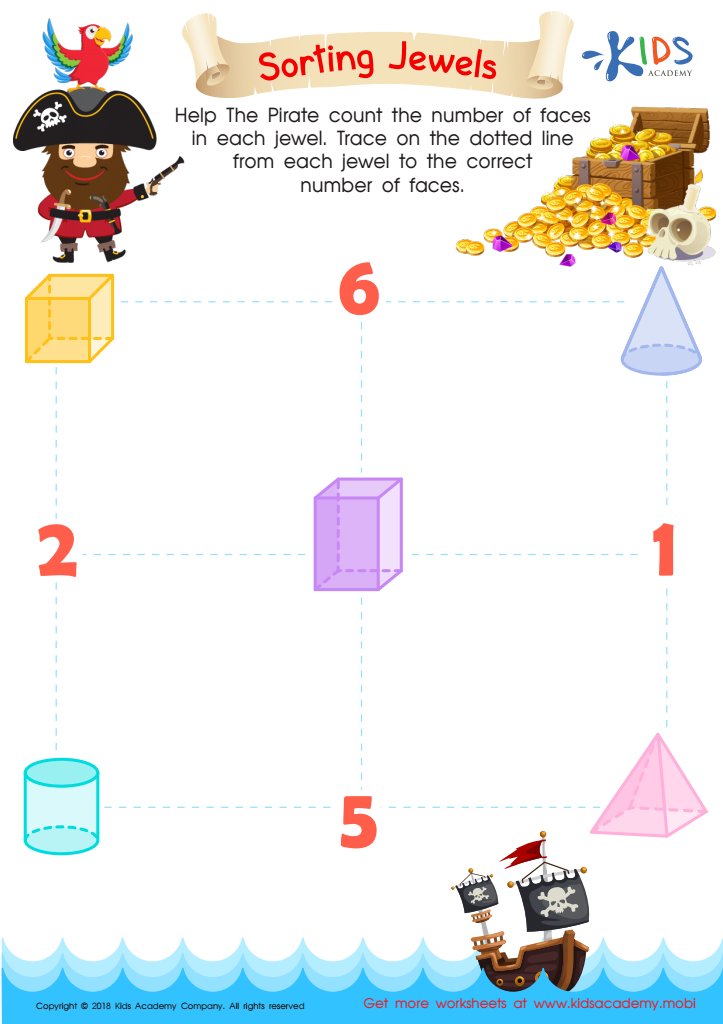
Sorting Jewels Worksheet
 Assign to My Students











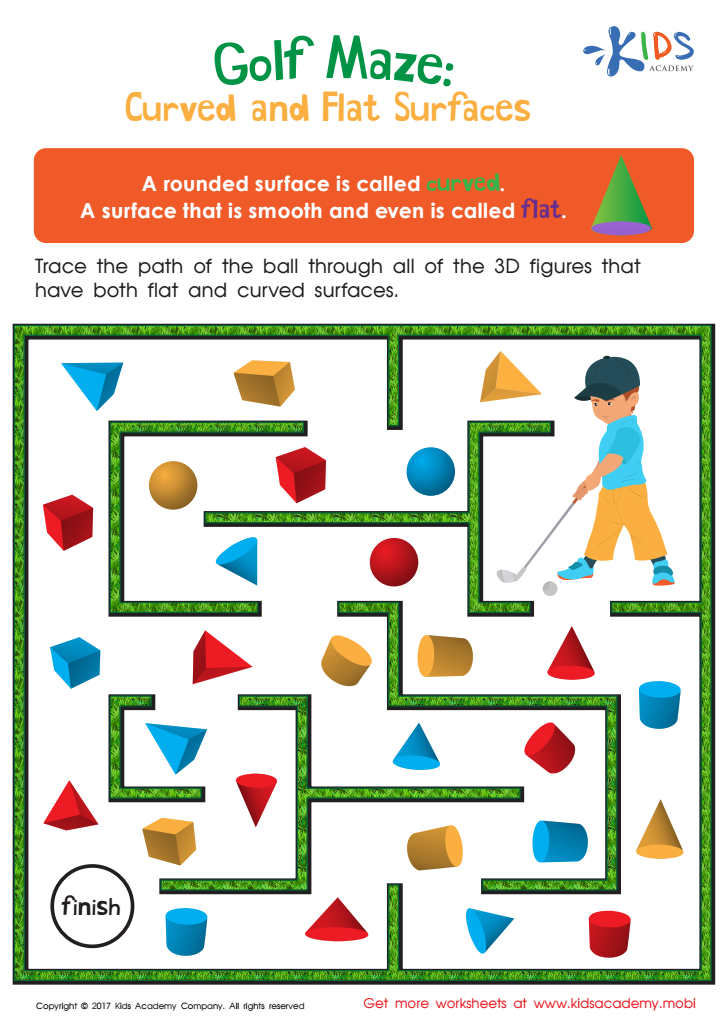
Golf Maze: Curved and Flat Surfaces Worksheet
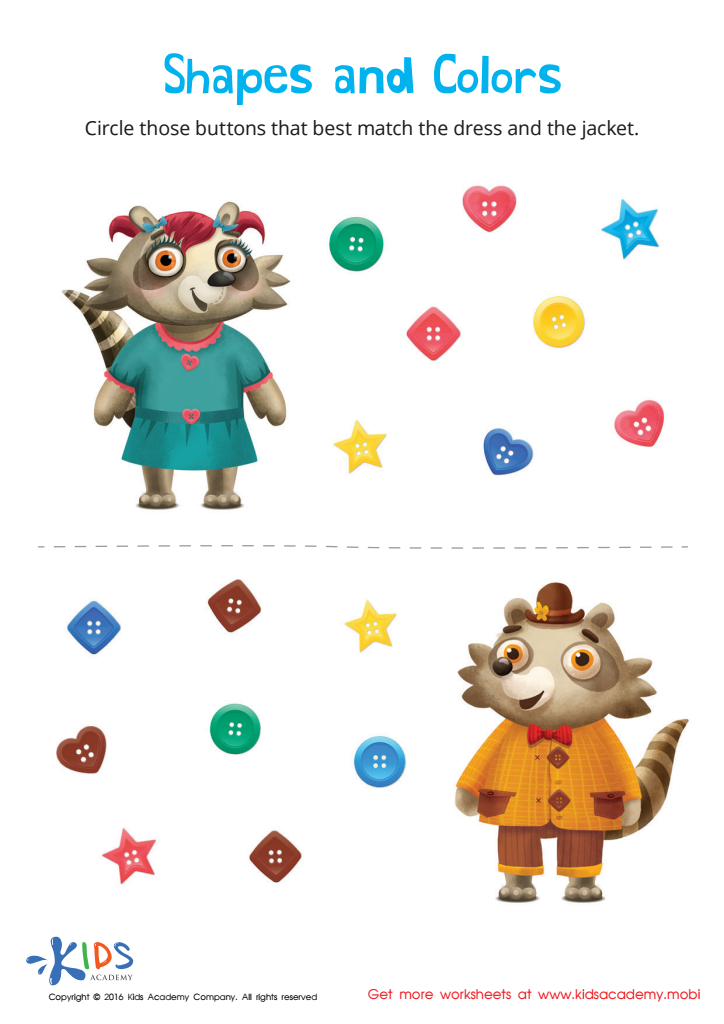
Matching: Shapes and Colors Worksheet
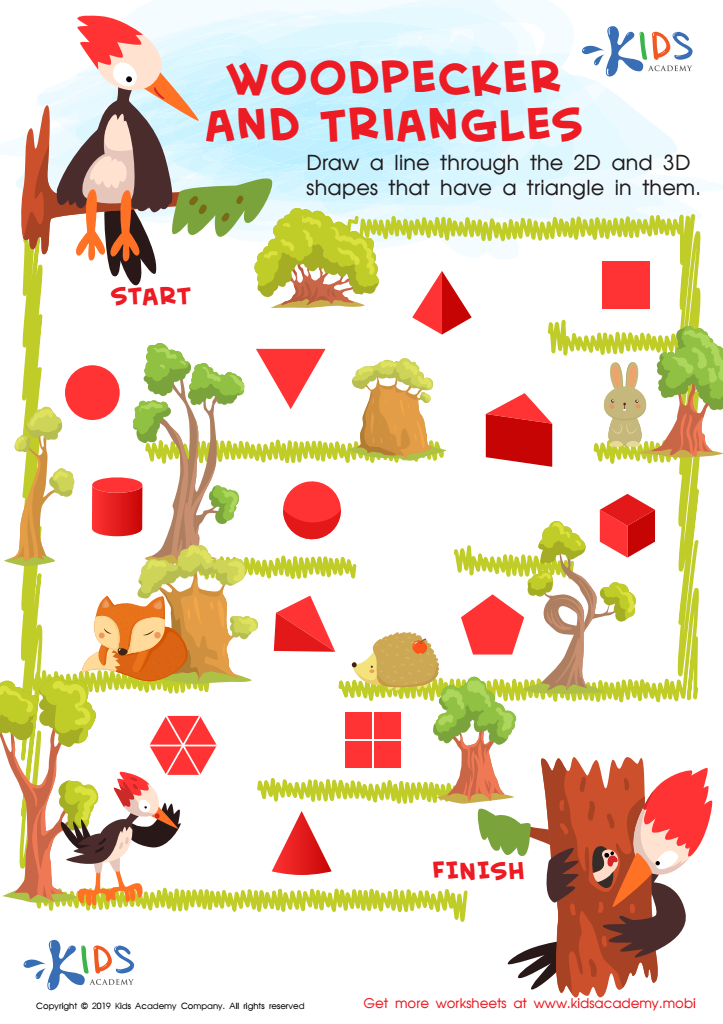
Woodpecker and Triangles Worksheet
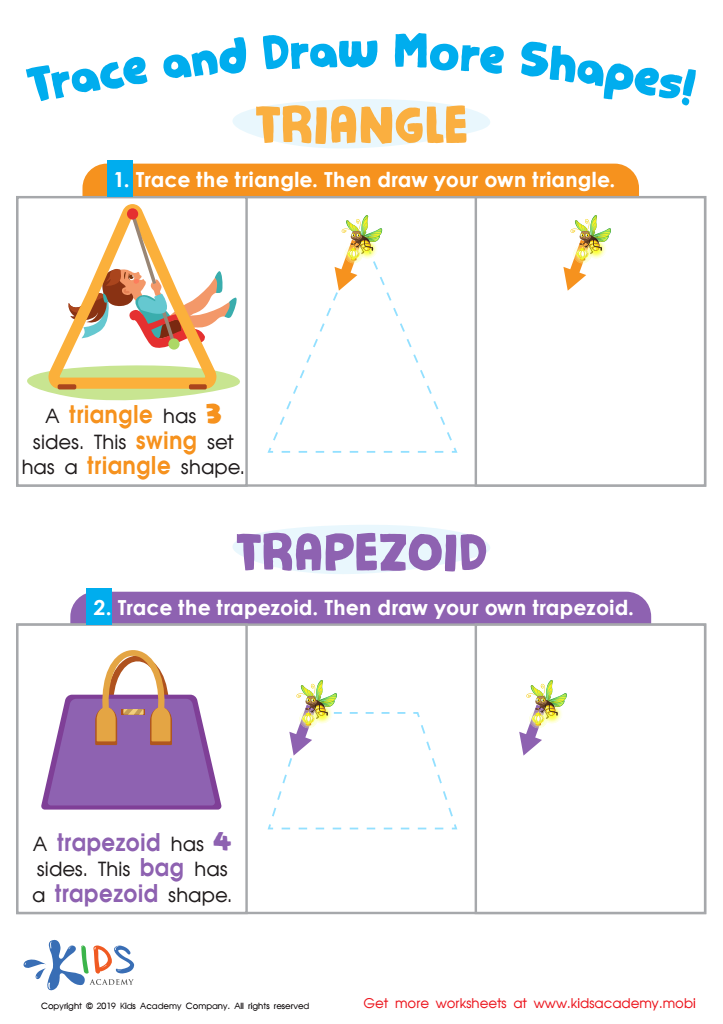
Trace and Draw More Shapes Worksheet
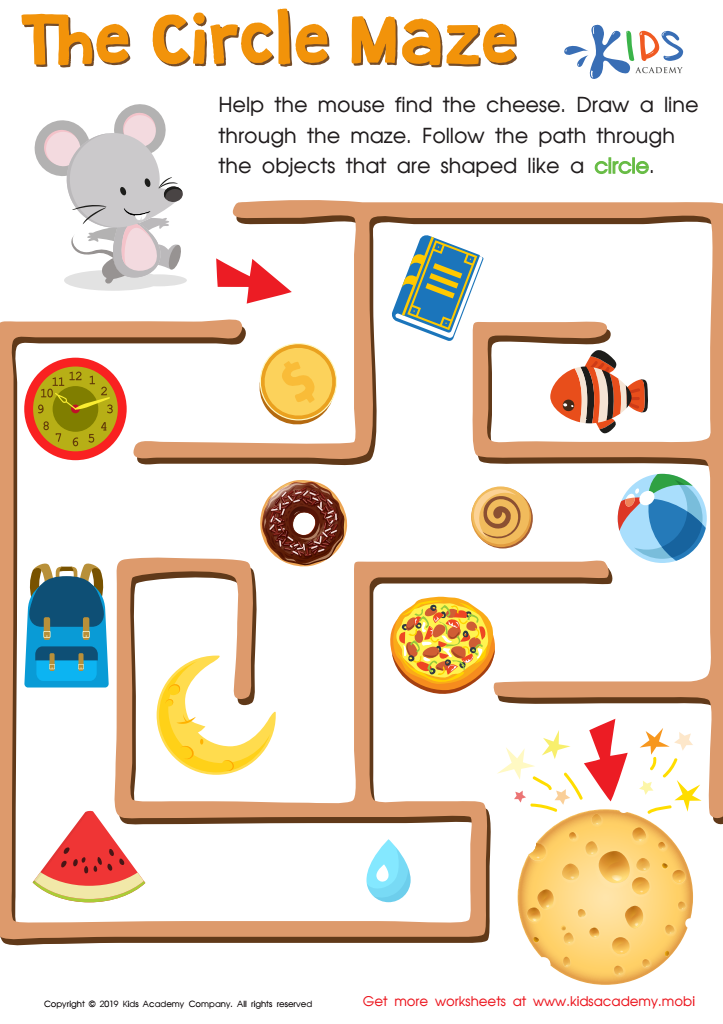
The Circle Maze Worksheet








Fine motor skills are essential for children's overall development, particularly between the ages of 6 and 8 when they're refining their control and precision. Parents and teachers should care about fine motor skills activities incorporating extra challenge geometry because these exercises offer multifaceted benefits. Firstly, they improve hand-eye coordination. Manipulating small objects or completing intricate tasks helps children develop better control, which translates to improved handwriting, art, and daily tasks like tying shoelaces.
Geometry-based activities add a cognitive layer, encouraging spatial awareness and problem-solving skills. When children manipulate geometric shapes, they learn about relationships, symmetry, and proportions, laying a foundation for complex mathematical concepts. This integrated learning approach not only enhances their fine motor dexterity but also strengthens their understanding of geometry, setting a strong academic base.
Moreover, these activities boost concentration and patience. Completing detailed geometric patterns or shapes requires sustained focus, helping kids develop the ability to concentrate for longer periods. This attribute is critical for academic success across subjects.
Finally, engaging in such challenges can foster a sense of achievement and confidence. When children overcome these fine motor challenges, they realize their potential, boosting their self-esteem and encouraging a positive attitude towards learning.
In summary, Fine Motor Skills Extra Challenge Geometry activities are indispensable for developing physical, cognitive, and emotional skills, making them invaluable in early education.