Extra Challenge Building Vocabulary Worksheets for Ages 6-8 - Page 2
27 filtered results
-
From - To
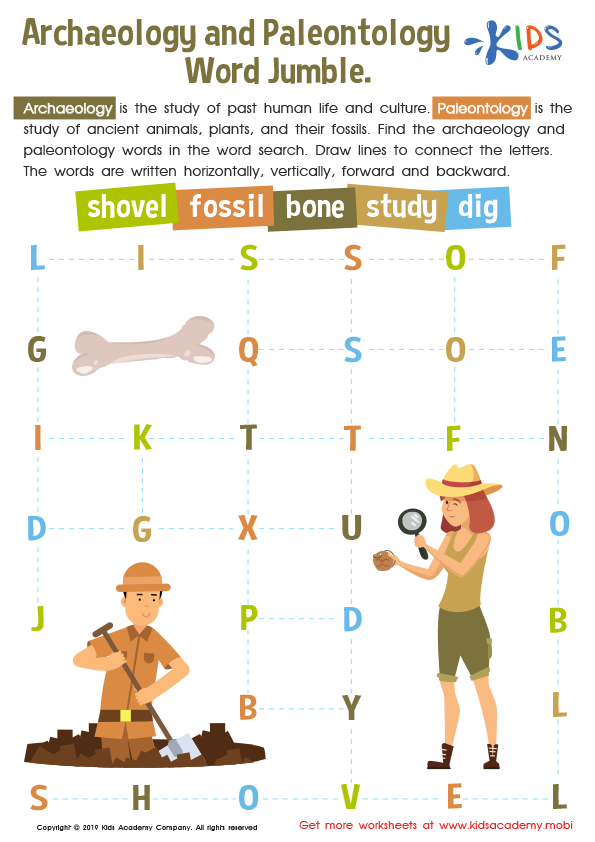
Archaeology and Paleontology Word Jumble Worksheet
 Assign to My Students











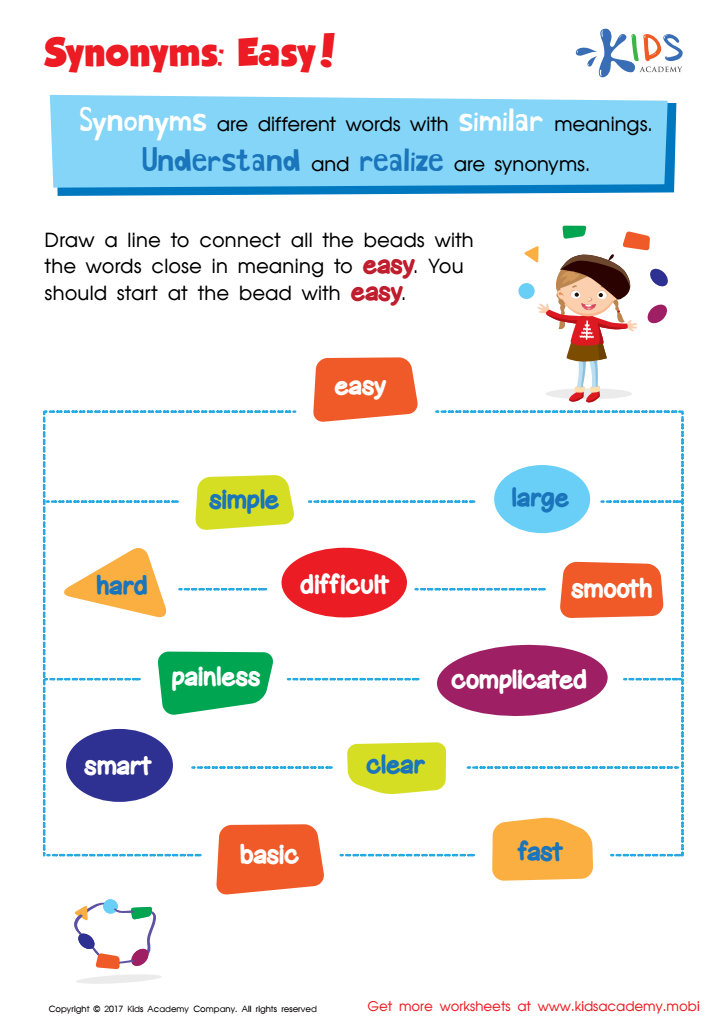
Free Synonym Worksheet
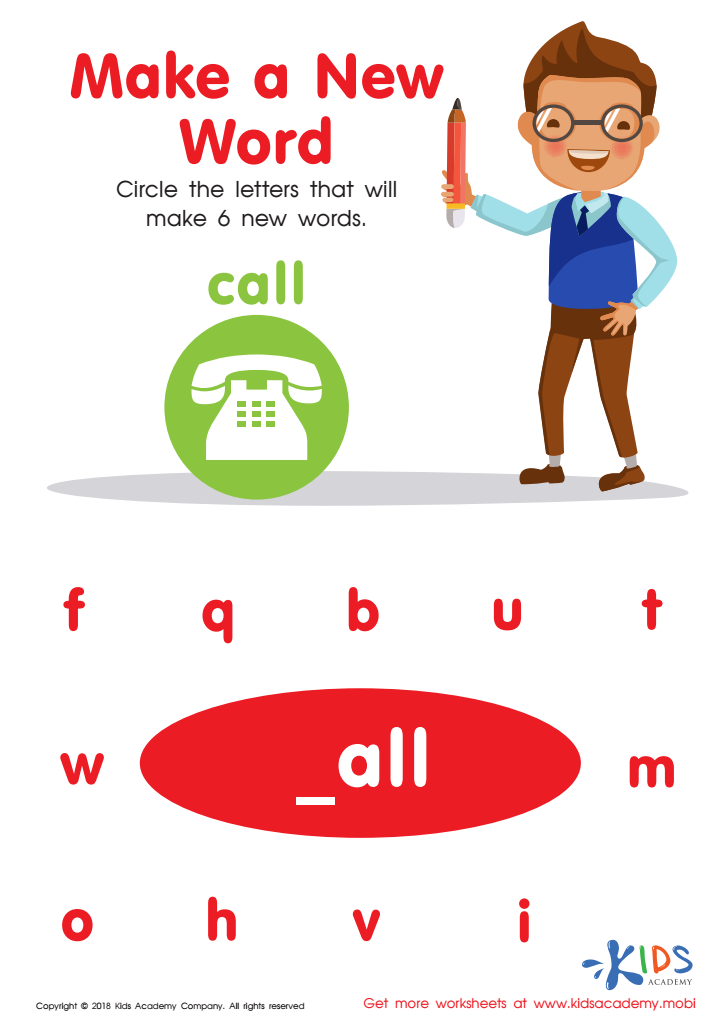
Make a New Word Worksheet








Building vocabulary for children aged 6-8 is critical for their overall academic success and personal development. At this age, children are transitioning from learning to read to reading to learn. A strong vocabulary not only enhances their reading comprehension but also boosts their writing and verbal communication skills. By expanding their vocabulary, children can express their thoughts more clearly and engage more actively in discussions.
For parents and teachers, fostering vocabulary development creates a solid foundation for lifelong learning. Children with a rich vocabulary are better equipped to tackle various subjects and understand complex texts as they progress in their education. Moreover, vocabulary development encourages curiosity, sparking interest in spelling, grammar, and language arts.
Through activities like reading diverse literature, games, and everyday conversations, adults can introduce new words in a fun and engaging way. This process not only improves language skills but also builds confidence, encouraging children to participate more in classroom discussions and social interactions. Investing time and effort in extra vocabulary challenges ultimately empowers children to excel in school and navigate the world with greater ease and enjoyment. Thus, prioritizing vocabulary enrichment is an essential responsibility for both parents and educators.