Extra Challenge Writing Worksheets for Ages 6-8 - Page 3
52 filtered results
-
From - To
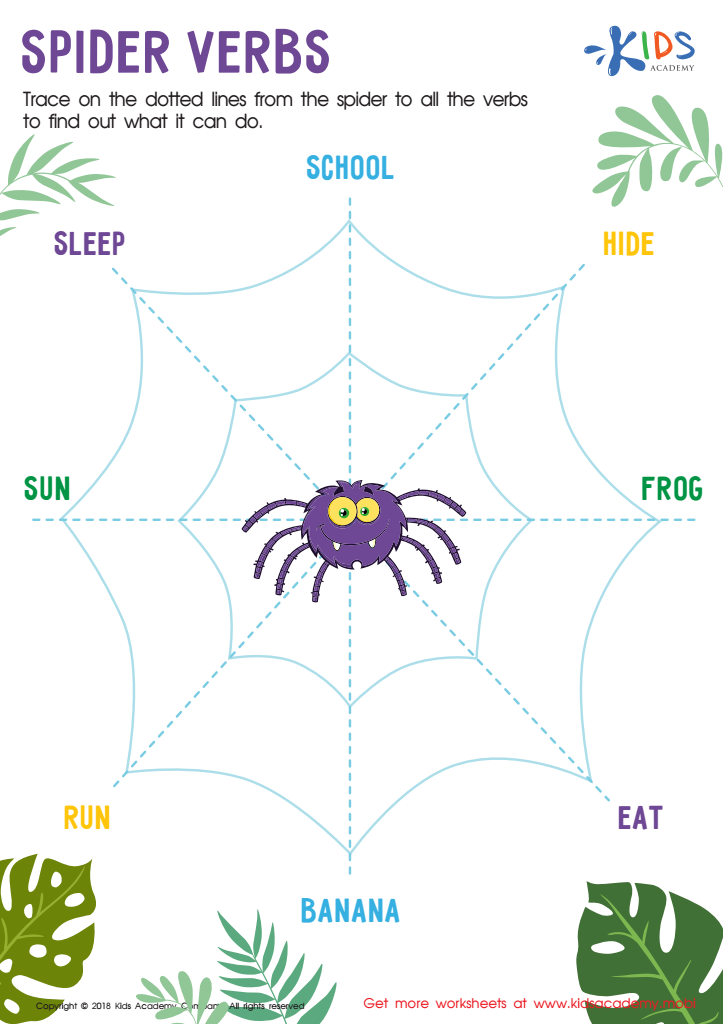
Spider Verbs Worksheet
 Assign to My Students
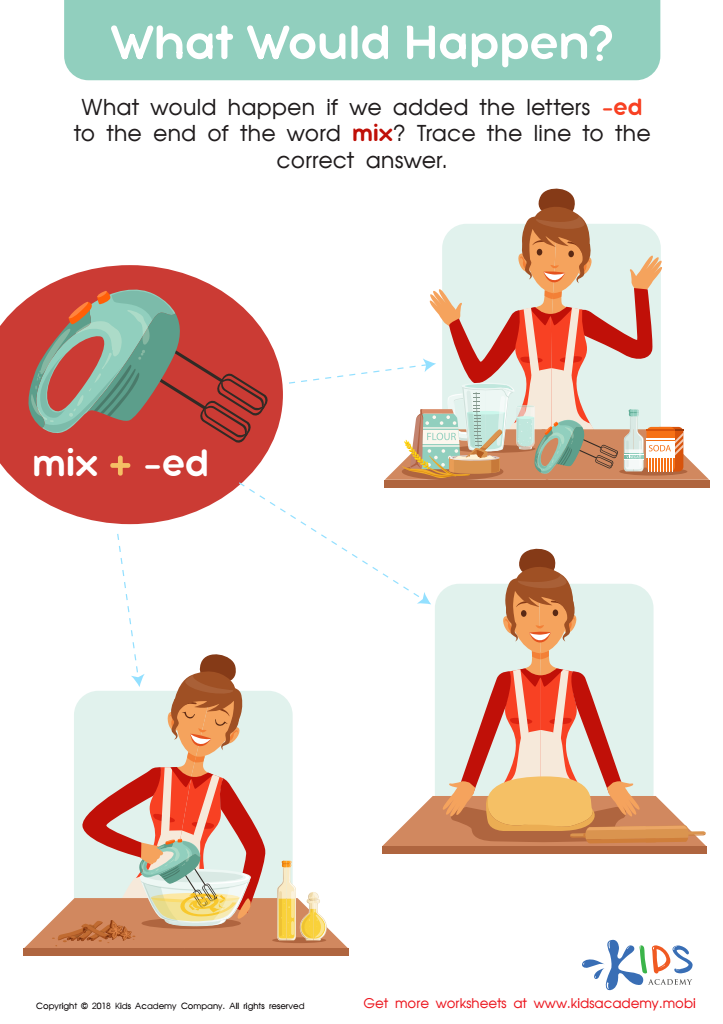
What Would Happen? Worksheet
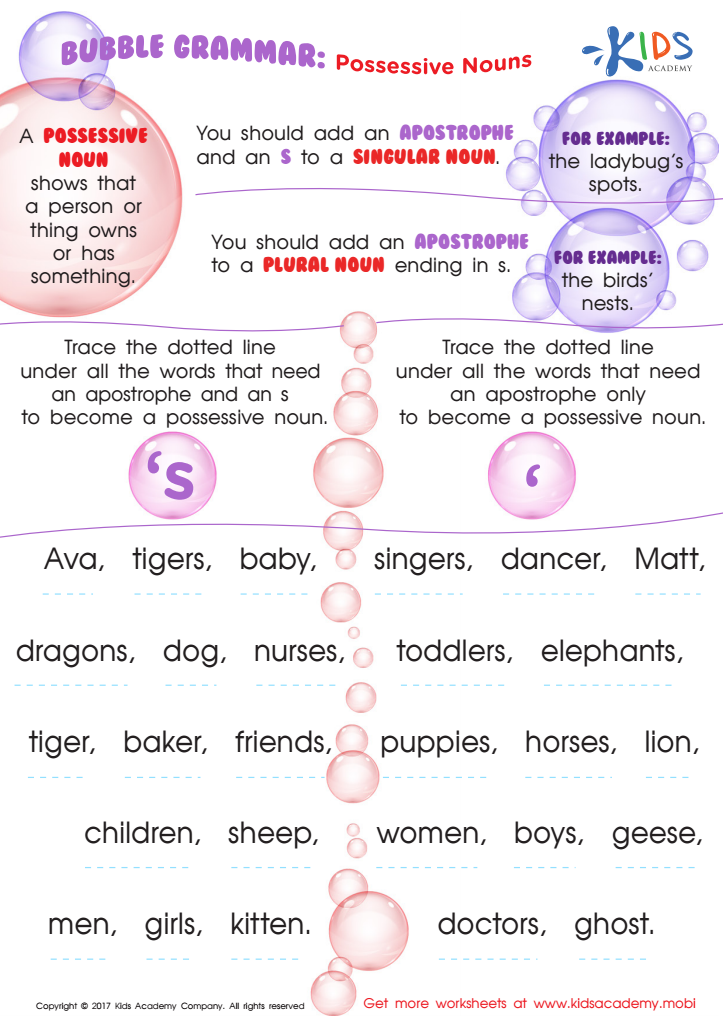
Possessive Nouns Worksheet for Grade 3 PDF
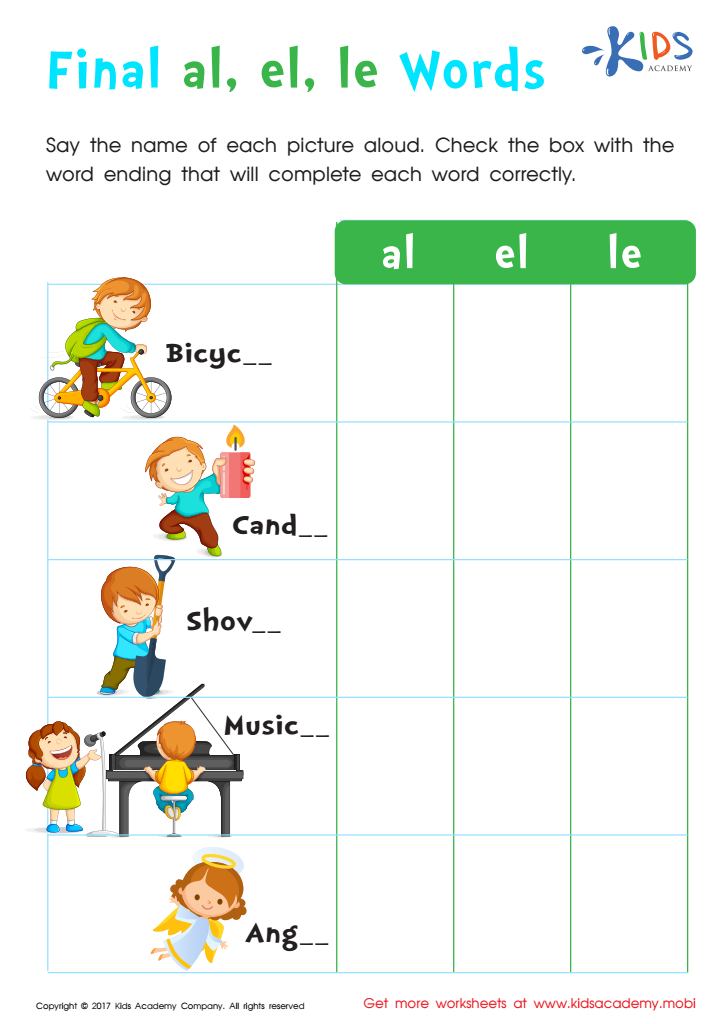
Spelling Words Ending with –le, –el and –al Worksheet






Extra Challenge Writing activities for children aged 6-8 are crucial for their cognitive, emotional, and linguistic development. During these formative years, children are forming foundational skills that influence their future learning. Engaging in extra writing challenges helps improve their handwriting, spelling, and grammar, making them more competent and confident writers as they progress through school.
From a cognitive perspective, writing encourages critical thinking and problem-solving. Children learn to organize their thoughts, which enhances their ability to structure essays and other complex tasks in later grades. Emotionally, writing serves as an outlet for self-expression, allowing children to convey feelings and experiences they might struggle to verbalize.
In terms of linguistic development, writing challenges expand vocabulary and improve sentence structure. When children tackle more complex writing tasks, they become familiar with new words and phrases, which enriches their everyday language.
For parents and teachers, investing time in these activities means fostering a positive attitude toward writing and learning in general. It opens avenues for better communication between children and adults, providing insights into a child’s thought process and creativity. Ultimately, extra challenge writing exercises prepare children for a lifelong journey of learning and self-expression, making them well-rounded individuals.