Fine Motor Skills Extra Challenge Letter Recognition Worksheets for Ages 6-9
7 filtered results
-
From - To
Discover our Fine Motor Skills Extra Challenge Letter Recognition Worksheets, specially designed for children ages 6-9. These engaging worksheets provide a fun and effective way to enhance letter recognition while also bolstering essential fine motor skills. Each activity is thoughtfully crafted to challenge young learners with tracing, coloring, and precision tasks that promote better handwriting and improved dexterity. Perfect for classroom or at-home learning, these worksheets ensure kids stay motivated and make learning letters both enjoyable and rewarding. Equip your child or students with the tools they need for literacy success and fine motor skill excellence.
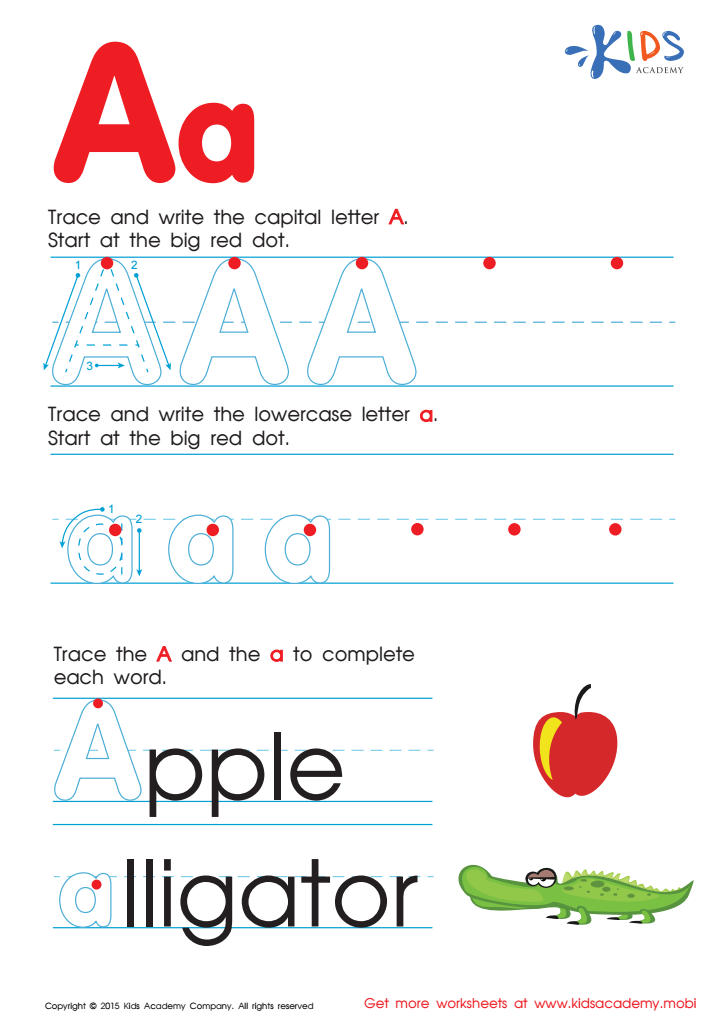
Letter A Tracing Page
 Assign to My Students
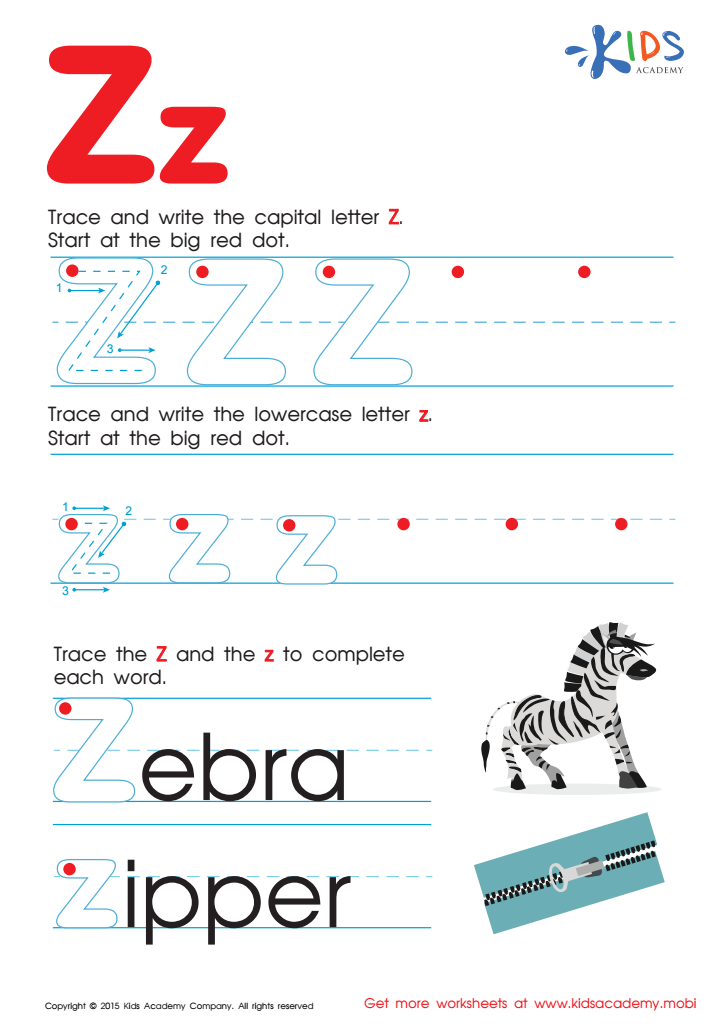
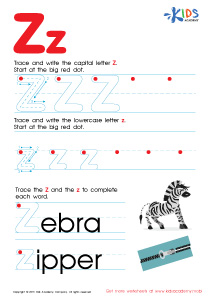
Letter Z Tracing Page
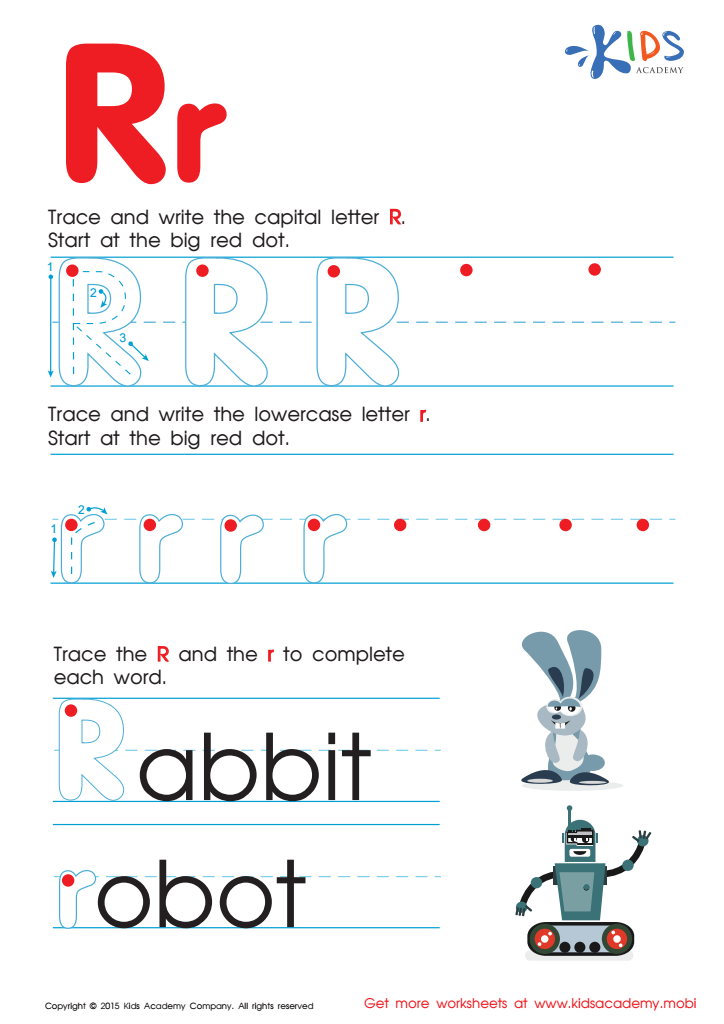
Letter R Tracing Page
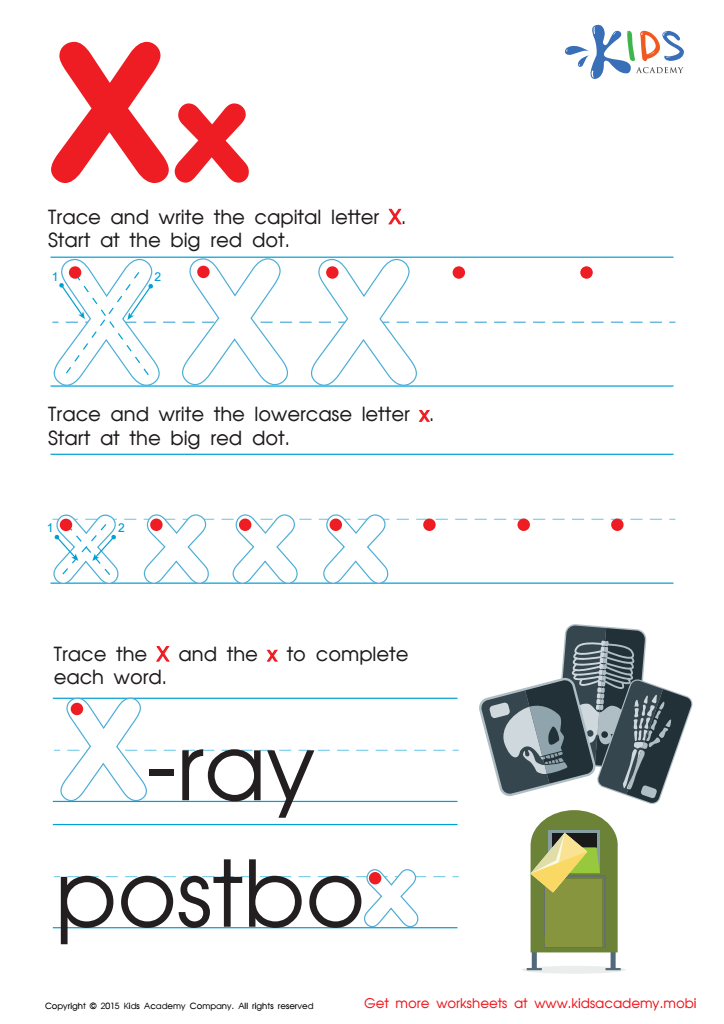
Letter X Tracing Page
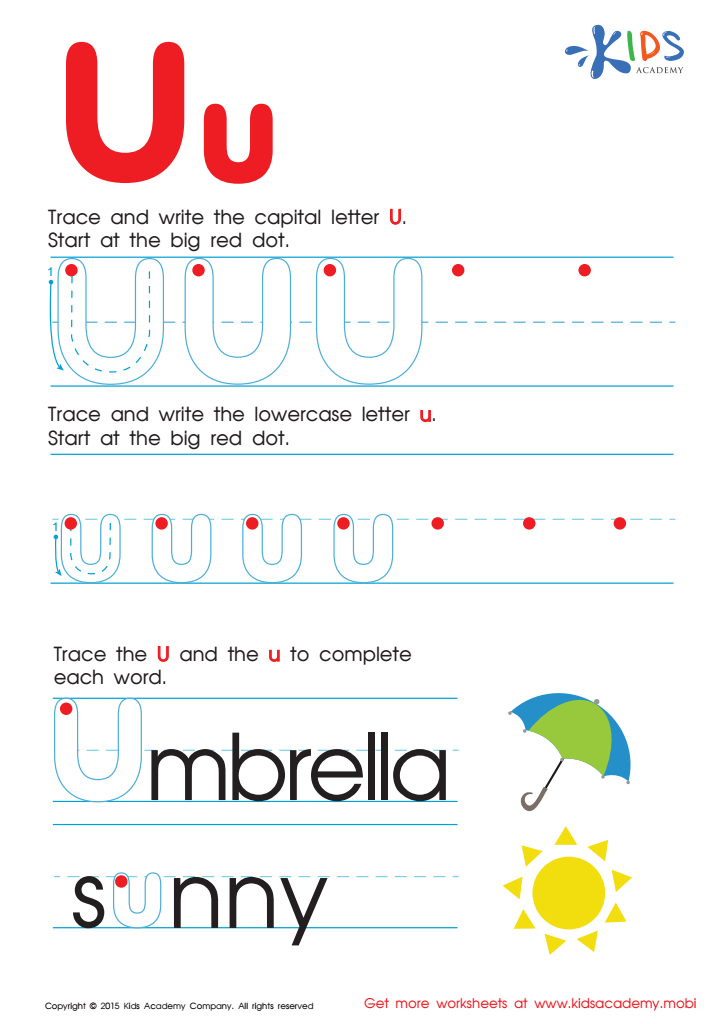
Letter U Tracing Page

Letter V Tracing Page
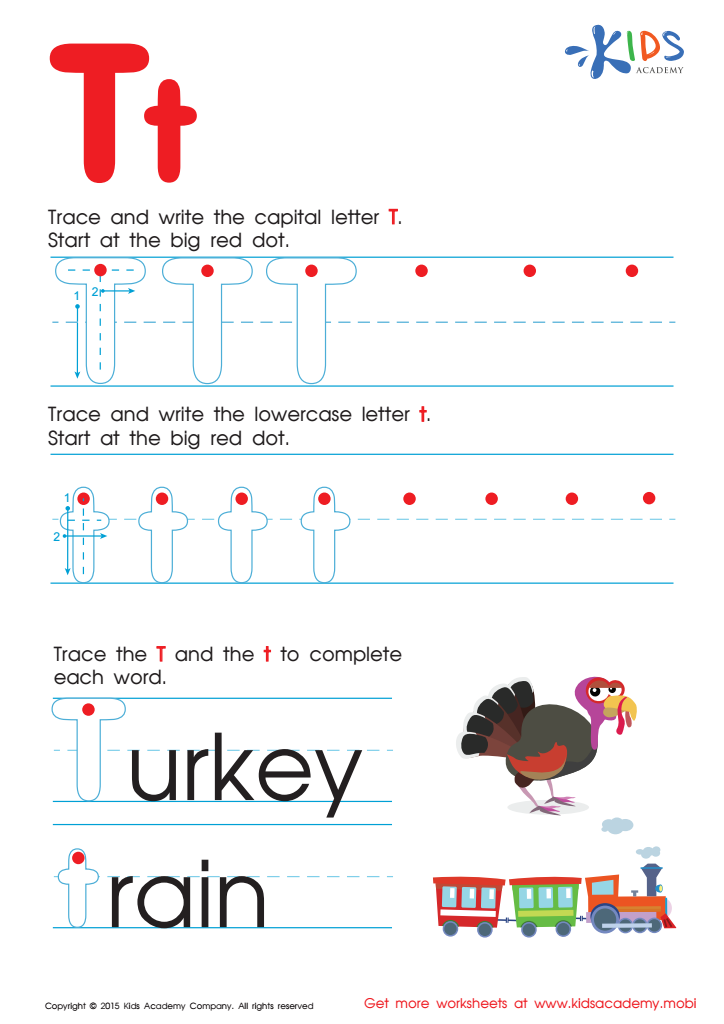
Letter T Tracing Page








Fine motor skills are critical for children ages 6-9 because they significantly impact many aspects of academic and day-to-day activities. Fine motor skills involve the coordination of small muscles in movements – usually involving synchronization of hands and fingers with the eyes. These skills are paramount for tasks such as writing, using scissors, and even buttoning a shirt.
The Extra Challenge Letter Recognition focuses on making letter recognition more engaging and challenging, which is crucial during these formative years. When children work on letter recognition within a fine motor skills framework, they are not just learning the alphabet. They are also enhancing their hand-eye coordination, precision, and dexterity. These foundational skills are essential for fluent reading and writing later on.
Additionally, integrating fine motor skills practice with letter recognition can make learning more playful and enjoyable. Activities such as tracing letters in sand or shaping them with clay can make the learning process less daunting and more inviting, thus helping to build a child's confidence.
For parents and teachers, paying attention to these areas ensures that children are not just passively learning but actively engaging in activities that build their developmental skills comprehensively, setting a strong foundation for future educational success and everyday life challenges.