Letter recognition Extra Challenge Letter Recognition Worksheets for Ages 6-9
7 filtered results
-
From - To
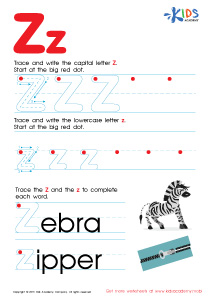
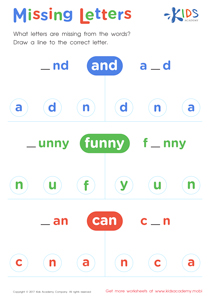
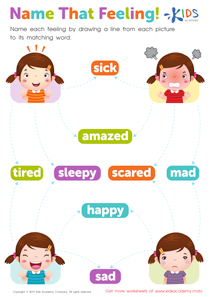
Enhance your child’s literacy skills with our engaging "Extra Challenge Letter Recognition Worksheets" designed for ages 6-9. These activities offer a fantastic way to build confidence and proficiency in identifying both uppercase and lowercase letters. Our worksheets incorporate fun puzzles, creative exercises, and challenging tasks to keep young learners motivated while ensuring a solid foundation in letter recognition. Tailored for older early-grade students, these worksheets not only support reading development but also boost critical thinking and visual discrimination abilities. Perfect for classroom use or at-home practice, our worksheets make learning an enjoyable adventure for budding readers!
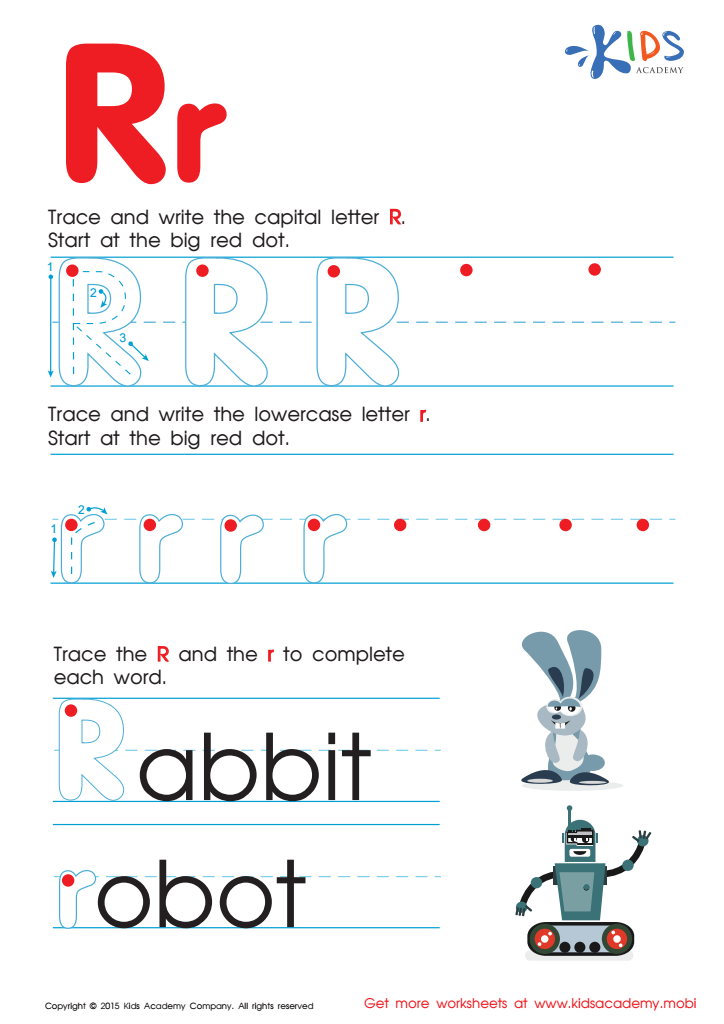
Letter R Tracing Page
 Assign to My Students
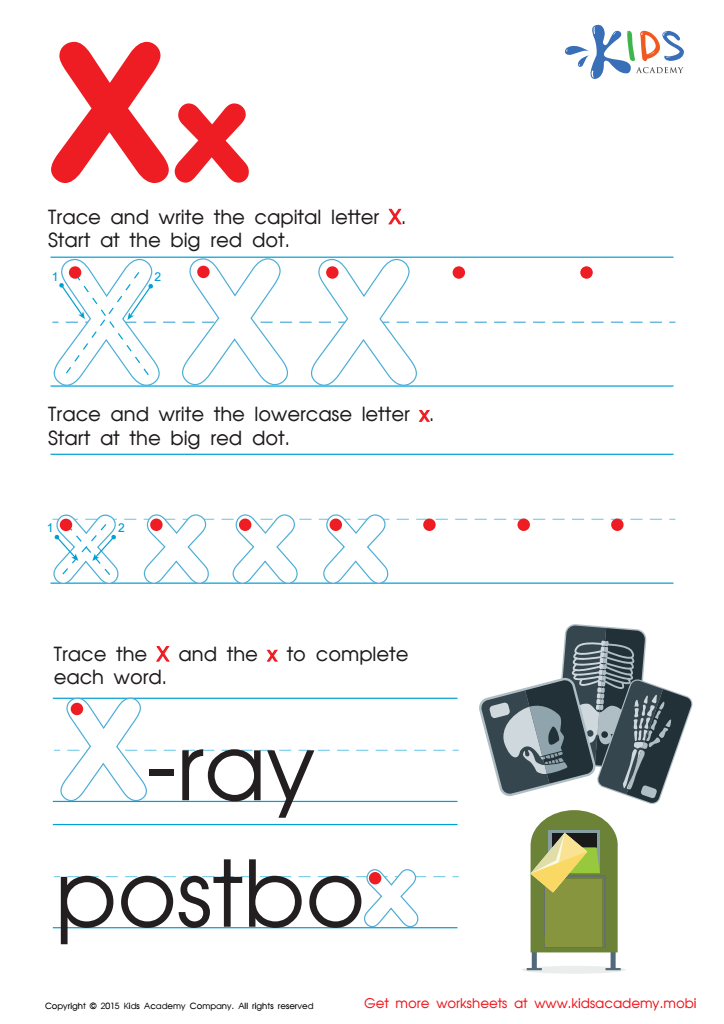
Letter X Tracing Page
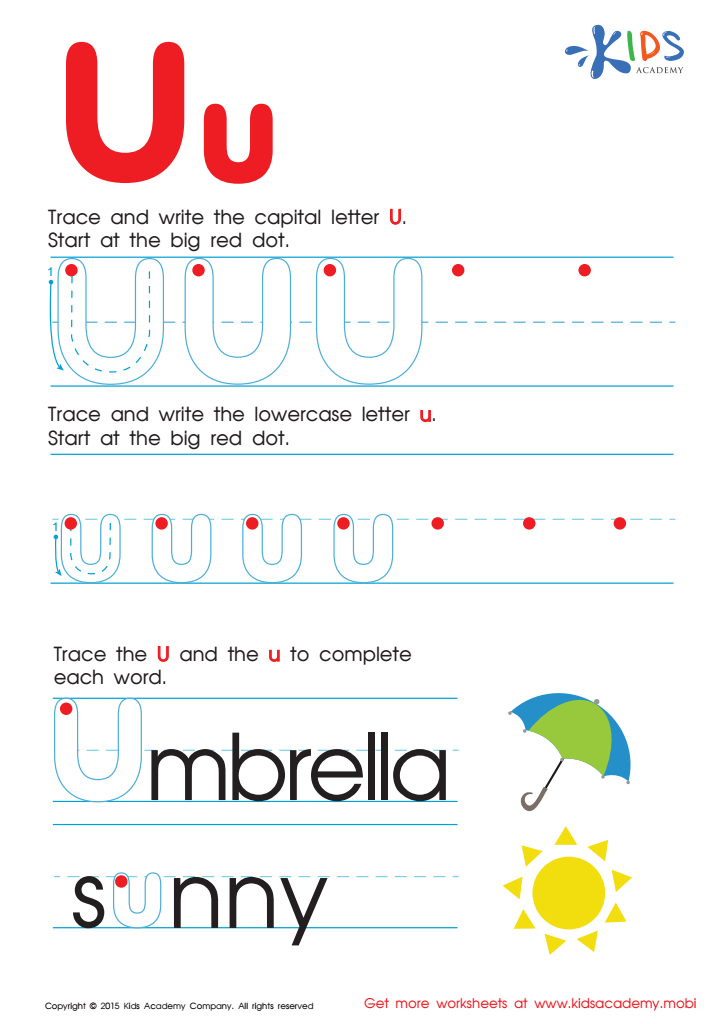
Letter U Tracing Page
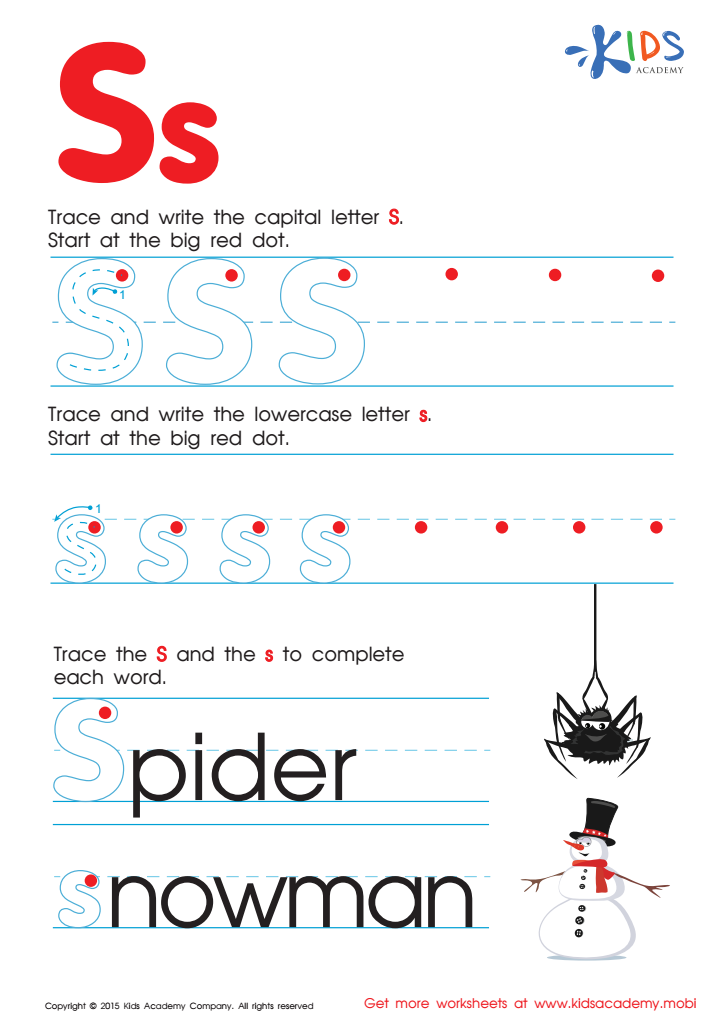
Letter S Tracing Page
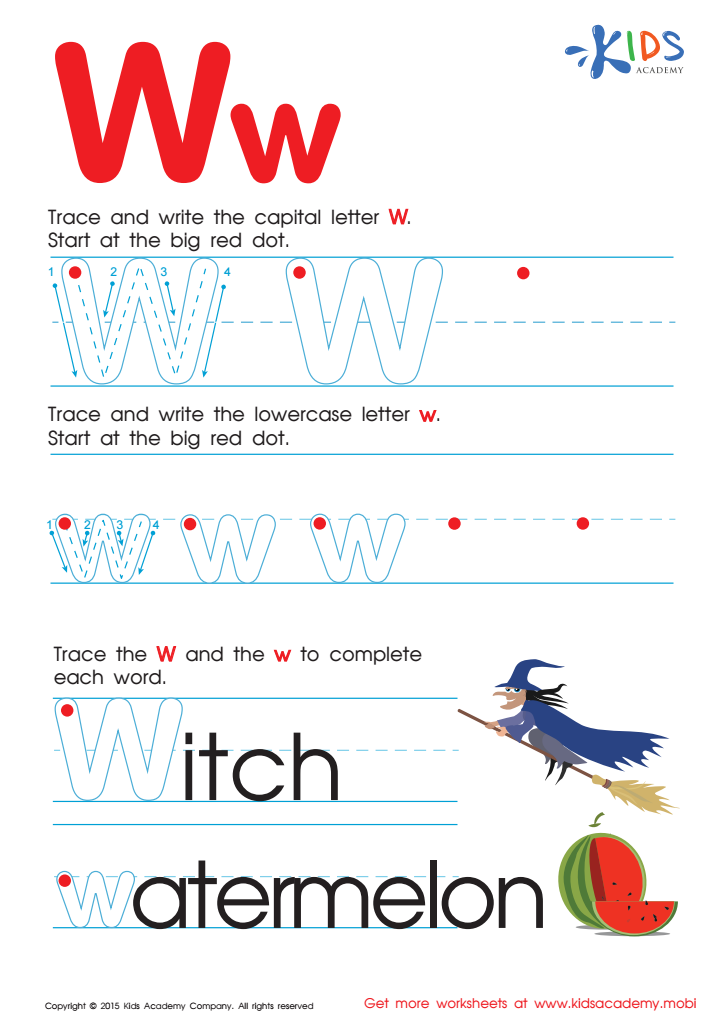
Letter W Tracing Page
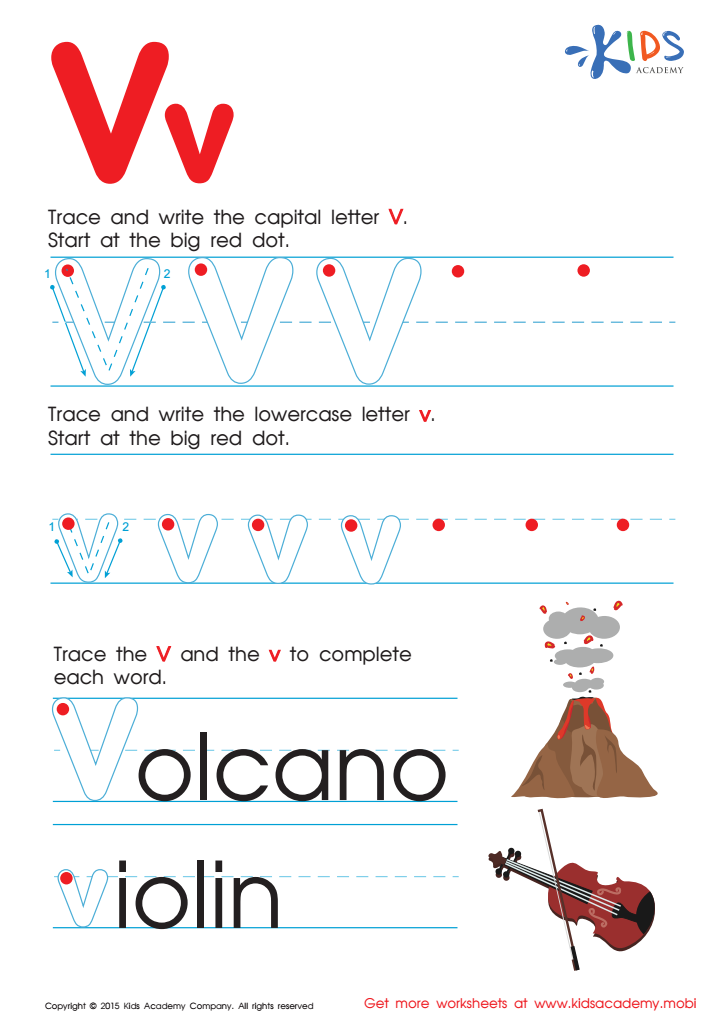
Letter V Tracing Page
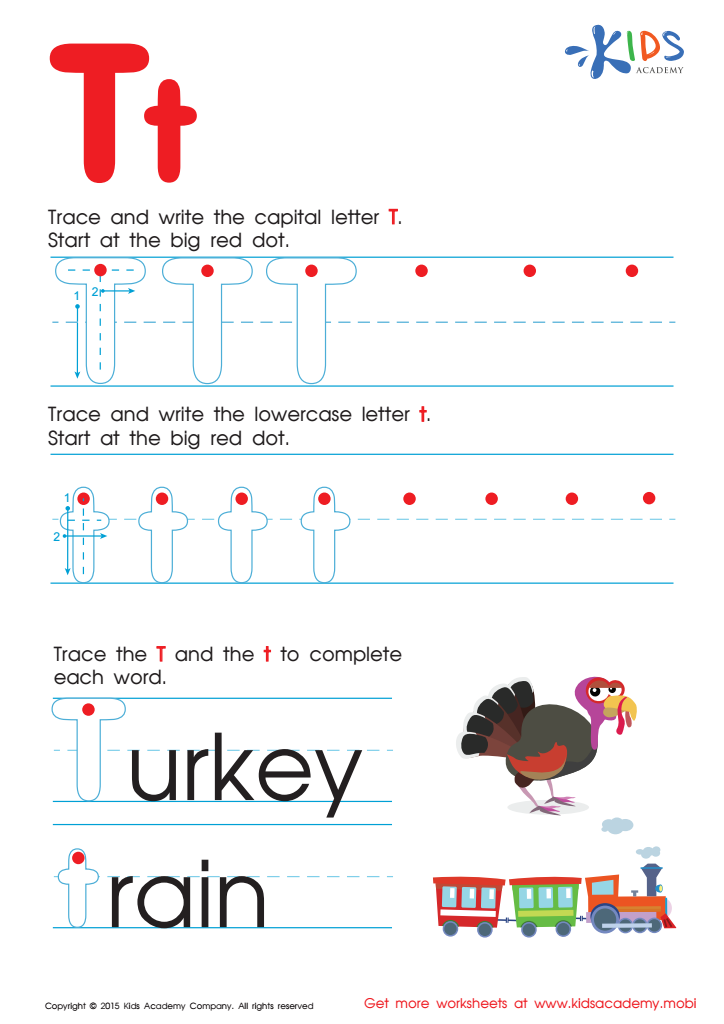
Letter T Tracing Page








Letter recognition is a cornerstone of early literacy, essential for children aged 6-9 who are embarking on their reading and writing journeys. It involves the ability to identify letters, understand their distinct sounds (phonemes), and recognize their role in forming words. Prioritizing this knowledge helps ensure that foundational learning gaps are closed early, fostering a smoother transition into more complex literacy skills such as decoding words, spelling, and eventually fluent reading.
Early proficiency in letter recognition sets a positive trajectory for overall academic achievement. Children who quickly master this skill tend to find it easier to grasp advanced concepts and maintain an advantage in language, reading comprehension, and writing skills throughout their education.
Moreover, confidence is built on solid fundamentals. When children readily recognize letters and can manipulate them to form words, they're more likely to view reading as an enjoyable activity. This intrinsic motivation can lead to an enduring love for learning.
For parents and teachers, leveraging tools and activities like letter recognition games, flashcards, and reading practice not only supplements classroom learning but also strengthens the child's home learning environment. By placing importance on this developmental milestone, adults can significantly contribute to a child's well-rounded cognitive development and academic success.