Handwriting practice Extra Challenge Tracing Letters Worksheets for Ages 6-9
5 filtered results
-
From - To
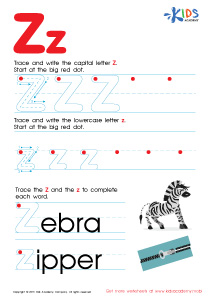
Elevate your child's handwriting skills with our "Handwriting Practice Extra Challenge: Tracing Letters Worksheets" designed for ages 6-9. These engaging worksheets offer exciting activities that not only reinforce letter recognition and formation but also build fine motor skills essential for handwriting proficiency. Featuring both uppercase and lowercase letters, the extra challenge encourages precision and confidence as children practice their strokes. Ideal for classroom reinforcement or at-home learning, these worksheets foster creativity while providing an enjoyable way for kids to enhance their writing abilities. Download and watch your child's skills blossom with these interactive, educational resources tailored for young learners.
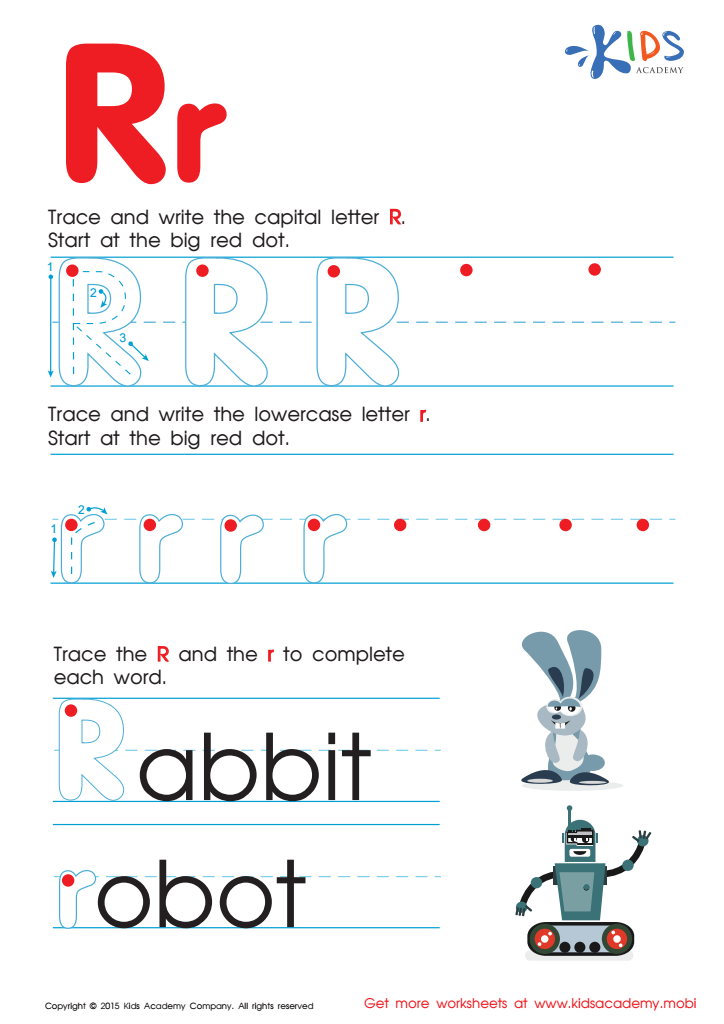
Letter R Tracing Page
 Assign to My Students
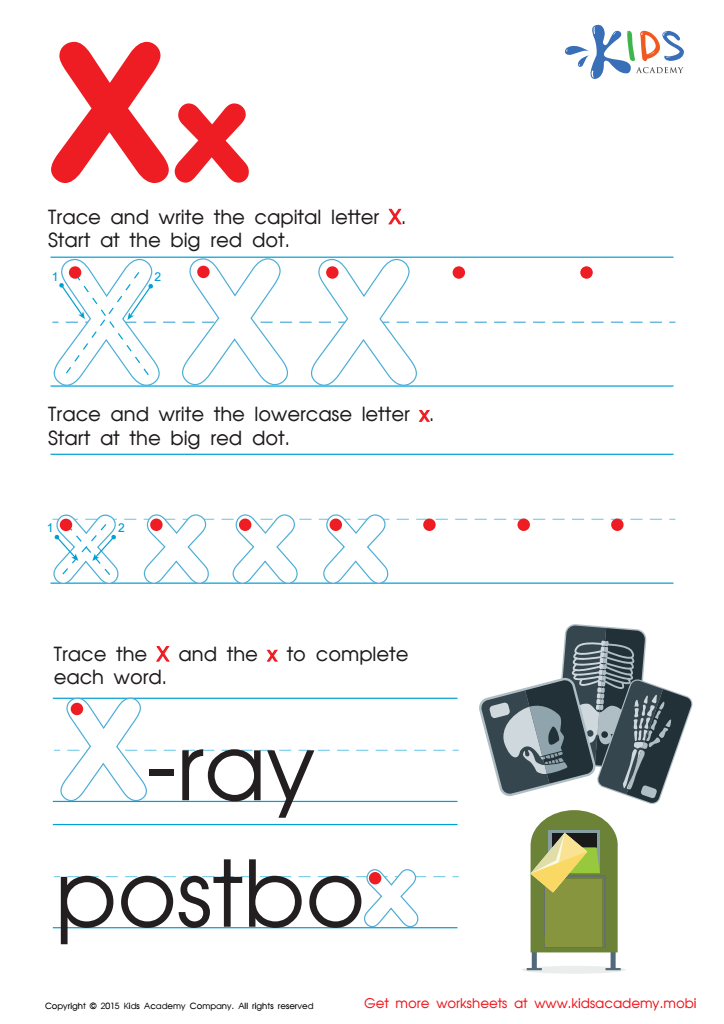
Letter X Tracing Page
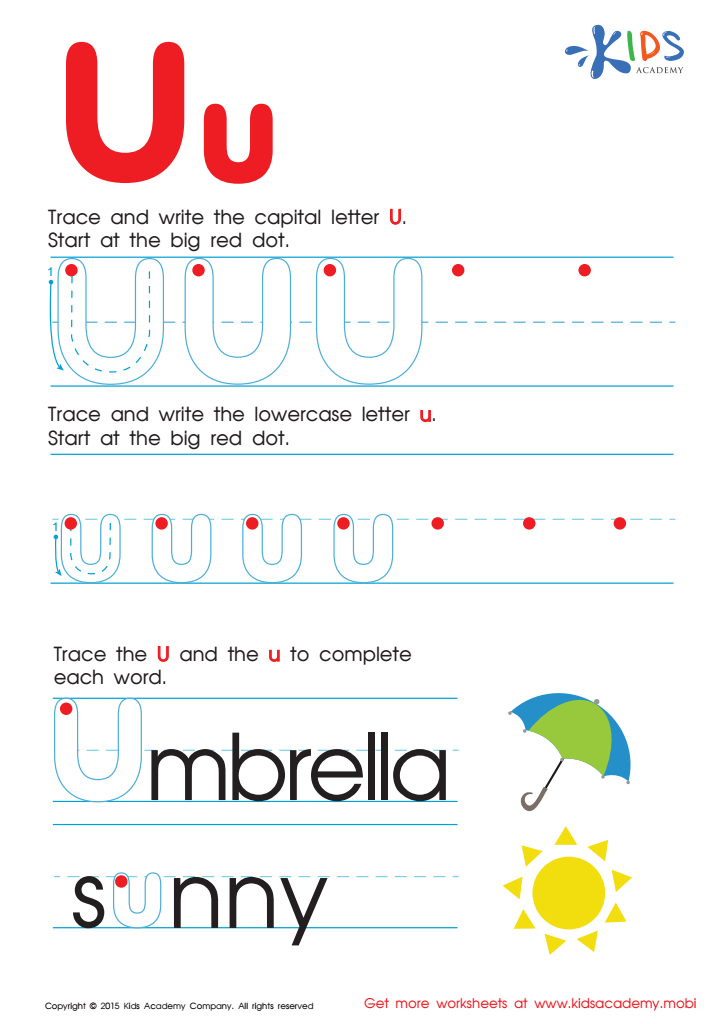
Letter U Tracing Page
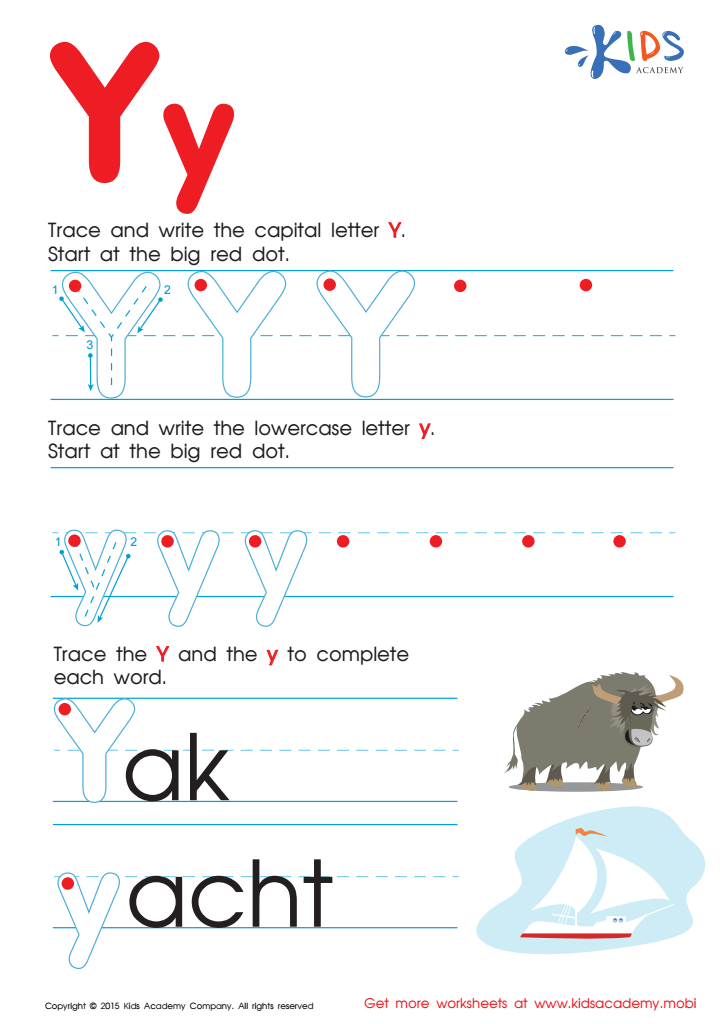
Letter Y Tracing Page
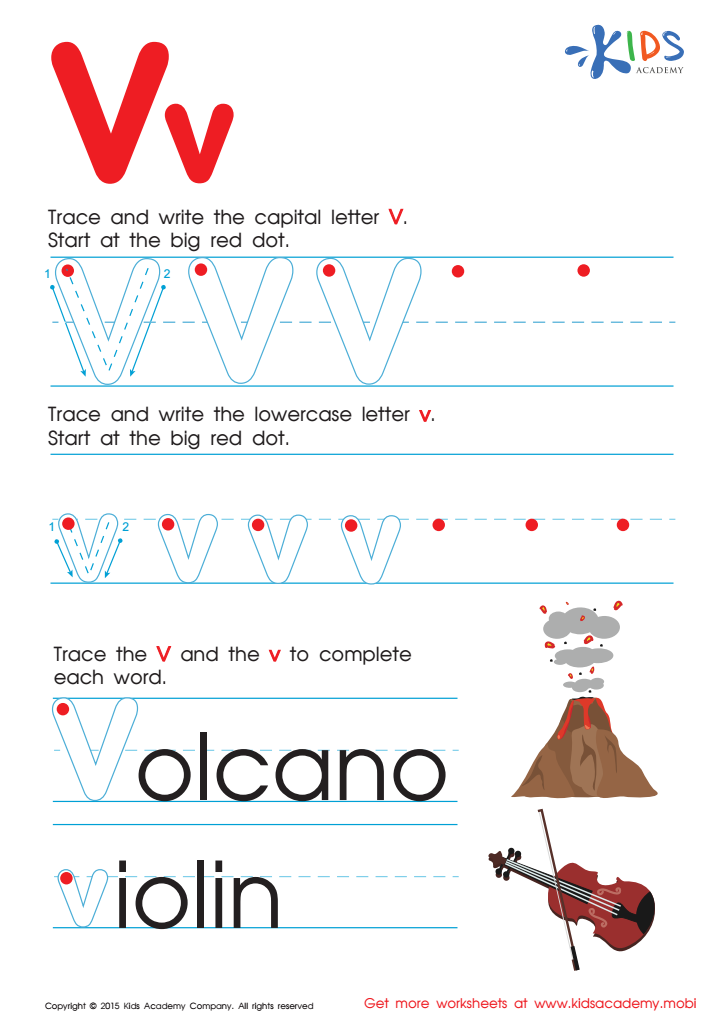
Letter V Tracing Page








Handwriting practice, particularly extra challenge activities like tracing letters for ages 6-9, is vital for developing essential skills in young learners. Firstly, practice in handwriting fosters fine motor skills, improving coordination and control over their hand movements. This is crucial for a child's overall development, affecting future tasks like typing or drawing.
Moreover, developing neat and legible handwriting boosts a child’s confidence. As they see improvements in their writing, they gain a sense of pride and accomplishment, positively influencing their willingness to engage in further activities. Teaching young learners the correct formation of letters also enhances their understanding of letter sounds and phonetics, foundational skills in reading and literacy.
In addition, handwriting is linked to cognitive development. The act of writing engages the brain in ways that typing does not, improving memory retention and comprehension. When children purposefully trace letters, they reinforce their learning through physical action and repetition.
Furthermore, practicing handwriting supports social development; children often share their work with peers, fostering collaboration and feedback. Parents and educators who prioritize handwriting practice play a crucial role in nurturing these essential skills, setting a strong foundation for academic success and lifelong learning.