Attention to Detail Extra Challenge Worksheets for Ages 6-9
5 filtered results
-
From - To
Discover our "Attention to Detail Extra Challenge Worksheets" designed specifically for children aged 6-9. These engaging worksheets refine critical observation skills while making learning enjoyable! Perfect for home or classroom use, they offer a variety of fun activities that encourage young learners to pay close attention to visual details, enhance their focus, and improve cognitive skills. From spot-the-difference puzzles to intricate picture patterns, each worksheet presents new challenges that promote problem-solving abilities. Parents and educators can seamlessly integrate these exercises into existing lesson plans, ensuring children develop essential skills for academic success. Boost your child's learning journey today with our thoughtfully crafted worksheets!
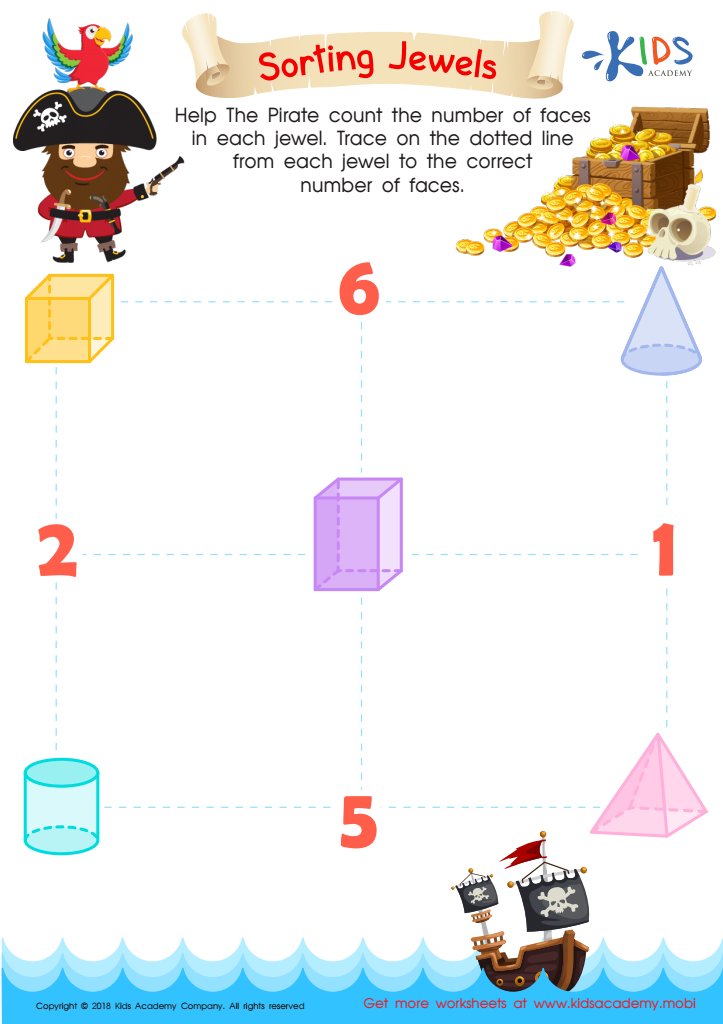
Sorting Jewels Worksheet
 Assign to My Students
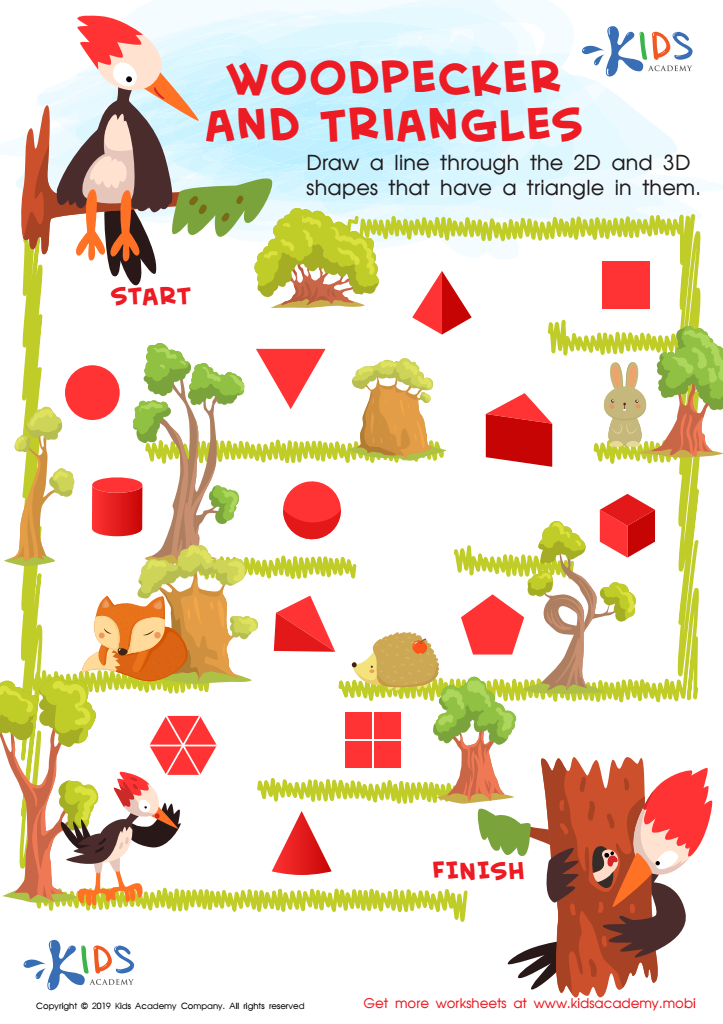
Woodpecker and Triangles Worksheet
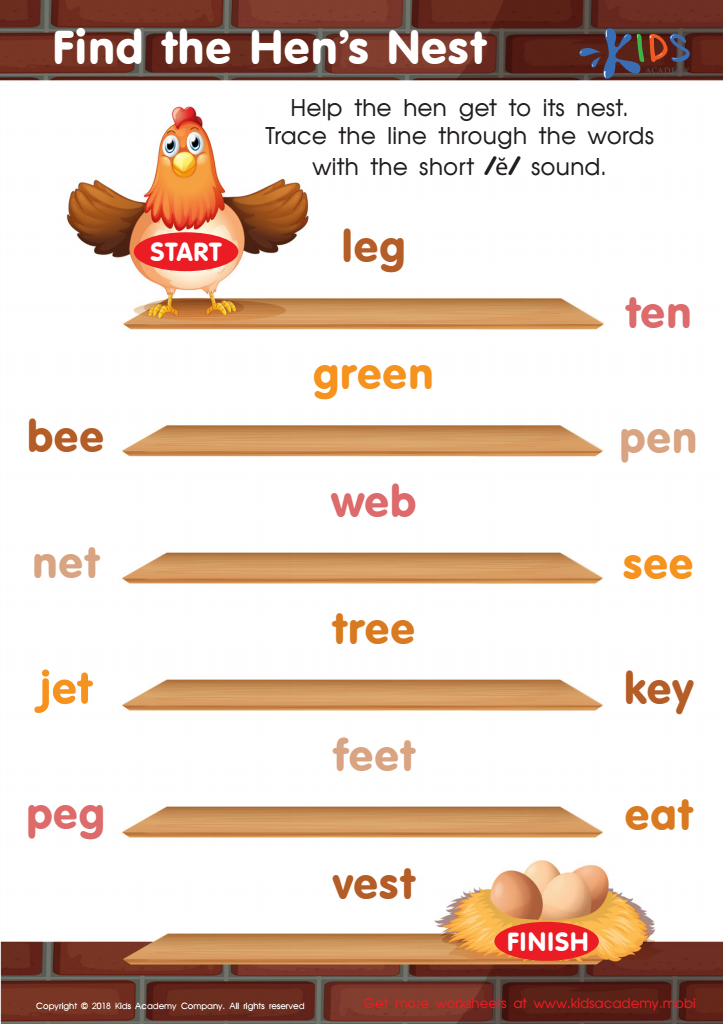
Find Hens Nest Reading Worksheet
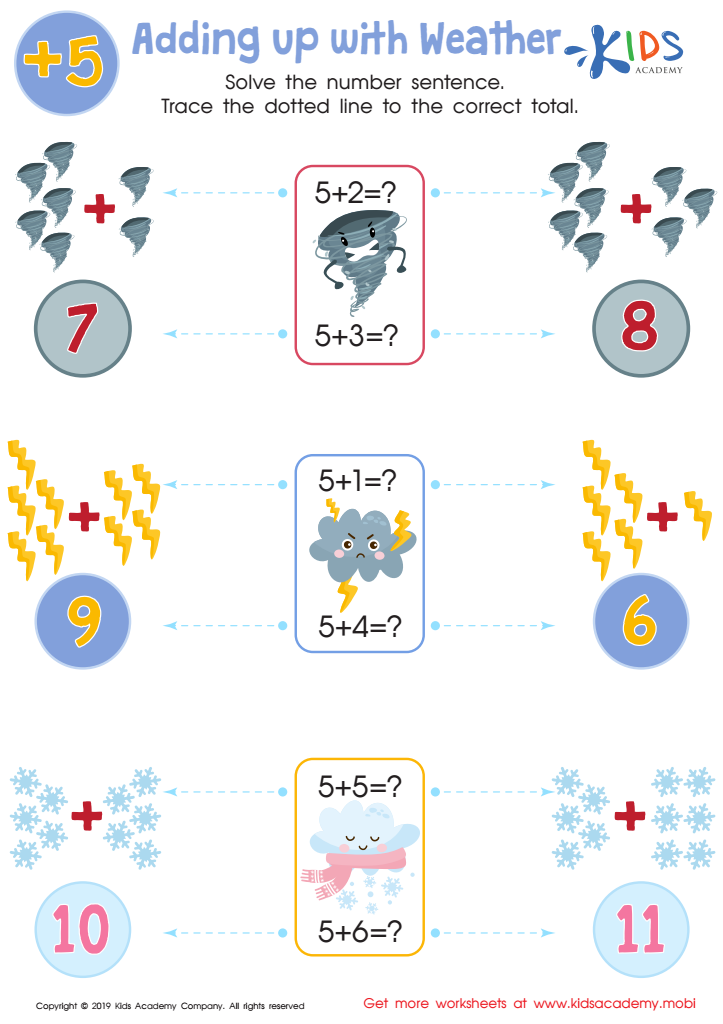
Adding up With Water Worksheet
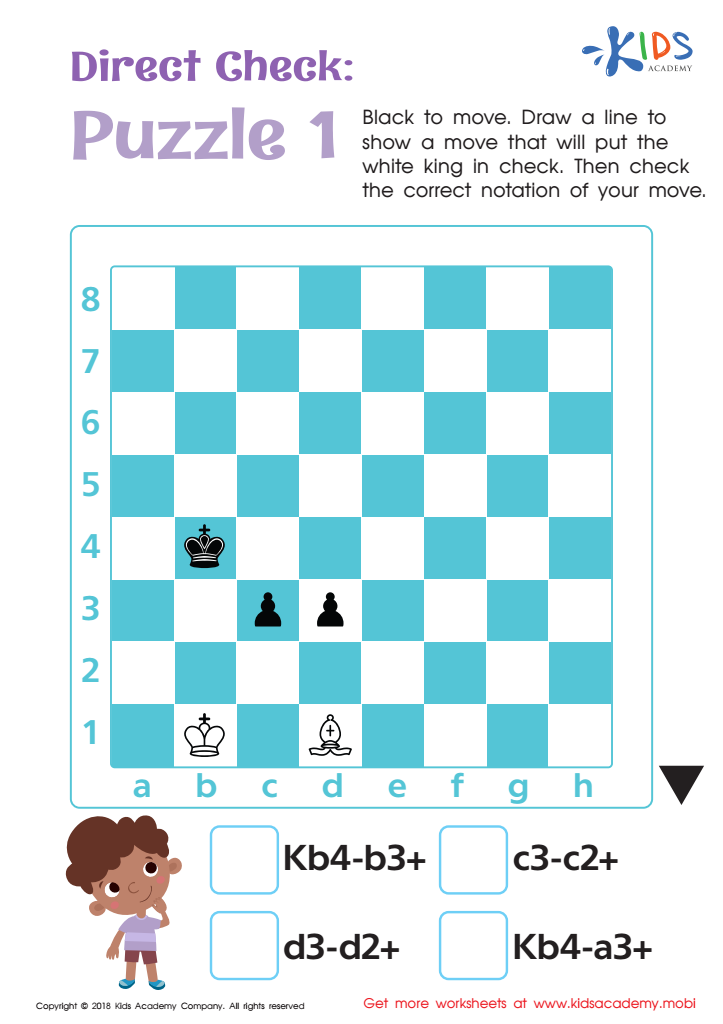
Direct Check: Puzzle 1 Worksheet







Attention to Detail Extra Challenge for ages 6-9 is a vital tool for parents and teachers, as it nurtures critical skills essential for children's cognitive and social development. At this developmental stage, children begin to enhance their observation skills, which are fundamental for problem-solving and learning. Engaging in activities that emphasize attention to detail encourages kids to focus and concentrate longer, fostering patience and perseverance.
Moreover, these challenges often integrate various subjects—such as math and literacy—making learning enjoyable and interdisciplinary. When children learn to spot details, they also enhance their ability to follow instructions and improve their memory.
Encouraging attention to detail early on sets a foundation for academic success, as many higher-level skills rely on the ability to notice variations and nuances. In addition, these challenges help build self-esteem; as children recognize and take pride in their meticulous work, it boosts their confidence.
Furthermore, in an increasingly complex world, the importance of attention to detail cannot be overstated. Teaching children this skill promotes critical thinking and encourages them to approach tasks methodically, fostering lifelong learning habits. Parents and teachers investing time in these early challenges contribute significantly to a child's overall development.








