Critical thinking development Extra Challenge Worksheets for Ages 6-9
5 filtered results
-
From - To
Enhance your child's critical thinking skills with our Extra Challenge Worksheets designed for ages 6-9! These engaging and interactive worksheets feature a variety of fun puzzles, problem-solving activities, and cognitive challenges that encourage young learners to think creatively and analytically. Tailored to complement classroom learning, our worksheets help children develop essential skills such as reasoning, decision-making, and creative thinking. Perfect for home or classroom use, they provide an exciting way to boost critical thinking abilities while building confidence and independence. Transform learning into an enjoyable adventure with our thoughtfully designed worksheets that prepare your child for future academic success!
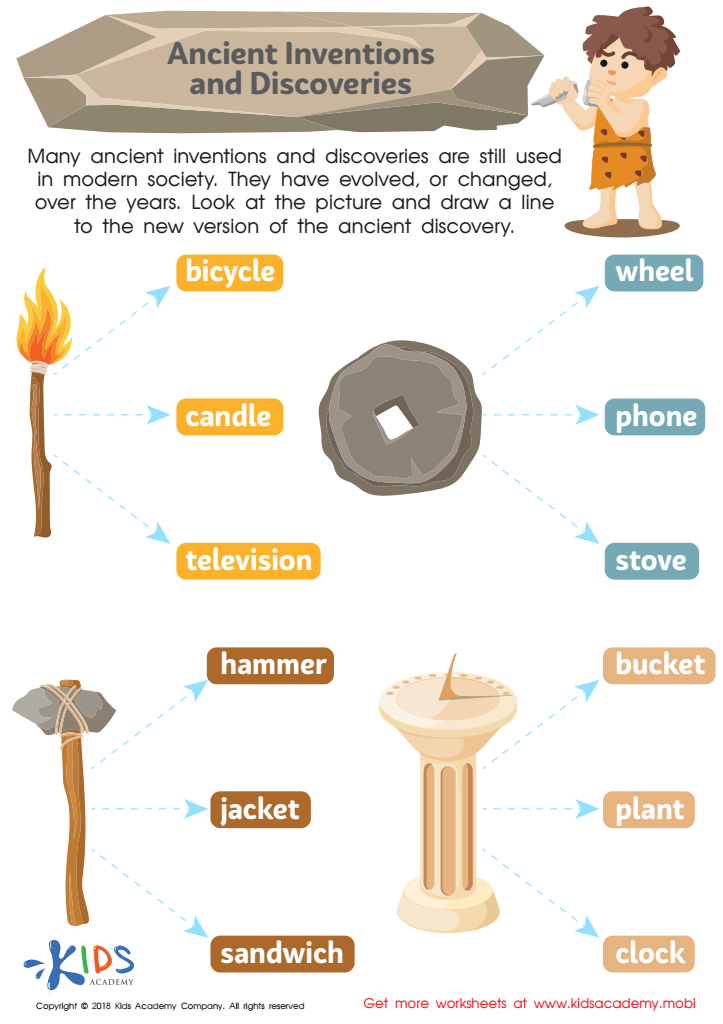
Ancient Inventions and Discoveries Worksheet
 Assign to My Students
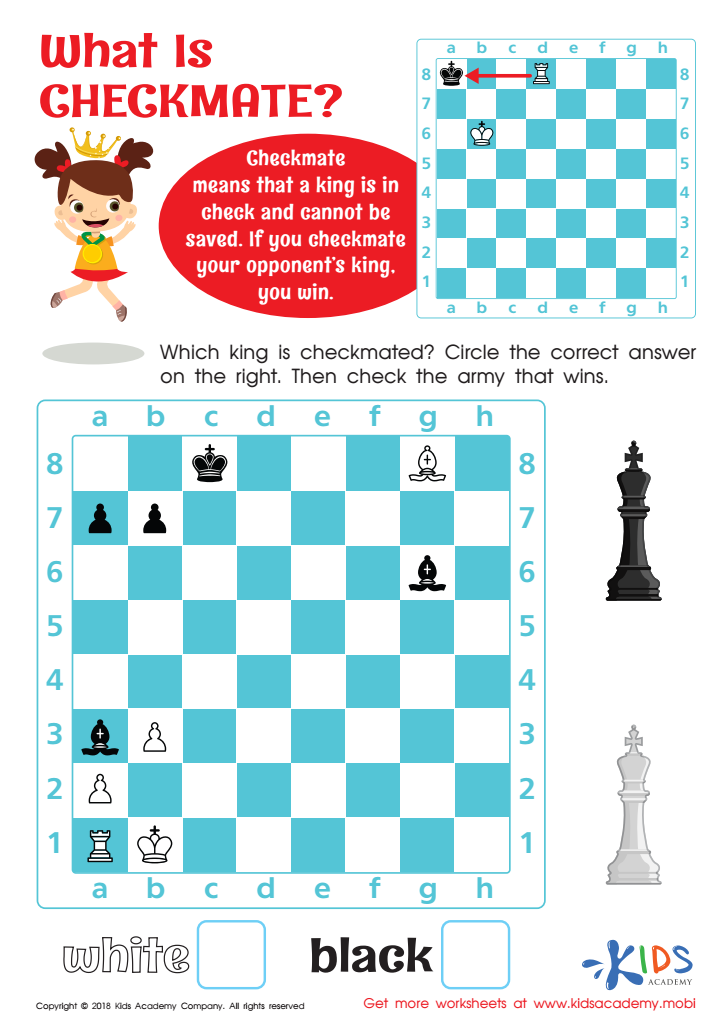
What is Checkmate? Worksheet
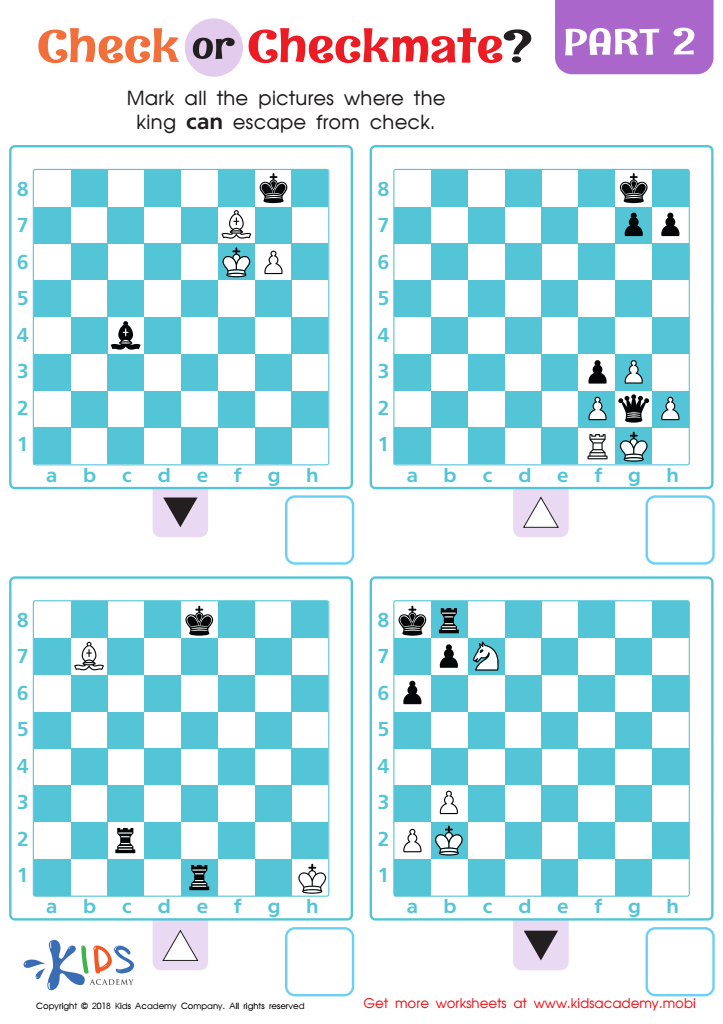
Check or Checkmate: Part 2 Worksheet
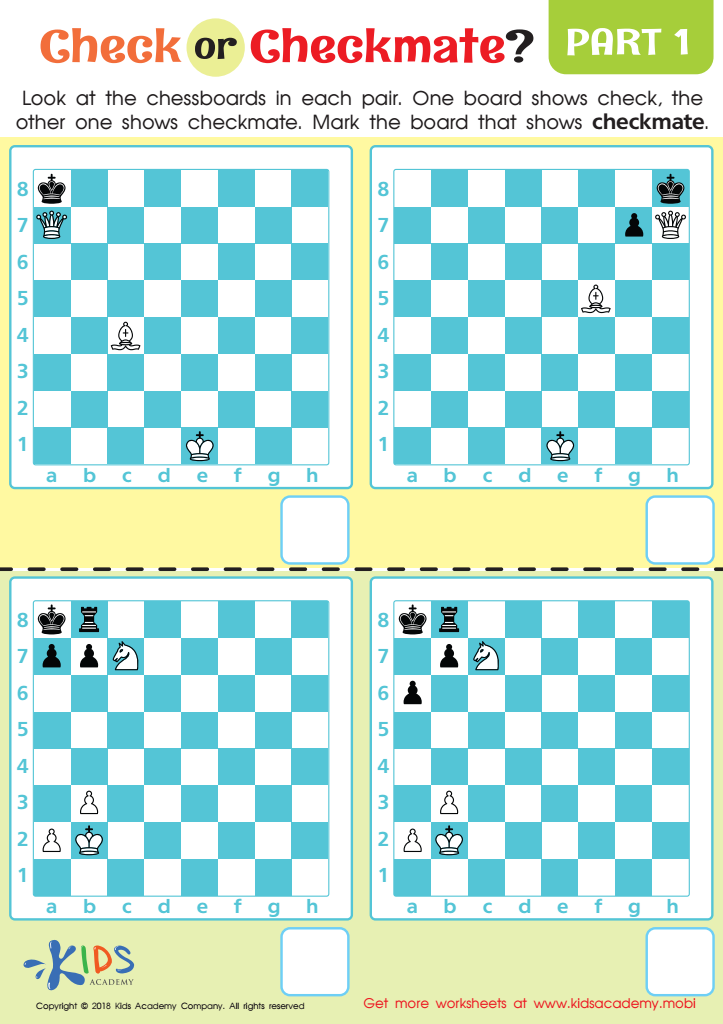
Check or Checkmate: Part 1 Worksheet
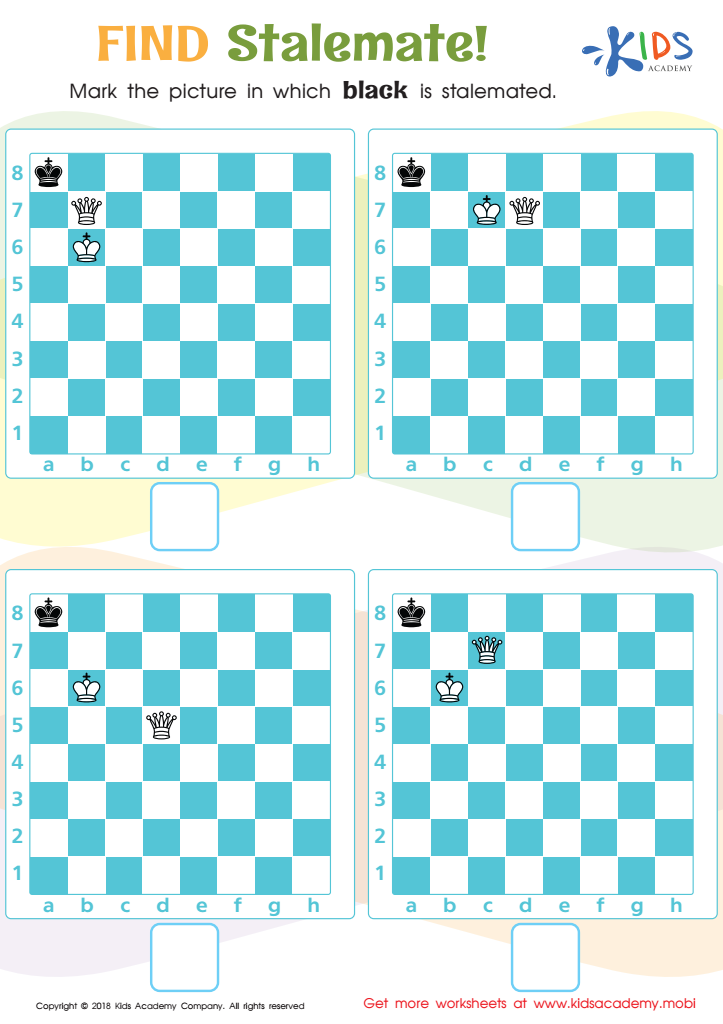
Find Stalemate! Worksheet








Critical thinking development is essential for children aged 6-9, as it lays the foundation for lifelong learning and problem-solving. At this age, children's cognitive abilities are rapidly expanding, and fostering critical thinking skills equips them to analyze information, make decisions, and understand different perspectives. Parents and teachers should care about enhancing these skills because critical thinking encourages creativity and innovation, allowing children to explore ideas freely and develop new solutions to problems.
Moreover, developing critical thinking abilities promotes independence and resilience. As children learn to assess situations and think logically, they grow more confident in their ability to tackle challenges. This self-assurance is crucial in their educational journey and personal lives. It also helps them navigate the expanding world of information, enabling them to discern credible sources from unreliable ones—a vital skill in today’s digital age.
Engaging students in activities that require assessment, evaluation, and reasoning ignites curiosity and a love for learning. Providing opportunities for discussions, debates, and hands-on projects nurtures an environment where critical thinking flourishes. Ultimately, supporting children's critical thinking development not only benefits them academically but also prepares them to become informed, thoughtful citizens in a complex world.








