Logical thinking improvement Extra Challenge Worksheets for Ages 6-9
3 filtered results
-
From - To
Unlock your child’s potential with our "Logical Thinking Improvement Extra Challenge Worksheets" for ages 6-9! These expertly designed worksheets offer stimulating puzzles and activities to boost critical thinking, problem-solving, and reasoning skills. Perfect for curious minds eager for a challenging yet fun learning experience, each sheet encourages independent thinking and logical analysis. Ideal for supplemental education at home or in the classroom, these worksheets lay a strong foundation for future academic success and everyday decision-making. Encourage your young learner to excel with our engaging and educational worksheets today!
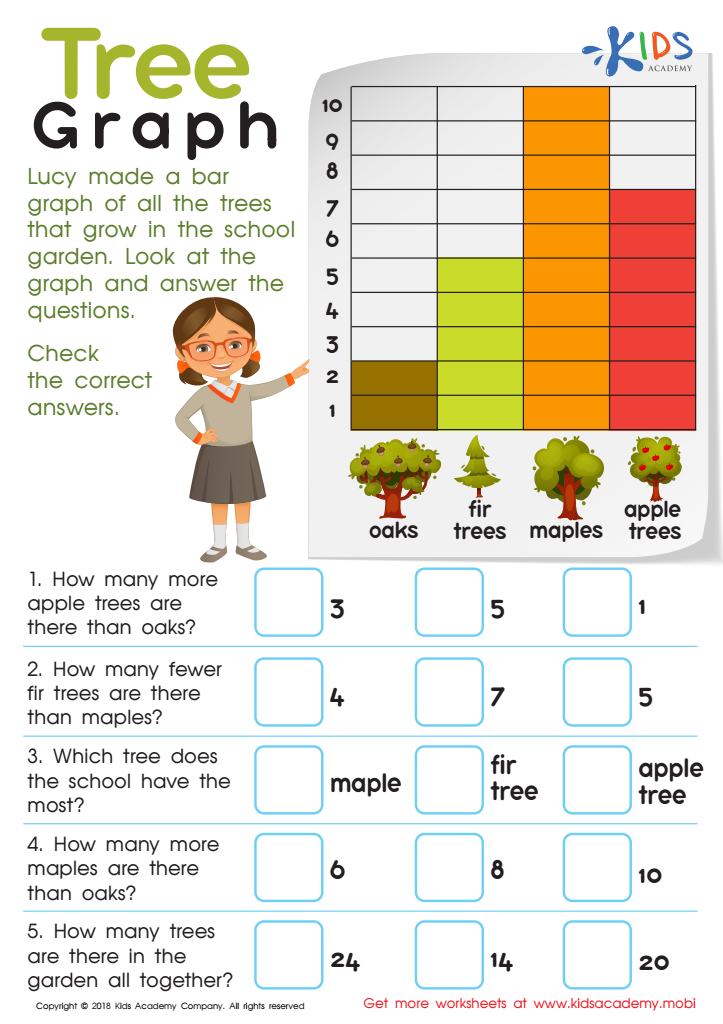
Tree Graph Worksheet
 Assign to My Students
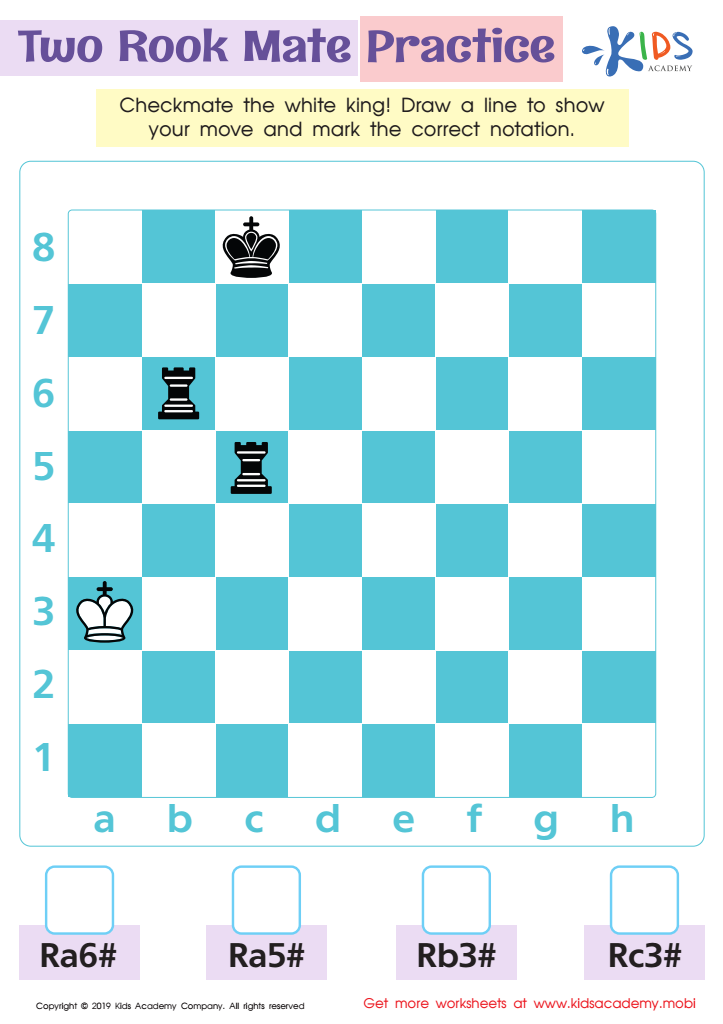
Two Rook Mate Practice Worksheet
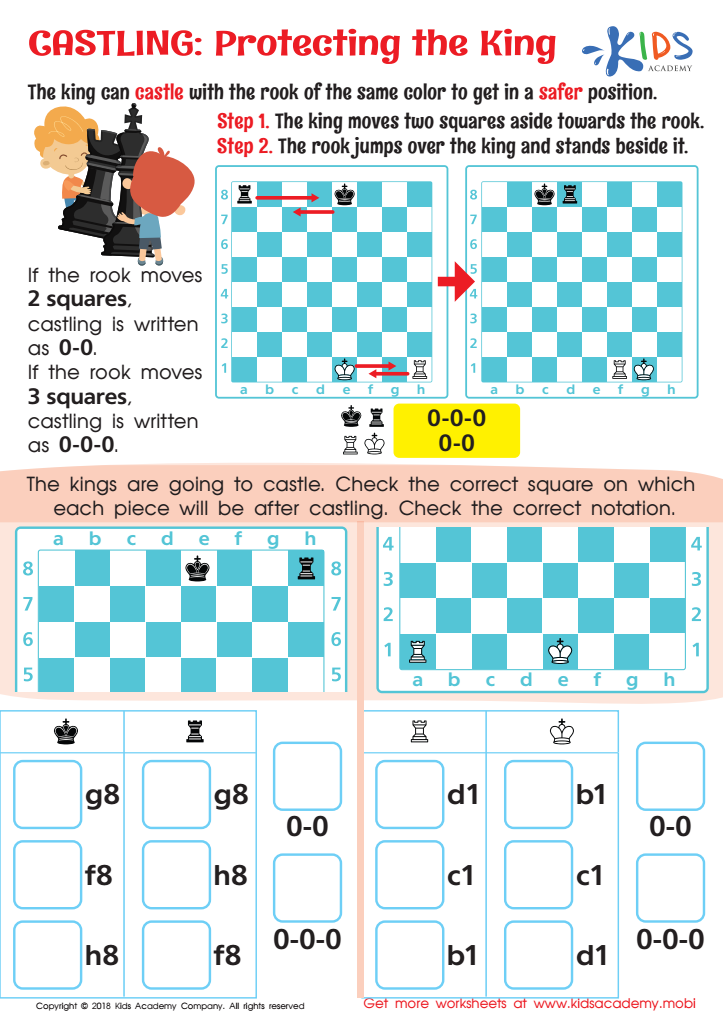
Castling: Protecting the King Worksheet






Logical thinking is a fundamental aspect of cognitive development in children ages 6-9, serving as the building blocks for problem-solving, decision-making, and learning across all subjects. By fostering an environment that encourages logical thinking, parents and teachers can significantly enhance a child's intellectual growth and academic success.
One crucial reason to focus on logical thinking at this age is that it promotes critical thinking skills. Young children learn to approach problems systematically, interpret data, and make reasoned decisions. This skill set is necessary not only for math and science but also for reading comprehension, writing, and even social interactions. Logical puzzles and challenges cultivate patience and persistence, teaching children to tackle problems with confidence rather than fear.
Moreover, improving logical thinking supports creativity. As children grasp the principles of logic, they can then apply them innovatively to new and diverse situations. For example, logical thinking helps in understanding narrative structures in stories, sequencing events, and perceiving causality, all of which are essential for imaginative play and storytelling.
Finally, early aptitude in logical thinking forms a strong foundation for more advanced subjects encountered later in education, such as algebra and computer programming. By nurturing these skills early, parents and teachers set children on a path towards lifelong learning, better academic performance, and successful problem-solving in everyday life.








