Visual Learning Extra Challenge Worksheets for Ages 6-9
3 filtered results
-
From - To
Discover our "Visual Learning Extra Challenge Worksheets for Ages 6-9," designed to boost cognitive skills through engaging and colorful activities. These worksheets encourage young learners to improve their observational abilities, pattern recognition, and critical thinking through fun challenges. Perfect for home or classroom use, these materials provide stimulating exercises that foster creativity while reinforcing key visual learning concepts. Suitable for various skill levels, the worksheets are easy to print and integrate seamlessly into any curriculum. Give your children the extra challenge they need to enhance their learning experience and boost their confidence in visual literacy. Explore and watch them thrive!
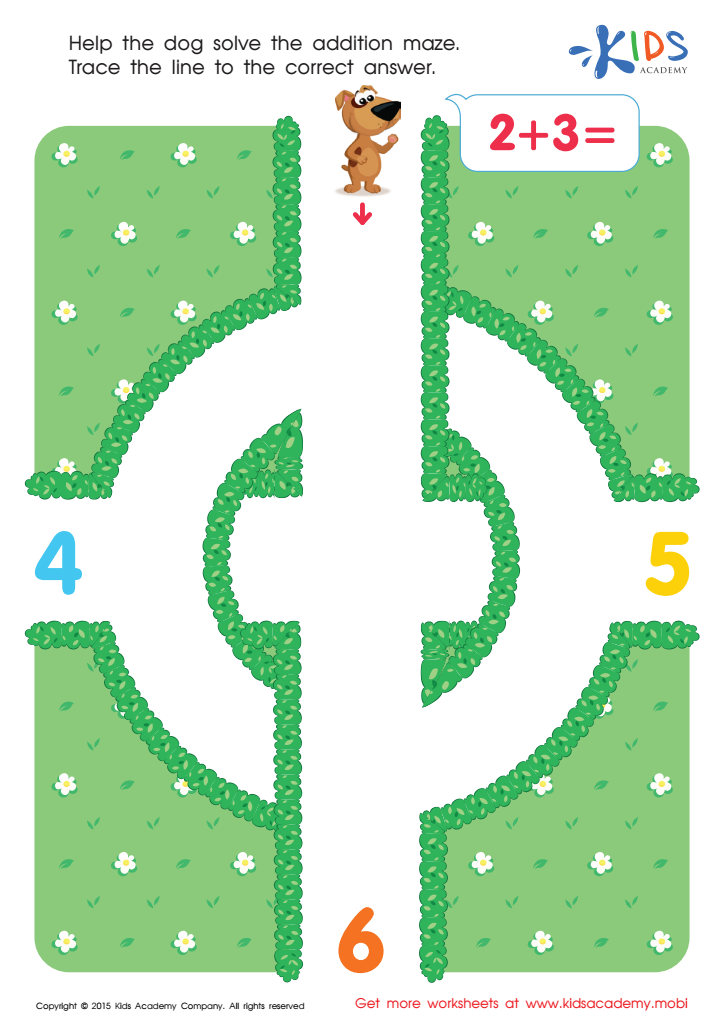
Two And Three Addition Worksheet
 Assign to My Students
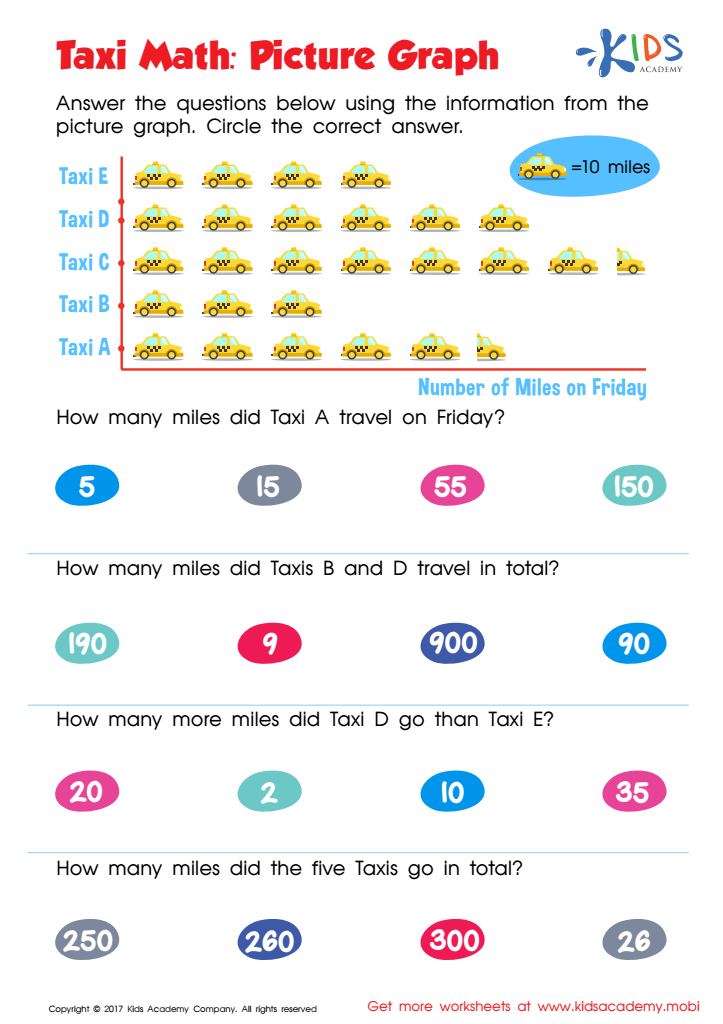
Taxi Math Worksheet
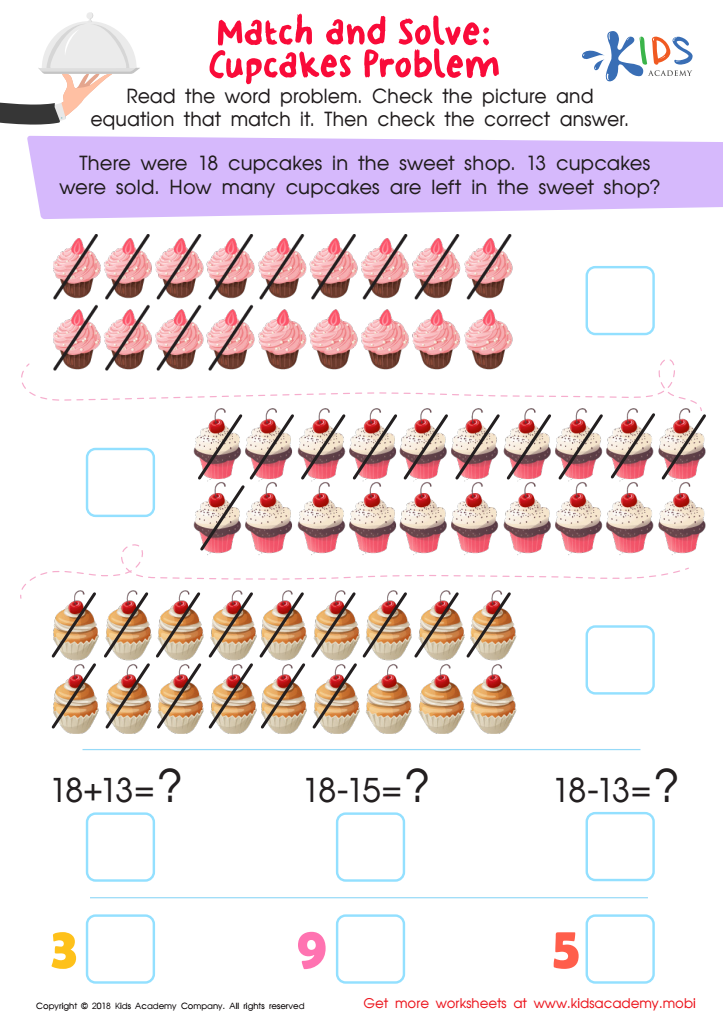
Match and Solve: Cupcakes Problem Worksheet



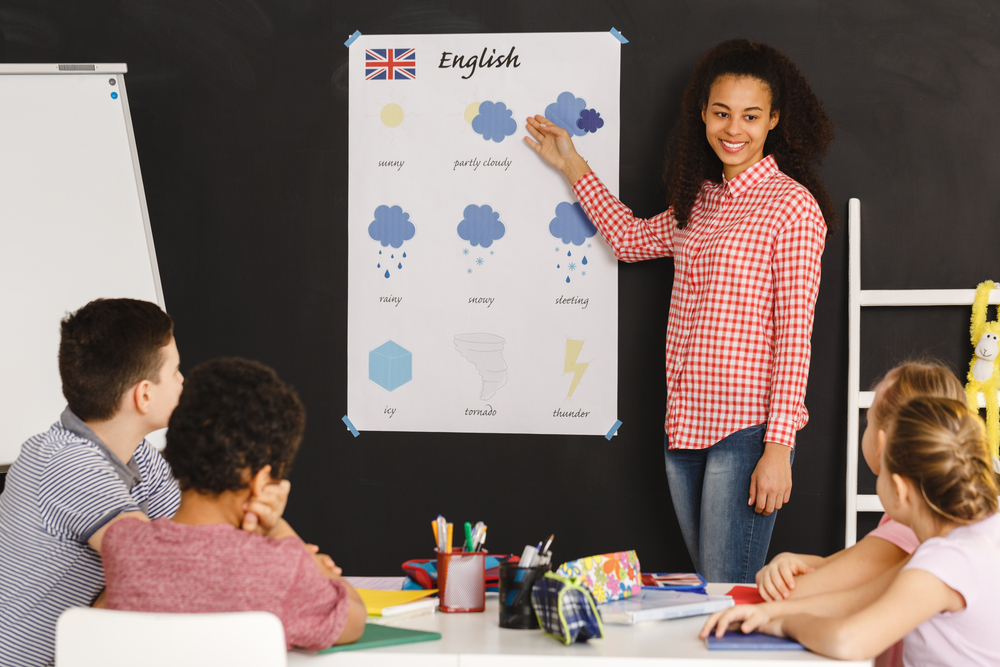



Visual Learning Extra Challenge for Ages 6-9 is crucial for both parents and teachers as it fosters a deeper understanding and retention of information through engaging, visual methods. At this stage of development, children are more responsive to visual stimuli, making it an opportune time to enhance their learning experiences. This program encourages critical thinking and problem-solving skills by employing diagrams, charts, and graphics, which not only convey complex concepts more effectively but also cater to different learning styles.
By emphasizing visual learning, parents and teachers can support children's cognitive development, helping them organize and synthesize information and encouraging creativity. Furthermore, engaging with visual materials can make learning more enjoyable, increasing motivation and participation. This approach also lays the foundation for future learning, equipping children with essential skills they will carry into higher grade levels.
Additionally, utilizing visually stimulating resources can help bridge gaps for children who may struggle with traditional methods of instruction. For parents and teachers taking an active role in endorsing visual learning, they are investing in their child’s success and fostering a lifelong love of learning. Ultimately, nurturing diverse learning preferences ensures each child can thrive in an ever-evolving educational landscape.








