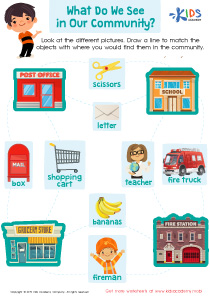
Time reading skills Extra Challenge Time Worksheets for Ages 6-9
5 filtered results
-
From - To
Boost your child's time-reading skills with our "Extra Challenge Time Worksheets" designed for ages 6-9! These engaging, printable worksheets from Kids Academy offer an exciting way for young learners to practice telling time. Our activities range in difficulty, ensuring kids build confidence while mastering concepts like hours, minutes, and time sequences. Perfect for enhancing math proficiency, these thoughtfully crafted exercises aid in developing accuracy and speed. Suitable for both at-home practice and classroom use, our worksheets make learning time fun and interactive. Explore our collection now and watch your child's time-reading skills soar!
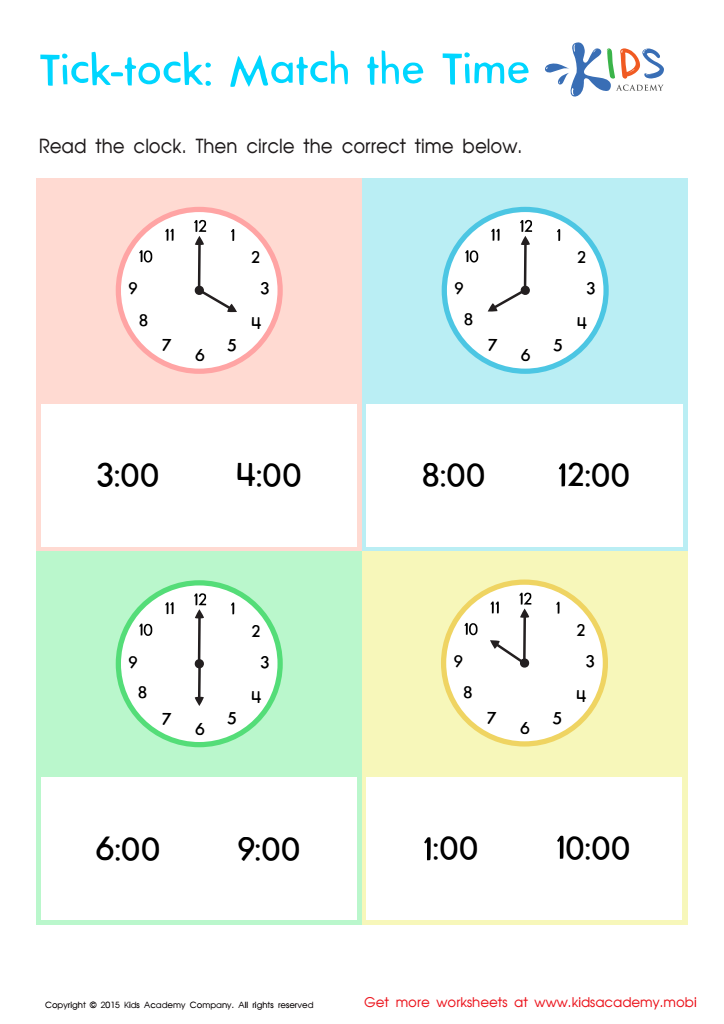
Telling The Time Worksheet: Part 4
 Assign to My Students
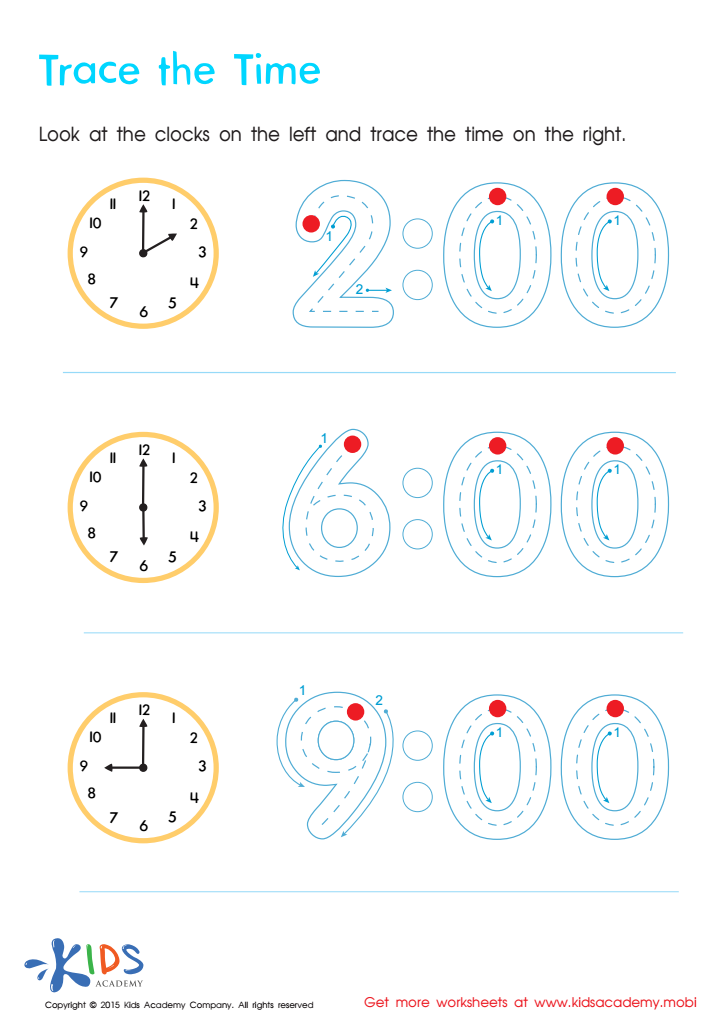
Telling The Time Worksheet: Part 2
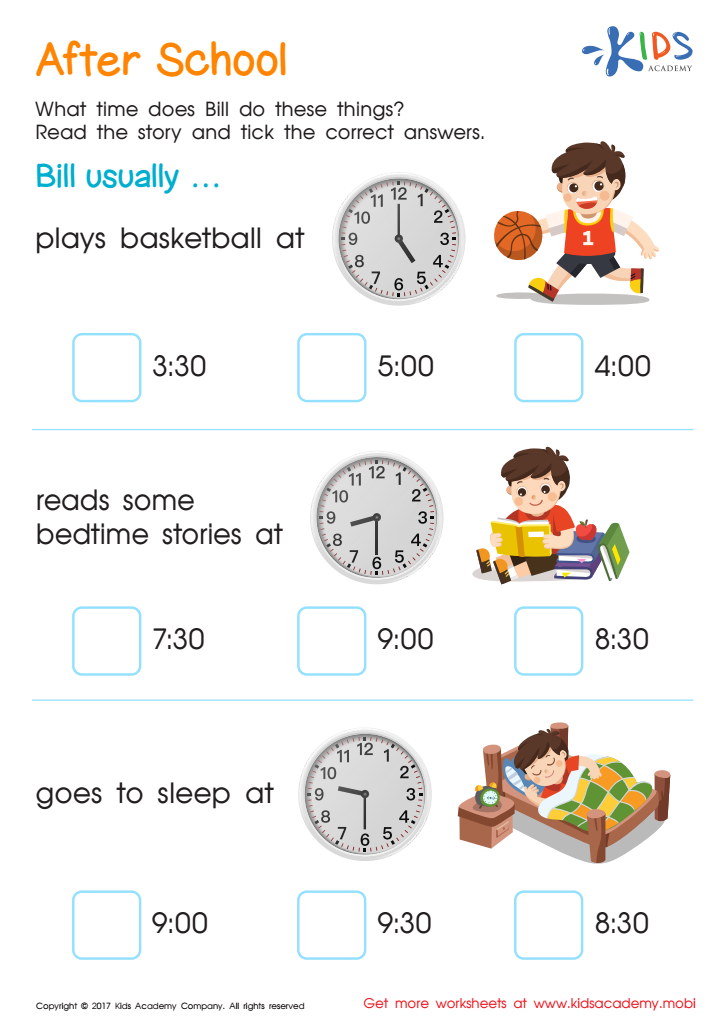
After School Time Printable
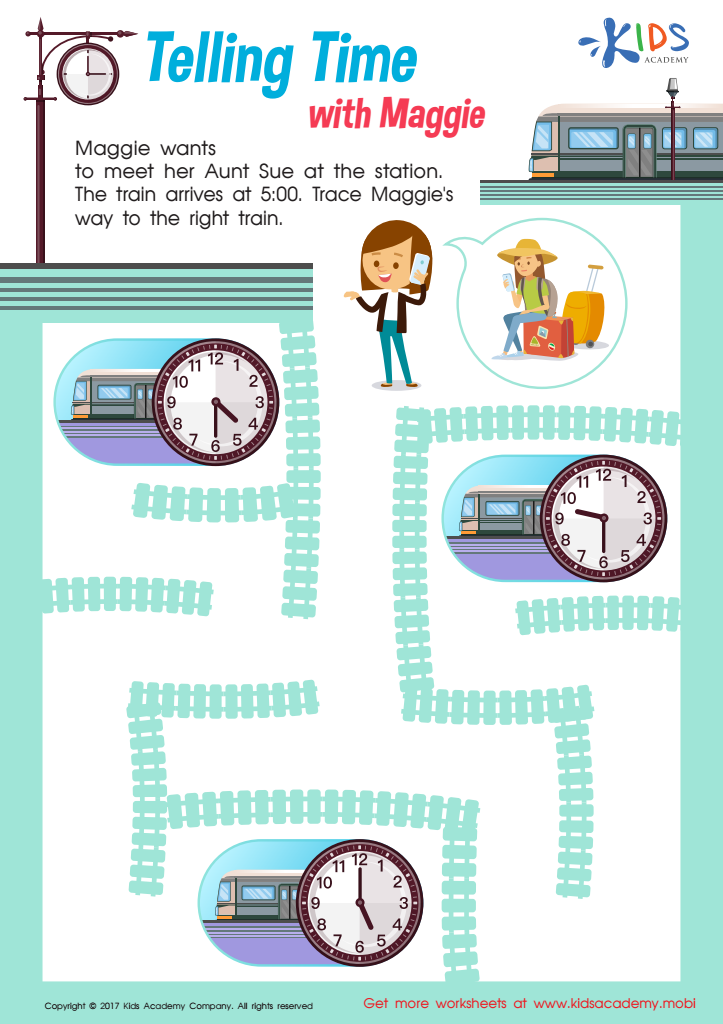
Telling Time With Maggie Time Worksheet
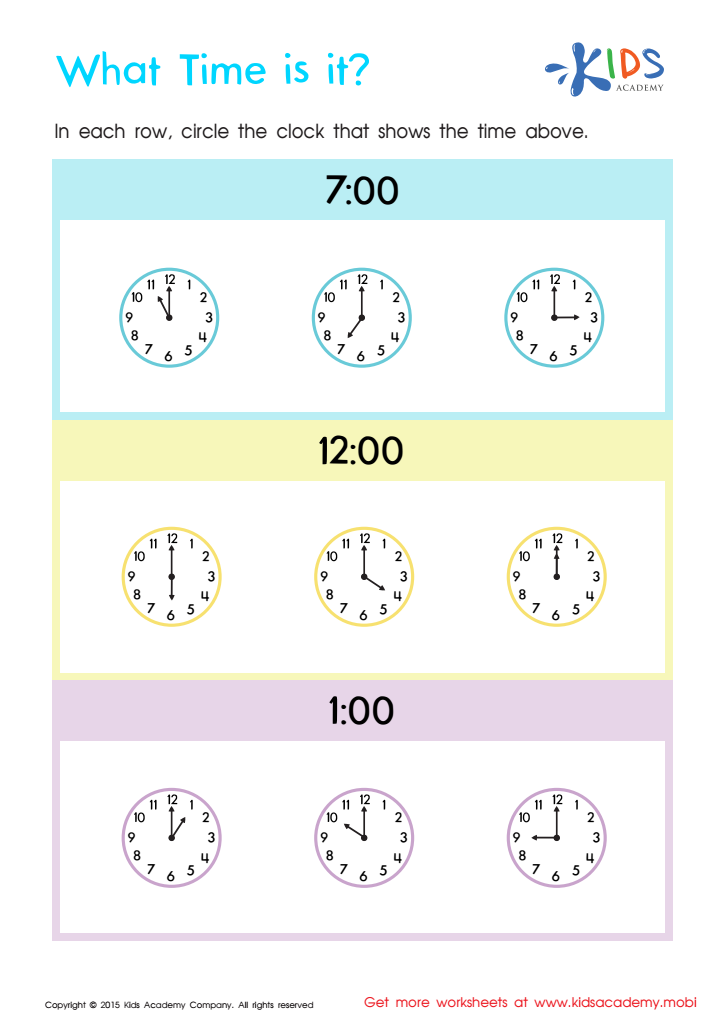
Telling The Time Worksheet: Part 3








Time reading skills are a crucial component of early education for children aged 6-9. At this developmental stage, children are rapidly acquiring foundational skills that will shape their future learning experiences. Mastering the concept of time through an added challenge not only enhances their cognitive abilities but also lays the ground for essential life skills. When parents and teachers prioritize extra challenge time for time-reading skills, they are fostering a child's ability to organize and plan their day, recognize patterns, manage their tasks, and improve problem-solving skills.
Moreover, understanding time improves math skills by teaching children how to compare intervals, calculate durations, and grasp sequencings, such as first, next, and last. This awareness bolsters their numerical literacy and prepares them for more complex mathematical concepts. Furthermore, reading and interpreting the clock strengthens their attention to detail and critical thinking.
Additionally, fortifying time-reading skills cultivates independence and responsibility, as children start recognizing deadlines and scheduling tasks efficiently. Socially, they become punctual and reliable individuals. Therefore, by dedicating extra effort to enhance these skills, parents and teachers are investing in a child's comprehensive academic growth and life readiness. This preparation will benefit children profoundly as they progress through their educational journey and daily lives.