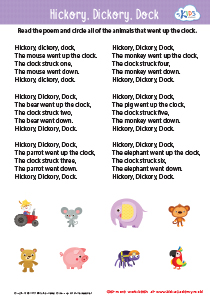
Vocabulary enhancement Extra Challenge Building Vocabulary Worksheets for Ages 6-9
6 filtered results
-
From - To
Unlock the power of words with our Vocabulary Enhancement Extra Challenge Worksheets, designed specifically for children aged 6-9! These engaging and fun printables are perfect for enhancing vocabulary skills, enabling young learners to explore new words and concepts. Each worksheet is crafted to stimulate critical thinking and creativity, featuring a variety of activities such as matching, identifying synonyms, and completing sentences. Ideal for classroom use or at-home learning, these worksheets help build a strong foundation in language arts while ensuring hours of educational fun. Join us in making vocabulary building an exciting adventure for your little ones!
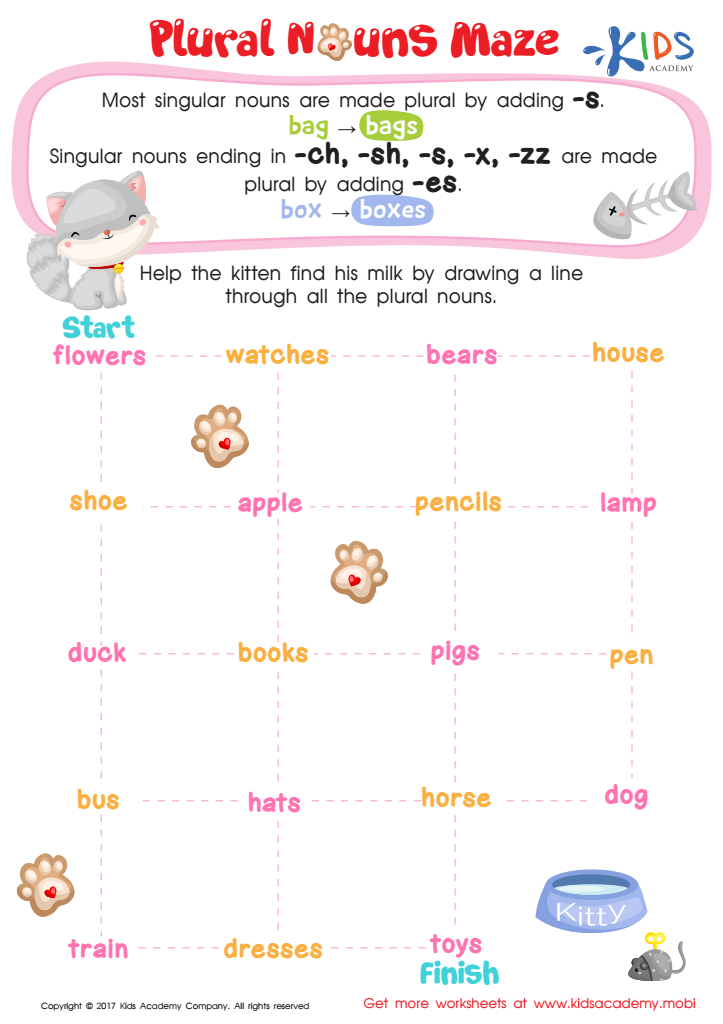
Plural Nouns Maze Worksheet
 Assign to My Students











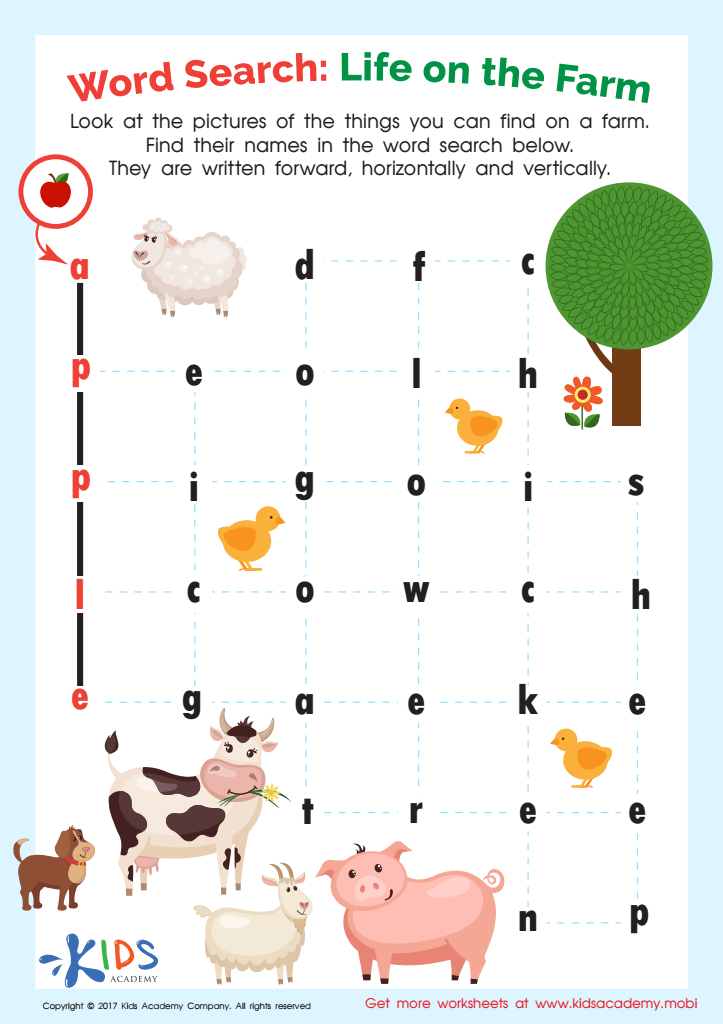
Word Search Puzzles Worksheet
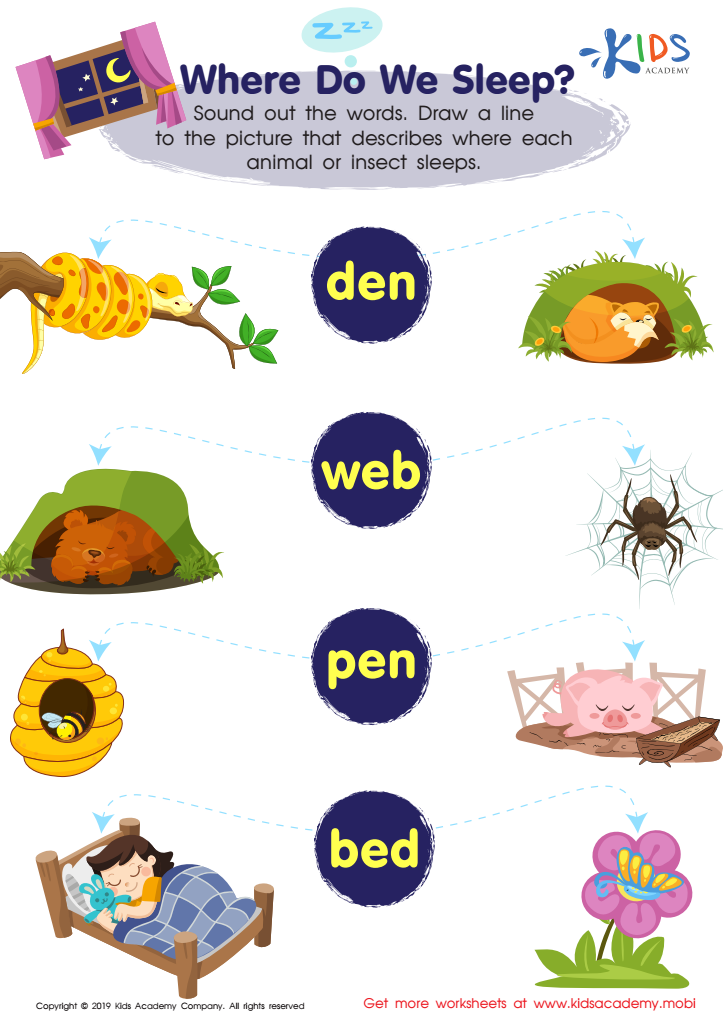
Where Do We Sleep Worksheet
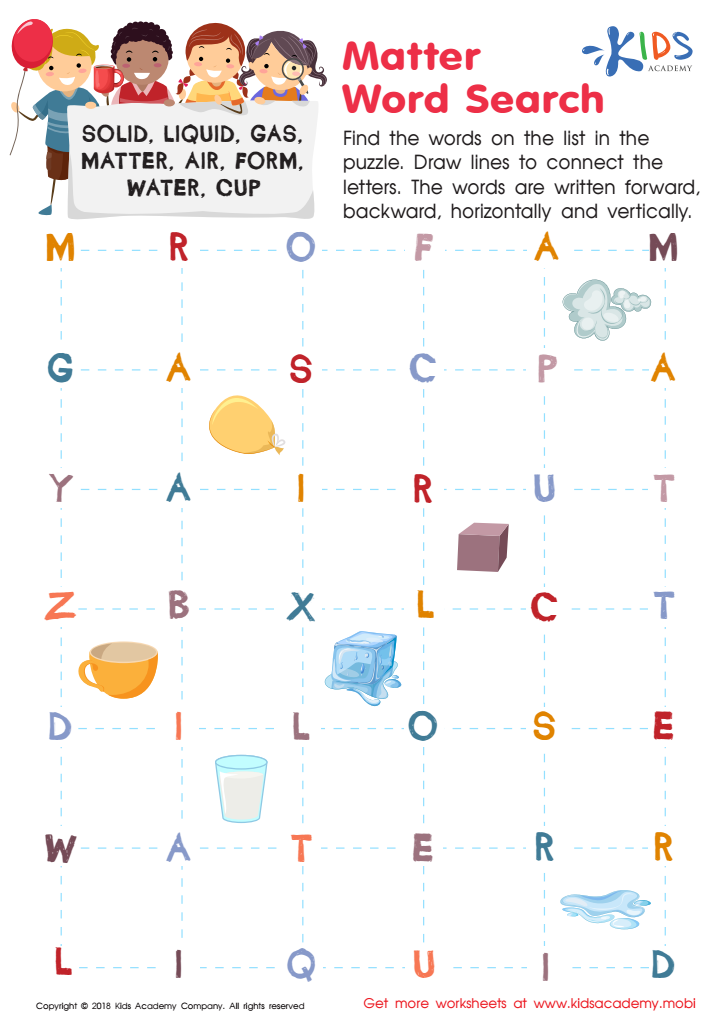
Matter Word Search Worksheet
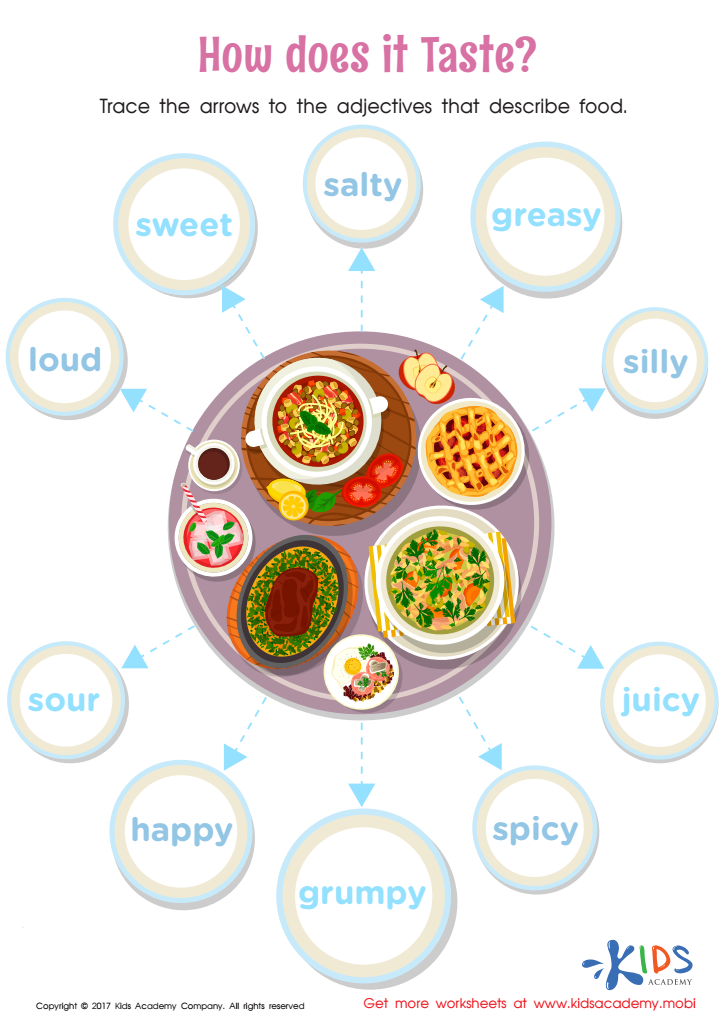
Food Adjectives Worksheet
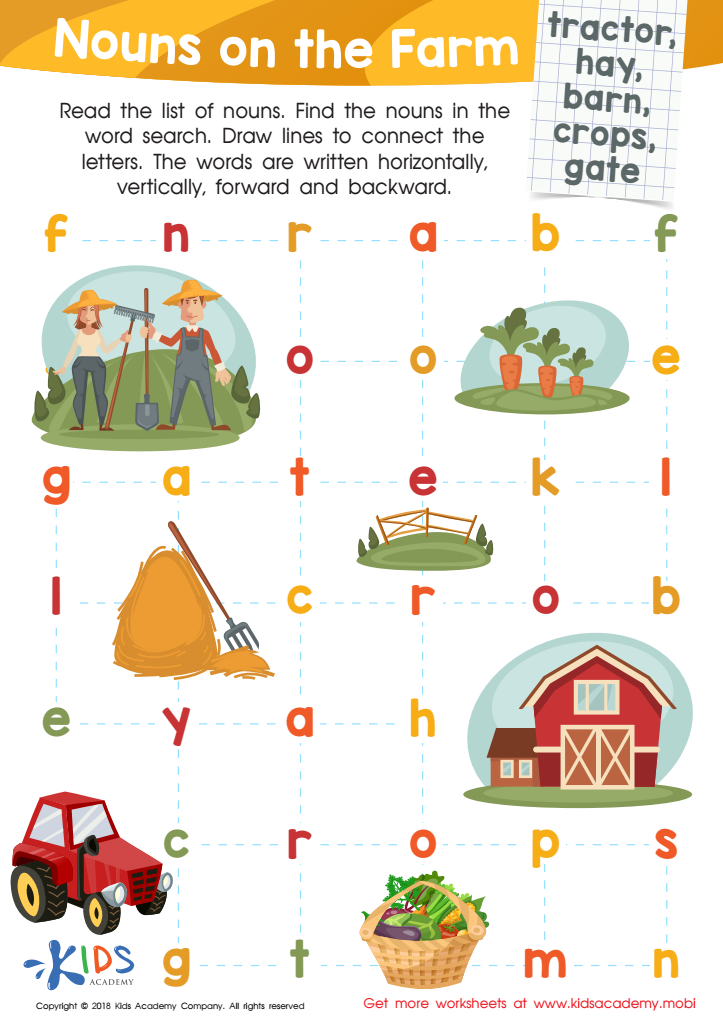
Nouns on the Farm Worksheet




.jpg)



Vocabulary enhancement is crucial for children aged 6-9 as it forms the foundation for their overall literacy skills, academic achievement, and communication abilities. During these formative years, children's vocabularies expand rapidly, making it an ideal time for parents and teachers to introduce new words and concepts. Enhanced vocabulary directly correlates with better reading comprehension and writing skills, empowering children to express their thoughts clearly and have richer conversations.
By participating in extra challenges designed for vocabulary building, children engage actively with language, making learning enjoyable and relevant. Such activities encourage curiosity and foster a love for words, allowing children to absorb language naturally while having fun. This investment in vocabulary development also promotes critical thinking and creates connections between words, enhancing cognitive skills.
Moreover, a robust vocabulary helps children feel more confident in expressing themselves, both academically and socially. For parents and teachers, supporting vocabulary enhancement not only improves educational outcomes but also prepares children for future learning challenges. By recognizing the value of vocabulary development, adults play a key role in nurturing well-rounded, expressive individuals, who can thrive in diverse environments both in school and beyond.