Alphabet Recognition Extra Challenge ABC Letters Worksheets for 6-Year-Olds
3 filtered results
-
From - To
Boost your child's alphabet recognition skills with our fun and engaging "Alphabet Recognition Extra Challenge ABC Letters Worksheets" designed specifically for 6-year-olds! These worksheets offer interactive activities that promote letter identification, sound correlation, and writing practice in a playful way. Each worksheet is designed to challenge young learners, enhancing their understanding of both uppercase and lowercase letters. Plus, they’ll sharpen their fine motor skills as they trace, color, and participate in memorable learning games. Perfect for parents and educators, these worksheets provide an effective and enjoyable approach to mastering the ABCs. Get started today and watch your child's literacy skills soar!
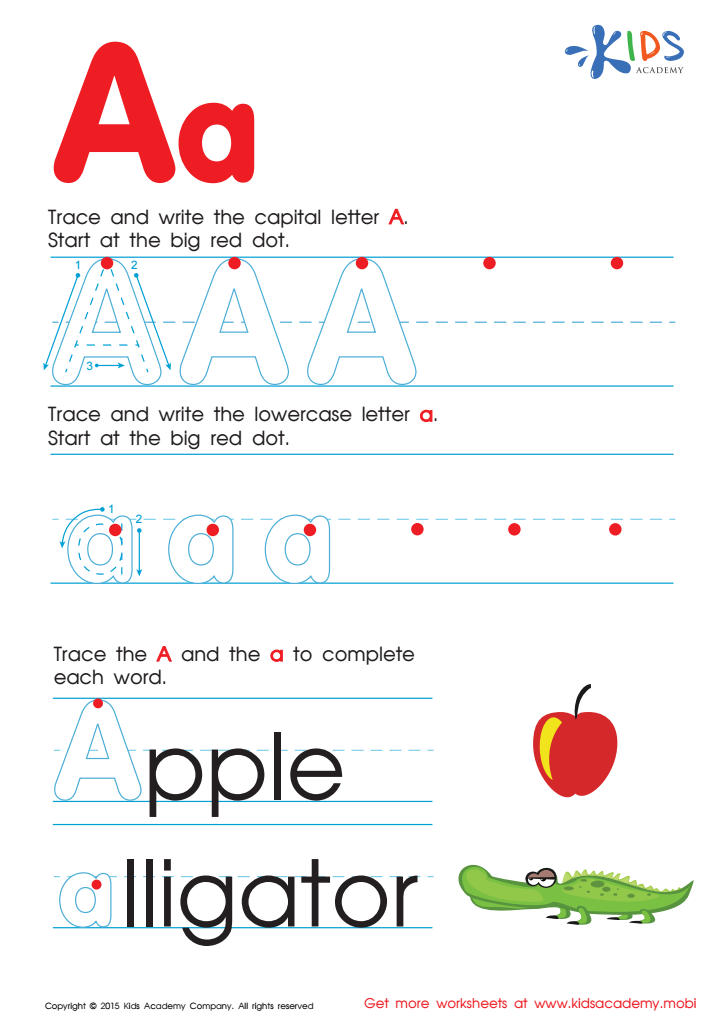
Letter A Tracing Page
 Assign to My Students










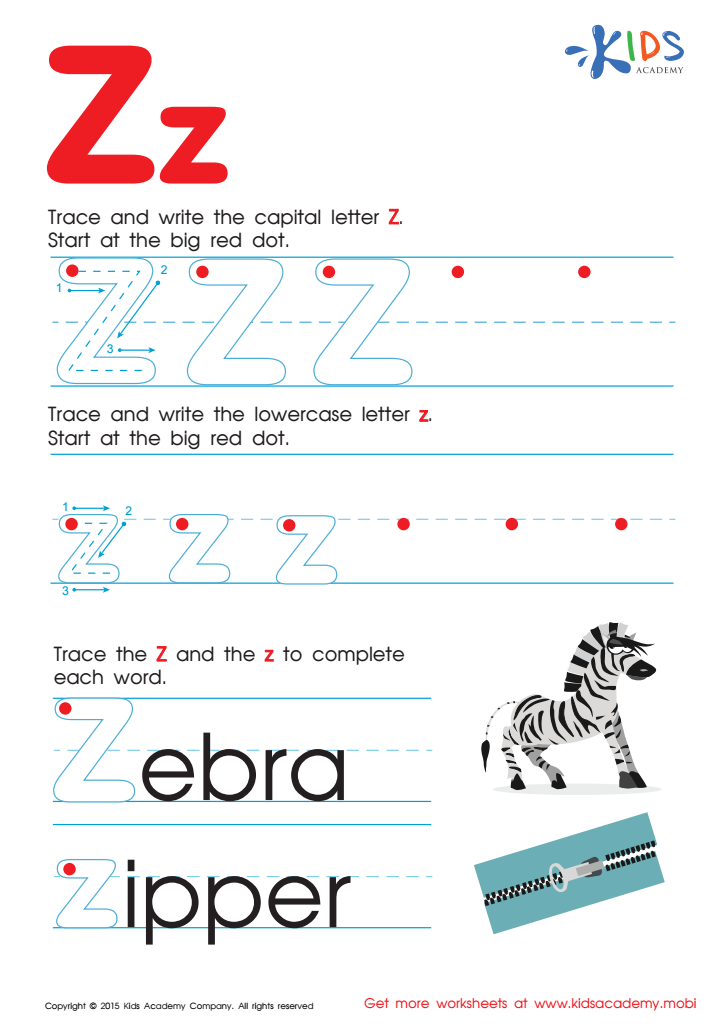
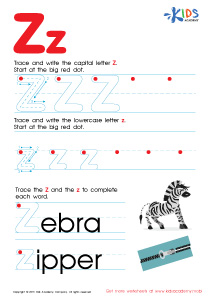
Letter Z Tracing Page
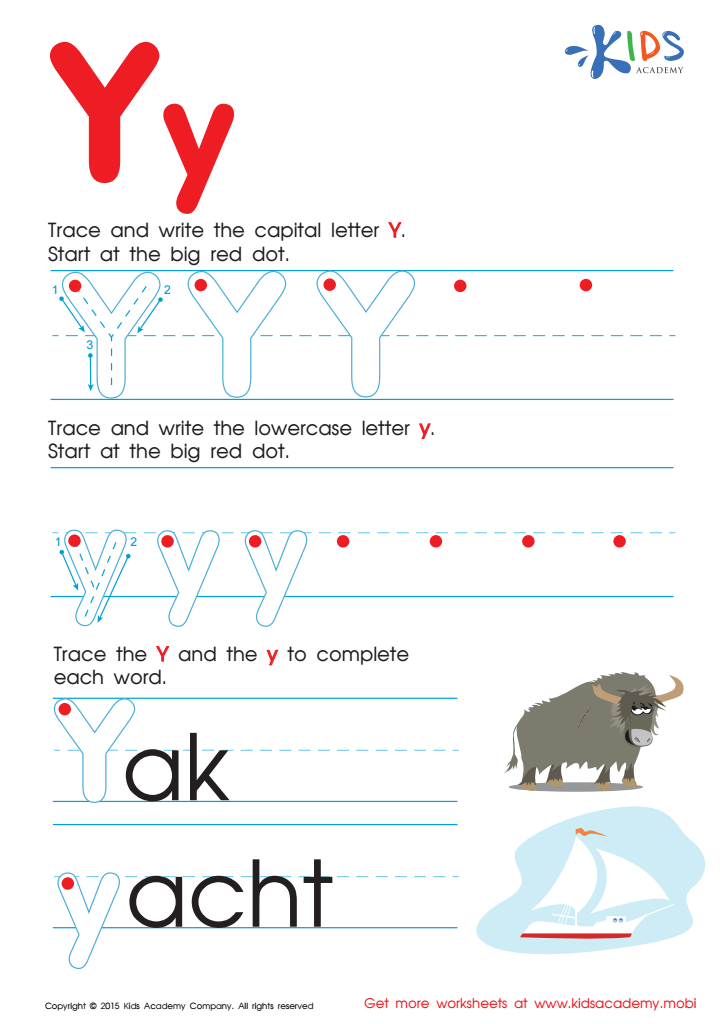
Letter Y Tracing Page








Alphabet recognition is a fundamental skill for early learners, laying the groundwork for reading and language development. The "Alphabet Recognition Extra Challenge ABC Letters" for 6-year-olds is particularly crucial for several reasons.
Firstly, at this age, children are beginning to read independently, and a solid grasp of the alphabet is vital. Engaging in extra challenges promotes enthusiasm for learning and helps solidify their understanding of letter sounds, shapes, and names. This proficiency is essential for future literacy skills, impacting their overall academic success.
Secondly, such activities can stimulate critical thinking and problem-solving skills. By presenting letters in diverse forms or contexts, children learn to associate letters with sounds consistently, enhancing phonemic awareness. This extra challenge encourages exploration and curiosity, traits integral to lifelong learning.
Finally, parents and teachers play a significant role in fostering a supportive learning environment. Encouraging participation in alphabet challenges can strengthen parent-child bonds and enrich classroom dynamics. Supportive adult involvement also boosts children’s motivation and confidence, crucial for their educational journey. Understanding the importance of engaging these skills early ensures that children are set up for future academic achievement and instills a love for learning that can carry over into other subjects.