Handwriting practice Extra Challenge Letter Recognition Worksheets for 6-Year-Olds
5 filtered results
-
From - To
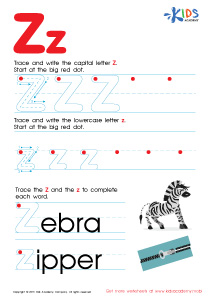
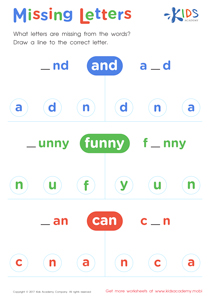
Enhance your child's letter recognition and handwriting skills with our "Handwriting Practice Extra Challenge Letter Recognition Worksheets" designed specifically for 6-year-olds. These engaging worksheets offer a fun and interactive way to practice both uppercase and lowercase letters. Each challenge encourages kids to trace, write, and identify letters through various activities, building their confidence and literacy foundation. Perfect for at-home or classroom use, these worksheets align with early learning standards, making learning enjoyable. Help your young learner develop essential skills while embracing the joy of writing and recognizing letters. Download our worksheets today and watch their progress soar!
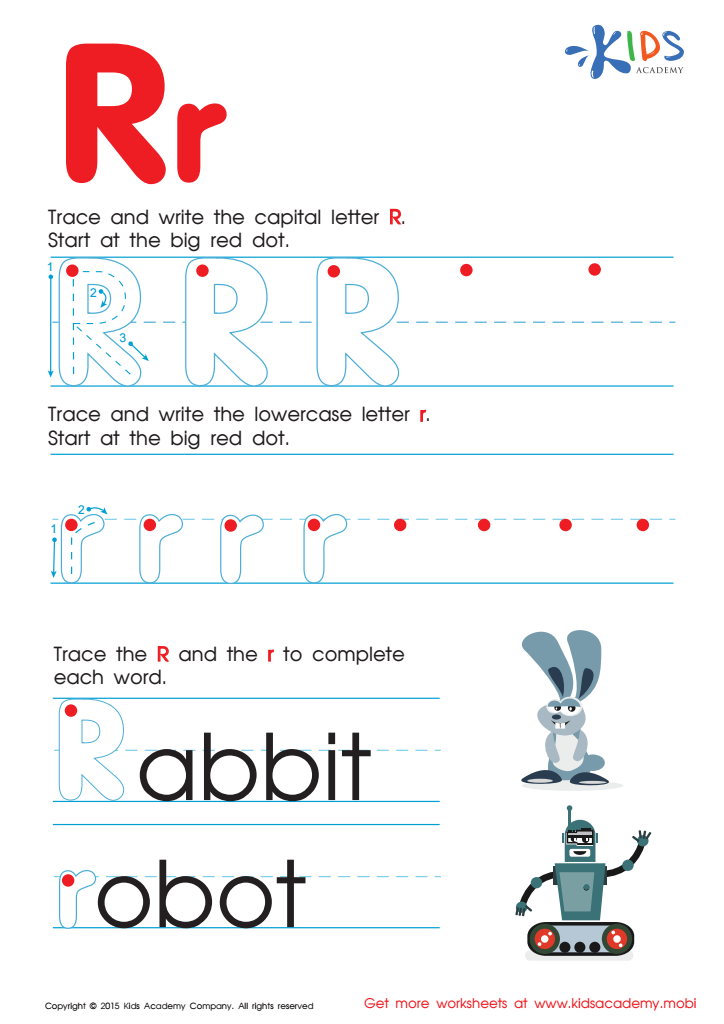
Letter R Tracing Page
 Assign to My Students
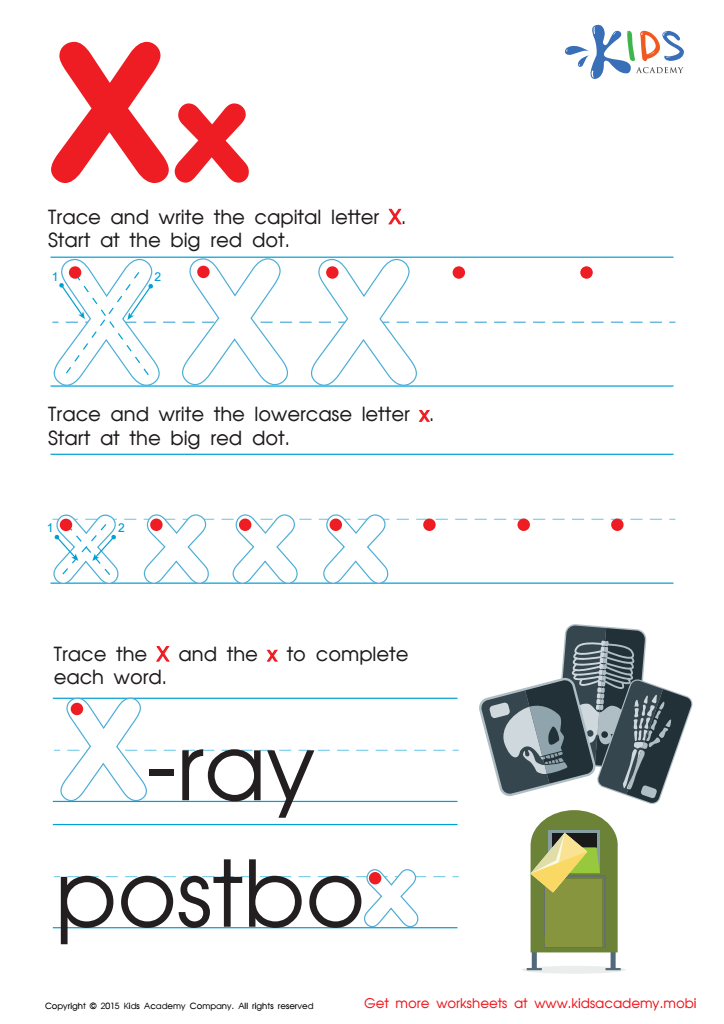
Letter X Tracing Page
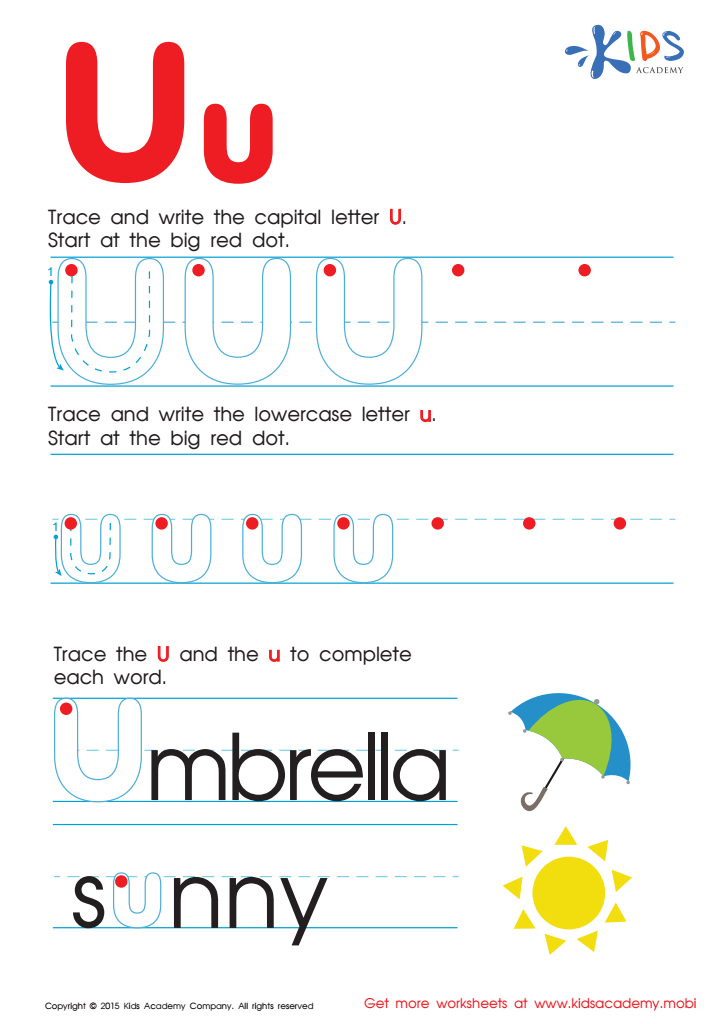
Letter U Tracing Page
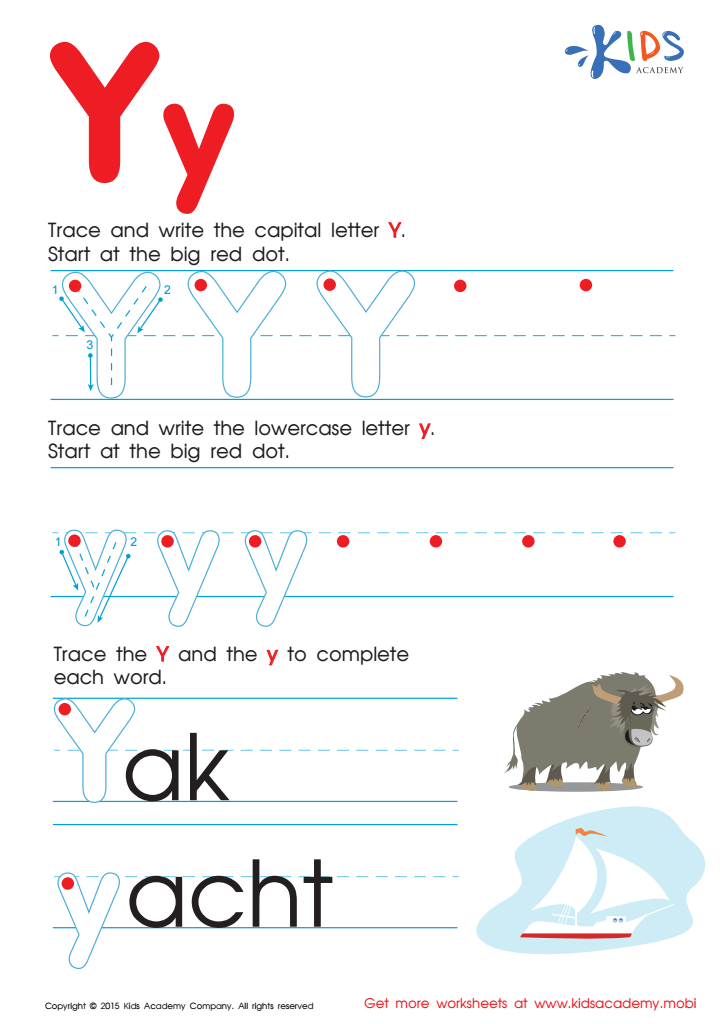
Letter Y Tracing Page
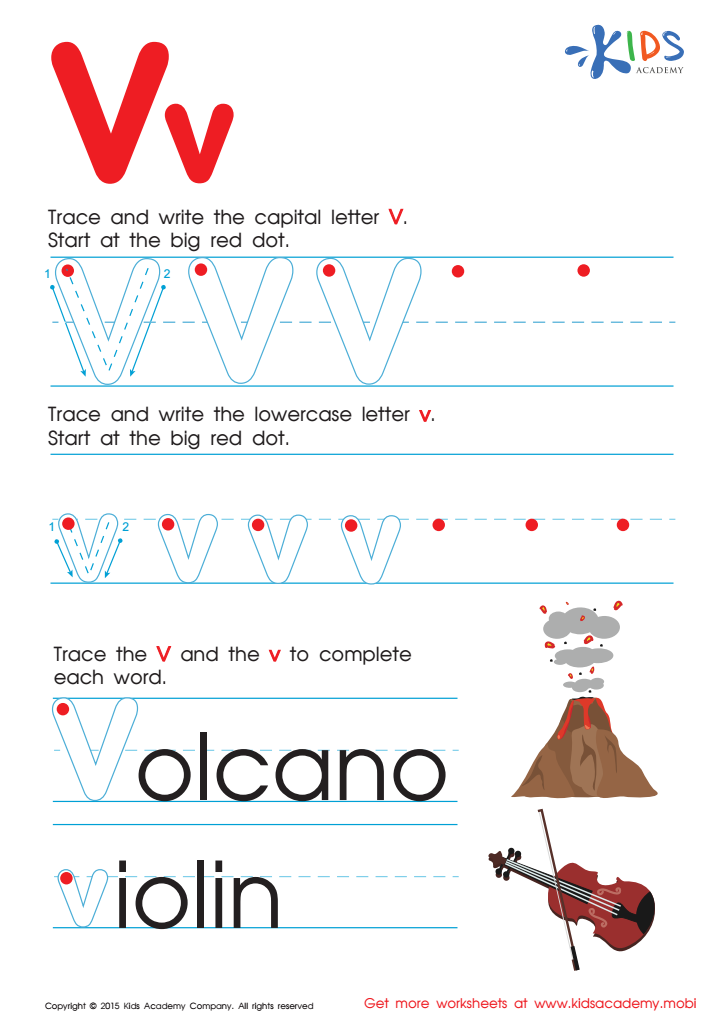
Letter V Tracing Page








Handwriting practice and letter recognition are crucial skills for 6-year-olds, laying the foundation for literacy and academic success. As children transition from preschool to primary school, their ability to recognize letters and form them correctly becomes increasingly important for reading and writing development.
Handwriting practice helps improve fine motor skills, coordination, and muscle memory in young learners. As they practice, they develop confidence in their ability to express themselves through writing, which can foster a lifelong love for learning. Furthermore, good handwriting is essential for conveying thoughts clearly; illegible writing can lead to misunderstandings and frustration.
Extra challenges in letter recognition encourage children to explore and engage with the alphabet in a fun and interactive way. This helps strengthen cognitive connections and enhance vocabulary, paving the way for reading fluency. Parents and teachers play a vital role in promoting these activities, practicing alongside children, and creating supportive environments for exploration and creativity.
Ultimately, prioritizing handwriting practice and letter recognition helps children develop essential literacy skills, self-confidence, and the ability to communicate effectively. Investing time in these areas now will yield benefits that extend well beyond early education, influencing their future academic pursuits and personal expression.