Letter recognition Extra Challenge English for Beginners Worksheets for 6-Year-Olds
7 filtered results
-
From - To
Enhance your child's letter recognition skills with our "Extra Challenge English for Beginners" worksheets, specially designed for 6-year-olds. These engaging activities lead young learners on a fun-filled journey to master the alphabet through interactive tasks. From color-coded letters to exciting tracing exercises, each worksheet promotes both visual and auditory recognition in an enjoyable way. These challenges cater to various learning styles, ensuring every child can thrive. Perfect for ESL (English as a Second Language) learners, our worksheets boost confidence while laying a strong foundation for reading and writing. Download today and watch your child excel in their early learning adventure!
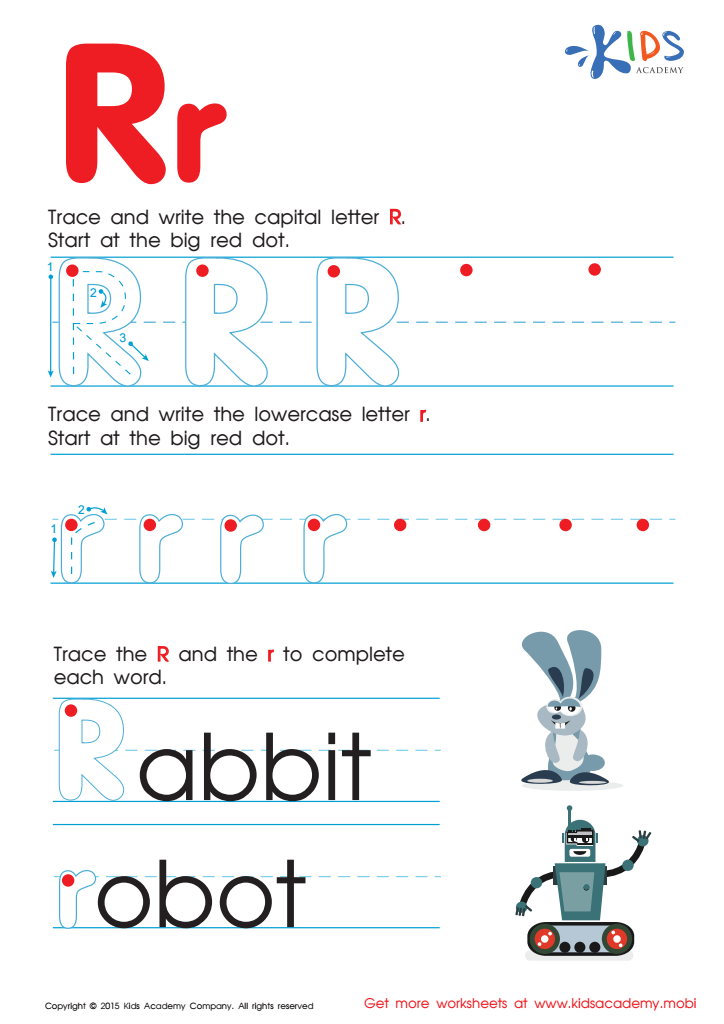
Letter R Tracing Page
 Assign to My Students
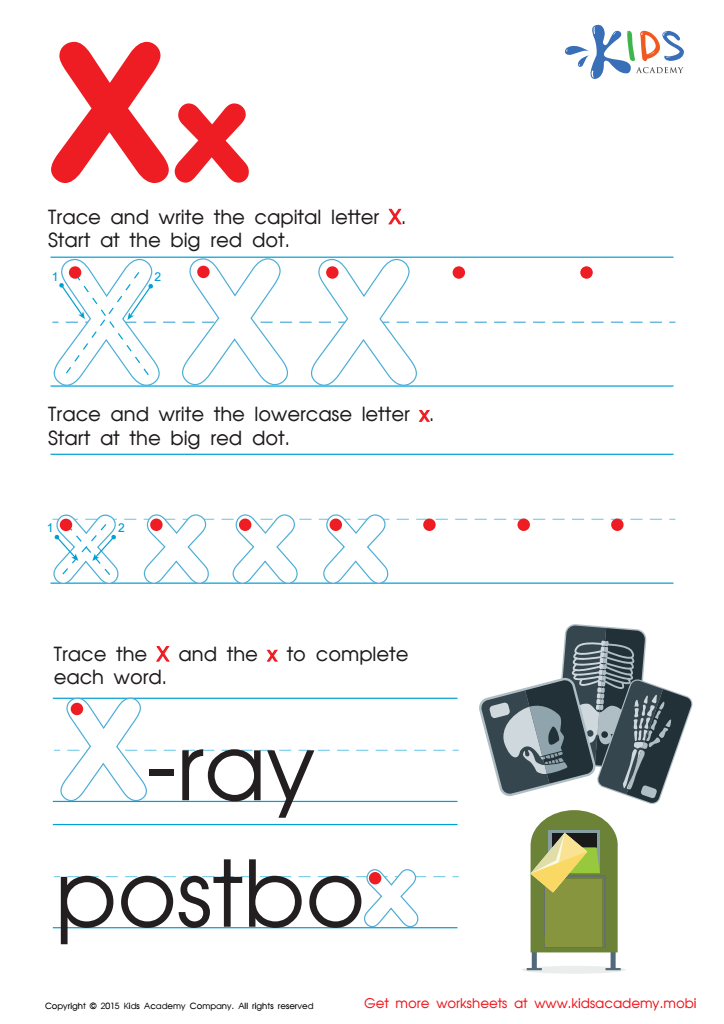
Letter X Tracing Page
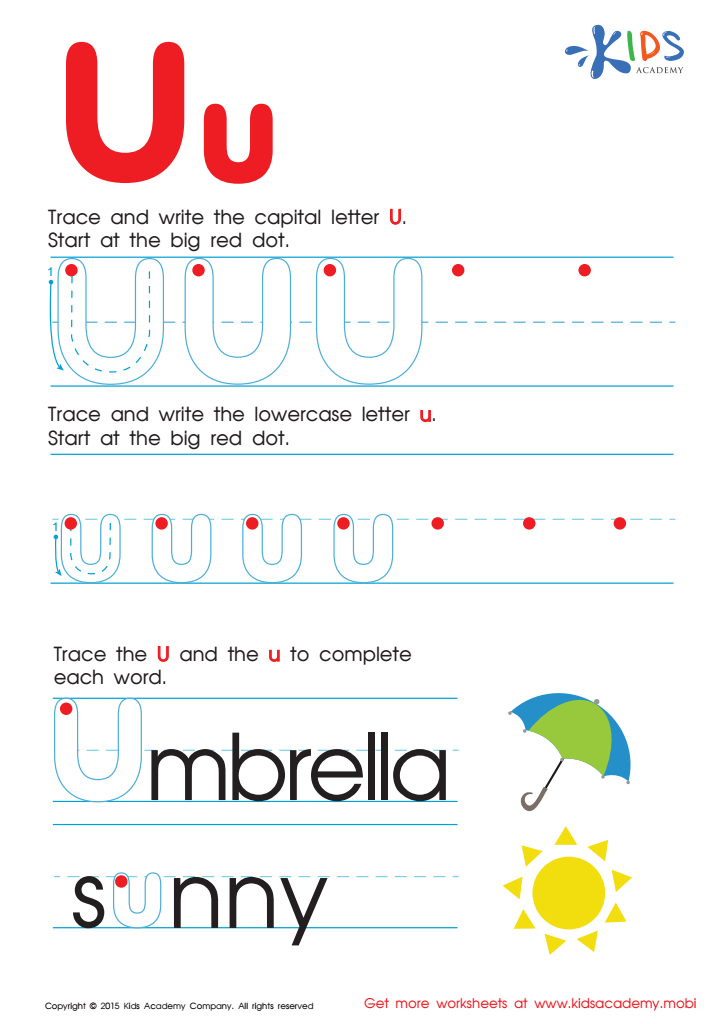
Letter U Tracing Page
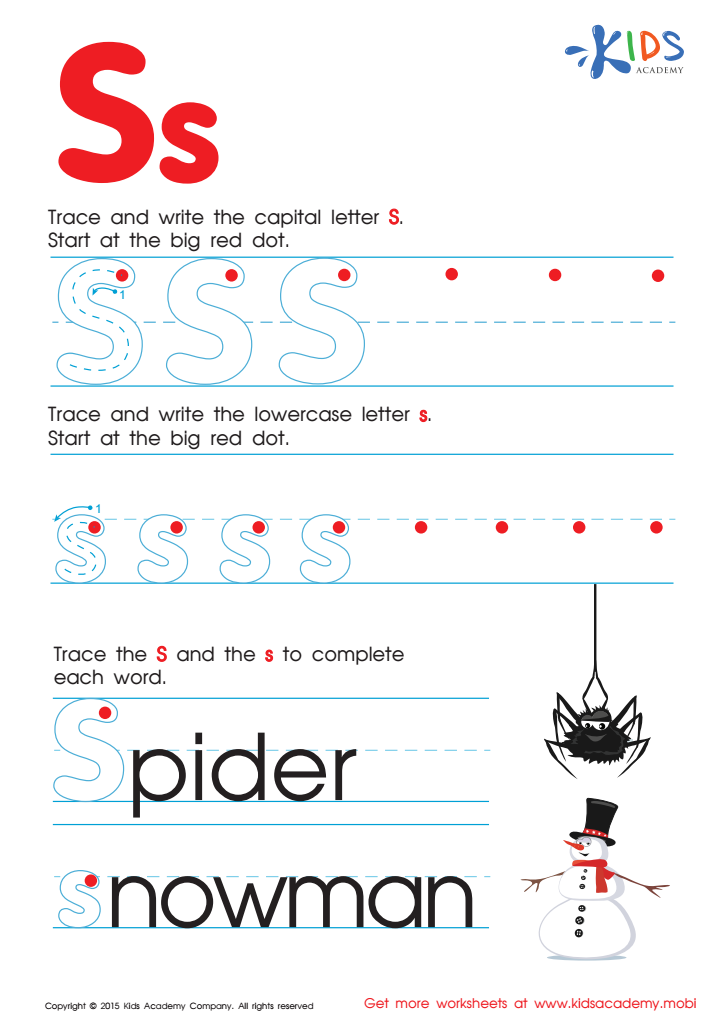
Letter S Tracing Page
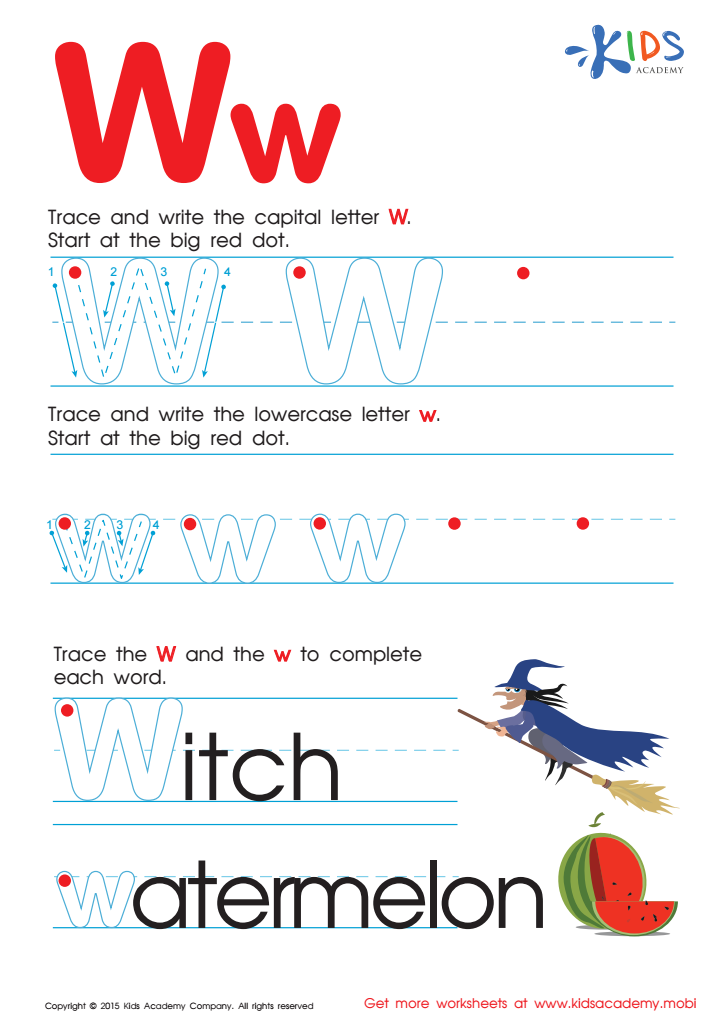
Letter W Tracing Page
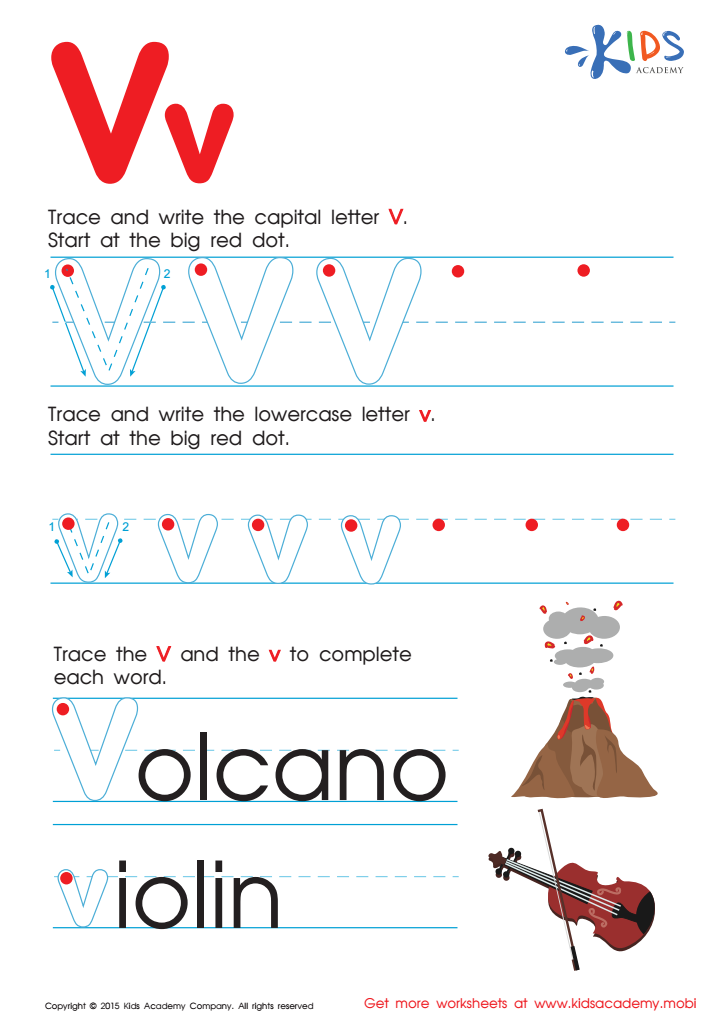
Letter V Tracing Page

Letter T Tracing Page





Letter recognition is a foundational skill for young learners, especially for 6-year-olds who are beginning their journey into reading and writing. Parents and teachers should prioritize this aspect of early literacy for several reasons. Firstly, letter recognition is crucial for phonics development, enabling children to understand the relationship between letters and sounds, which is key to decoding words. This understanding fosters confidence and competence in reading.
Moreover, early letter recognition supports vocabulary development. When children can identify letters, they can connect them to familiar words, enhancing their ability to recognize and use language in different contexts. This connection promotes overall literacy skills, including reading comprehension and writing competence.
Additionally, familiarity with letters lays the groundwork for later academic success. Children who struggle with letter recognition may face challenges in reading and communicating, which can affect their self-esteem and motivation. By encouraging letter recognition through engaging activities, parents and teachers can create a positive learning environment.
Ultimately, supporting letter recognition can significantly impact a child’s educational journey, ensuring they develop crucial skills that nurture a lifelong love for learning and reading. Investing time and resources in this area is integral to fostering well-rounded, literate individuals ready for future challenges.








