Understanding patterns Extra Challenge Worksheets for 6-Year-Olds
4 filtered results
-
From - To
Unlock your child's potential with our "Understanding Patterns Extra Challenge Worksheets" designed specifically for 6-year-olds! With engaging activities that promote critical thinking and cognitive development, these worksheets enhance pattern recognition and problem-solving skills. Each extra challenge offers a unique way to explore colors, shapes, and sequences, fostering a love for learning through play. Ideal for homeschooling, supplementary practice, or classroom enrichment, these worksheets captivate young minds while keeping concepts fresh and fun. Help your child thrive in their early learning journey by exploring our carefully curated collection of worksheets that turn learning patterns into an exciting adventure!
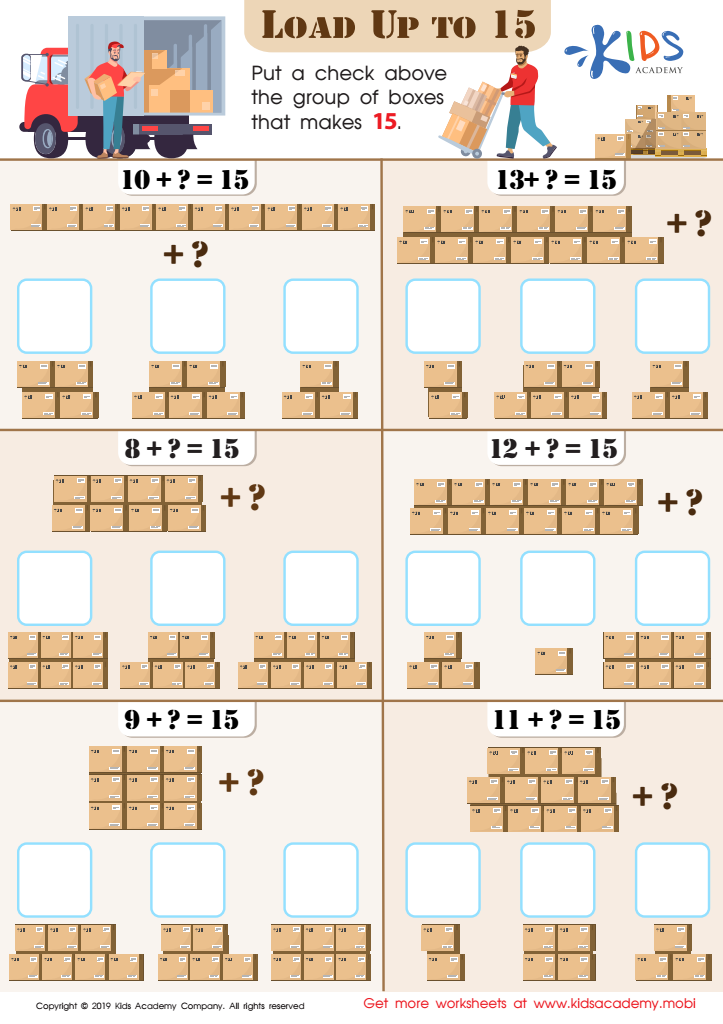
Load up to 15 Worksheet
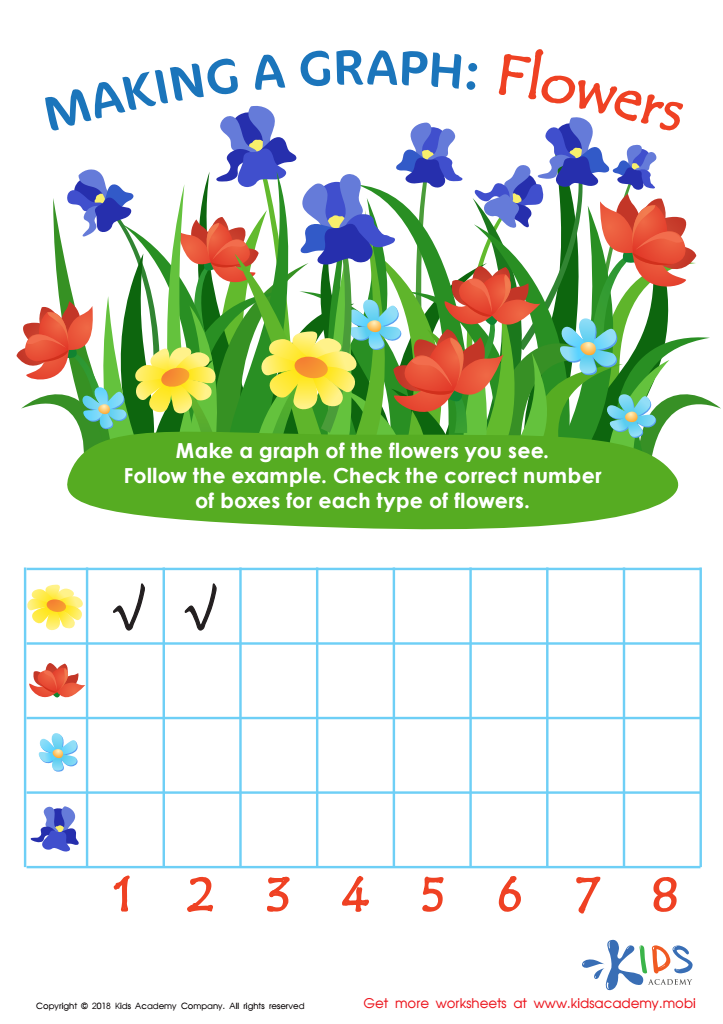
Making a Graph: Flowers Worksheet
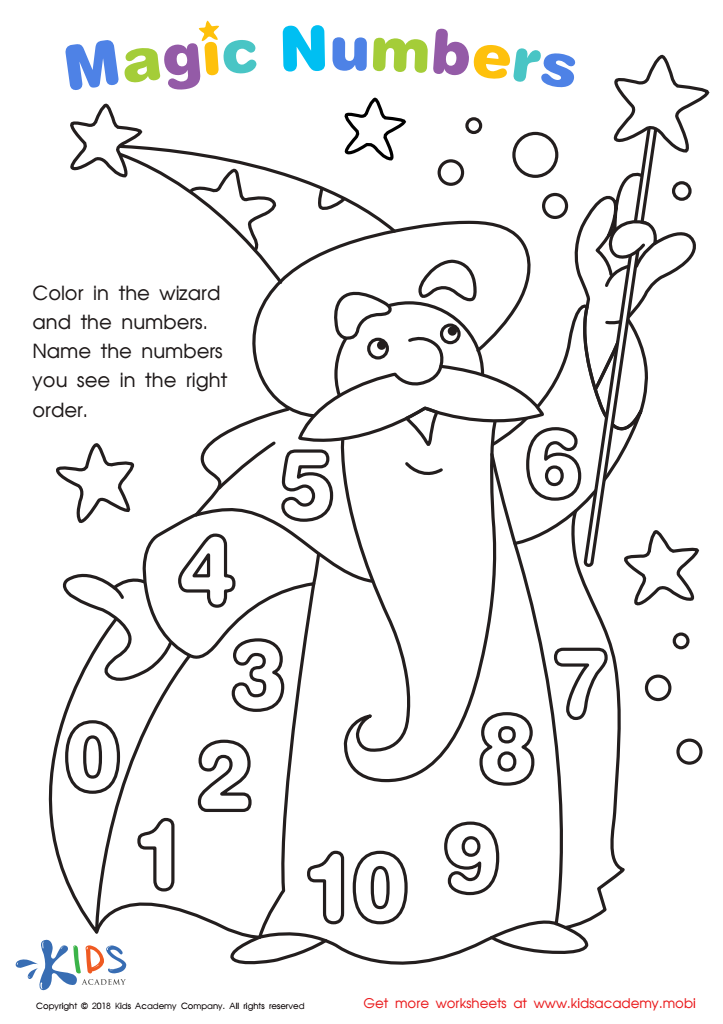
Magic Numbers Worksheet
 Assign to My Students
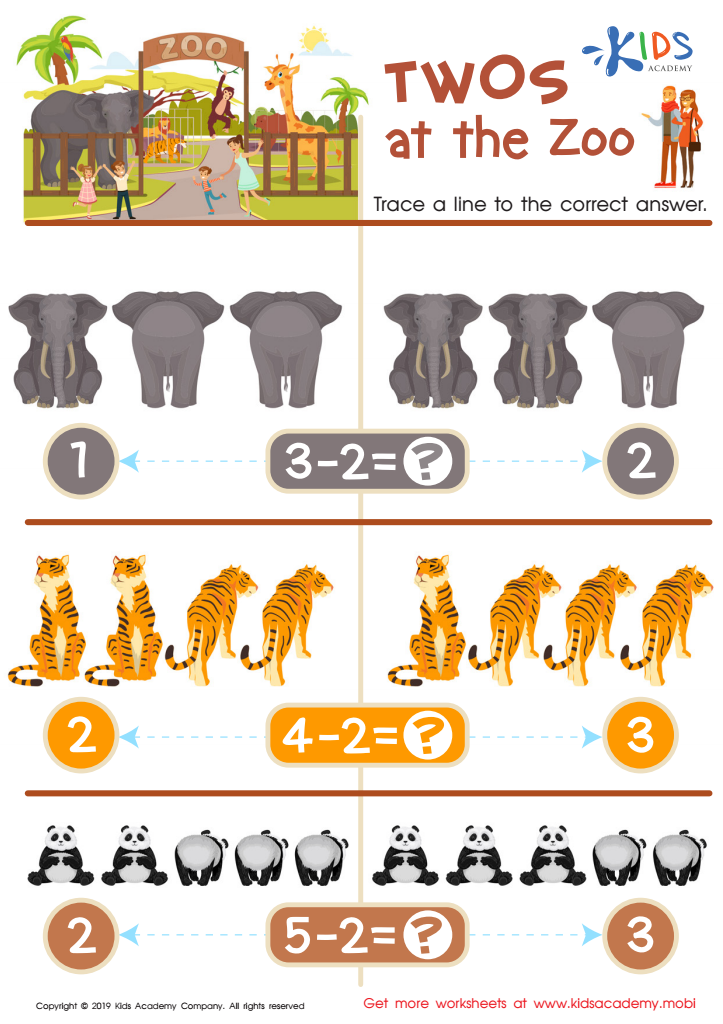
Twos at the Zoo Worksheet








Understanding patterns is a fundamental skill that lays the groundwork for critical thinking and problem-solving in young learners. For 6-year-olds, engaging with pattern recognition helps to develop logical reasoning and cognitive abilities essential for later mathematical concepts. When parents and teachers emphasize pattern exploration, they foster curiosity and a sense of discovery in children, making learning both enjoyable and impactful.
Patterns are everywhere in our daily lives—whether in nature, art, or music. By recognizing and understanding these patterns, children learn to make connections and predict outcomes, which boosts their confidence in analytical thinking. This skill not only aids in math-related tasks but also enhances reading skills as children recognize rhymes and repeated syllables in language.
Moreover, "Understanding Patterns" fosters collaboration and social skills when done in group settings, allowing children to learn from each other and verbalize their thought processes. This shared learning environment nurtures communication skills, a vital part of their development.
Investing time in understanding patterns supports holistic growth in six-year-olds, preparing them for more complex ideas in the future, while instilling a love for learning that lasts a lifetime. Ultimately, caring about this skill is about equipping children for success both academically and personally.








