Cognitive Development Extra Challenge Math Worksheets for 6-Year-Olds - Page 2
26 filtered results
-
From - To
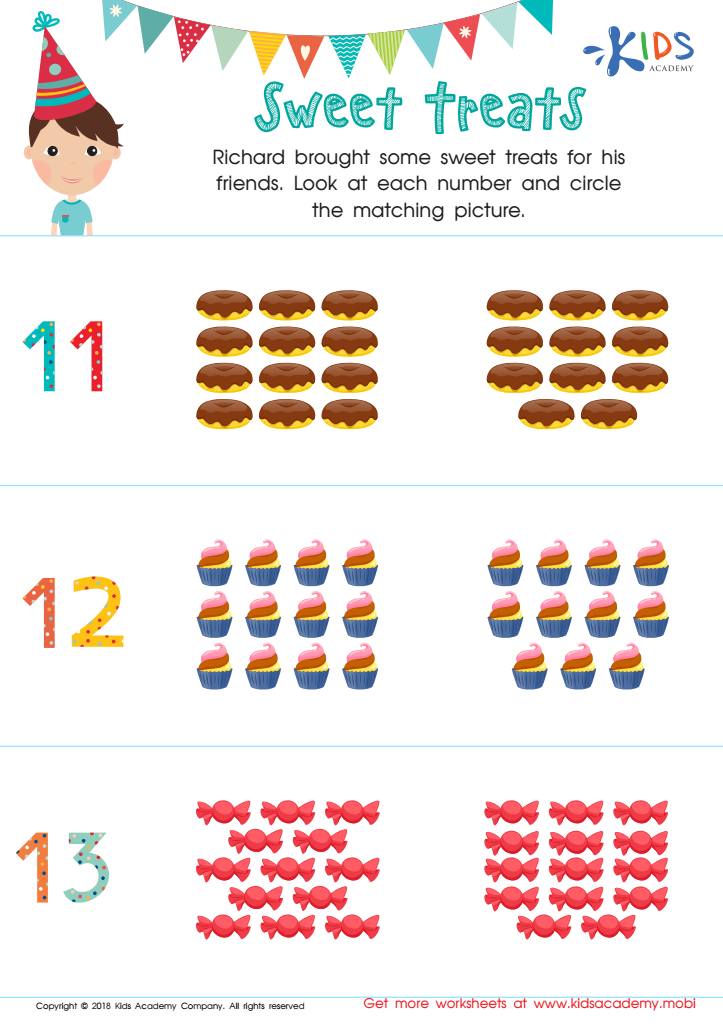
Kindergarten Math Worksheet Matching Numbers
 Assign to My Students
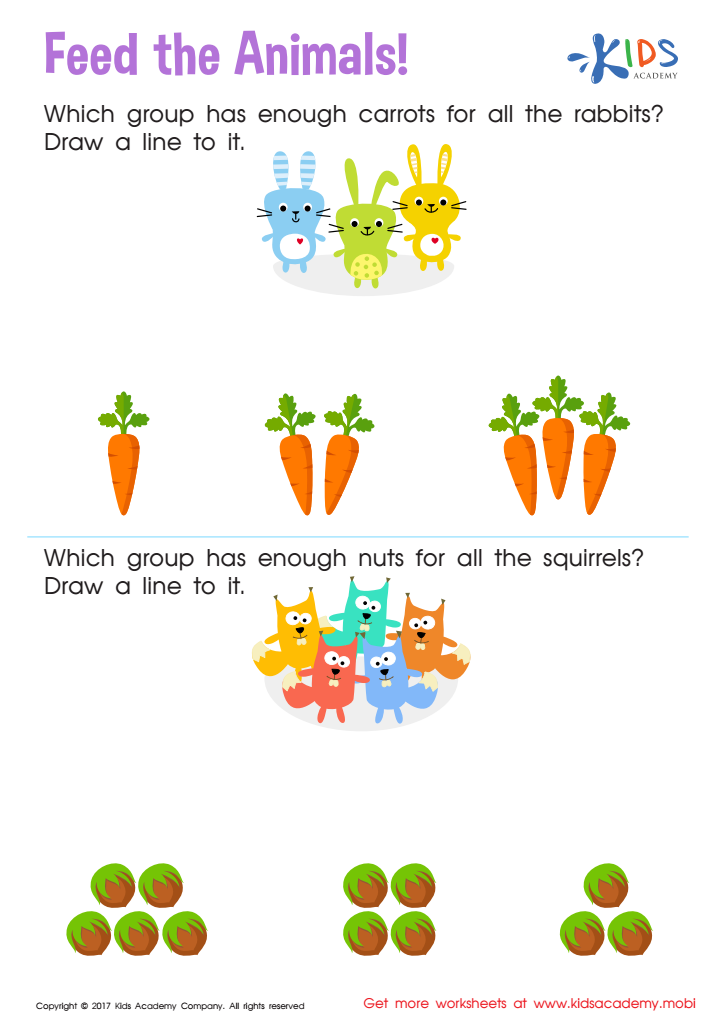
Count and Match: Feed the Animals Worksheet








Cognitive development is crucial during the early years of a child's life, and engaging in extra challenge math activities plays a significant role in nurturing this development for 6-year-olds. These formative years lay the foundation for critical thinking, problem-solving, and intellectual curiosity. By introducing advanced math challenges, parents and teachers can stimulate and enhance a child's numerical and logical reasoning skills beyond basic arithmetic.
Engaging in cognitive development extra challenge math allows children to explore patterns, recognize relationships, and develop spatial awareness. It also helps in reinforcing core mathematics concepts in a deeper and more meaningful way through interactive and thought-provoking activities. This not only improves their mathematical ability but also fosters a positive attitude towards learning and boosts their confidence.
Moreover, such challenges cater to different learning styles and paces, making mathematics an enjoyable and rewarding subject. The early exposure to complex problems often translates to better academic performance across various subjects, as many cognitive skills acquired through math are transferable. For parents and teachers, investing time in cognitive development math challenges means supporting well-rounded intellectual growth, curiosity, and the sustainable development of a love for learning that can benefit children throughout their educational journeys and beyond.