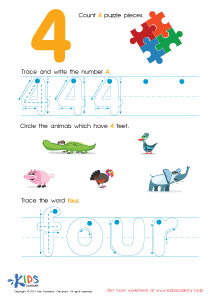
Fine Motor Skills Extra Challenge Numbers 0–10 Worksheets for 6-Year-Olds
9 filtered results
-
From - To
Introducing our Fine Motor Skills Extra Challenge Numbers 0–10 Worksheets for 6-Year-Olds! These expertly designed printables combine exciting number activities with intricate tracing and drawing tasks to boost your child’s fine motor skills. Perfect for young learners, the worksheets aim to enhance pencil grip and hand-eye coordination while reinforcing number recognition, counting, and sequencing. With fun illustrations and engaging challenges, your child will enjoy every minute of learning. Ideal for classroom or home use, our worksheets offer a unique blend of education and entertainment, ensuring your child develops essential skills in a joyful, impactful way.
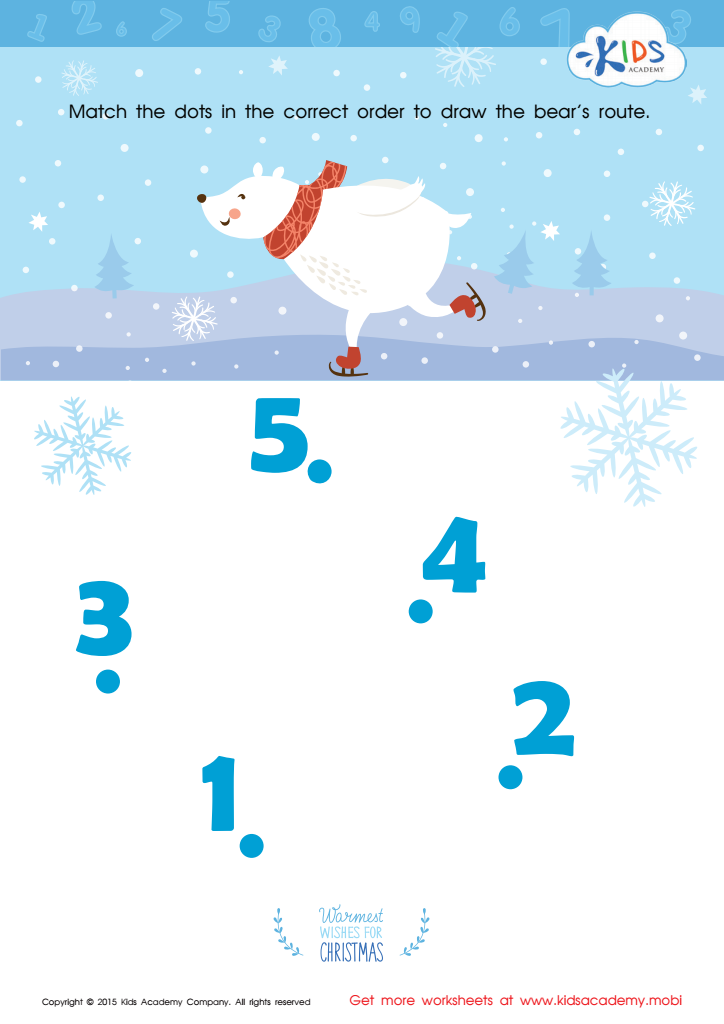
Drawing the Bear's Route by Number Worksheet
 Assign to My Students
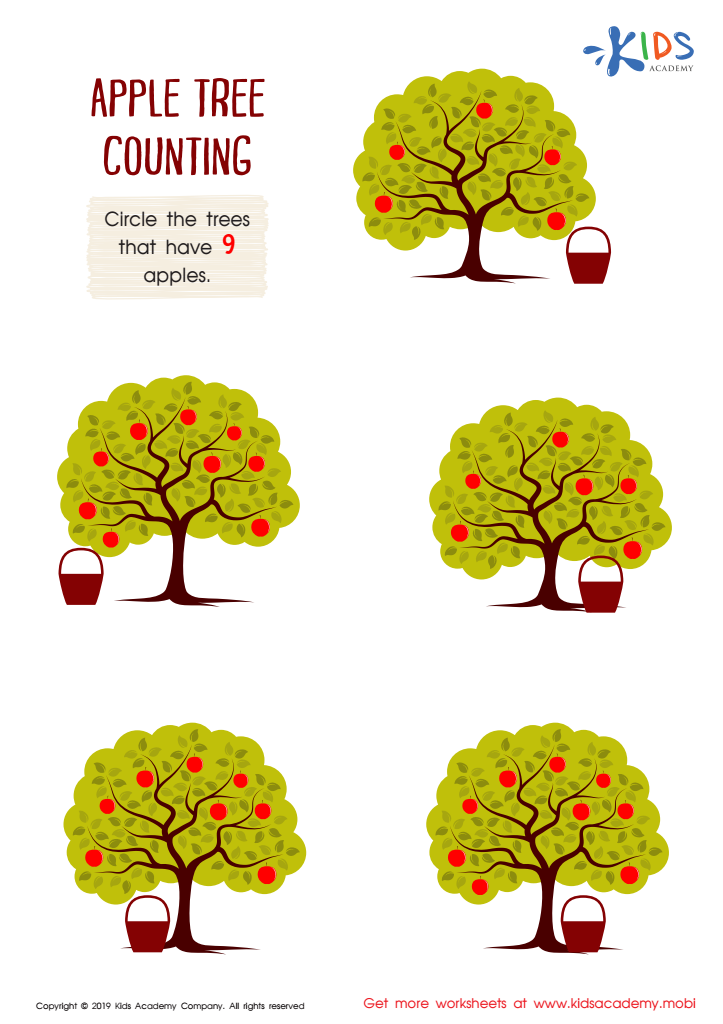
Apple Tree Counting Worksheet
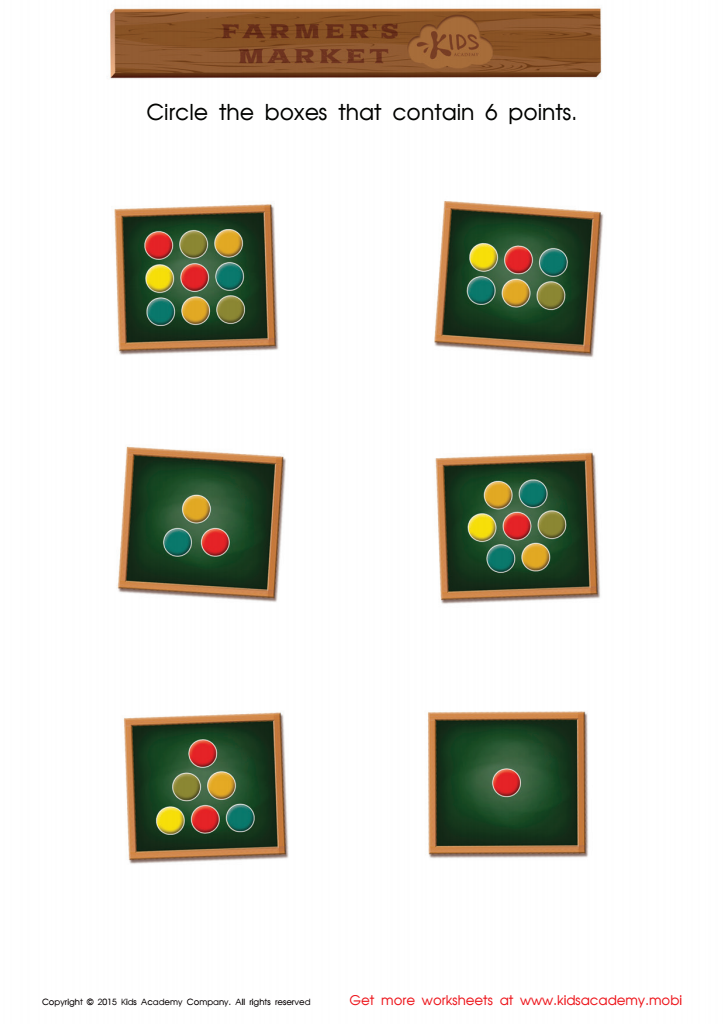
Count and Match Points 6 Math Worksheet
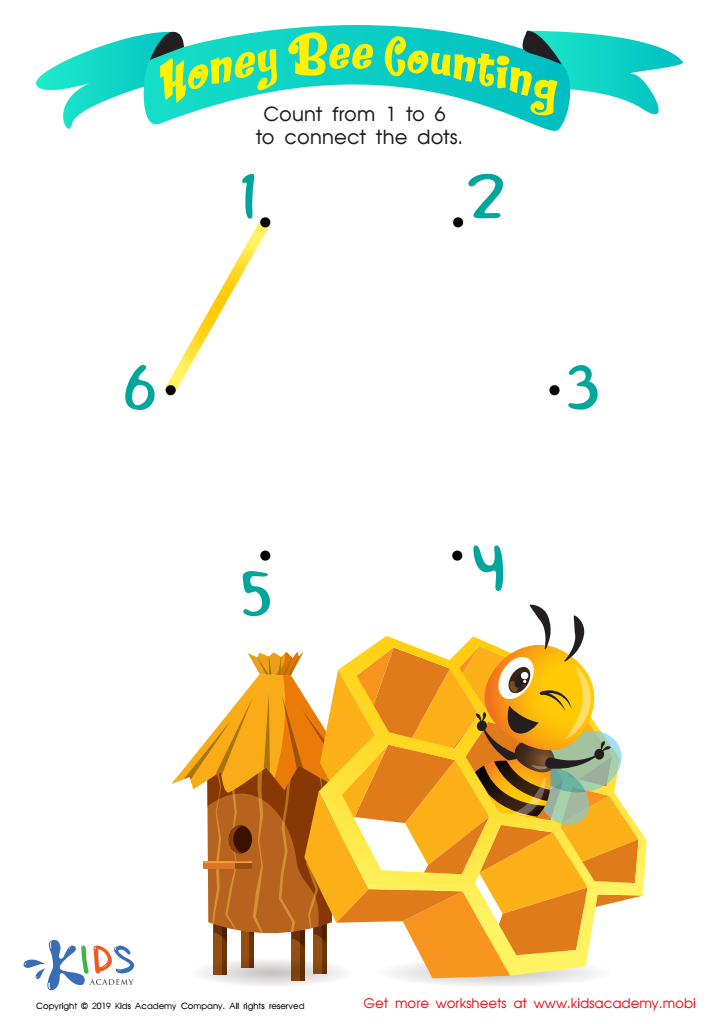
Honey Bee Counting Worksheet

Count Santa's Presents Worksheet
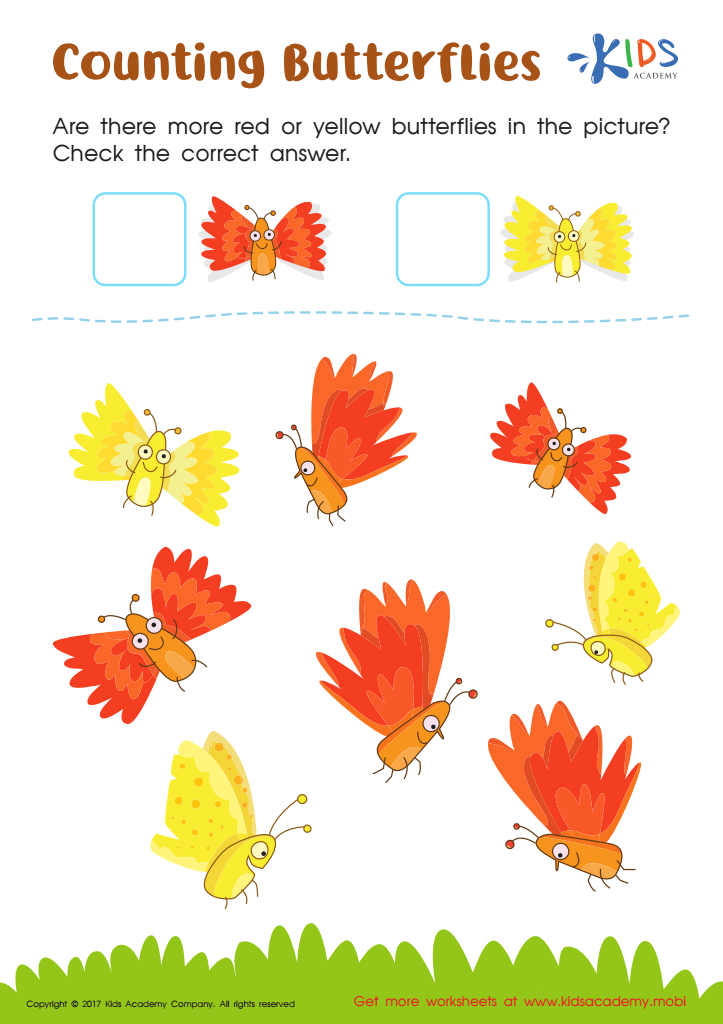
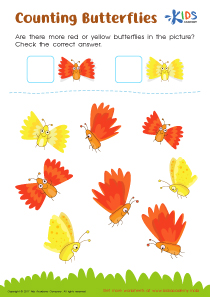
Counting Butterflies Worksheet
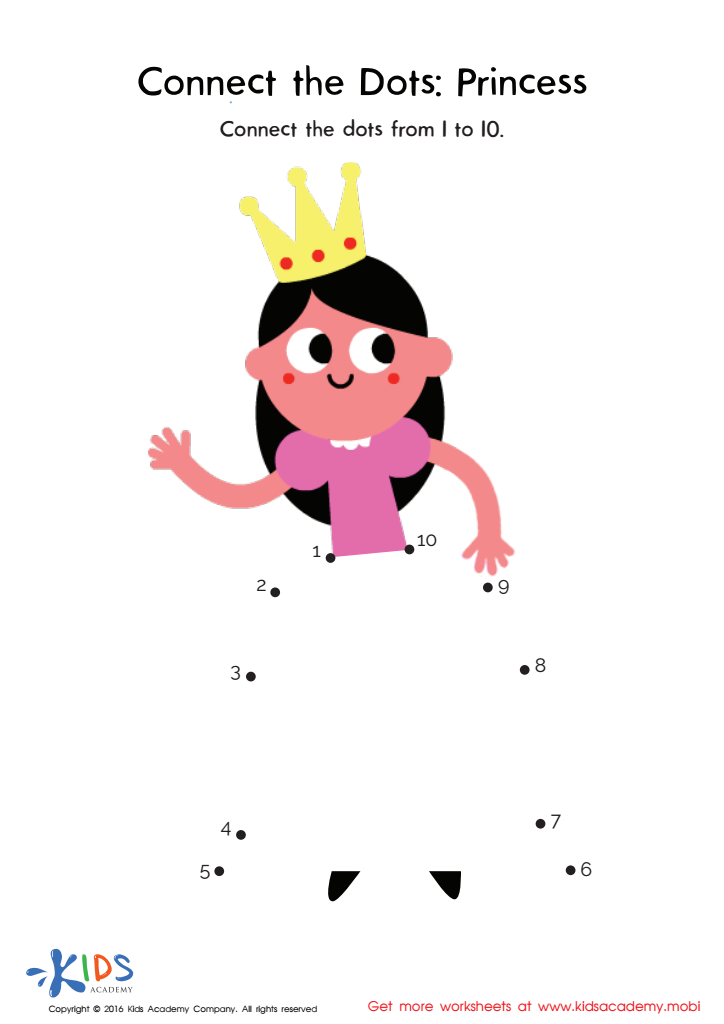
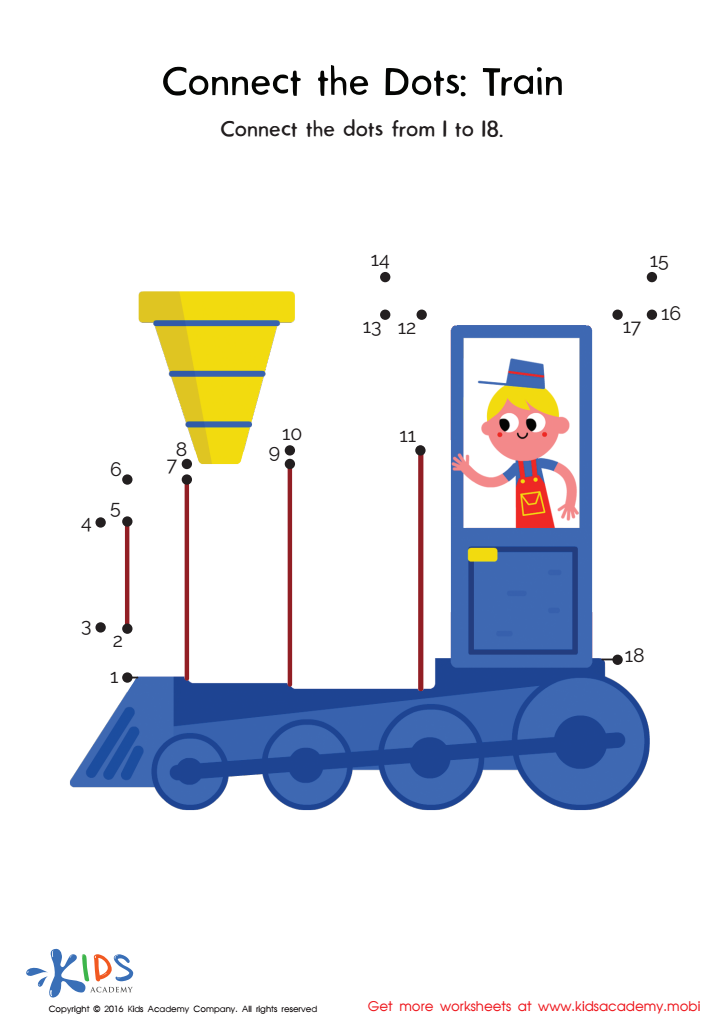
Princess Connect Dots Worksheet
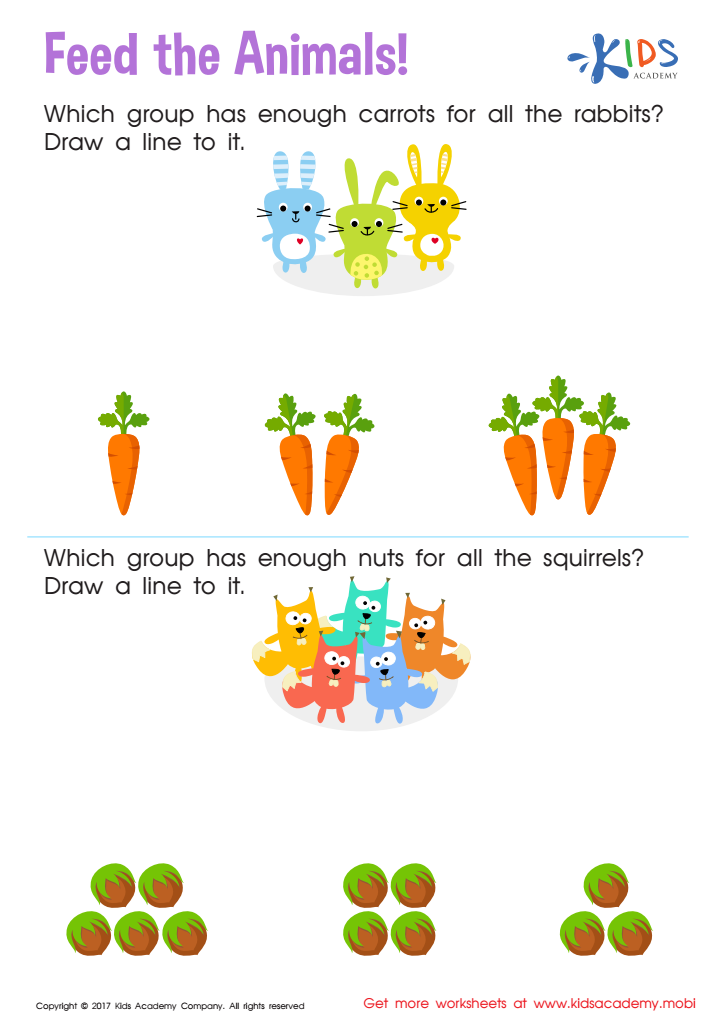
Count and Match: Feed the Animals Worksheet








Fine motor skills refer to the coordination of small muscles in movements—typically involving synchronization of hands and fingers with the eyes. Developing these skills is crucial for 6-year-olds as they enter the world of more formal learning. Activities such as the Fine Motor Skills Extra Challenge Numbers 0–10 help children enhance their dexterity, precision, and control over their hand movements, which translates into essential academic and daily life capabilities.
For parents and teachers, investing time in fine motor challenges yields significant benefits. Firstly, mastering fine motor skills is foundational for legible handwriting, an essential component of successful education and communication. Engaging with carefully designed tasks—like tracing or writing numbers from 0 to 10—improves hand stability, grip strength, and spatial awareness. Secondly, fine motor proficiency directly influences self-care skills such as dressing, buttoning, and feeding themselves, fostering independence and confidence.
Moreover, these activities can be structured in playful and engaging ways, reinforcing positive attitudes toward learning and perseverance. Attention to fine motor challenges ultimately cultivates a supportive environment where children can thrive in both academic settings and everyday activities, setting a strong groundwork for lifelong skills and capabilities. Hence, both parents and teachers should prioritize fine motor development to support comprehensive growth and successful futures for their children.