Alphabet Recognition Extra Challenge Tracing Letters Worksheets for Ages 7-8
3 filtered results
-
From - To
Boost your child’s alphabet skills with our "Alphabet Recognition Extra Challenge Tracing Letters Worksheets" designed for ages 7-8. These engaging printables transform learning into a fun adventure, combining tracing and alphabet recognition tasks. Perfect for kids ready to an extra challenge beyond basic ABCs, these worksheets reinforce fine motor skills, letter formation, and sharpen cognitive development. Aimed at helping young learners master uppercase and lowercase letters, it’s a perfect resource for parents and teachers looking for effective educational tools. Encourage your child’s confidence and competence in recognizing and writing the alphabet with these creative, enjoyable activities.
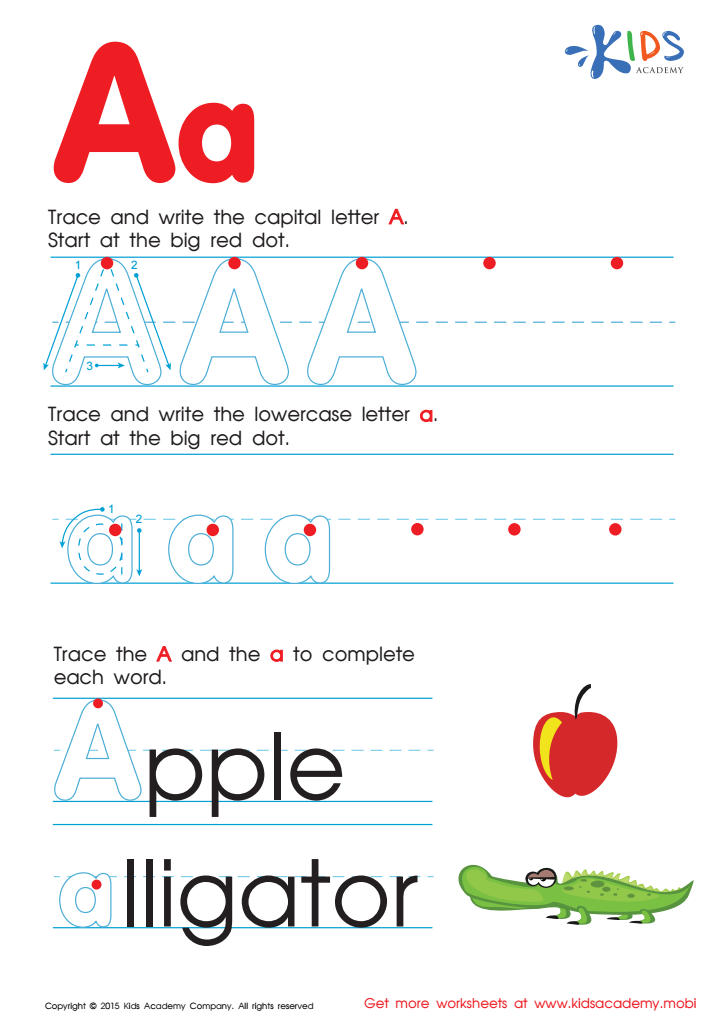
Letter A Tracing Page
 Assign to My Students
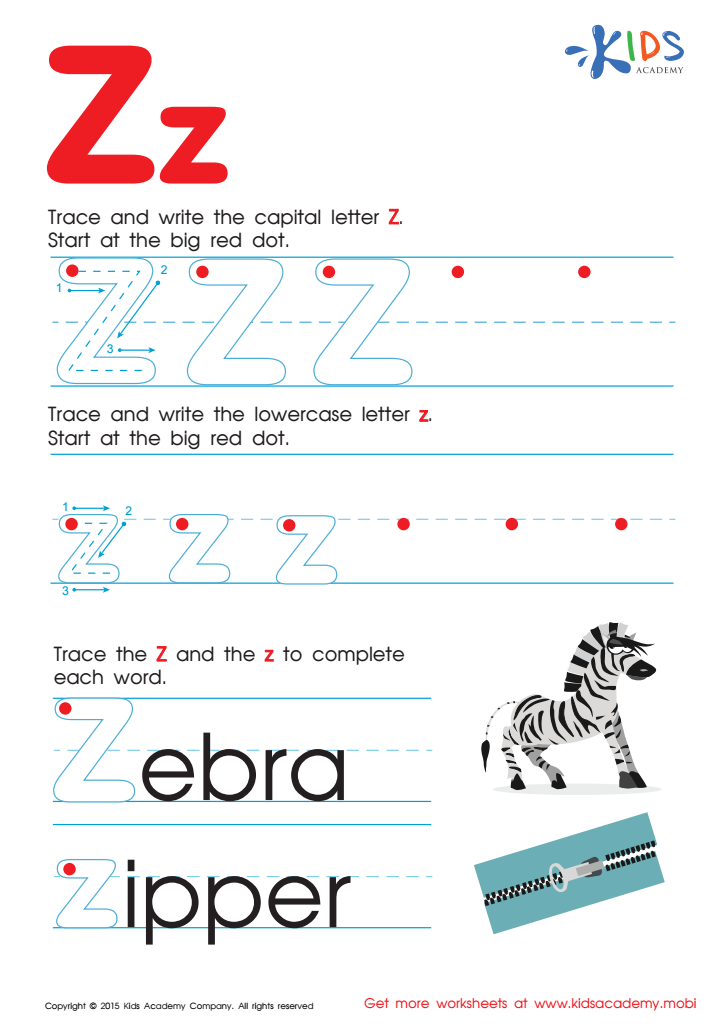
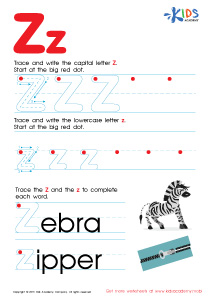
Letter Z Tracing Page
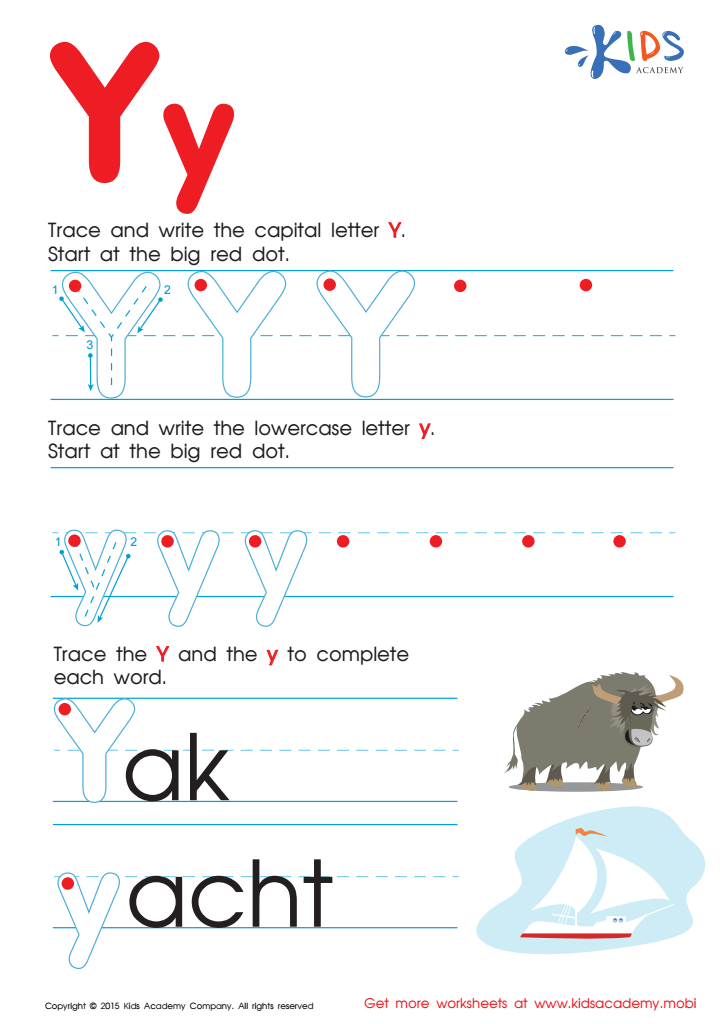
Letter Y Tracing Page








Alphabet Recognition Extra Challenge Tracing Letters activities are pivotal for children aged 7-8, as they profoundly shape foundational literacy skills. At this age, children transition from recognizing individual letters to developing more complex literacy abilities, including reading comprehension and writing fluidity. Engaging in tracing exercises consolidates their understanding of letter shapes, sizes, and proper formation, which is crucial for legible handwriting.
Parents and teachers should prioritize these tracing activities because they enhance fine motor skills, hand-eye coordination, and spatial awareness. Tracing demands meticulous attention to detail and steady hand control, skills essential not just for handwriting, but for other life tasks. Furthermore, tracing activities bolster memory retention by repetitively associating specific letter patterns with sounds.
Moreover, these exercises can build confidence and academic enthusiasm. Mastering letter recognition allows children to read and write more efficiently, reducing frustration and encouraging a love for learning. Parents and teachers, therefore, play a key role in developing their children's early academic foundations, ensuring they acquire the skills necessary for future educational success. Implementing tracing activities at home or in the classroom provides children with a fun, engaging way to enhance vital literacy and motor skills.