Alphabet Recognition Extra Challenge English for Beginners Worksheets for Ages 7-8
3 filtered results
-
From - To
Boost your child’s alphabet recognition skills with our "Alphabet Recognition Extra Challenge" worksheets designed specifically for English beginners aged 7-8. These engaging worksheets offer a fun and interactive way to reinforce letter familiarity through exciting activities, games, and exercises. Each worksheet encourages critical thinking and creativity while enhancing letter recognition and pronunciation. Perfect for classroom use or at-home practice, our materials are tailored to meet the needs of young learners. Help your child build a solid foundation in English language skills with these dynamic challenges, making alphabet learning an enjoyable adventure! Start their journey towards literacy excellence today!

Letter A Tracing Page
 Assign to My Students
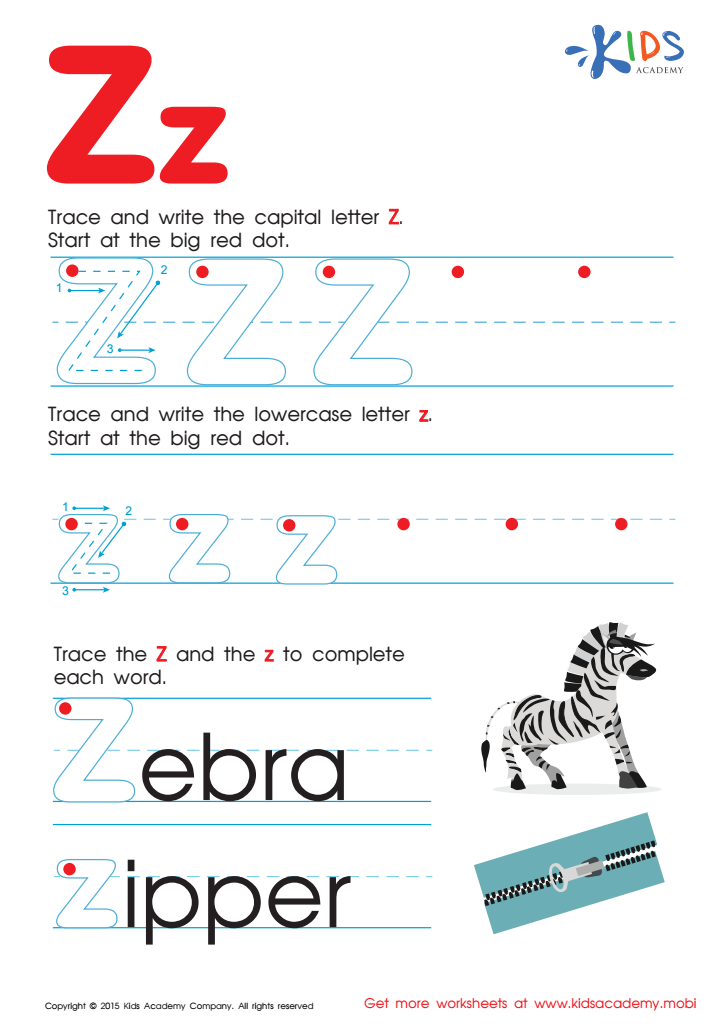
Letter Z Tracing Page
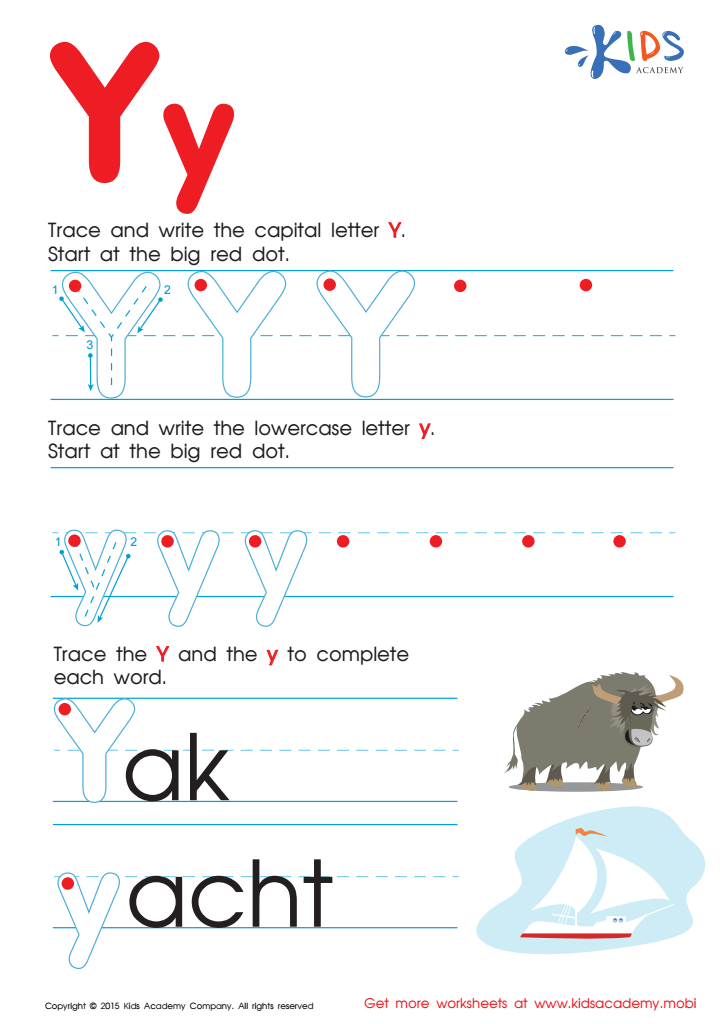
Letter Y Tracing Page





Alphabet recognition is a foundational skill crucial for young learners, particularly those aged 7-8, as they transition from preschool to more structured learning environments. "Alphabet Recognition Extra Challenge" programs enhance this critical ability, making it engaging and effective for early learners.
For parents and teachers, investing time in these challenges promotes literacy development, enhancing children's confidence and encouraging a positive attitude toward reading and writing. Proficiency in recognizing letters enables children to decode words more easily, sets the stage for successful reading experiences, and fosters stronger comprehension skills in the long run.
Moreover, this targeted practice helps identify students who might struggle with letter recognition, allowing parents and teachers to intervene early. By understanding individual learning styles and needs, tailored support can be provided, ensuring that no child is left behind.
Participation in alphabet recognition challenges cultivates a love for learning and equips students with essential tools for future academic success. Encouraging both parents and educators to embrace these programs illustrates their commitment to fostering literacy and an enriched educational experience for children, preparing them for the complexities of reading and language as they move towards higher grade levels.








