Letter recognition Extra Challenge English for Beginners Worksheets for Ages 7-8
7 filtered results
-
From - To
Enhance your child's English skills with our "Letter Recognition Extra Challenge" worksheets, designed for beginners aged 7-8. These engaging activities, provided by Kid’s Academy, offer a fun and effective way for young learners to master letter identification and develop essential reading skills. The worksheets combine colorful illustrations with interactive exercises, ensuring a stimulating learning experience. Perfect for ESL students or those needing extra practice, these resources support a strong foundation in the English language while boosting confidence. Unlock the path to literacy success today with our expertly crafted and accessible Letter Recognition Extra Challenge worksheets.
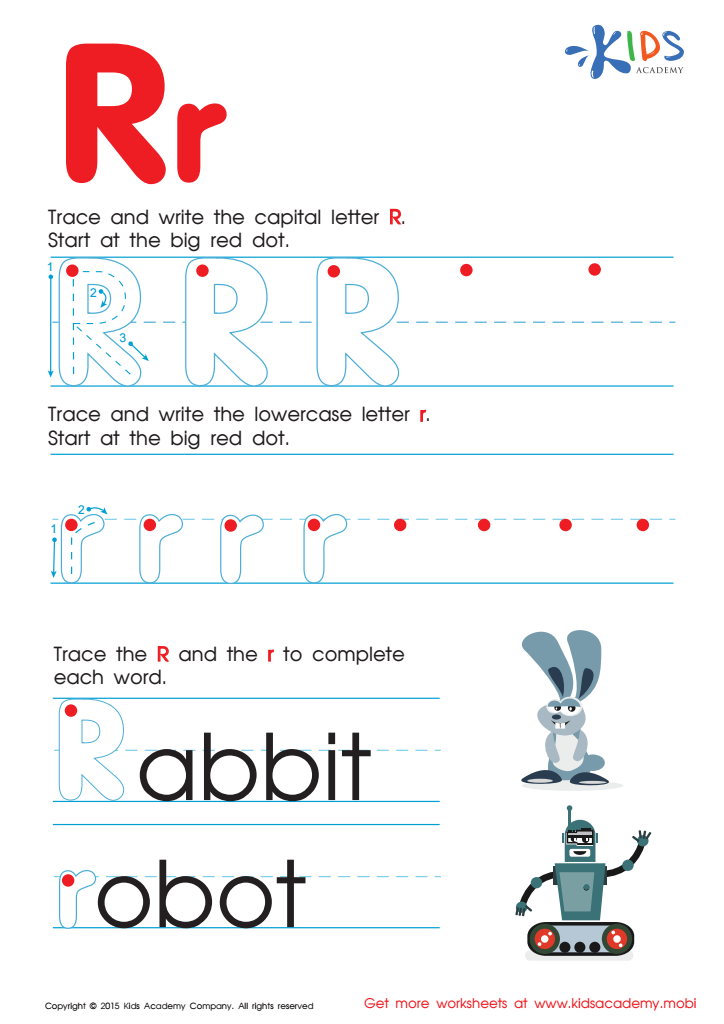
Letter R Tracing Page
 Assign to My Students
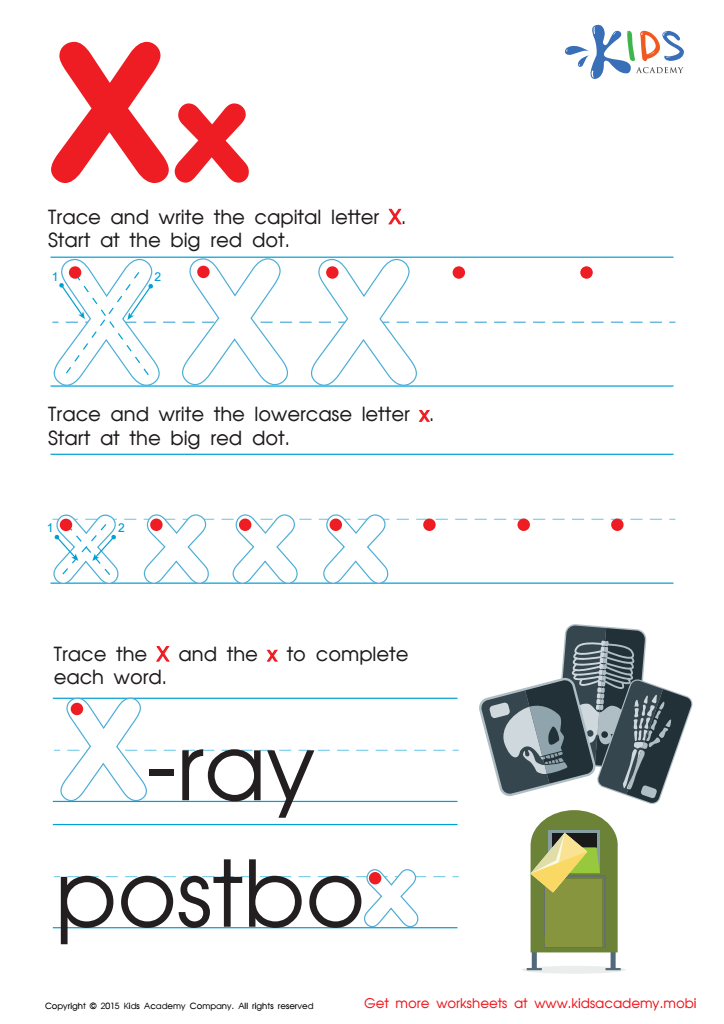
Letter X Tracing Page
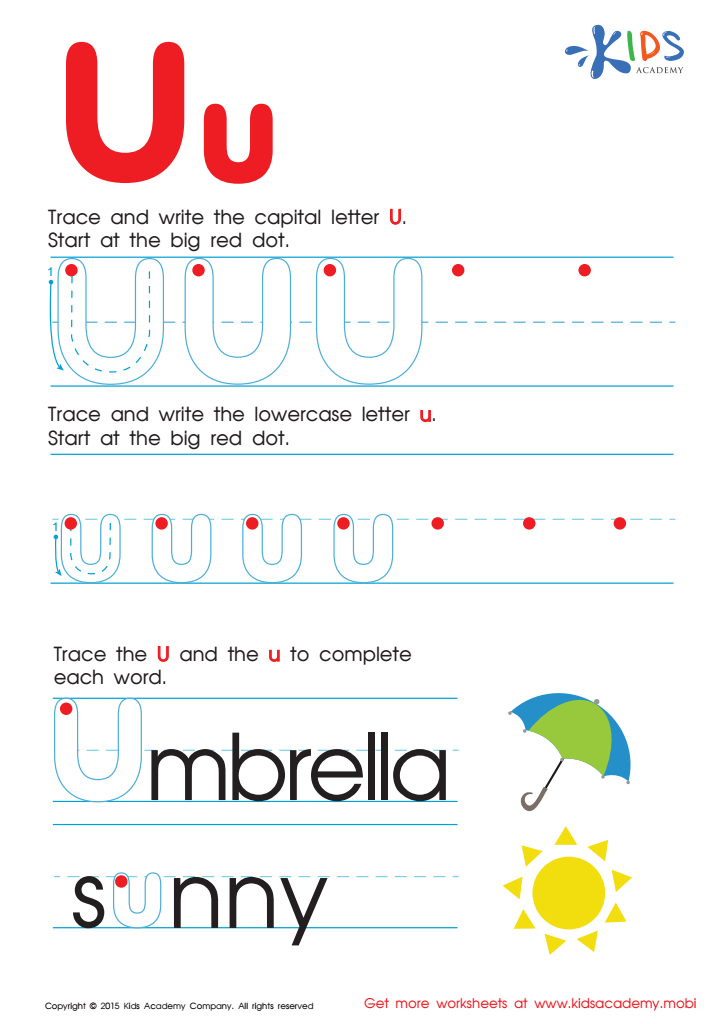
Letter U Tracing Page
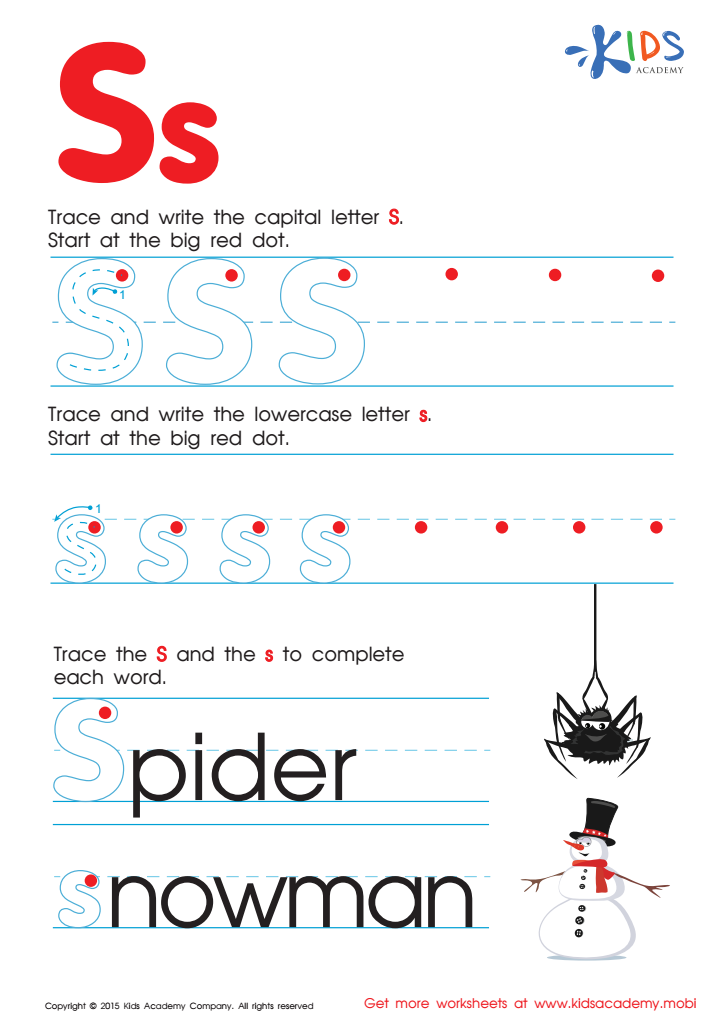
Letter S Tracing Page
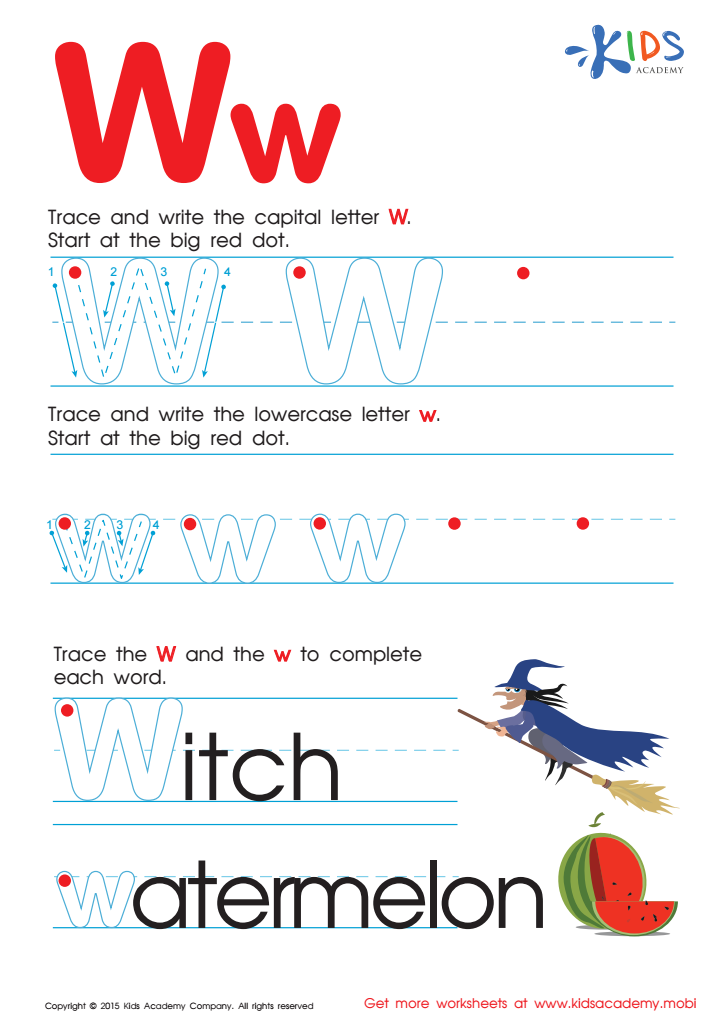
Letter W Tracing Page
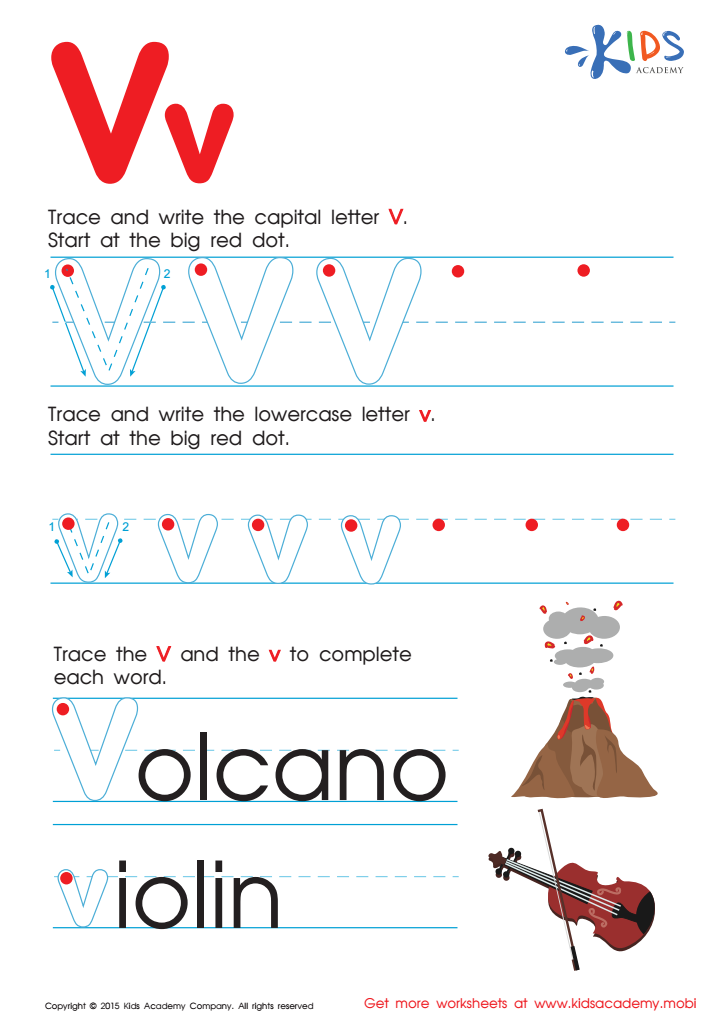
Letter V Tracing Page

Letter T Tracing Page





Parents and teachers should care deeply about Letter Recognition Extra Challenge English for Beginners for ages 7-8 because it lays the foundational building blocks for all future academic success. At this critical age, children are transitioning from learning letters to reading and writing whole sentences. Mastery of letter recognition solidifies their understanding of the alphabet, fostering phonemic awareness which is essential for decoding words.
What distinguishes an "Extra Challenge" program is its ability to engage young learners beyond simple rote memorization. It injects fun and interactive elements into letter learning, making it an enjoyable activity rather than a chore. This keeps children interested and motivated, promoting consistent practice which is key to mastery.
Furthermore, early proficiency in letter recognition correlates with greater confidence in reading and literacy activities. Children who struggle at this stage are more likely to face difficulties in future reading endeavors, potentially leading to negative attitudes towards education. Conversely, strong letter recognition skills at a young age contribute to smoother reading acquisition, better comprehension, and overall academic achievement.
In essence, prioritizing letter recognition challenges ensures children are not just prepared but eager and excited about learning. By providing them with a strong start, parents and teachers set the stage for continuous success and a lifelong love for reading.








