
Critical thinking skills Extra Challenge Worksheets for Ages 7-8
3 filtered results
Difficulty Level
Grade
Age
-
From - To
Subject
Activity
Standards
Enhance your child's cognitive development with our Critical Thinking Skills Extra Challenge Worksheets designed for ages 7-8. These engaging worksheets promote analytical reasoning and problem-solving abilities through fun activities tailored for young learners. Each worksheet challenges children to think critically, make connections, and draw conclusions across various subjects, fostering a love for learning. Our easy-to-follow format encourages independent exploration, making it an excellent resource for parents and teachers alike. Perfect for home or classroom use, these worksheets provide an enjoyable way to enrich your child's educational journey while developing essential skills for academic success. Start the adventure in critical thinking today!
Favorites
With answer key
Interactive
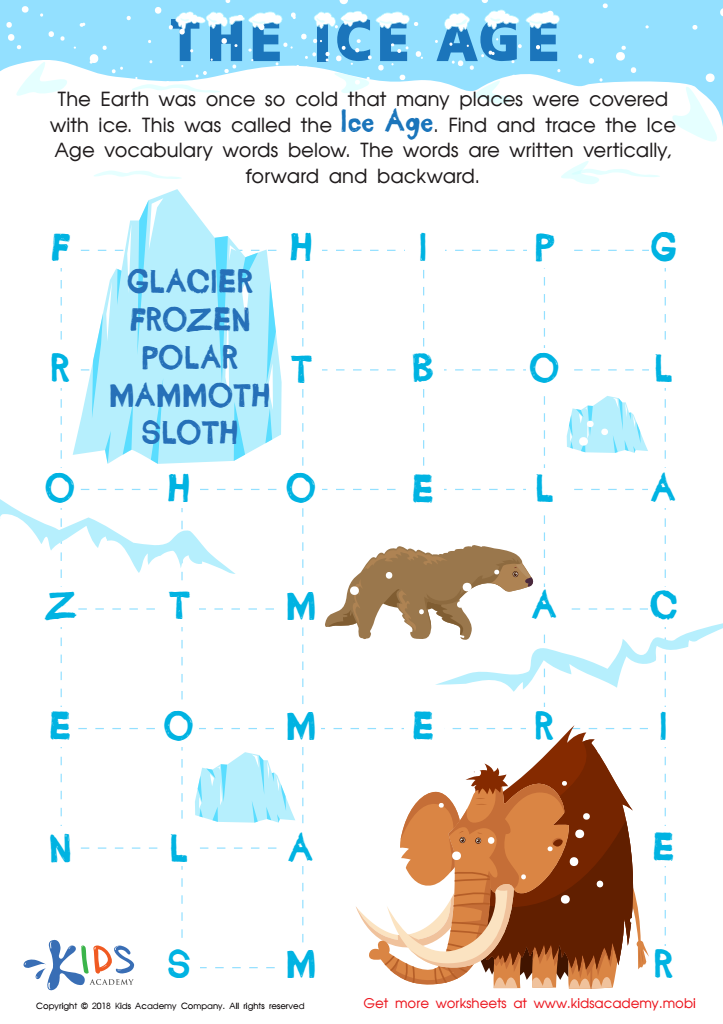
The Ice Age Worksheet
Let your child explore the Ice Age with this fun word search from Kids Academy! They can find words like glacier, frozen, polar, mammoth, and sloth. After finding each, discuss the meaning to help them build a better vocabulary and understanding of ancient history.
 Assign to My Students
The Ice Age Worksheet
Worksheet
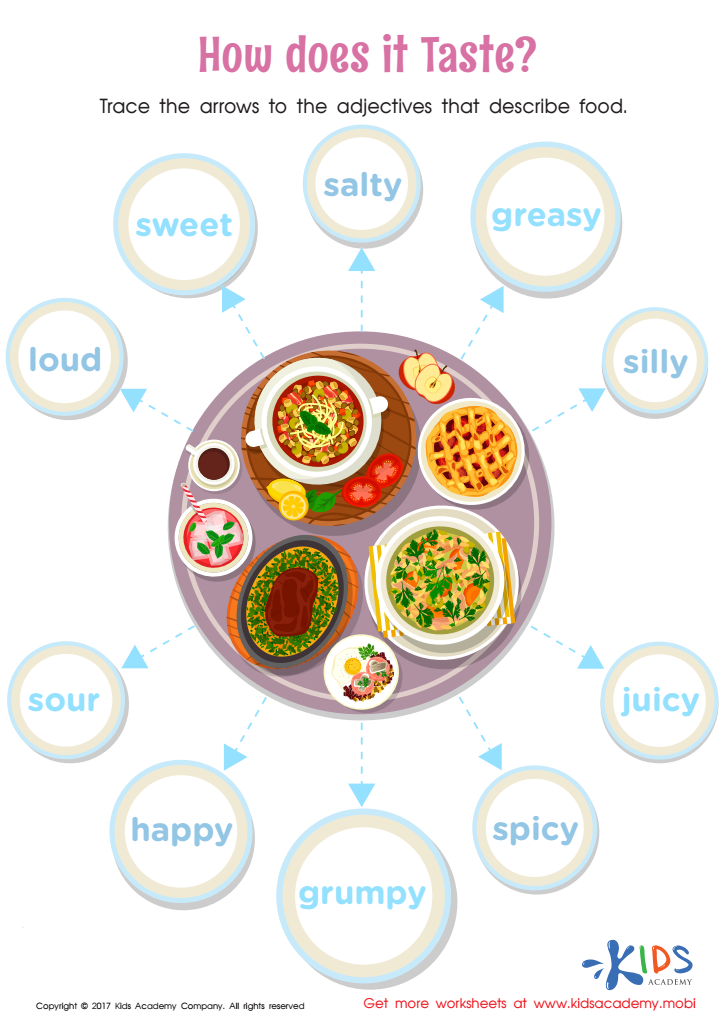
Food Adjectives Worksheet
Here’s a fun PDF worksheet to get your child’s taste buds tingling and help build descriptive language skills!
Food Adjectives Worksheet
Worksheet
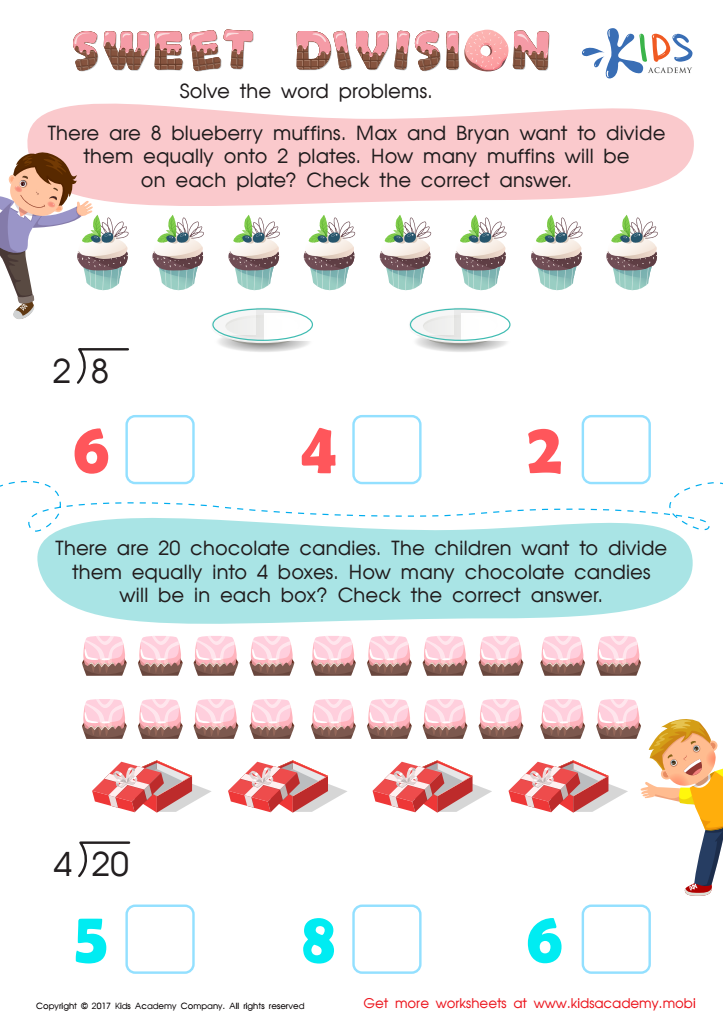
Division Word Problems Worksheet
This division worksheet helps kids understand how long division problems appear as word problems. Perfect for 3rd graders, it'll boost their confidence in solving division problems.
Division Word Problems Worksheet
Worksheet
Join Kids Academy for Free
Who is primarily going to use this learning content?




.jpg)



Critical thinking skills are vital for children aged 7-8, as they form the foundation for effective problem-solving, decision-making, and understanding complex concepts. Parents and teachers should prioritize fostering these skills because they encourage independence and curiosity in young learners. When children practice critical thinking, they learn to analyze information, ask questions, and draw conclusions, which helps them navigate challenges both in and out of the classroom.
Moreover, honing critical thinking skills supports academic success. Children become adept at interpreting texts, evaluating arguments, and constructing their own viewpoints, which enhances their performance in subjects like math, science, and language arts. These analytical abilities will serve them well not just in school, but also in everyday life decisions.
In an increasingly digital world, where information is abundant, critical thinking equips children to discern credible sources, understand different perspectives, and contribute thoughtfully to discussions. Encouraging this mindset cultivates a love for learning and instills confidence as they express their ideas.
Ultimately, investing in critical thinking skills leads to well-rounded, engaged individuals who can navigate the complexities of the modern world, making it essential for parents and teachers to champion this area of development early on.








