Vocabulary expansion Extra Challenge Science Worksheets for Ages 7-8
3 filtered results
-
From - To
Enhance your child's learning experience with our Vocabulary Expansion Extra Challenge Science Worksheets designed specifically for ages 7-8. These engaging and interactive worksheets help young learners broaden their scientific vocabulary while exploring fascinating concepts in science. Ideal for supplementing classroom instruction or homeschooling, our extra challenge worksheets cater to curious minds eager to delve deeper into subjects like biology, chemistry, and earth science. Kids will enjoy expanding their vocabulary through fun activities, word searches, and context-based exercises that reinforce their understanding of essential science terms. Encourage a love for learning and build essential language skills with our exciting science worksheets today!
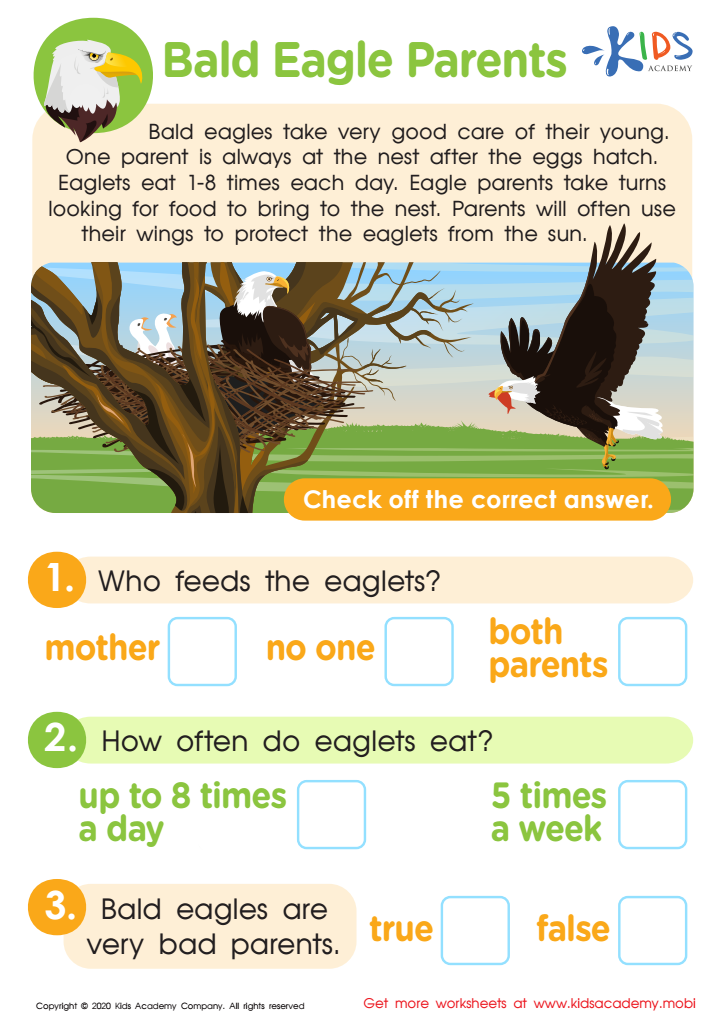
Bald Eagle Parents Worksheet
 Assign to My Students
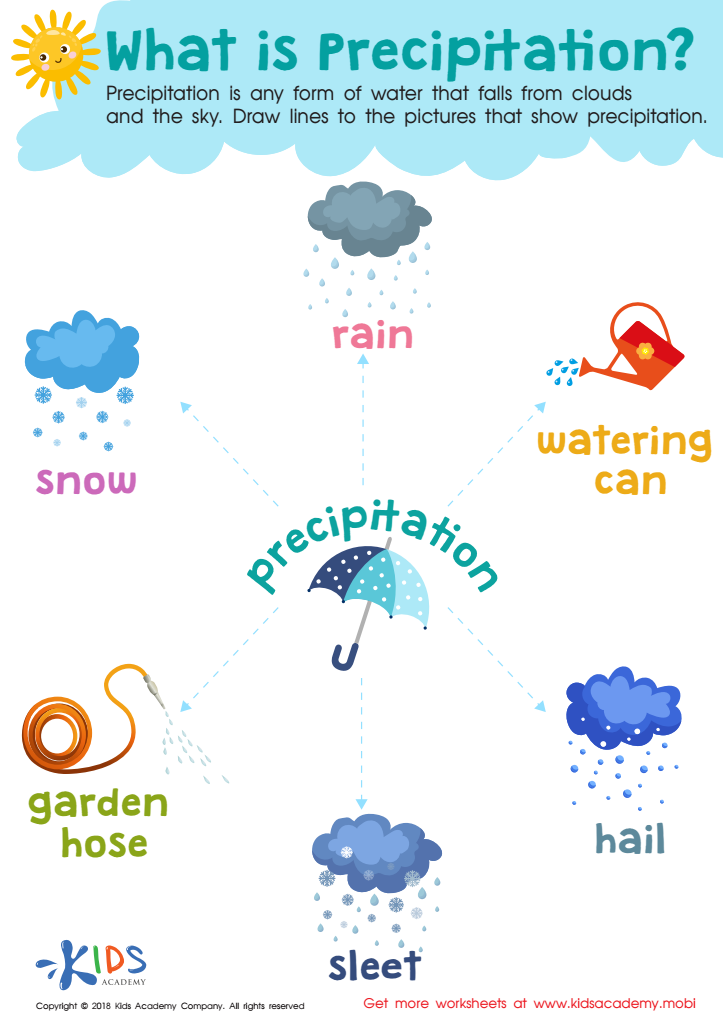
What Is Precipitation? Worksheet
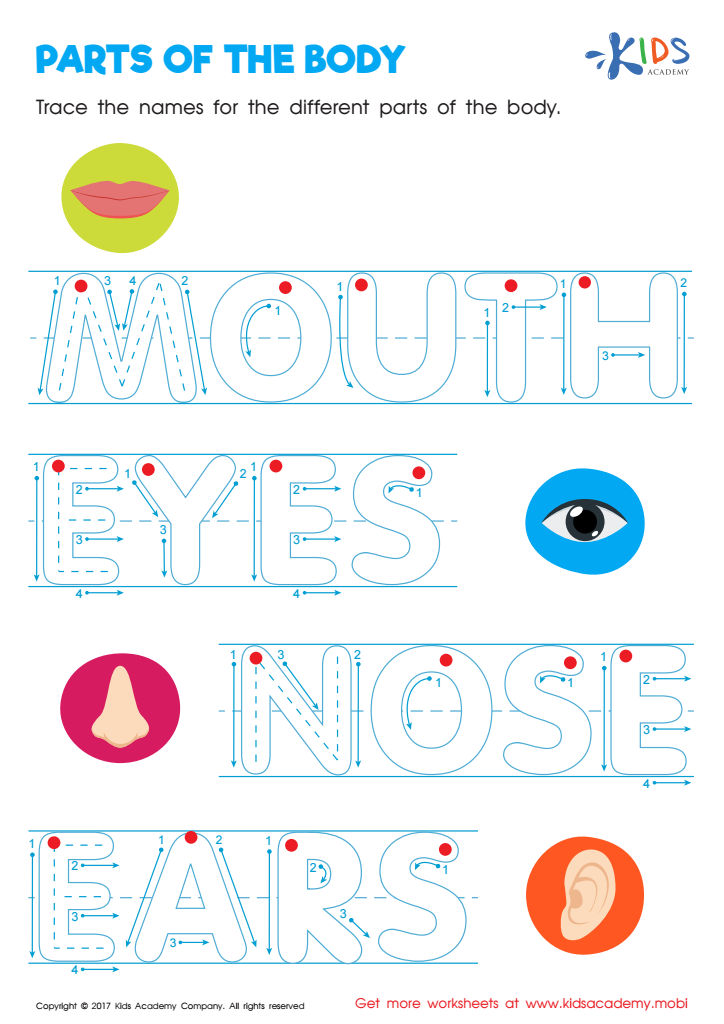








Vocabulary expansion is crucial for children aged 7-8, particularly in the Extra Challenge Science curriculum. At this age, children are developing their reading and comprehension skills which are essential for academic success. Focusing on vocabulary in a scientific context enhances their understanding of complex concepts in Biology, Chemistry, and Earth Science.
Parents and teachers must care about this aspect of learning because a strong vocabulary aids in better communication of ideas and questions. When children are familiar with scientific terminology, they are more confident in participating in discussions, completing experiments, and sharing their findings.
Moreover, expanding vocabulary fosters critical thinking. When students learn new words related to science, they are exposed to different ways of thinking and understanding the world. It promotes curiosity; children become more inclined to ask questions and explore topics that interest them.
Additionally, the ability to explain scientific ideas clearly cultivates persuasive writing and communication skills, essential for future educational endeavors. Engaged parents and teachers can guide reading, discussions, and activities that reinforce new vocabulary, ultimately enriching young learners’ educational experiences and laying the groundwork for lifelong learning. Investing in vocabulary skills at this age is crucial for developing well-rounded, aspiring scientists and informed individuals.