Fine Motor Skills Extra Challenge Tracing Letters Worksheets for 7-Year-Olds
7 filtered results
-
From - To
Boost your child's handwriting and fine motor skills with our Fine Motor Skills Extra Challenge Tracing Letters Worksheets for 7-Year-Olds. Designed for young learners eager to enhance their writing abilities, these engaging printables help kids master letter formation and control. Each worksheet offers a combination of tracing activities and additional challenges, promoting precision, coordination, and confidence in writing. With fun illustrations and easy, step-by-step instructions, our worksheets make learning enjoyable and efficient. Perfect for at-home practice or classroom use, these extra challenge tracing sheets are an excellent resource for nurturing your child's developmental journey.
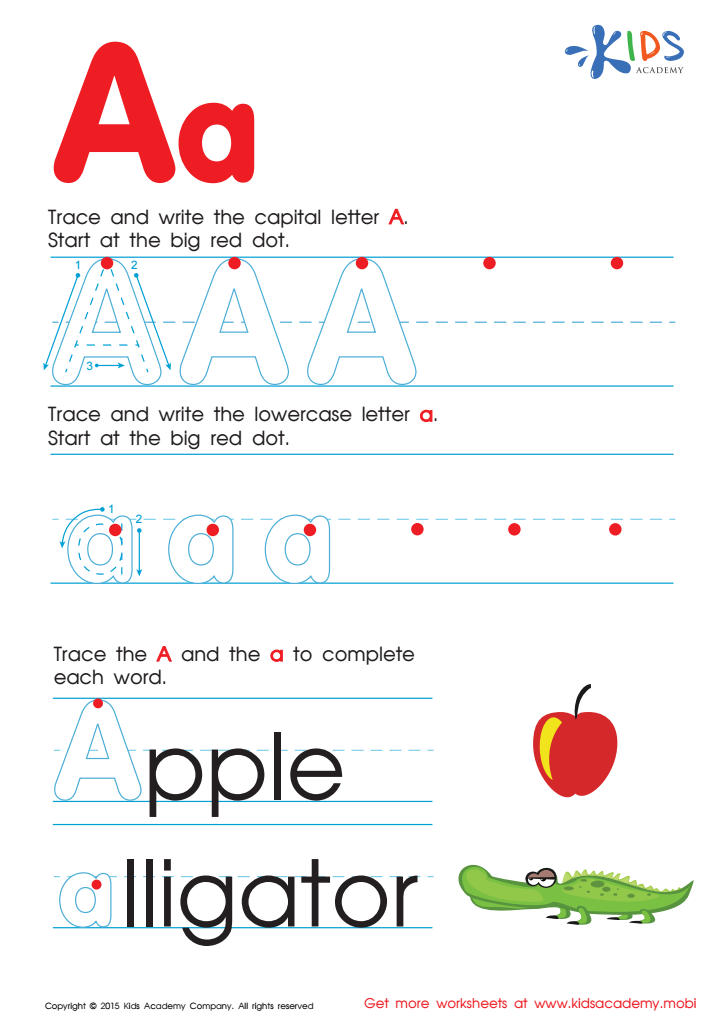
Letter A Tracing Page
 Assign to My Students
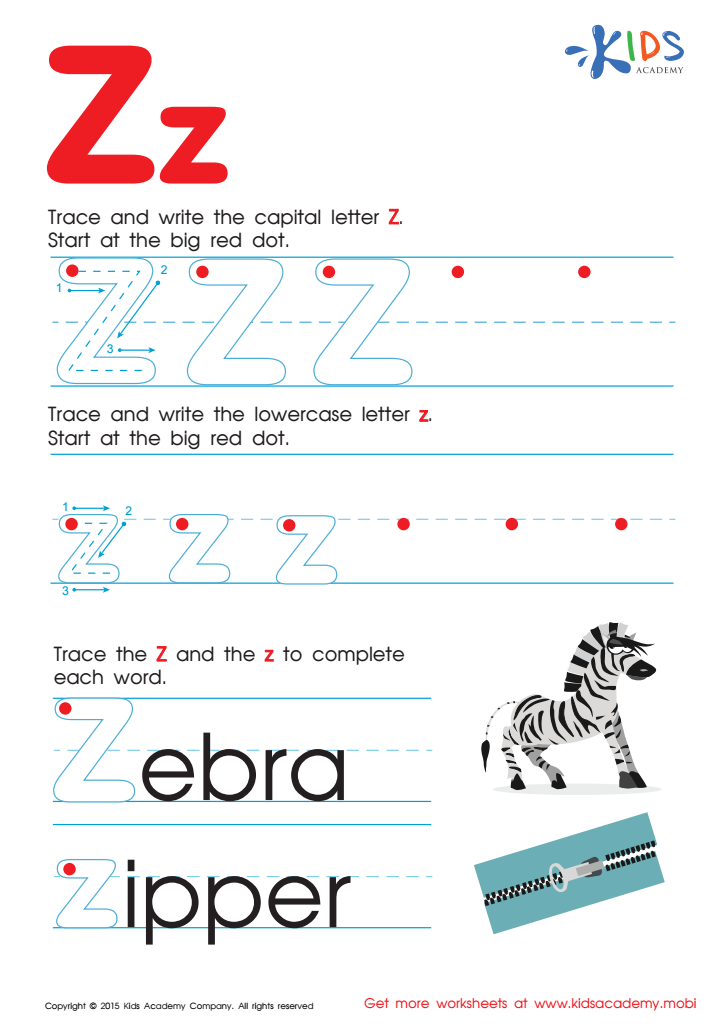
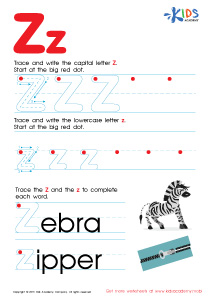
Letter Z Tracing Page
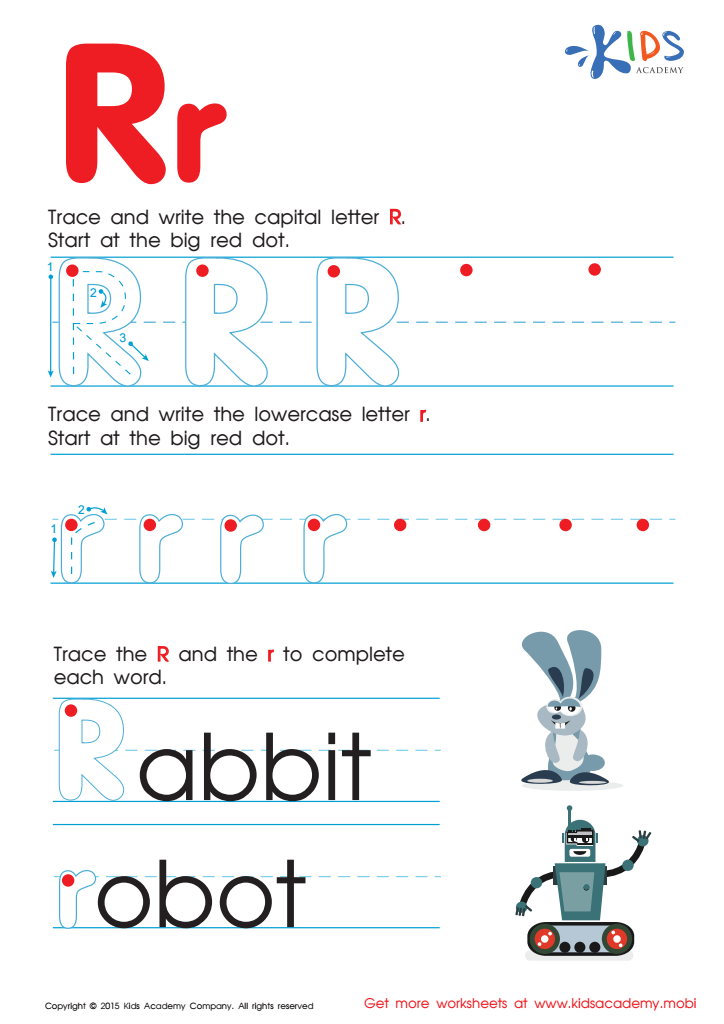
Letter R Tracing Page
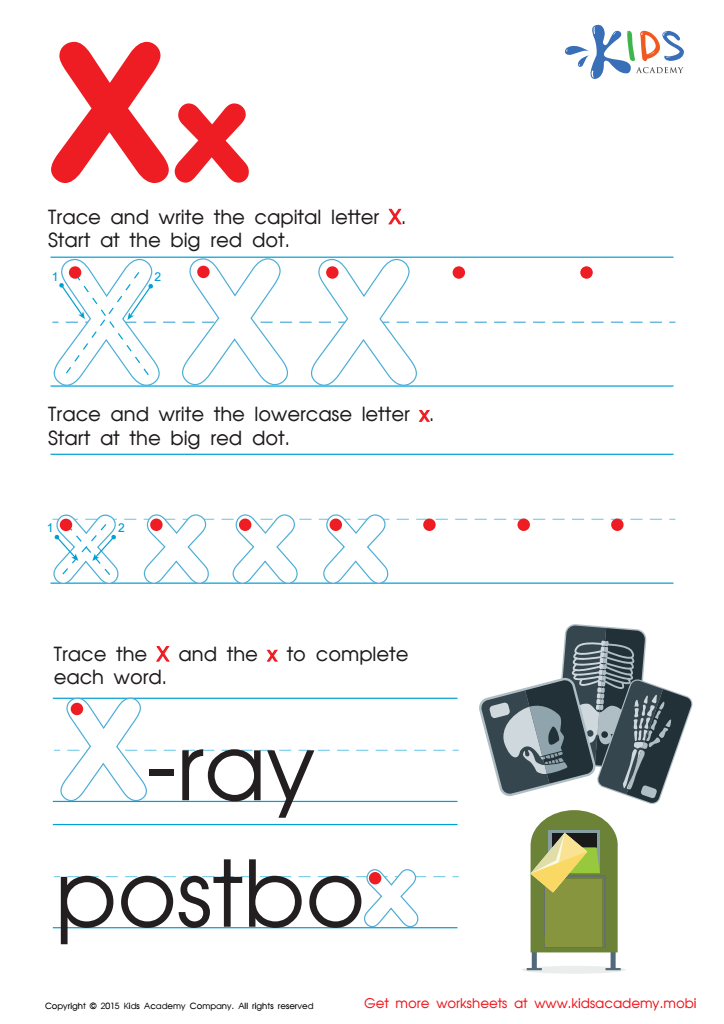
Letter X Tracing Page
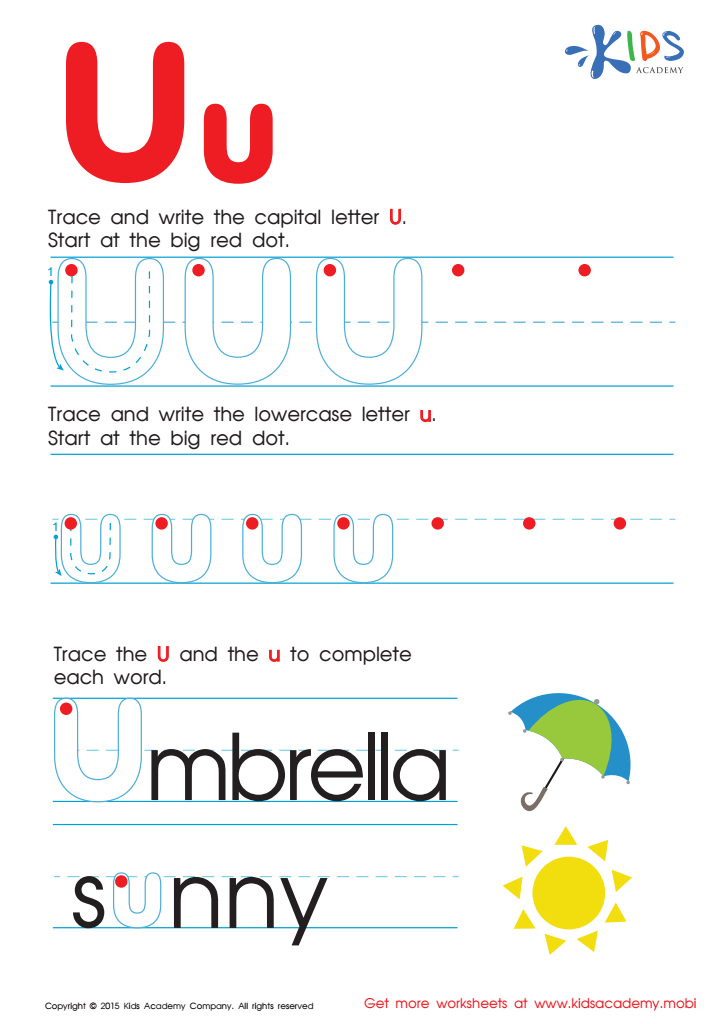
Letter U Tracing Page
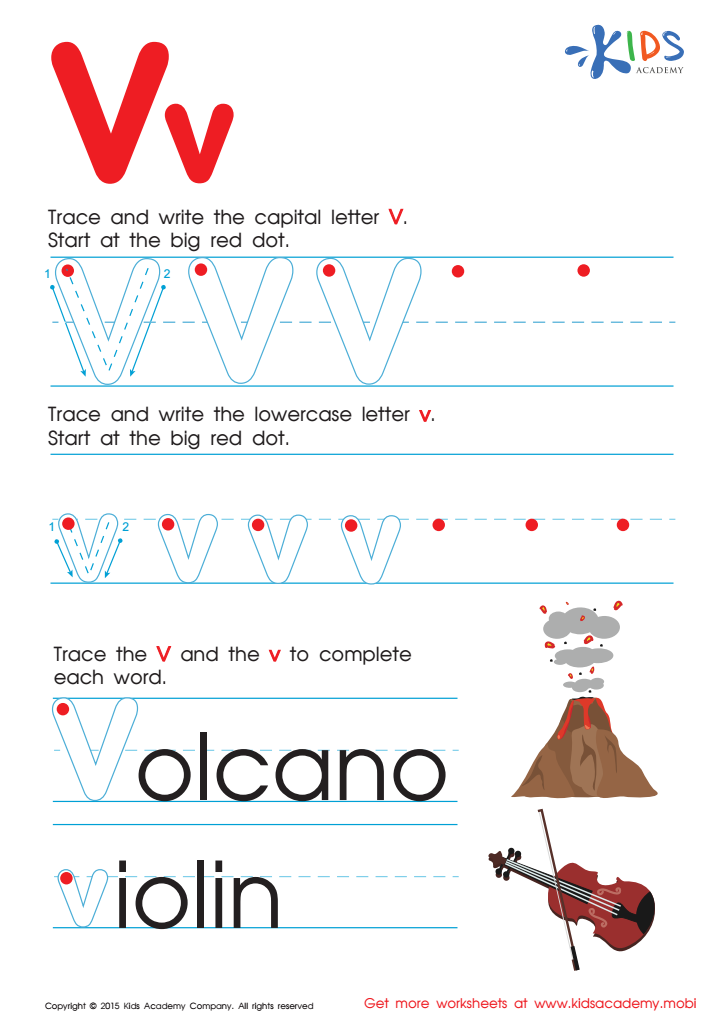
Letter V Tracing Page
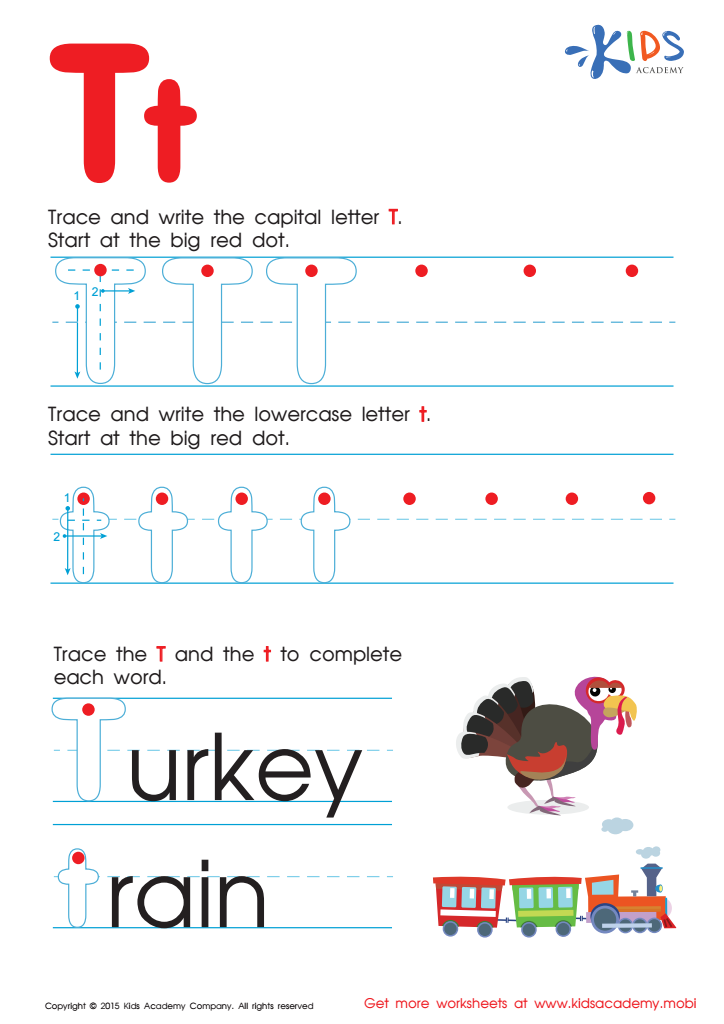
Letter T Tracing Page







Parents and teachers should keenly support Fine Motor Skills Extra Challenge Tracing Letters for 7-year-olds because it forms the foundation for numerous essential daily activities and academic tasks. Fine motor skills involve the precise coordination of muscles, nerves, and bones to create small, distinct movements, particularly with the hands. By engaging in tracing letters, children not only improve their handwriting but also enhance their hand-eye coordination, control, and dexterity.
Improved fine motor skills translate to better capabilities in other critical areas, including dressing independently, tying shoelaces, and using cutlery competently. These skills are not only practical for daily tasks but also contribute significantly to a child’s self-esteem and independence.
In an academic context, mastering these skills directly supports a smoother transition to more complex tasks such as writing essays, solving math problems, and engaging in creative projects. It taps into the educational principle of scaffolding— where foundational skills serve as scaffolds for more advanced learning and cognitive skills.
Moreover, fine motor activities stimulate brain centers related to planning, attention, and organizational skills. This structured tracing activity not only enhances cognitive development but also nurtures patience, perseverance, and fine-tuned concentration in young learners. In sum, such focus on fine motor skills equips 7-year-olds with tools essential for their holistic development and future academic success, creating a more well-rounded, capable individual.