Color recognition Extra Challenge Math Worksheets for 7-Year-Olds
3 filtered results
-
From - To
Elevate your child's math skills with our Color Recognition Extra Challenge Math Worksheets designed specifically for 7-year-olds. Perfectly balancing fun and complexity, these worksheets make learning engaging and effective. They blend advanced color recognition tasks with challenging math problems, promoting critical thinking and problem-solving abilities. Ideal for young learners eager to stretch their skills, these worksheets cover various math concepts while keeping them entertained. Downloadable and printable, they provide a convenient way for children to practice at home or on the go. Unlock your child's potential with these thoughtfully created educational resources today!
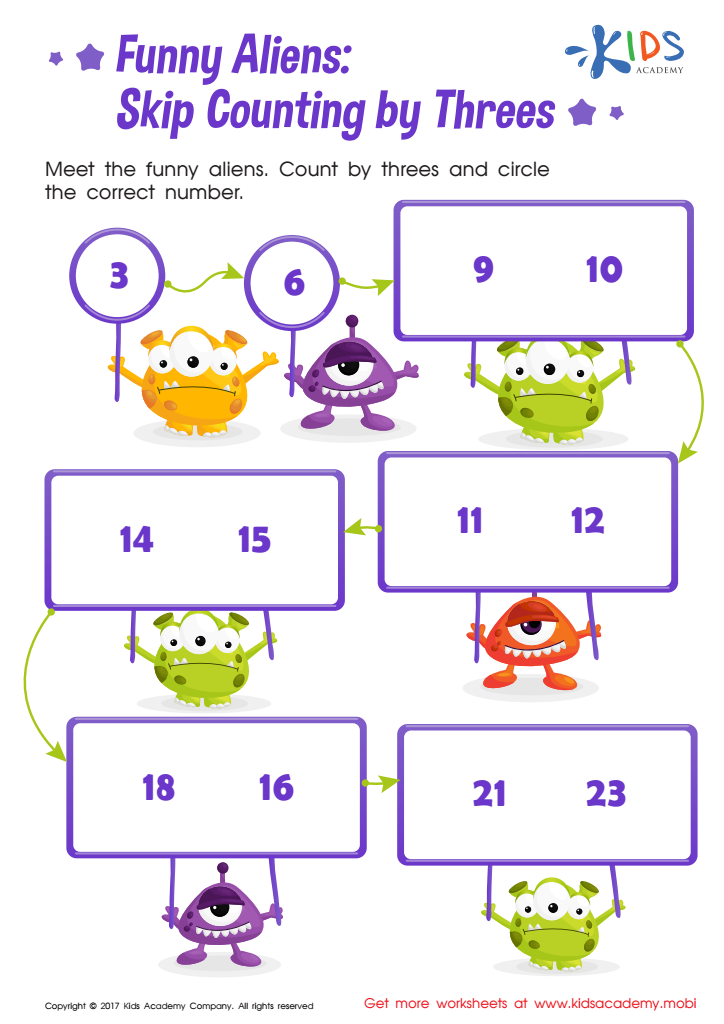
Skip Counting by 3s: Funny Aliens Printable
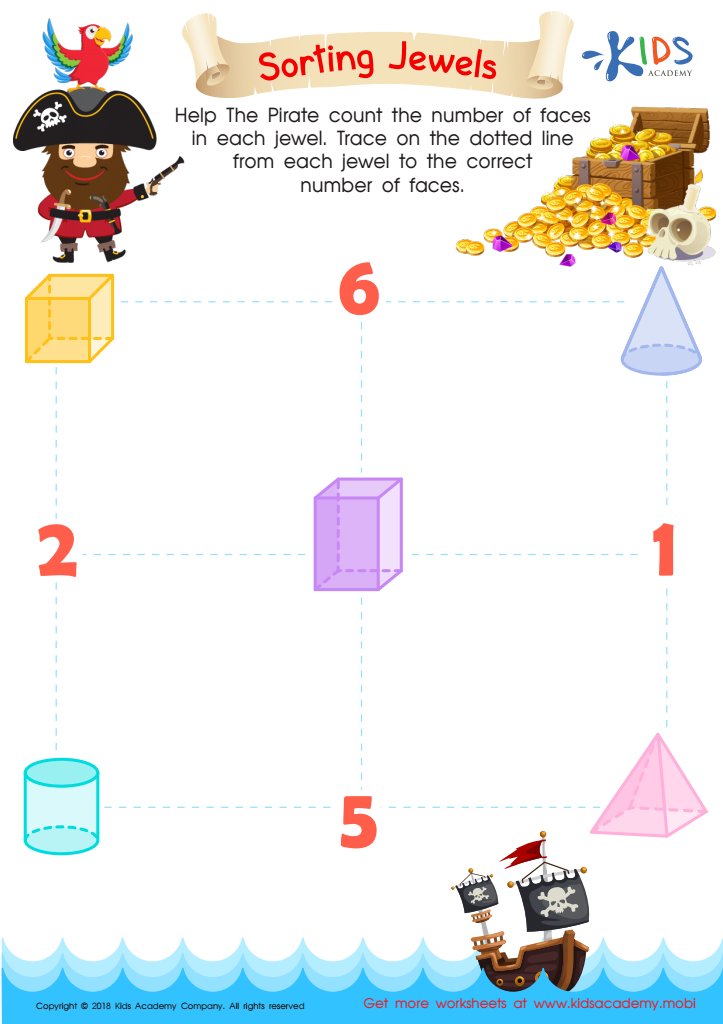
Sorting Jewels Worksheet
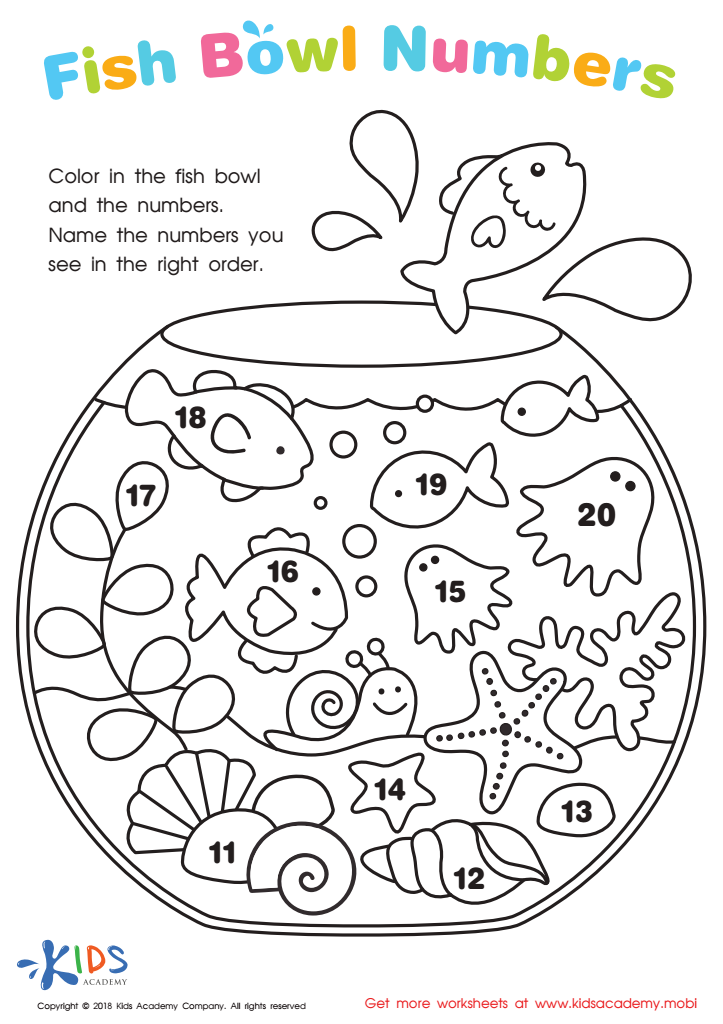
Fish Bowl Numbers Worksheet
 Assign to My Students








Color recognition and extra challenge math activities for 7-year-olds are crucial for several developmental reasons.
First, color recognition activities support cognitive development, helping children differentiate and categorize items, which is an essential skill for mathematical reasoning. When children can identify and distinguish colors accurately, they can also understand patterns and sequences, which are foundational concepts in math.
Extra challenge math activities sustain interest and provide the appropriate level of difficulty to maintain engagement and foster a love for learning. Such challenges stimulate a child's brain, encouraging critical thinking, problem-solving, and logical reasoning. They help in the development of trial and error methods, enhancing resilience and confidence in tackling problems.
Moreover, these activities cater to diverse learning styles, incorporating visual, auditory, and kinesthetic elements. For example, matching colors with corresponding math problems taps into a child's visual and cognitive abilities, creating a holistic learning experience.
Parents and teachers should care because balanced academic growth, combining color recognition with math skills, forms a solid groundwork for future educational achievements. It prepares children to face more complex subjects with confidence, ensuring they do not just excel in mathematics but develop a well-rounded intellect that is crucial for overall lifelong learning and success.








