Letter recognition Extra Challenge Alphabet Worksheets for Ages 8-9
7 filtered results
-
From - To
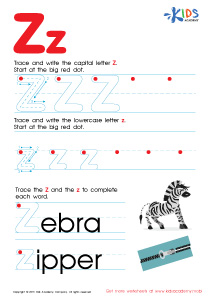
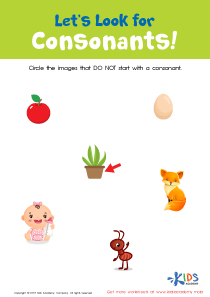
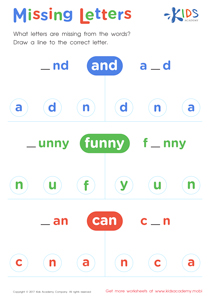
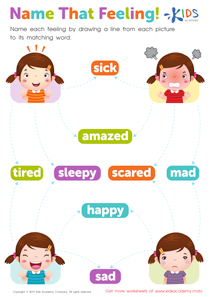
Enhance your child's letter recognition skills with our Letter Recognition Extra Challenge Alphabet Worksheets for Ages 8-9. Tailored for young learners, these engaging worksheets present a variety of fun and educational activities designed to stretch their understanding of the alphabet. Each sheet provides opportunities to identify, trace, and write letters, boosting both their confidence and literacy skills. Ideal for 2nd and 3rd graders ready to advance their alphabet knowledge, these worksheets merge fun with learning, making practicing letters an exciting journey. Encourage independent learning and watch your child's abilities grow with challenging and enjoyable tasks.
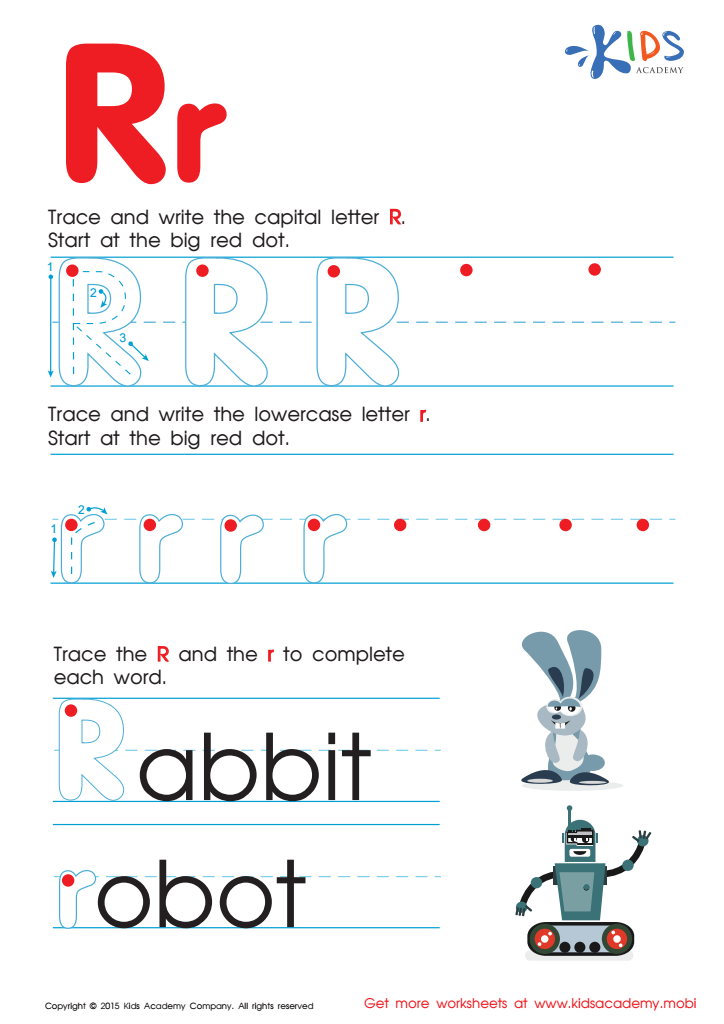
Letter R Tracing Page
 Assign to My Students
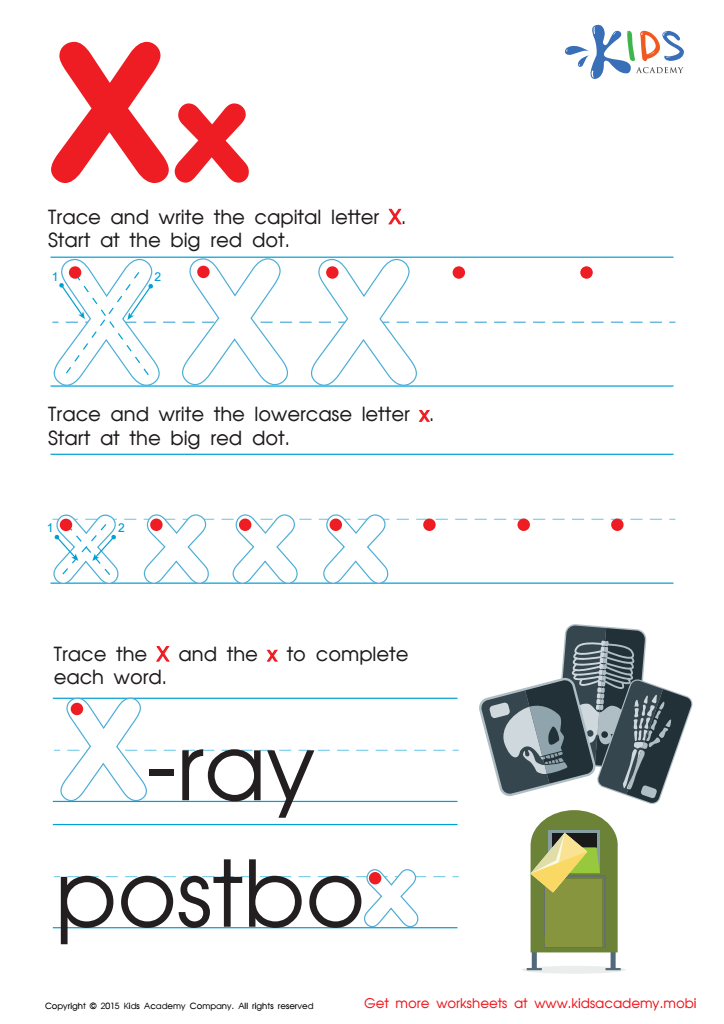
Letter X Tracing Page
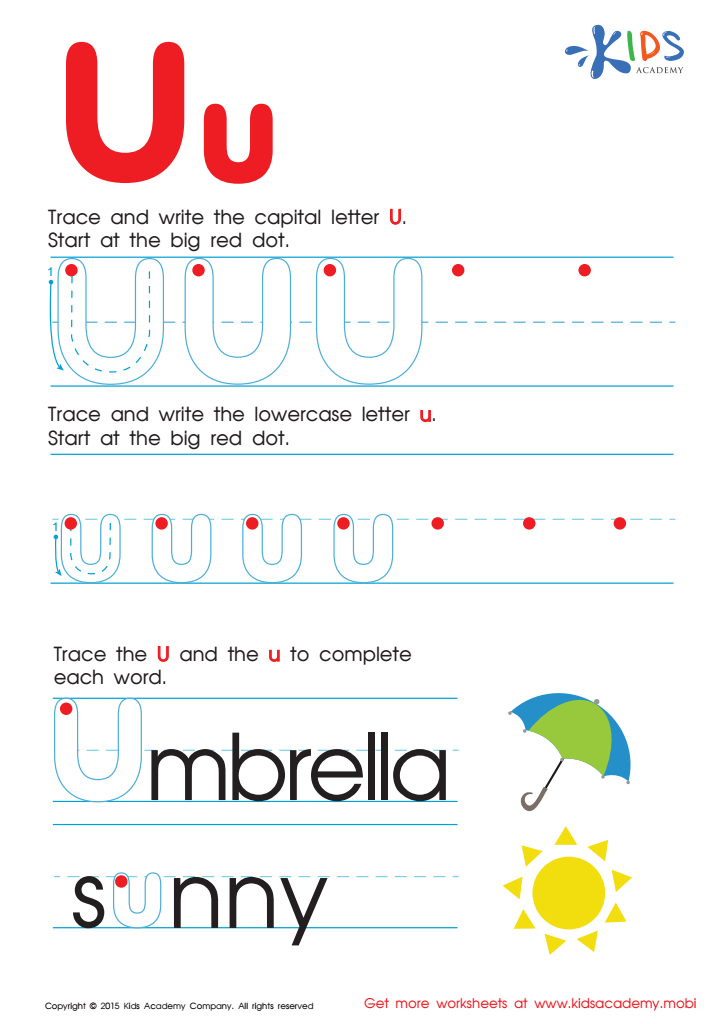
Letter U Tracing Page
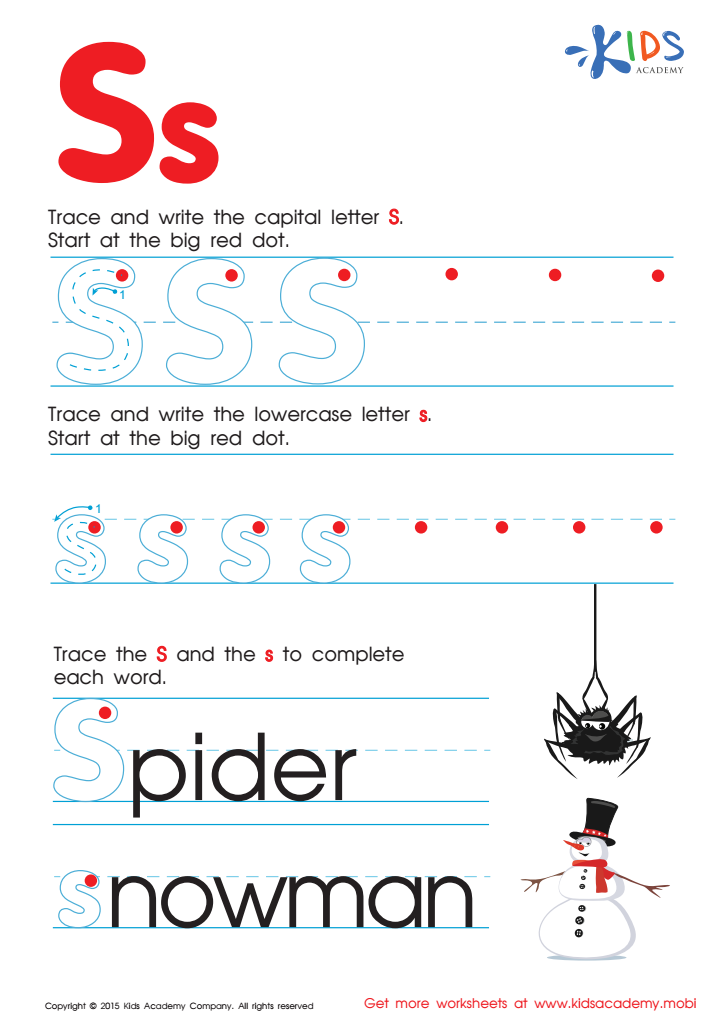
Letter S Tracing Page
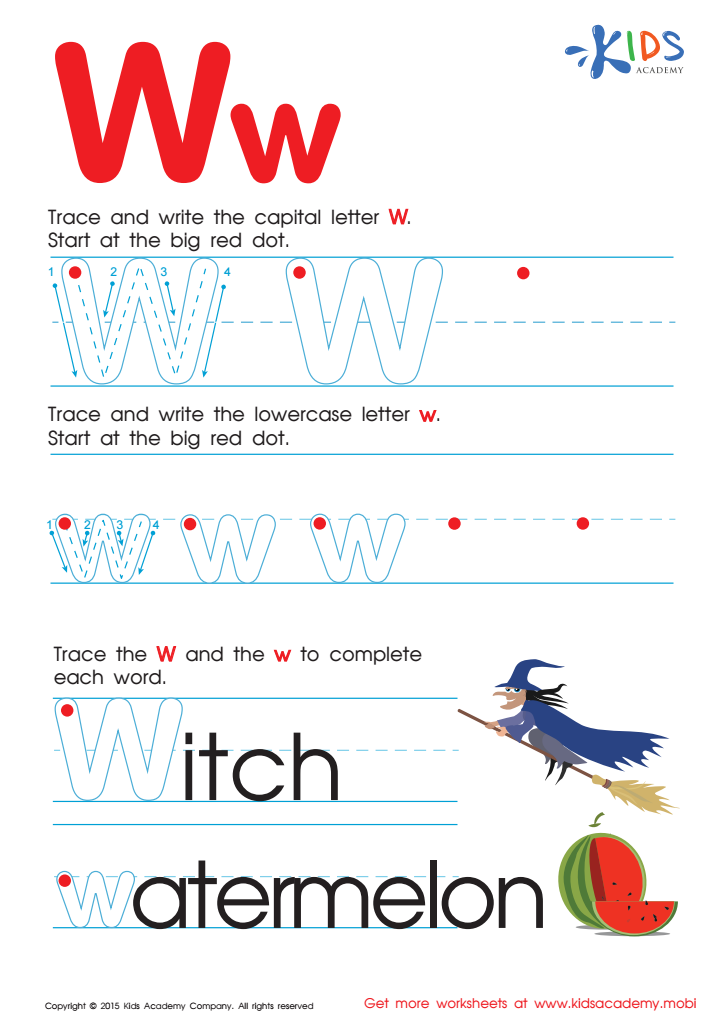
Letter W Tracing Page
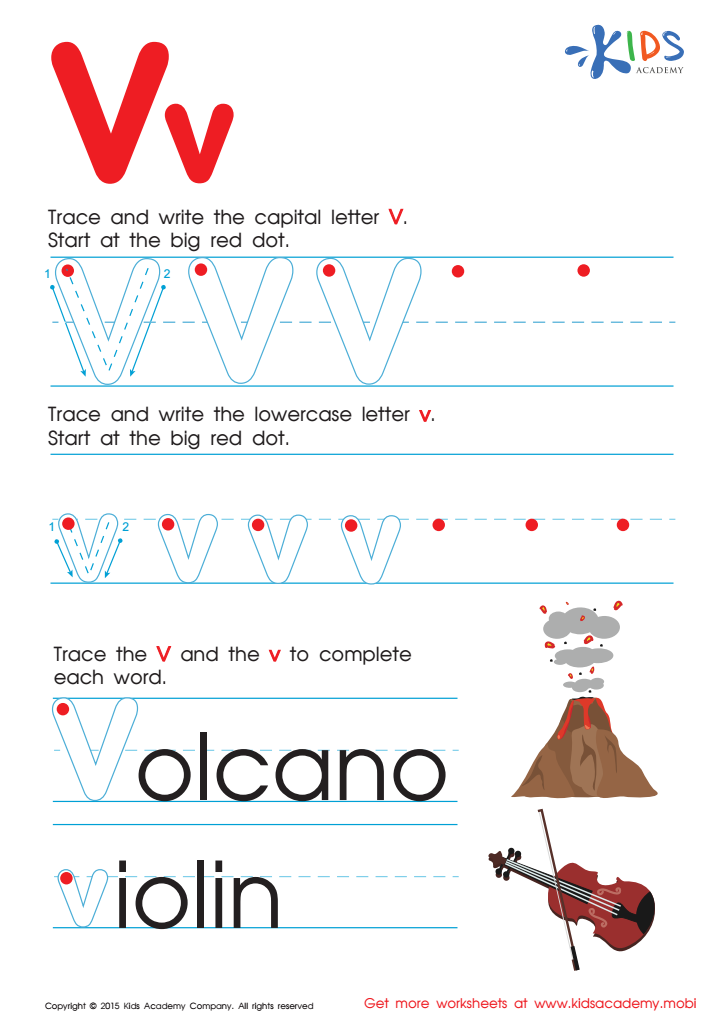
Letter V Tracing Page
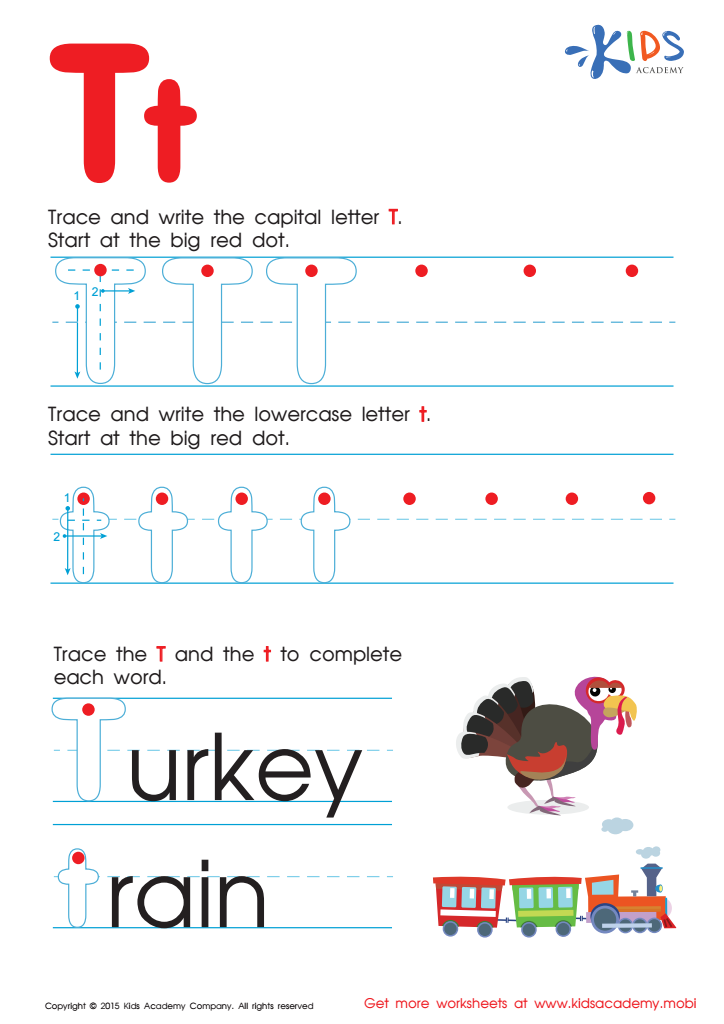
Letter T Tracing Page








Letter recognition is a foundational skill critical for reading and writing proficiency. While it’s typically emphasized in younger children, offering an extra challenge in alphabet learning for ages 8-9 can be incredibly beneficial. Around this age, children are transitioning from learning to read to reading to learn, and solidifying their mastery of letter recognition can enhance their fluency, comprehension, and confidence.
Firstly, reinforcing letter recognition can address any lingering gaps from earlier education stages. Some children might have inconsistencies in recognizing certain letters, particularly if they have switched schools, had limited access to early literacy tools, or experienced learning disruptions.
Secondly, challenges tailored to this age group can make the learning process more engaging and can foster a deeper interest in language. Puzzles, advanced matching games, and creative writing prompts that focus on less common letters or more complex word formation can stimulate their cognitive development.
Lastly, strengthening letter recognition at this stage supports spelling and vocabulary expansion, both vital for academic achievement. By ensuring children have robust letter identification skills, parents and teachers are setting them up for success in all subject areas, as reading is integral to overall learning. Taking the extra step with alphabet challenges helps children become more confident, competent readers and writers.