Fine Motor Skills Extra Challenge Letter Recognition Worksheets for Ages 8-9
7 filtered results
-
From - To
Enhance your child's fine motor skills and letter recognition with our engaging worksheets designed for ages 8-9. These extra challenge activities focus on improving writing accuracy and hand-eye coordination while reinforcing essential alphabet knowledge. Each worksheet offers exciting tasks that promote creativity and critical thinking as children trace, draw, and practice identifying letters. Perfect for at-home learning or classroom use, these resources encourage independence and help build confidence in young learners. With an attractive layout and age-appropriate content, our Fine Motor Skills Extra Challenge Letter Recognition Worksheets make learning fun while laying a strong foundation for future literacy success!
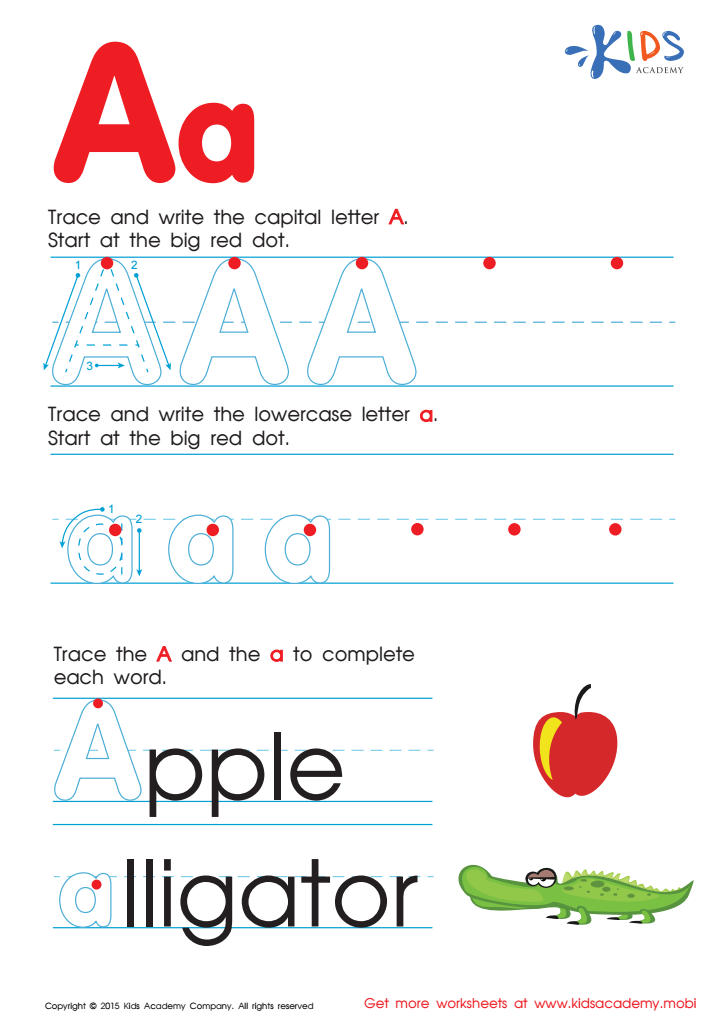
Letter A Tracing Page
 Assign to My Students
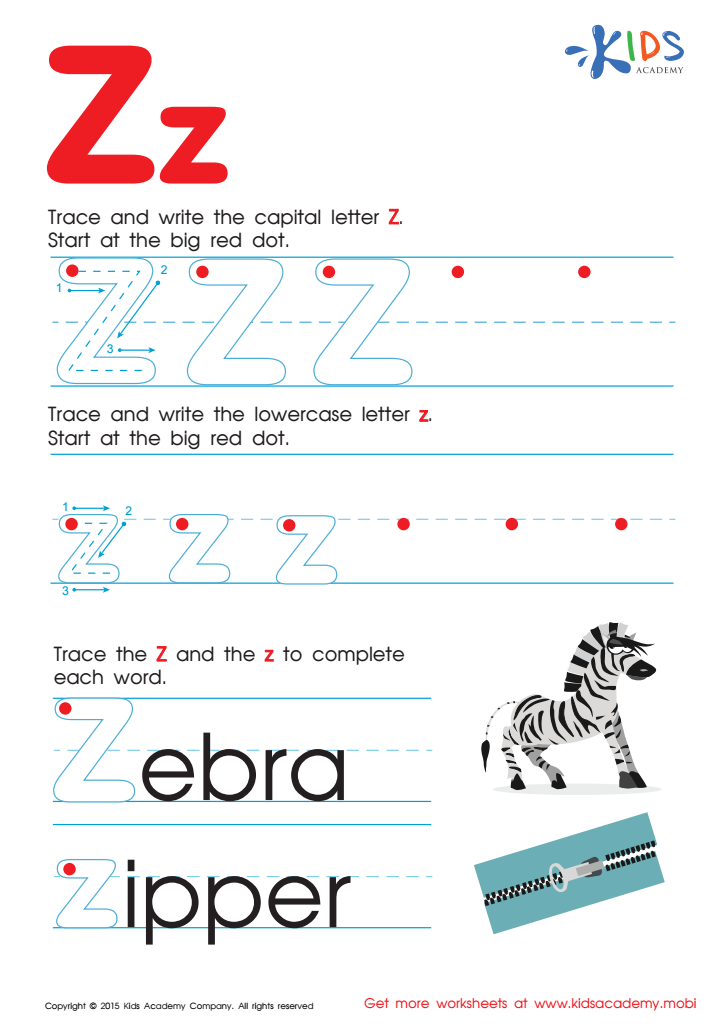
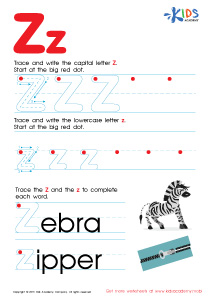
Letter Z Tracing Page
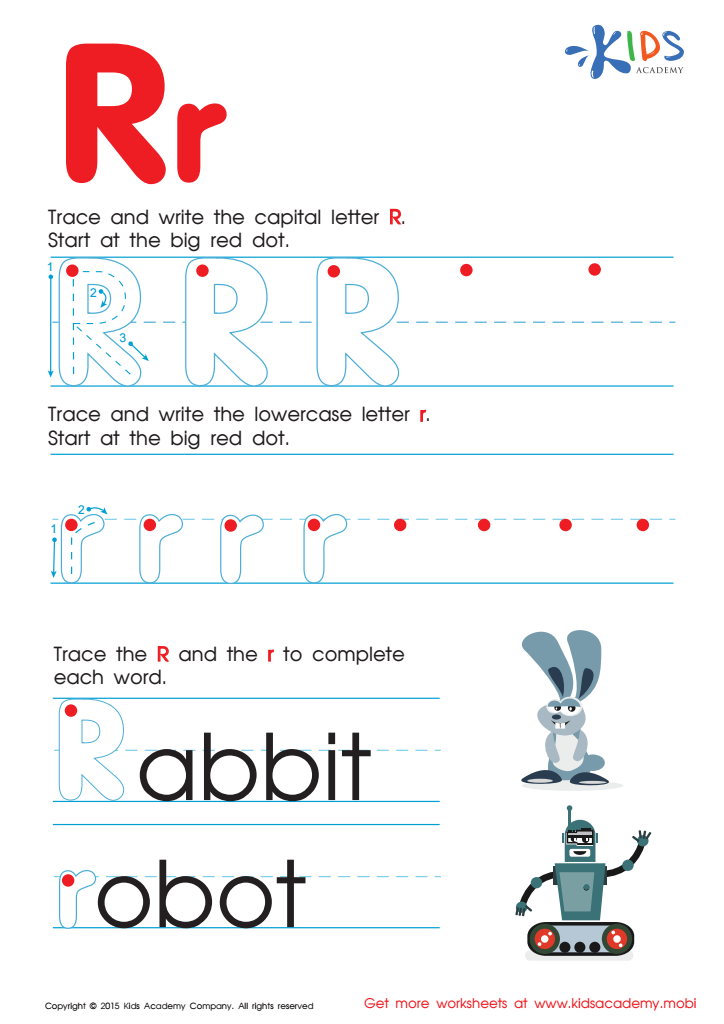
Letter R Tracing Page
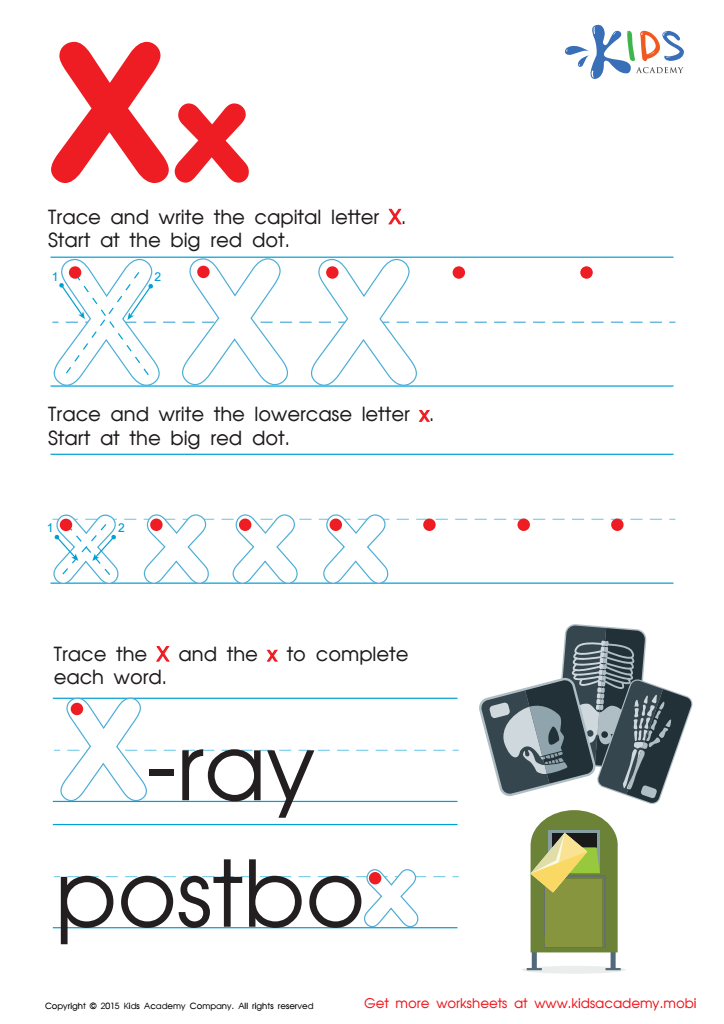
Letter X Tracing Page
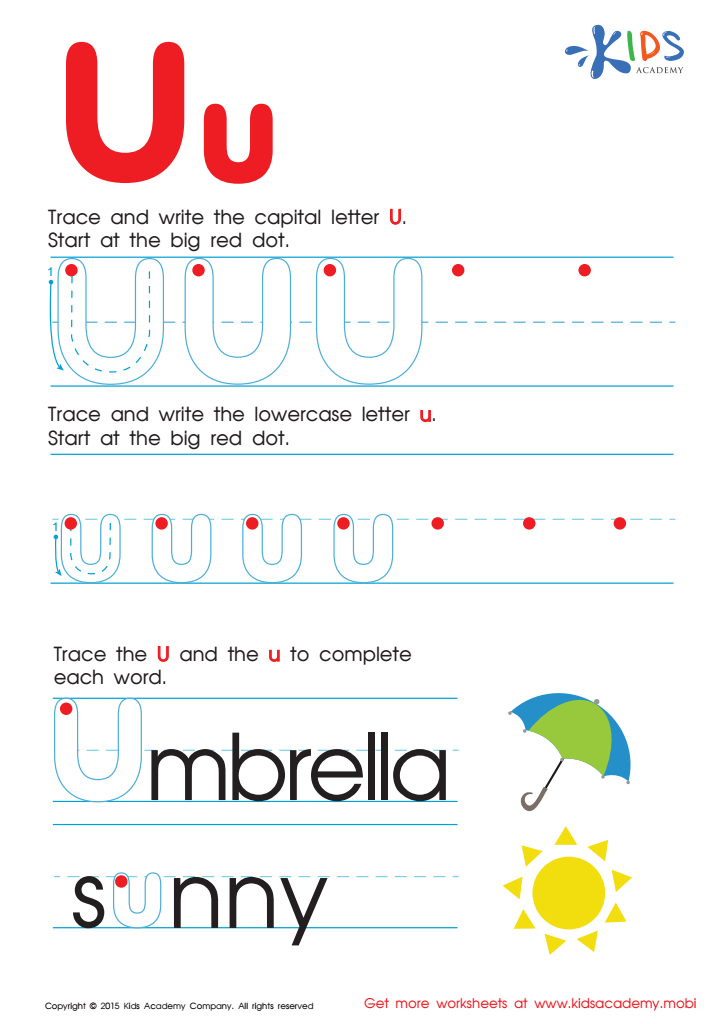
Letter U Tracing Page
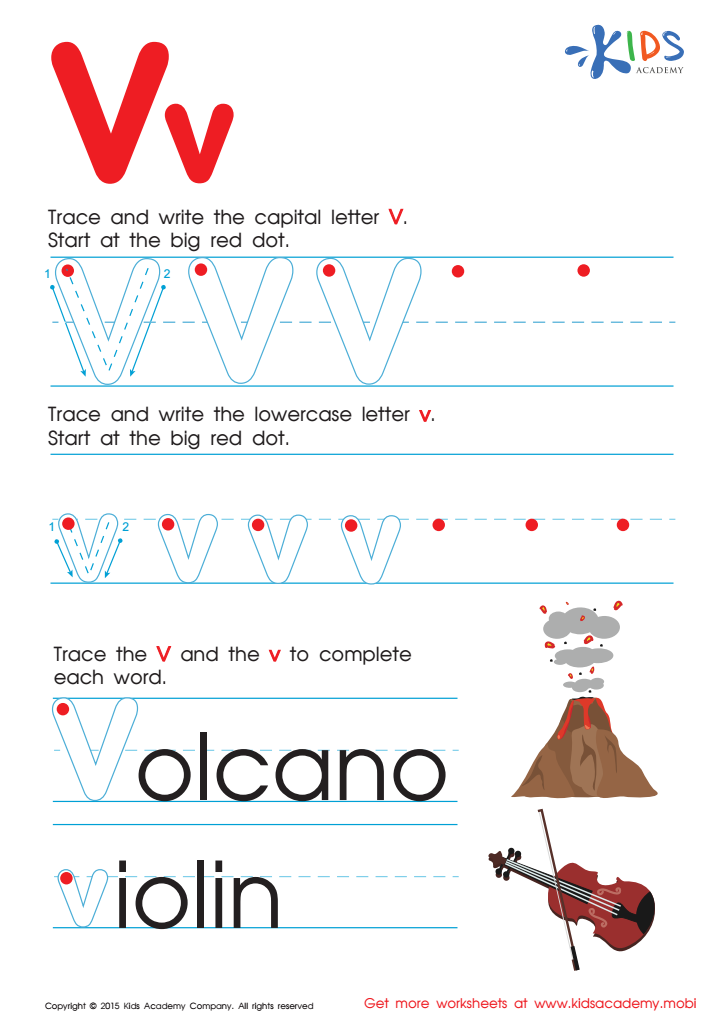
Letter V Tracing Page
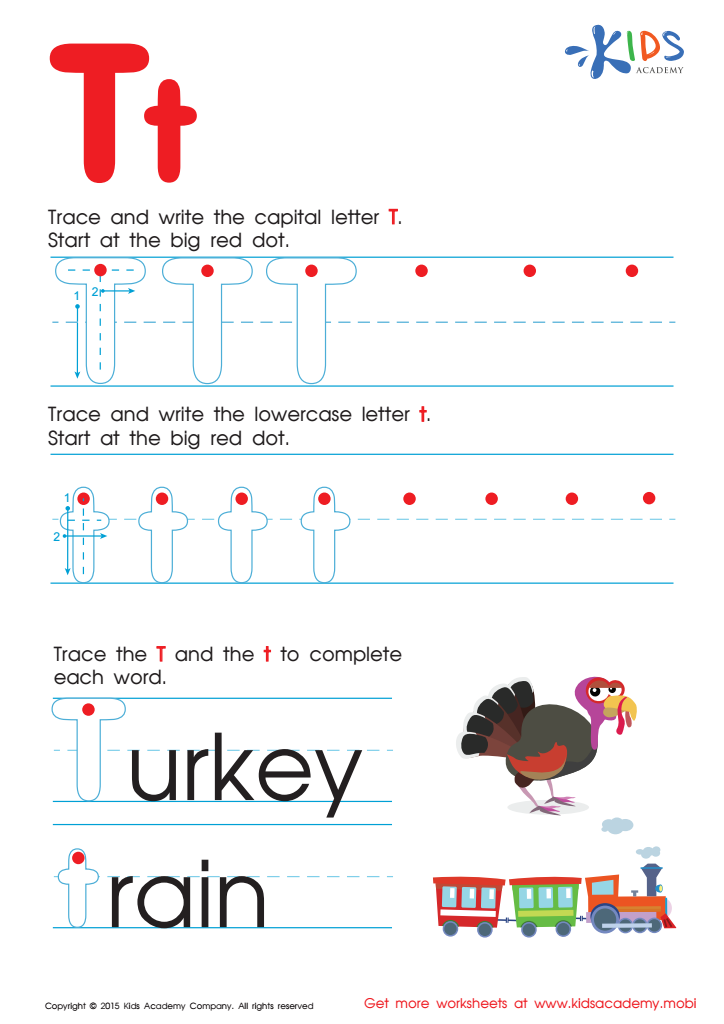
Letter T Tracing Page








Fine motor skills are crucial for children aged 8-9, as they significantly impact academic performance and everyday life. At this age, children are refining their hand-eye coordination and dexterity, which are essential for activities such as writing, drawing, and manipulating objects. The Extra Challenge in letter recognition engage students in higher-level thinking while strengthening their fine motor skills.
When teachers and parents prioritize fine motor skill development alongside letter recognition, they foster not just literacy but critical cognitive and physical growth. Improved fine motor abilities can lead to better handwriting, which enhances clarity in communication and helps build confidence in learning situations. Moreover, as children engage in hands-on activities—such as cutting, tracing, or using manipulatives—they develop patience, precision, and focus.
Recognizing letters is a foundational literacy skill; when intertwined with fine motor challenges, it encourages an active learning process that can ignite a child’s enthusiasm for education. Underestimating the importance of this combined approach may hinder a child’s overall development, leading to frustration in academic tasks. Therefore, both parents and teachers enhance a child’s learning journey by emphasizing this connection, promoting not just skill acquisition, but also cognitive and emotional growth.