Alphabet Recognition Extra Challenge Tracing Letters Worksheets for Ages 8-9
3 filtered results
-
From - To
Enhance your child's alphabet recognition skills with our "Alphabet Recognition Extra Challenge Tracing Letters Worksheets" designed specifically for ages 8-9. These engaging worksheets offer a fun and interactive way for children to practice tracing both uppercase and lowercase letters, reinforcing their understanding of the alphabet while building fine motor skills. Each worksheet features unique challenges to keep young learners motivated and invested in their learning process. Perfect for classroom use or at-home practice, these tracing activities will ensure your child becomes confident in letter recognition and writing. Download now to give your child the edge they need in their literacy journey!
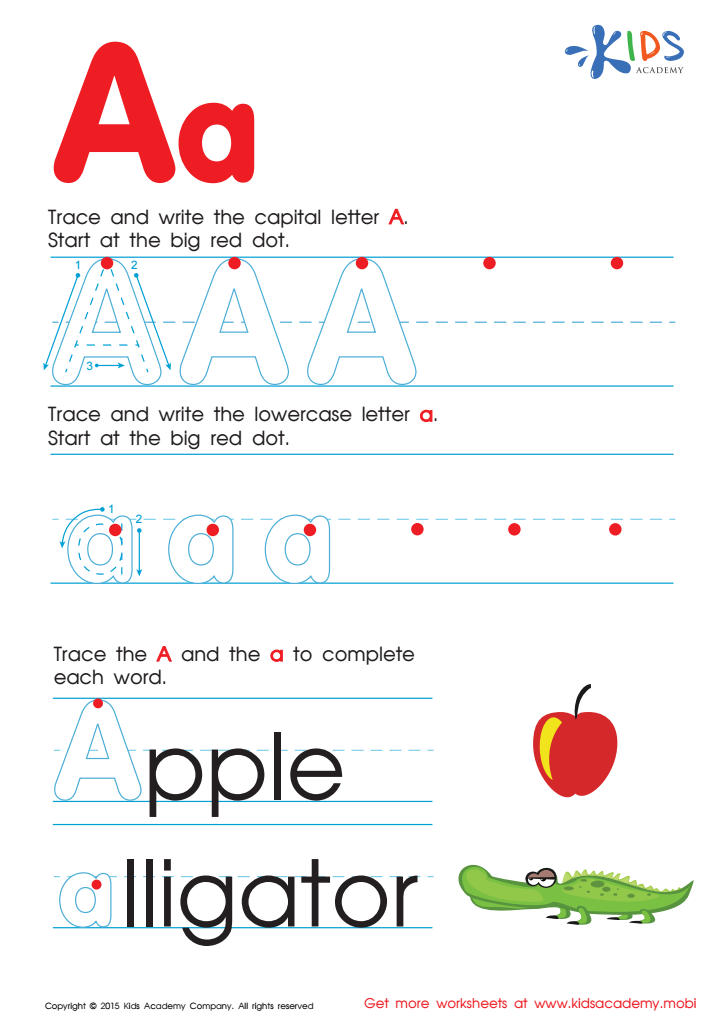
Letter A Tracing Page
 Assign to My Students
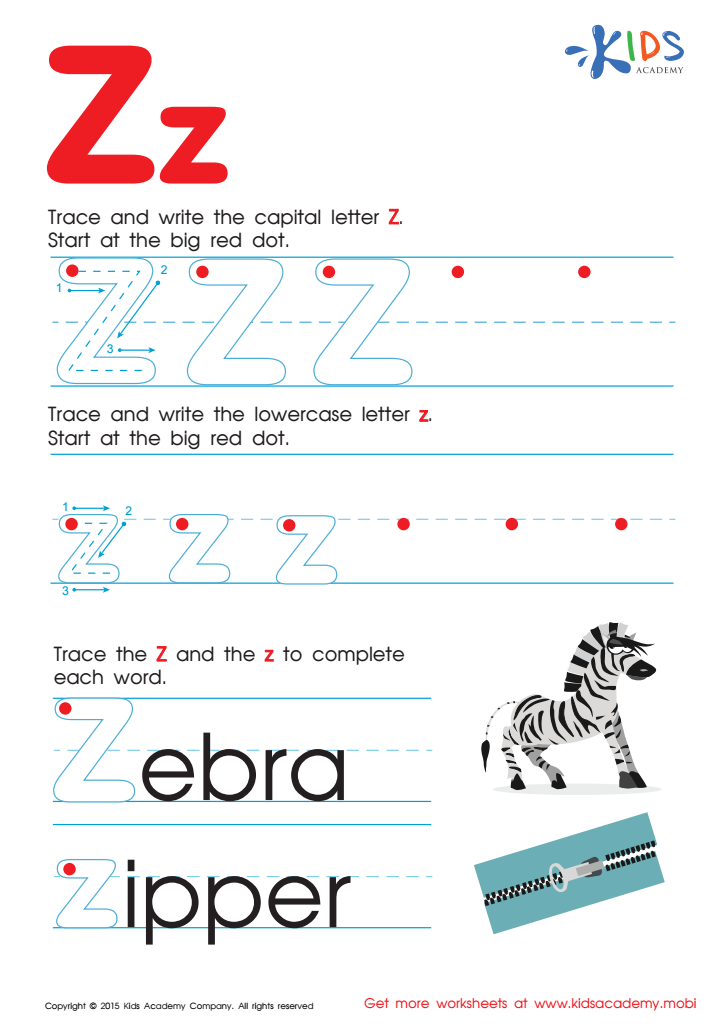
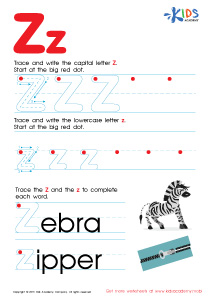
Letter Z Tracing Page
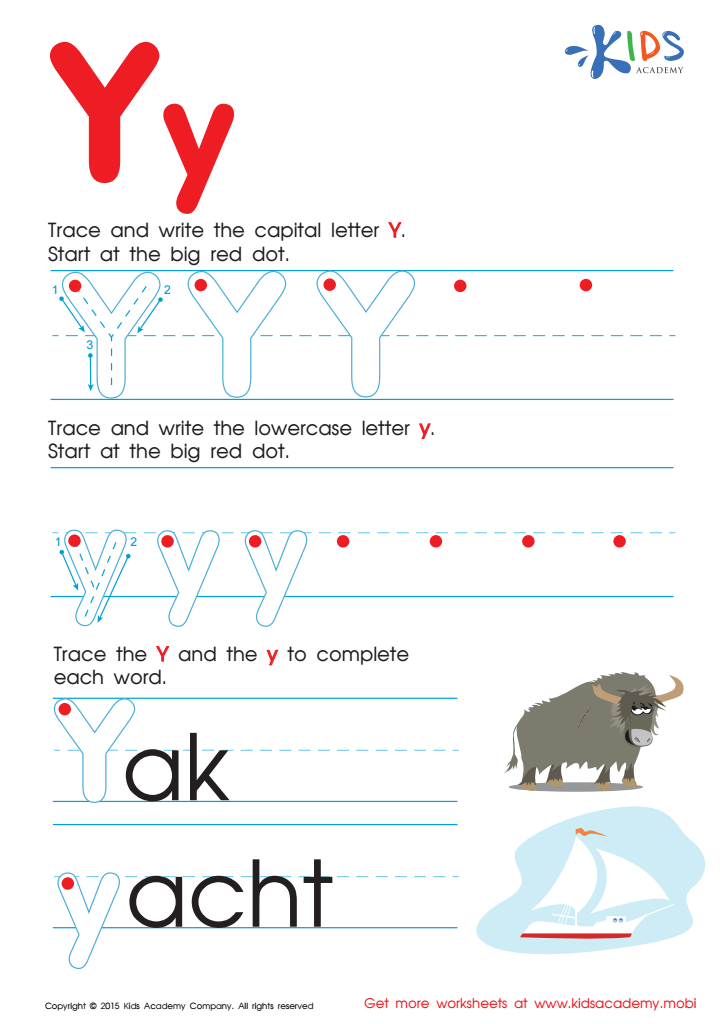
Letter Y Tracing Page








Alphabet recognition and tracing letters are essential skills for children aged 8-9, laying the foundation for literacy. At this developmental stage, students are often refining their reading and writing abilities, making the Extra Challenge activities particularly relevant. Parents and teachers should care about these activities for several reasons.
Firstly, mastering alphabet recognition is critical for reading proficiency. Children who can quickly identify and differentiate letters are better equipped to decode words, enhancing their overall reading skills. Tracing letters helps reinforce this recognition while also improving fine motor skills, which are vital for writing.
Moreover, engaging in extra challenges has been shown to foster a growth mindset in young learners. When children tackle challenging activities, they develop resilience and problem-solving skills, both of which are invaluable throughout their educational journey.
Additionally, consistent practice through tracing can help solidify letter formation, essential for writing legibility and speed. This attention to detail is particularly beneficial as students begin composing sentences and crafting longer pieces of writing.
In summary, Alphabet Recognition Extra Challenge Tracing Letters actively contributes to a child's literacy development while promoting essential motor skills and a positive attitude towards learning. Supporting children in these exercises sets them up for future success.