
Color recognition Extra Challenge Worksheets for Ages 8-9
4 filtered results
Difficulty Level
Grade
Age
-
From - To
Subject
Activity
Standards
Enhance color recognition skills with our Extra Challenge Worksheets designed specifically for ages 8-9. These engaging worksheets provide a fun and interactive way for children to deepen their understanding of colors and their applications in everyday life. Young learners will face exciting challenges that encourage critical thinking and creativity while reinforcing their learning through vibrant illustrations and stimulating activities. Perfect for home or classroom use, these worksheets promote skill mastery and confidence. Discover the joy of learning and watch as your child excels in color recognition through our thoughtfully crafted resources specifically tailored for this developmental stage!
Favorites
With answer key
Interactive
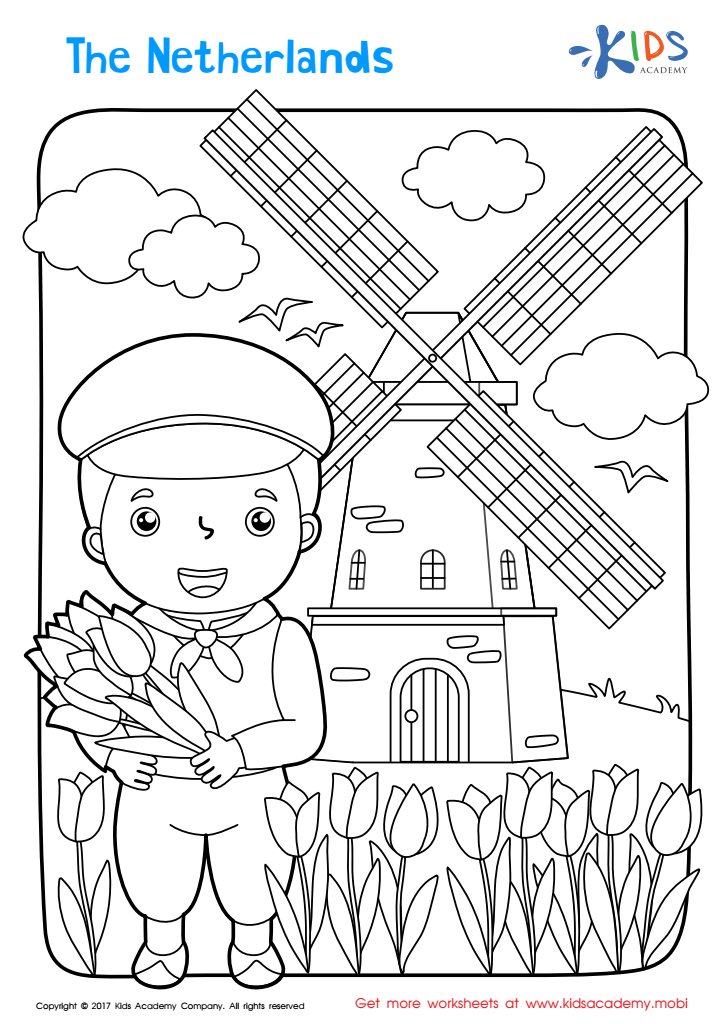
The Netherlands Printable
Explore the world with this fun Netherlands coloring page! Your child will discover Dutch windmills in the landscape. Expand their knowledge with a chat about the Netherlands!
Download (PDF)
 Assign to My Students
Assign to My Students
The Netherlands Printable
Worksheet
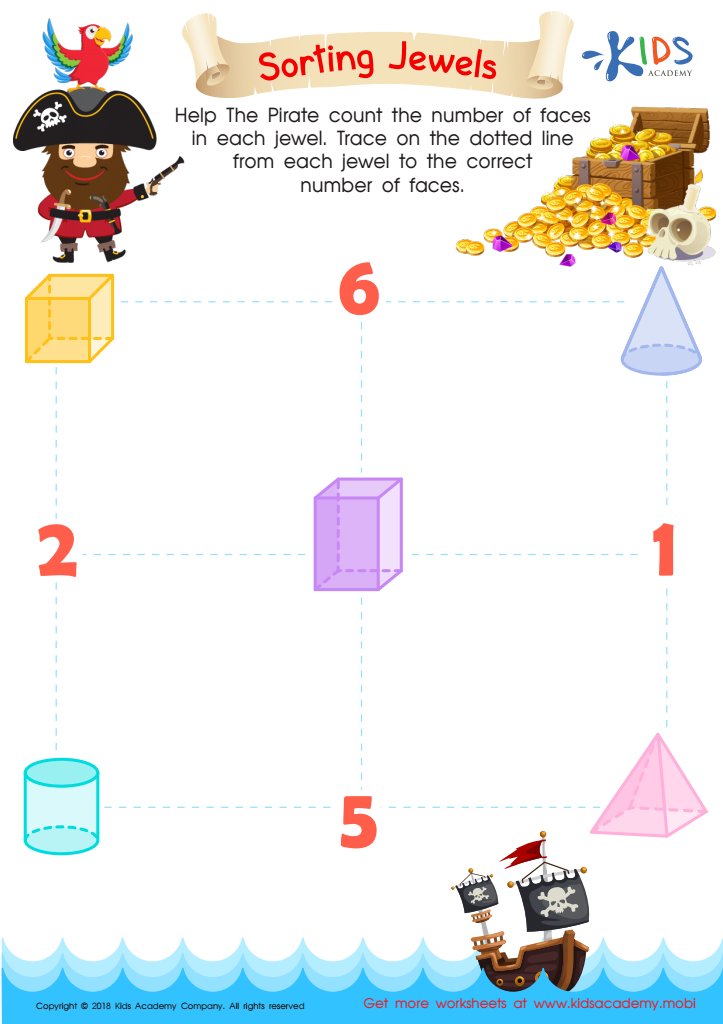
Sorting Jewels Worksheet
Help your kids explore their pirate fantasies with this tracing sheet. Ask them to count the number of faces in each jewel and then trace the dotted line to the correct number. How many faces does a rectangle have? What about a triangle and a cone? This fun worksheet is a great way to teach your kids the basics of identifying the number of faces on shapes.
Sorting Jewels Worksheet
Worksheet
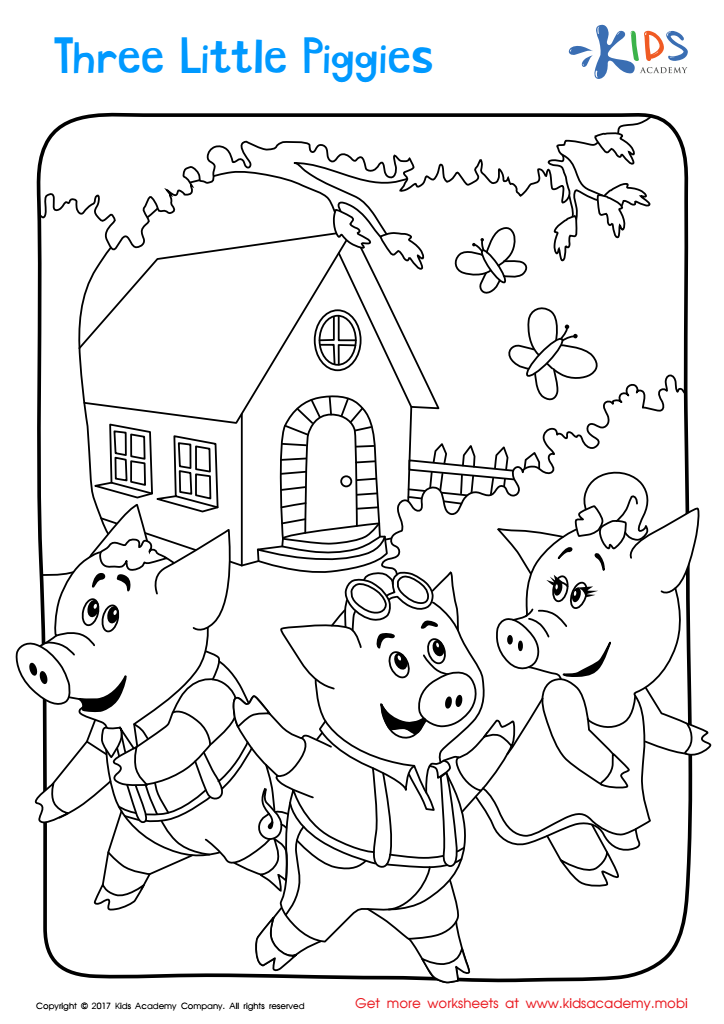
Three Little Piggies Printable Coloring Page
Recall a childhood favorite with your child and color in the Three Little Piggies printable. It's a great way to excite them for reading, as it helps them learn about characters and plot.
Download (PDF)
Assign to My Students
Assign to My Students
Three Little Piggies Printable Coloring Page
Worksheet
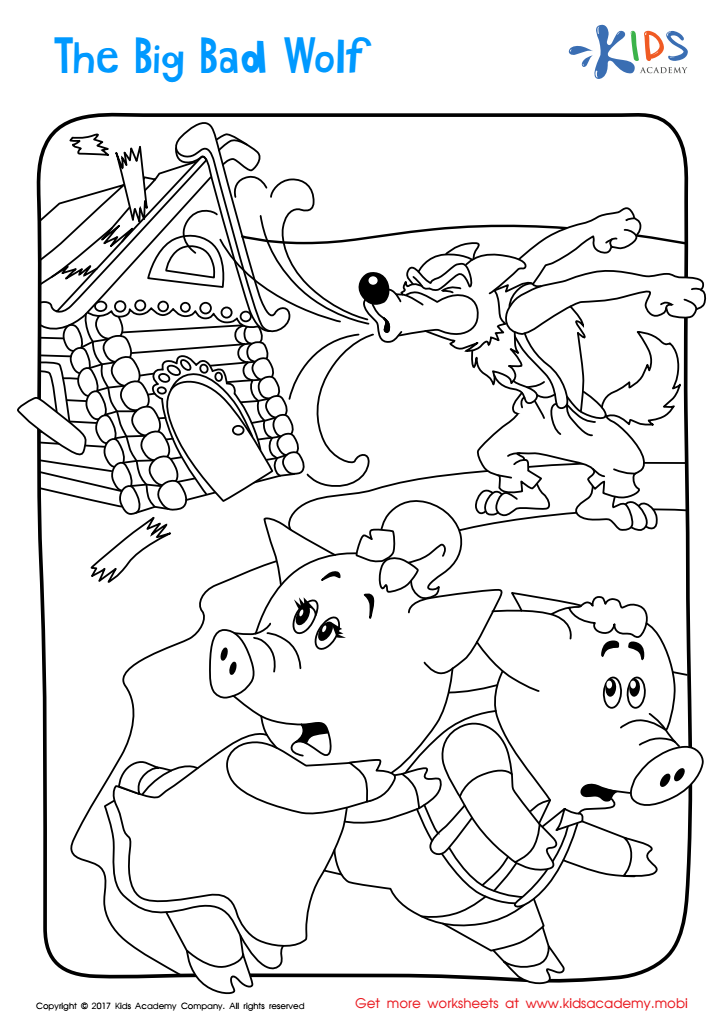
Big Bad Wolf Printable Coloring Page
Let your child have fun coloring the Big Bad Wolf blowing down the little pig's house! This printable coloring page introduces the classic tale, helping to develop reading comprehension skills.
Download (PDF)
Assign to My Students
Assign to My Students
Big Bad Wolf Printable Coloring Page
Worksheet
Join Kids Academy for Free
Who is primarily going to use this learning content?






Color recognition is a foundational skill that extends beyond simply identifying colors; it plays a crucial role in various cognitive and developmental milestones for children aged 8-9. Parents and teachers should care about this skill for several reasons.
Firstly, understanding colors enhances a child’s ability to categorize and make connections, which is essential for problem-solving and critical thinking. At this age, children are beginning to engage with complex concepts in art, science, and literature, where color plays a pivotal role in communication and expression.
Secondly, color recognition is closely tied to emotional and social development. Colors can evoke feelings and ideas, aiding children in expressing their emotions and understanding those of others. This can improve their social interactions and empathy.
Furthermore, engaging children in extra challenges related to color recognition can stimulate their creativity and imagination, encouraging them to explore color theory in practical ways—such as through art projects or experiments.
By highlighting color recognition as an important area of growth, parents and teachers can provide children with tools that enhance their learning experiences, making education both enjoyable and effective. Investing in these skills contributes positively to a child’s overall development and future learning opportunities.








