Alphabet Recognition Extra Challenge Tracing Letters Worksheets for 8-Year-Olds
3 filtered results
-
From - To
Boost your child's reading skills with our engaging Alphabet Recognition Extra Challenge Tracing Letters Worksheets, designed specifically for 8-year-olds. These dynamic worksheets offer a unique approach to mastering letter shapes and sounds through tracing activities that promote fine motor skills and confidence. Each worksheet is tailored to provide an enjoyable learning experience, blending fun with education. Children will enhance their alphabet recognition while reinforcing letter formation with extra challenges. Ideal for both classroom and at-home use, these worksheets create opportunities for active learning and independent practice, setting a solid foundation for future literacy success. Download now and inspire your young learner!
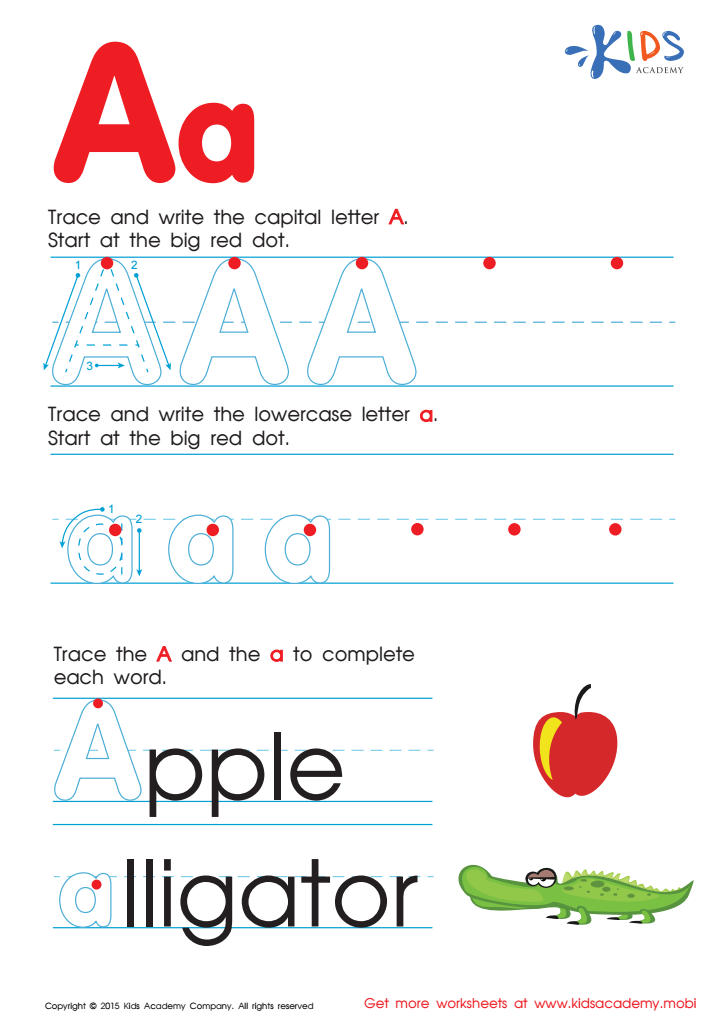
Letter A Tracing Page
 Assign to My Students
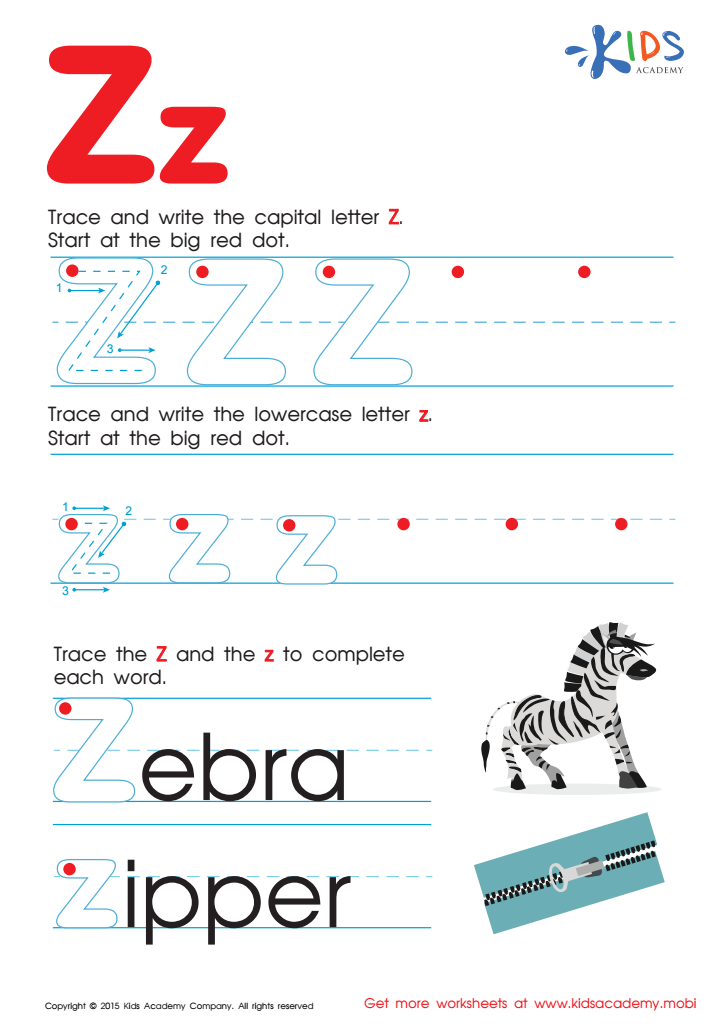
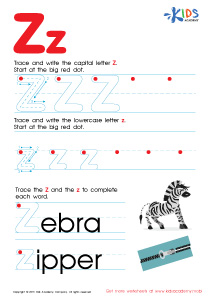
Letter Z Tracing Page
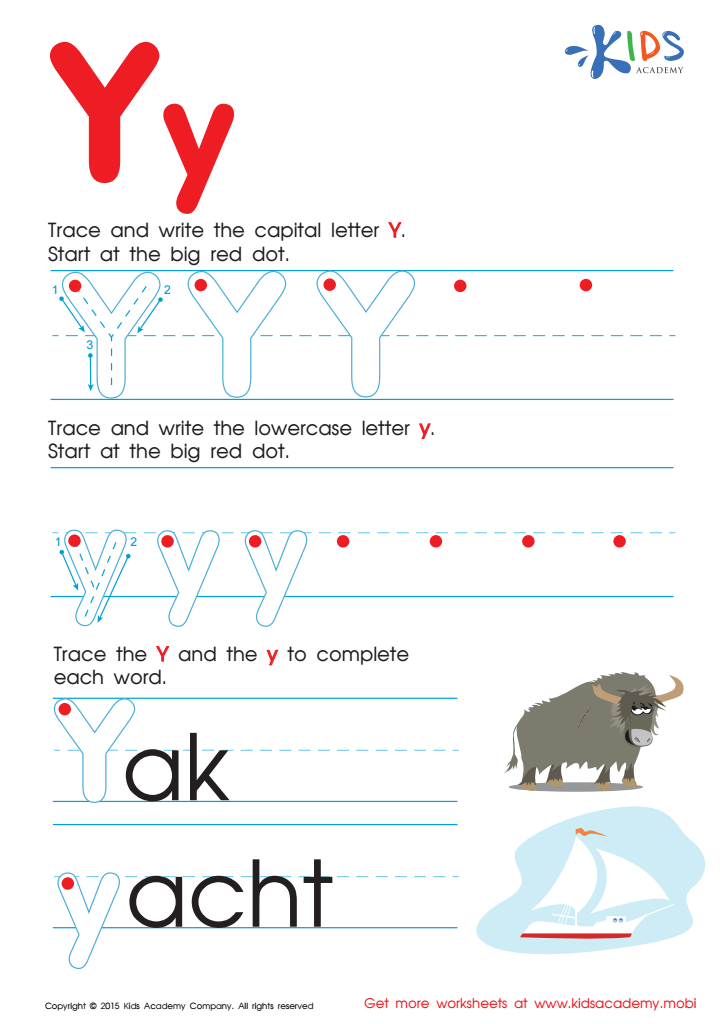
Letter Y Tracing Page







Alphabet recognition is a fundamental skill that lays the groundwork for literacy and overall academic success. For 8-year-olds, developing a strong understanding of letters is essential as they transition from learning to read to reading to learn. The Alphabet Recognition Extra Challenge, particularly tracing letters, provides an engaging way to reinforce this critical skill.
Tracing letters helps improve fine motor skills, as it involves precise hand movements. This activity not only enhances their penmanship but also aids in letter formation, making it easier for children to write words confidently. By emphasizing correct letter recognition, parents and teachers can ensure that children develop good reading habits early, which can foster a greater love for reading.
Additionally, incorporating fun and interactive tracing challenges can capture the child's interest, making learning enjoyable and effective. This creates a positive learning environment where children are more motivated to practice and improve. As they master their letters, they gain self-confidence, which is crucial for their overall emotional development. Ultimately, emphasizing Alphabet Recognition and tracing as an extra challenge cultivates essential literacy skills that will benefit children in all areas of their education and beyond.