Alphabet Recognition Extra Challenge English for Beginners Worksheets for 8-Year-Olds
3 filtered results
-
From - To
Discover the excitement of mastering the alphabet with our "Alphabet Recognition Extra Challenge English for Beginners Worksheets for 8-Year-Olds." Designed to be both fun and educational, these worksheets help young learners enhance their English skills through engaging activities. Perfect for 8-year-olds, each sheet offers challenges that boost letter recognition and language understanding in an enjoyable way. Ideal for ESL students, our resources combine proficiency with play, nurturing confidence in reading and writing. Empower your child's alphabet journey with these expertly crafted worksheets, making learning a thrilling adventure. Unlock success with Kids Academy's exceptional educational tools!
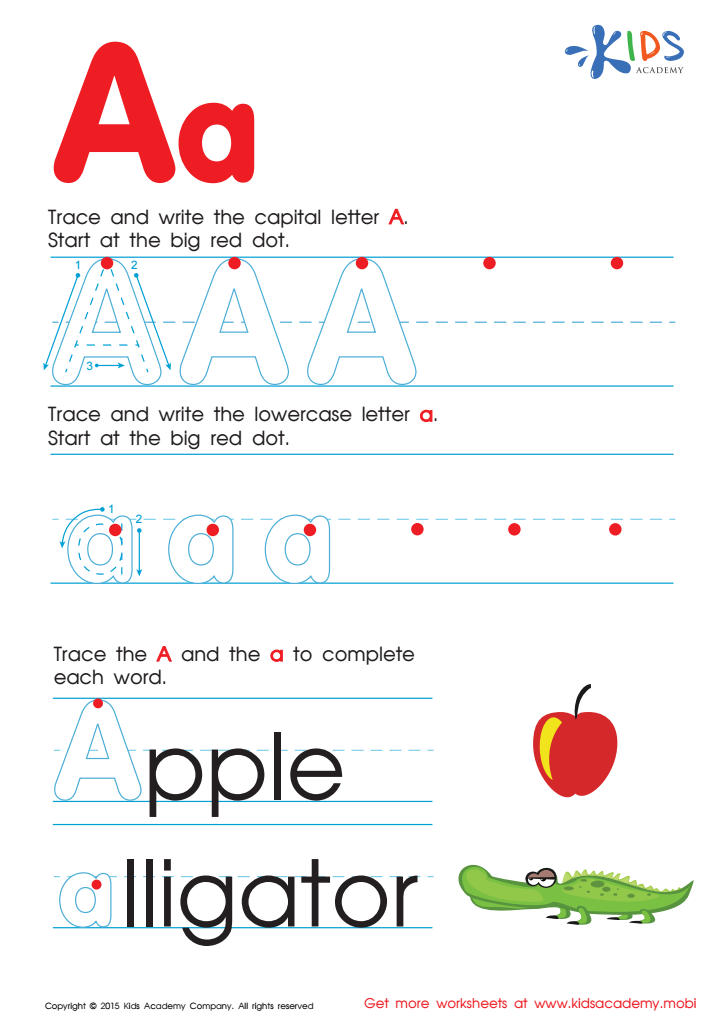
Letter A Tracing Page
 Assign to My Students
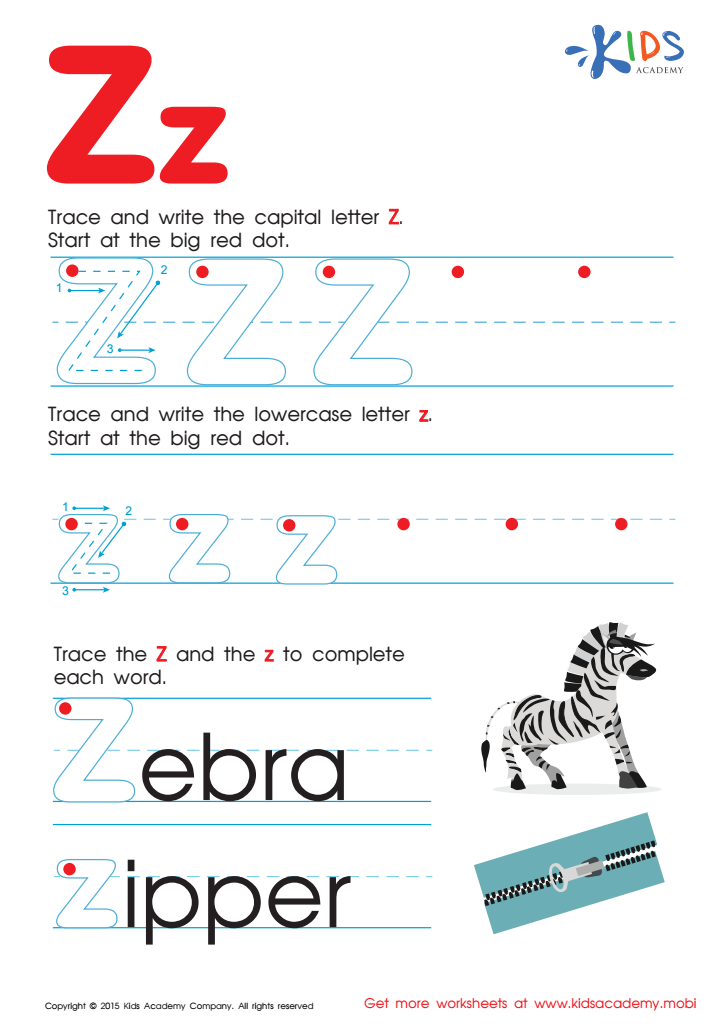
Letter Z Tracing Page
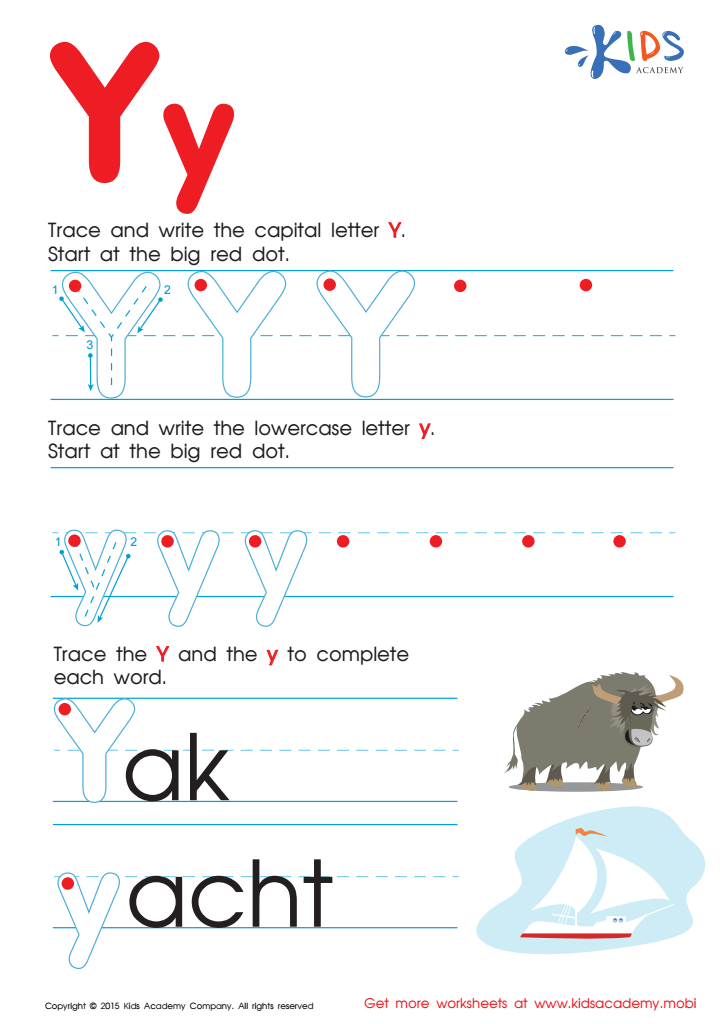
Letter Y Tracing Page





Alphabet Recognition Extra Challenge English for Beginners for 8-year-olds is a valuable educational tool that both parents and teachers should prioritize. At this developmental stage, children are transitioning from basic to more complex literacy skills. Strong alphabet recognition provides a crucial foundation for these advancements, feeding into reading fluency, spelling accuracy, and overall comprehension.
Firstly, enhanced alphabet recognition builds confidence. When children feel confident in identifying letters, they approach reading and writing tasks with enthusiasm rather than apprehension. These extra challenges ensure that children who may already grasp the basics are pushed further, developing faster and preventing disinterest.
Secondly, alphabet recognition is closely tied to phonemic awareness—the ability to hear, identify, and manipulate phonemes. This skill is critical for decoding new words, a core component of reading. Advanced alphabet exercises can deepen a child’s understanding of the subtle variations between different letters and their corresponding sounds.
Additionally, early competence in foundational skills can positively impact other learning areas. Literacy skills are intertwined with subjects like math and science, where following written instructions or problems is essential. More robust literacy skills lead to better academic performance overall.
In summary, investing in Alphabet Recognition Extra Challenge exercises helps 8-year-olds solidify a critical skillset, fostering academic success and boosting self-esteem. Parents and teachers collaborating on these extra challenges can set the stage for lifelong learning and accomplishment.








