Letter recognition Extra Challenge Worksheets for 8-Year-Olds
7 filtered results
-
From - To
Boost your 8-year-olds' letter recognition skills with our extra challenge worksheets! Designed for budding learners, these engaging worksheets feature a variety of fun activities to deepen their understanding of letters. From matching uppercase and lowercase letters to identifying correct letter sounds, each worksheet is crafted to stimulate critical thinking while keeping kids motivated. Perfect for classrooms or at-home learning, these worksheets help strengthen reading readiness and enhance fine motor skills. Accessible and user-friendly, our resources encourage independent learning and mastery of the alphabet. Let your child embark on an exciting journey to letter recognition with our extra challenge worksheets today!
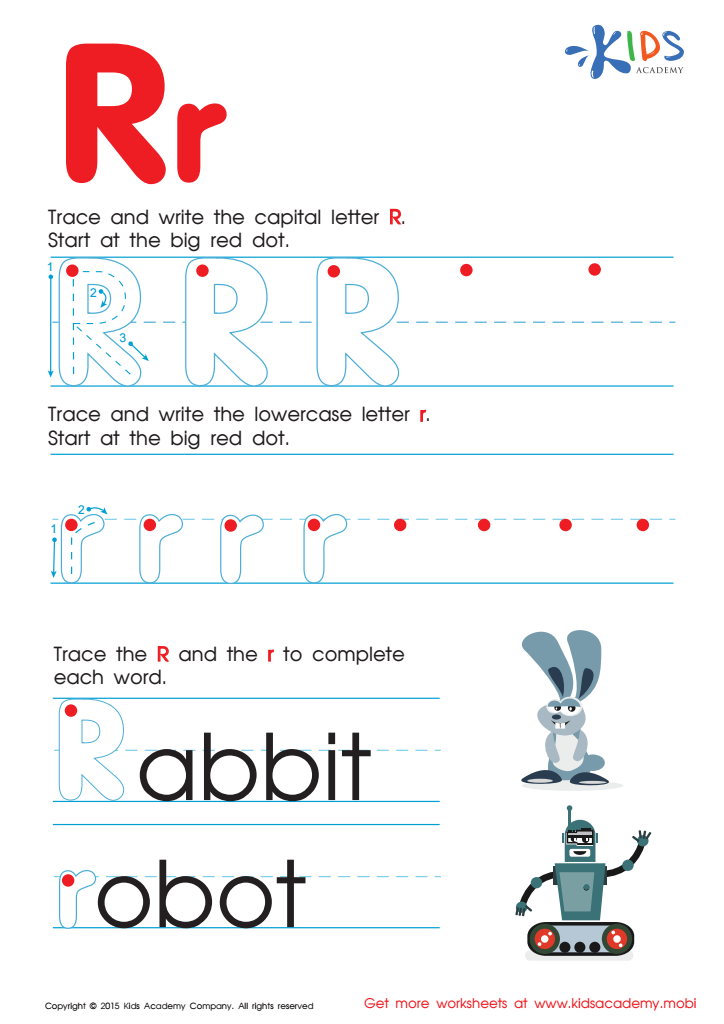
Letter R Tracing Page
 Assign to My Students
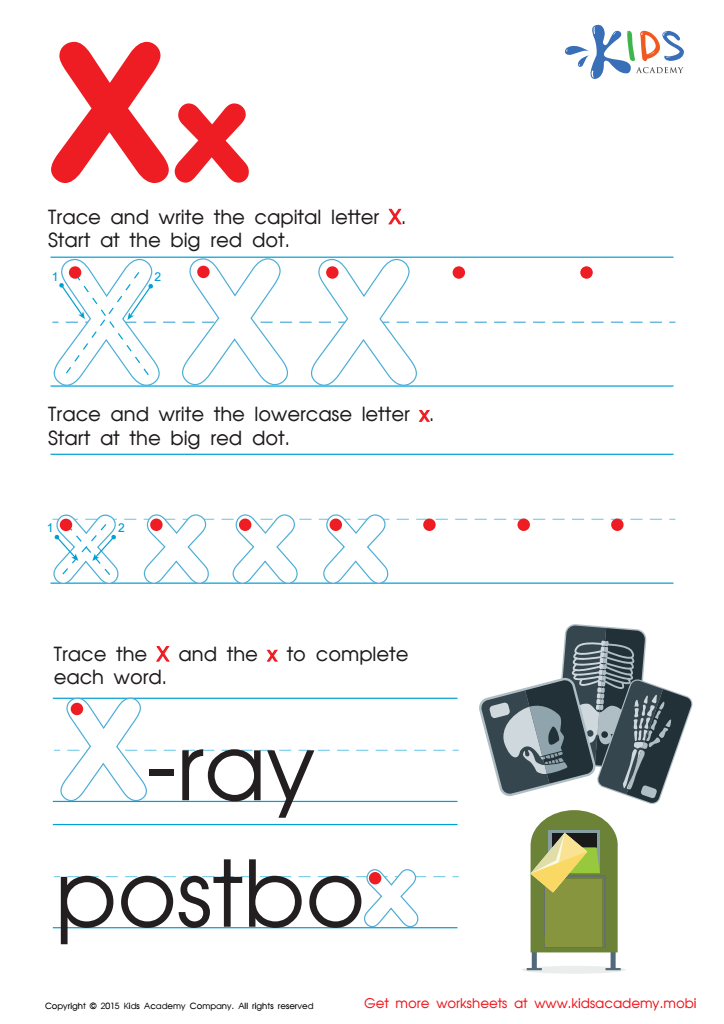
Letter X Tracing Page
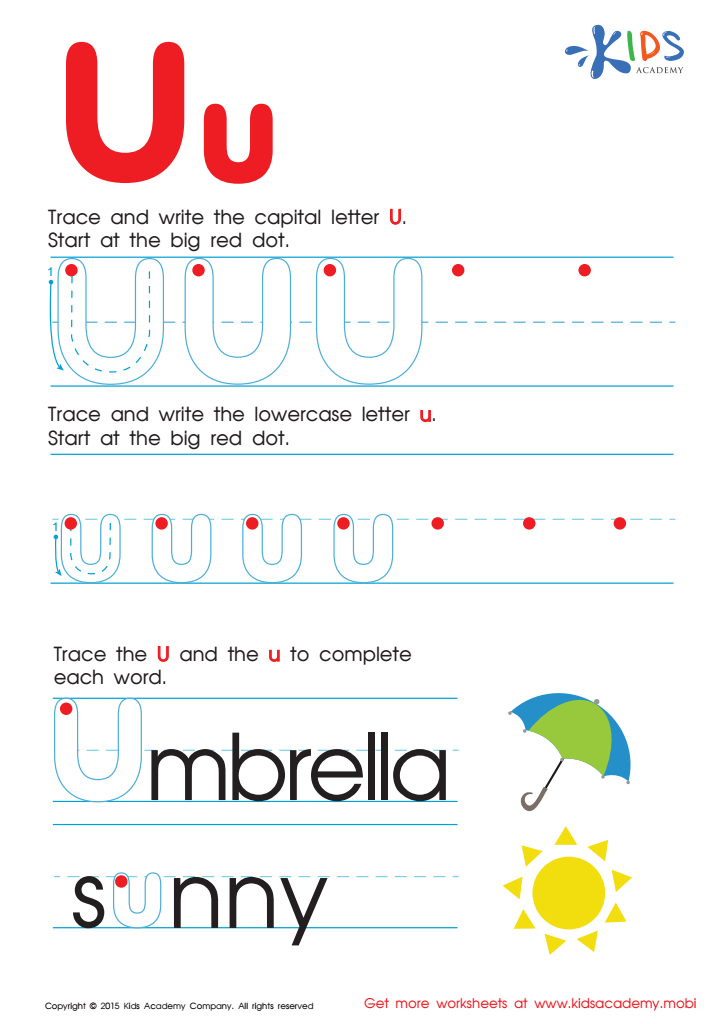
Letter U Tracing Page
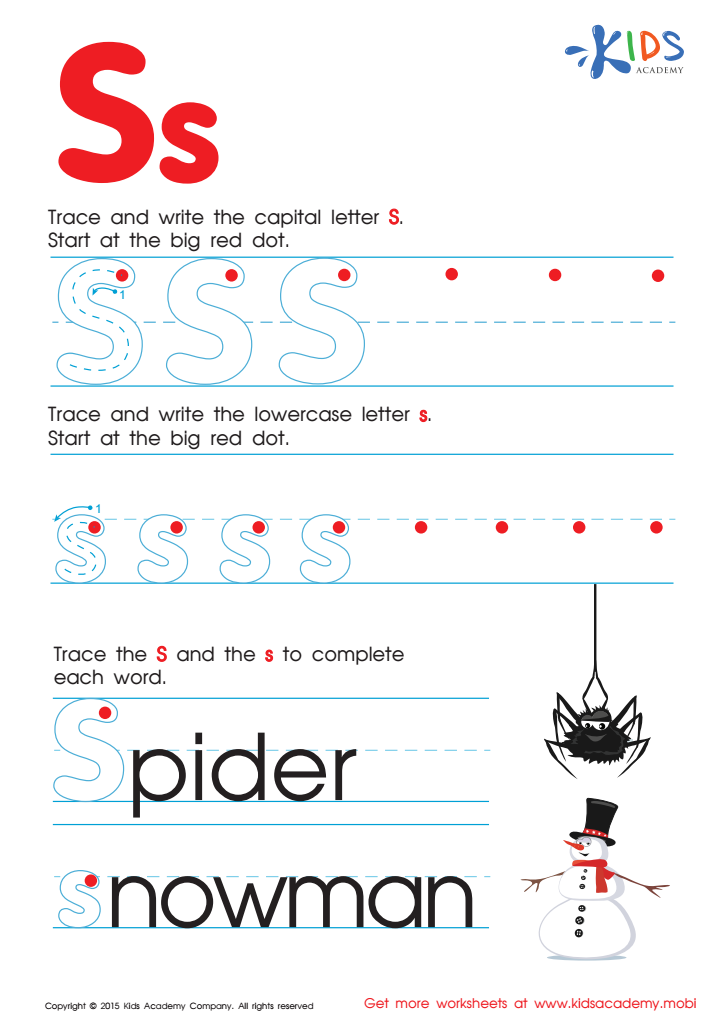
Letter S Tracing Page
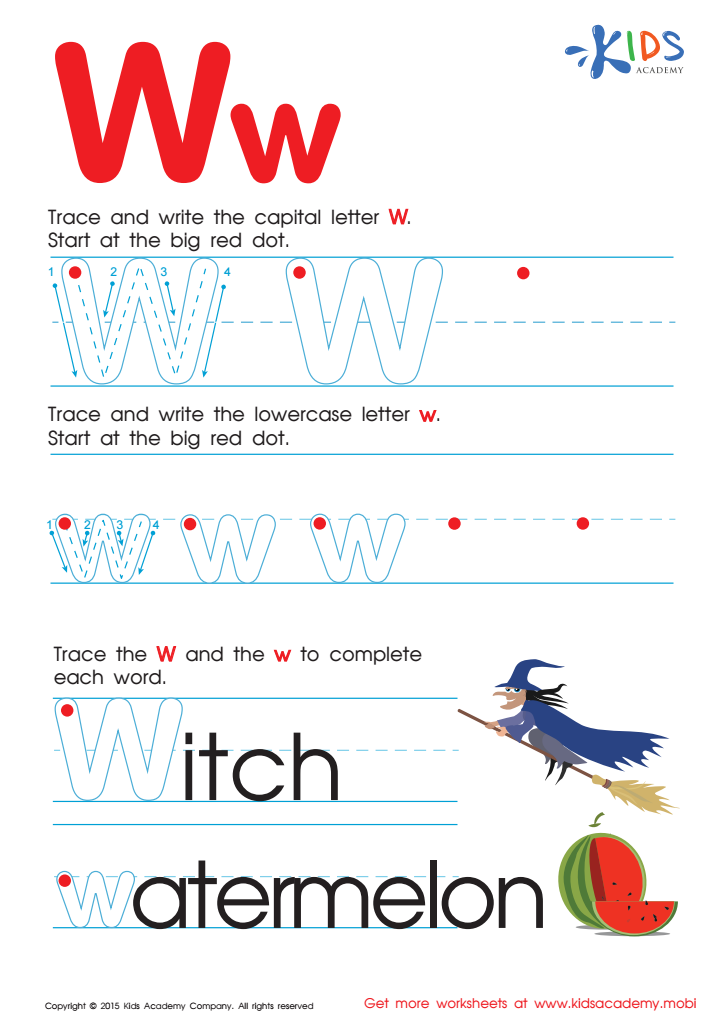
Letter W Tracing Page
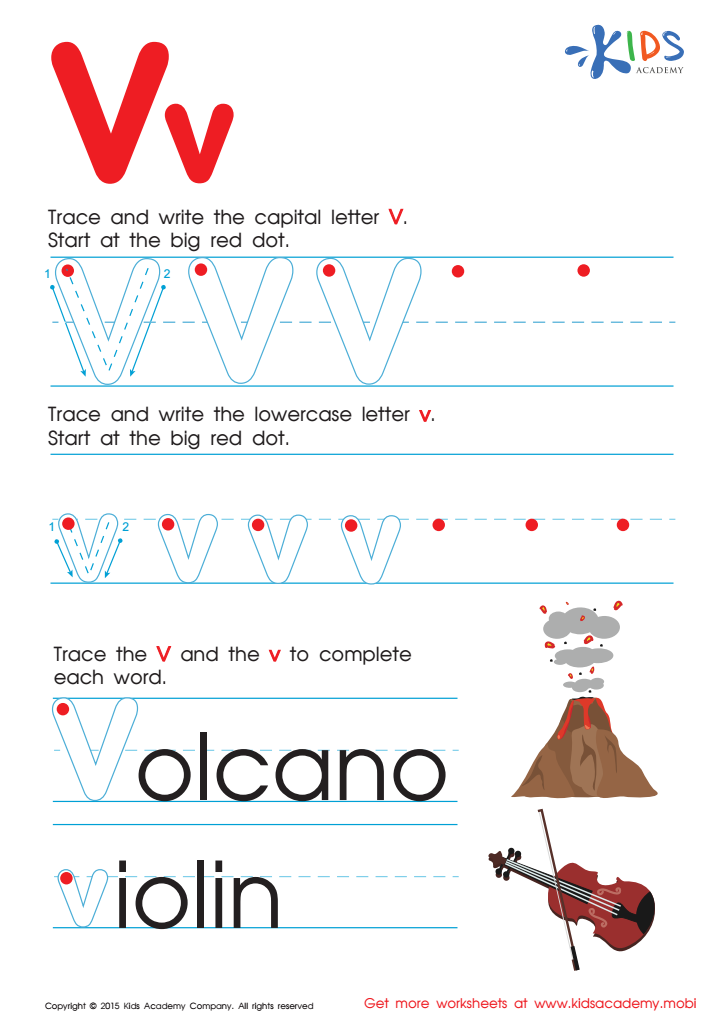
Letter V Tracing Page
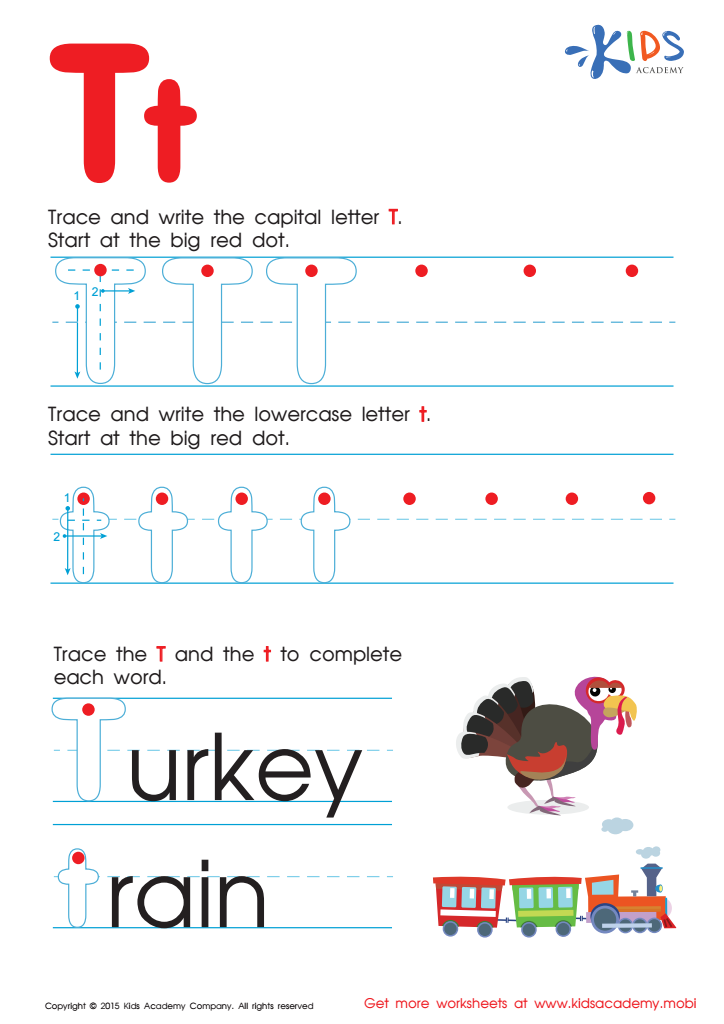
Letter T Tracing Page








Letter recognition is foundational for literacy development and greatly influences an 8-year-old's academic growth. While many children master this skill during their early years, continuing to emphasize it through challenges maintains engagement and reinforces learning. For parents and teachers, fostering strong letter recognition keenly impacts reading fluency, spelling accuracy, and overall communication skills.
At this age, children are transitioning from learning to read, to reading to learn. Enhanced letter recognition challenges can help in solidifying their understanding of phonics, decoding words, and developing vocabulary. It nurtures critical thinking and problem-solving abilities as children navigate more complex language tasks, improving their confidence and enthusiasm for reading.
Moreover, engaging children through fun activities, games, or competitions can stimulate a love for learning. This adds an enjoyable element that parents and teachers can use to bond with children, making education a more interactive and rewarding experience. As children face and master these letter challenges, they not only hone their reading abilities but also build a sense of accomplishment and motivation for continued learning, ultimately setting the stage for success in higher-level literacy skills and academic endeavors. Thus, investing time and strategies into letter recognition remains crucial for holistic educational development.








