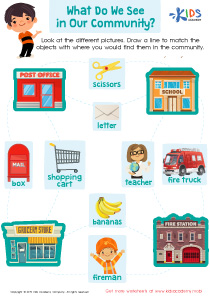
Understanding patterns Extra Challenge Multiplication Worksheets for 8-Year-Olds
3 filtered results
-
From - To
Unlock your child's potential in mathematics with our "Understanding Patterns Extra Challenge Multiplication Worksheets" designed specifically for 8-year-olds! These worksheets provide engaging activities that help young learners master multiplication through identifying and utilizing patterns. By recognizing relationships in numbers and applying them to solve problems, children build a solid foundation for future math concepts. Our thoughtfully crafted challenges enhance critical thinking skills while making learning fun and interactive. Perfect for both classroom use and at-home practice, these worksheets cater to various learning styles and abilities. Empower your child’s mathematical journey and boost their confidence with our exciting multiplication worksheets today!
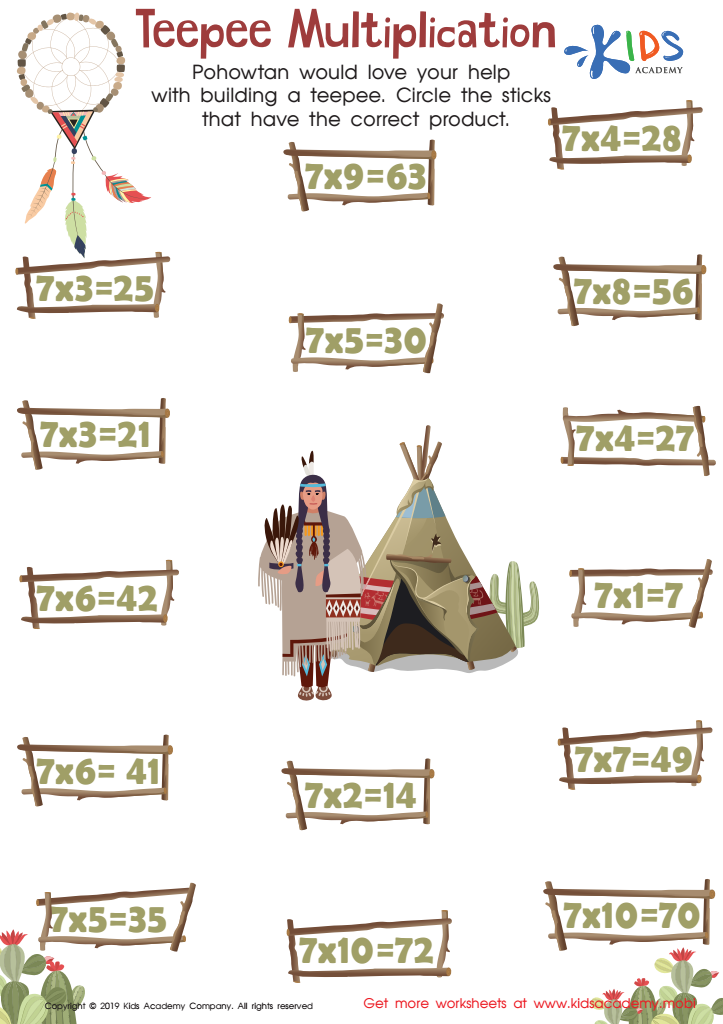
Teepee Multiplication Worksheet
 Assign to My Students
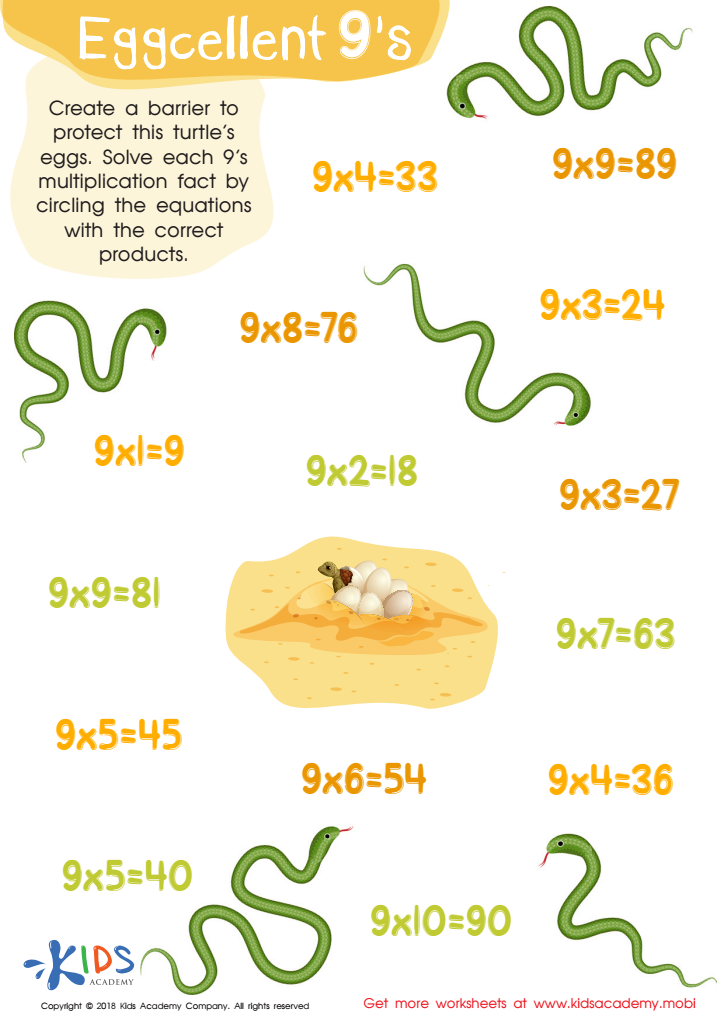
Eggcellent 9’s Worksheet
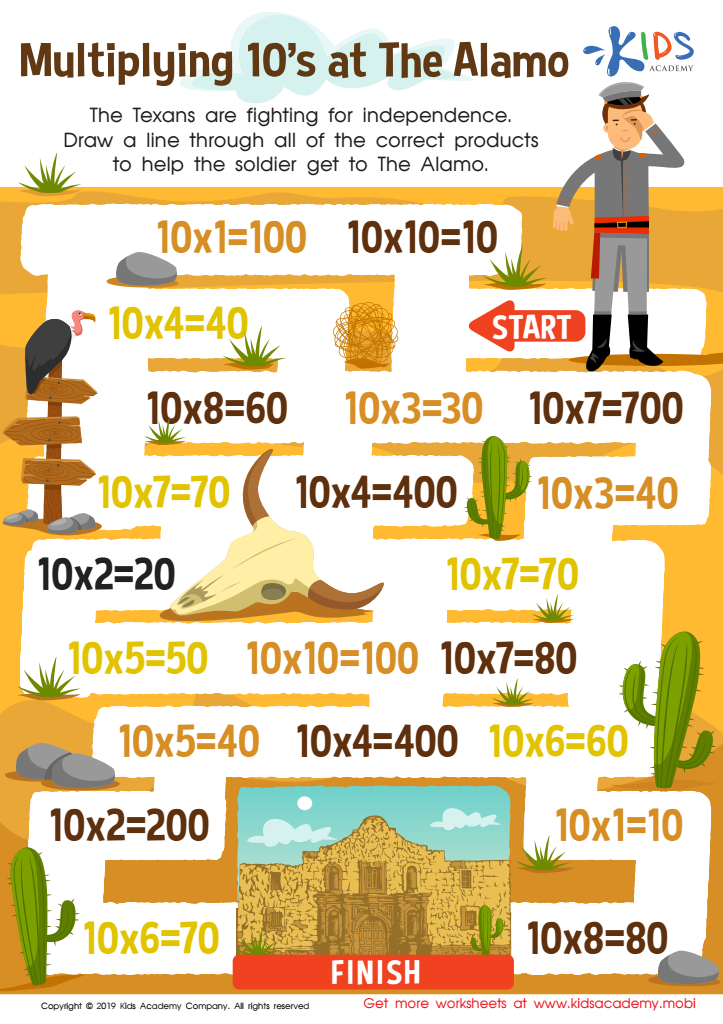
Multiplying 10’s at The Alamo Worksheet








Understanding patterns in multiplication is crucial for 8-year-olds as it lays the foundation for more advanced math concepts. When parents and teachers focus on strengthening this skill, they equip children with critical problem-solving abilities that extend beyond basic arithmetic. Recognizing patterns enables young learners to approach multiplication with confidence and helps them develop mental math strategies, making calculations quicker and more intuitive.
For instance, when children notice that multiplying by 5 results in numbers ending in either 0 or 5, they can quickly determine products without relying solely on memorization. This not only enhances their numerical fluency but also boosts their overall mathematical understanding. Moreover, mastering patterns in multiplication alleviates anxiety around math, fostering a positive attitude toward the subject.
Beyond academics, recognizing patterns has applications in daily life, from budgeting finances to understanding schedules. By encouraging children to explore and understand these patterns, parents and teachers foster resilience, critical thinking, and a love for learning. Ultimately, engaging with these concepts enriches children's educational experience, preparing them for future challenges and enhancing their cognitive skills in broader contexts. Therefore, it's vital for adults to prioritize this learning area for their children’s development.