Alphabet Recognition Extra Challenge ABC Order Worksheets for 9-Year-Olds
3 filtered results
-
From - To
Boost your 9-year-old’s alphabet skills with our "Alphabet Recognition Extra Challenge ABC Order Worksheets"! Designed to enhance alphabetical order mastery, these printable activities offer an engaging way for third graders to practice their ABCs while fostering critical thinking and attention to detail. Ideal for kids seeking an extra challenge, these worksheets come with fun and educational tasks that sharpen organizing and sequencing abilities. Ensure your child remains ahead with our expertly crafted exercises. Visit Kids Academy for top-quality, enjoyable learning resources that make mastering the alphabet both fun and effective! Perfect for in-class or at-home practice.
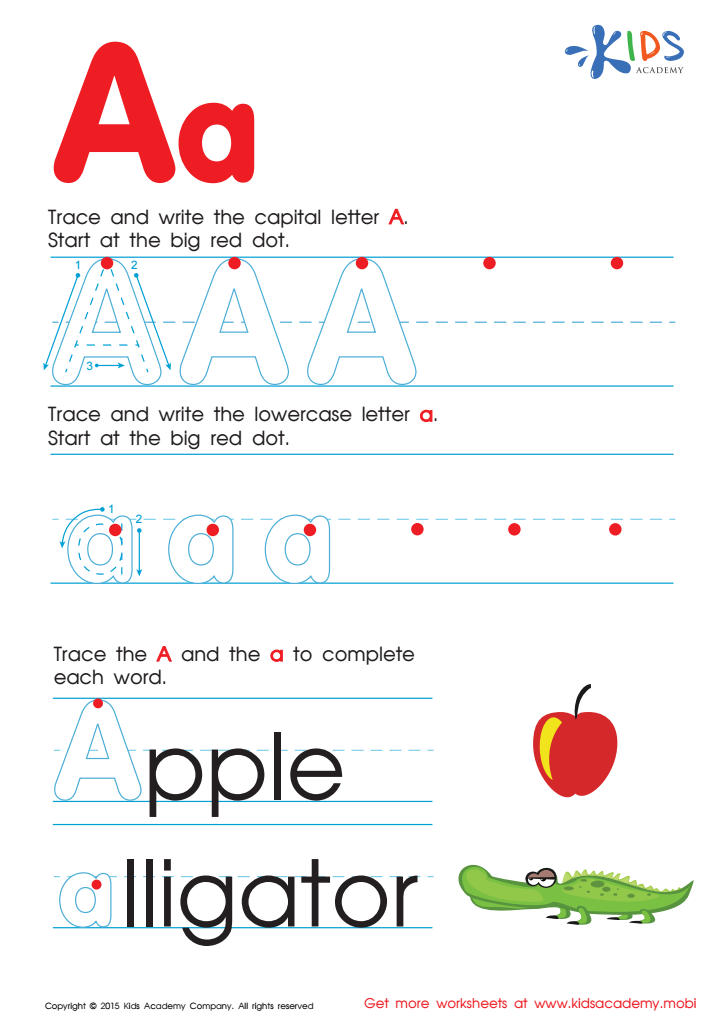
Letter A Tracing Page
 Assign to My Students
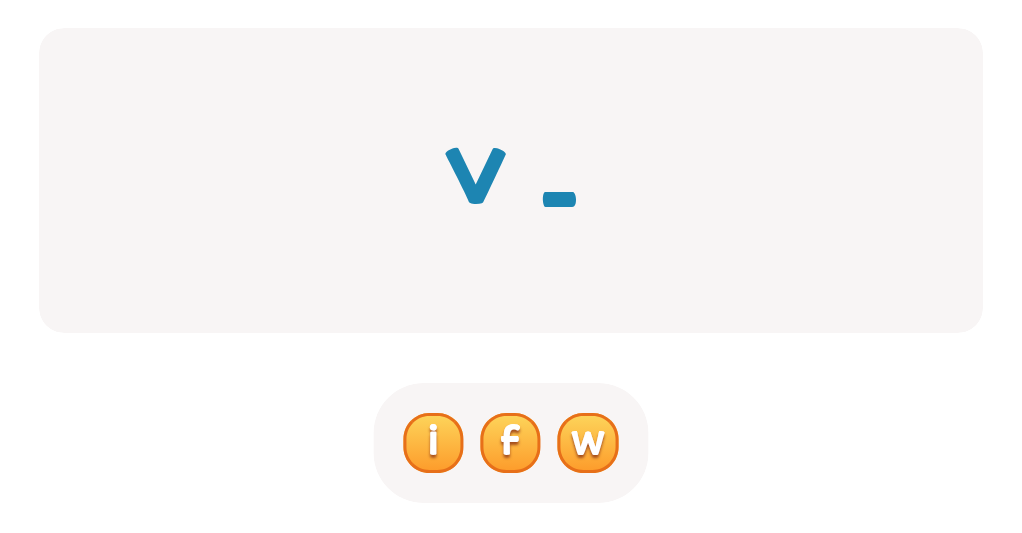

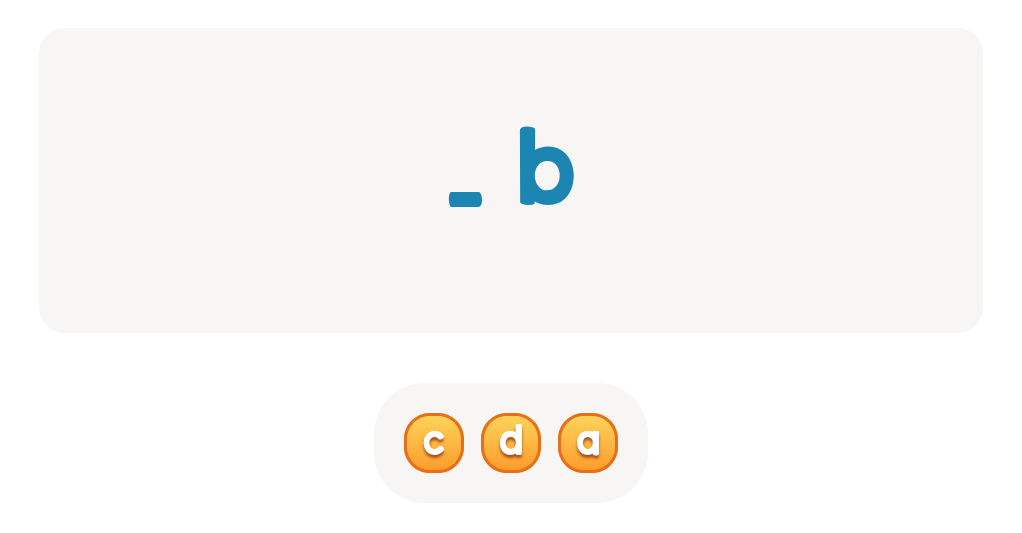
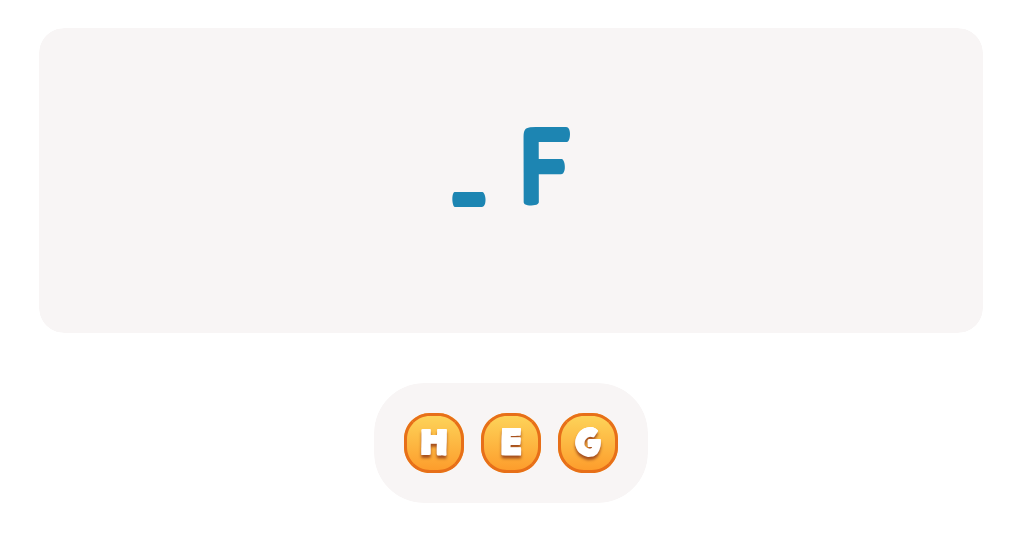
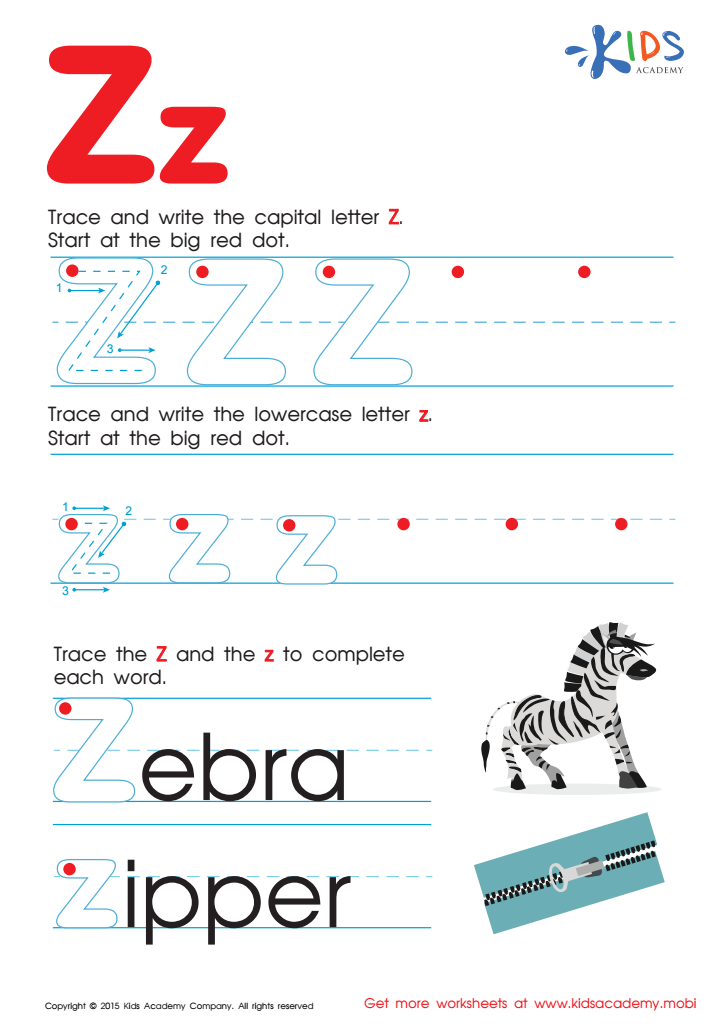
Letter Z Tracing Page
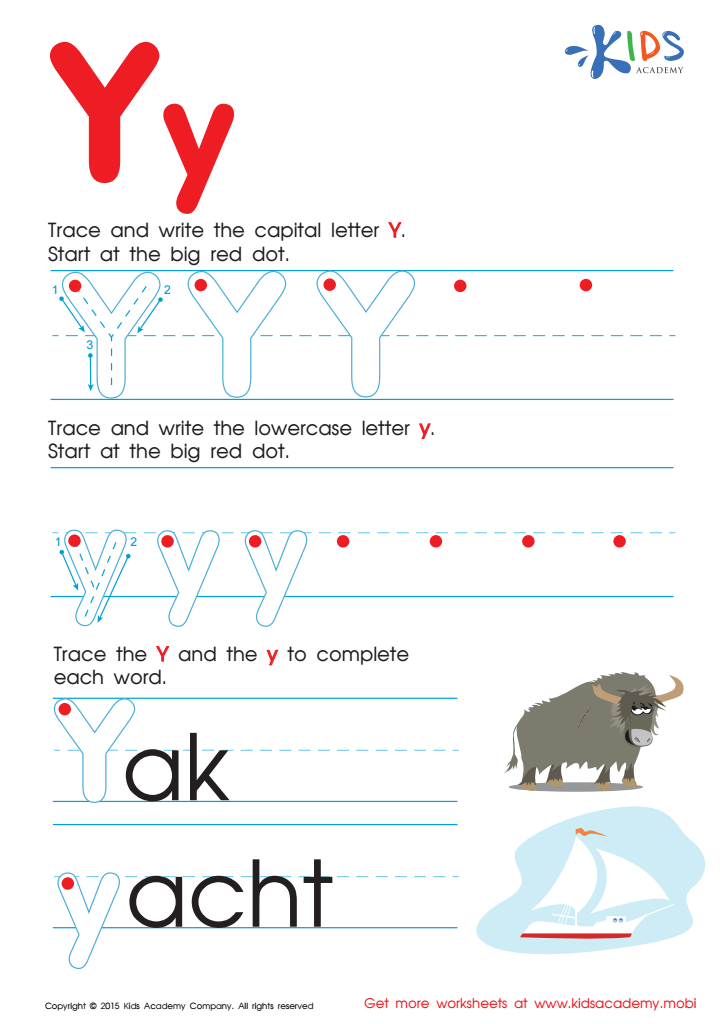
Letter Y Tracing Page







Alphabet recognition is a foundational skill that significantly impacts a child’s reading and writing abilities. Introducing an alphabet recognition extra challenge, such as ABC order tasks, to 9-year-olds is crucial for their academic development.
By the age of nine, children are often transitioning from basic reading to more complex literacy tasks. Mastery of the alphabet in alphabetical order not only enhances their ability to organize and retrieve information quickly but also strengthens cognitive abilities associated with sequencing and memory. These skills are essential for effective communication, spelling, and research tasks, which become increasingly important in later schooling years.
Moreover, engaging in challenges that involve alphabet recognition can boost a child's confidence. Successfully completing these tasks fosters a sense of accomplishment, encouraging a positive attitude towards learning.
For teachers, it provides a useful diagnostic tool to identify students who might lag in essential literacy skills, enabling early interventions. For parents, these activities can reinforce learning at home, making the process enjoyable through games and practice. Ultimately, prioritizing alphabet recognition and ABC order challenges at this age ensures that children build a robust foundation for more advanced education, equipping them with crucial tools for lifelong learning.








