Letter recognition Extra Challenge Tracing Letters Worksheets for 9-Year-Olds
7 filtered results
-
From - To
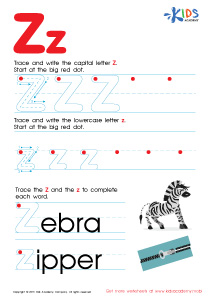
Introducing our "Letter Recognition Extra Challenge Tracing Letters Worksheets for 9-Year-Olds" designed to refine your child’s alphabet skills. These challenging exercises go beyond basic letter tracing to foster improved handwriting, deeper letter recognition, and enhanced fine motor skills. Tailored specifically for third graders, our engaging and dynamic worksheets support the development of vital learning skills. Perfect for extra practice at home or enrichment in the classroom, each worksheet drives accelerated progress through intricate tracing patterns and thoughtful repetition. Boost your child’s confidence with this immersive and educational resource from Kids Academy!
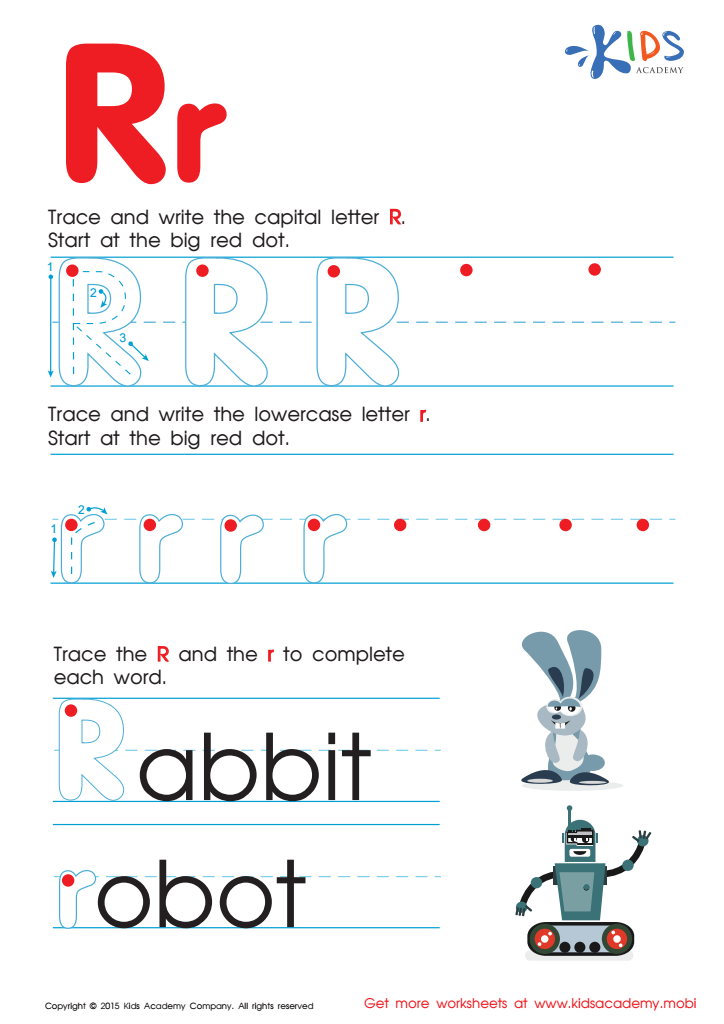
Letter R Tracing Page
 Assign to My Students
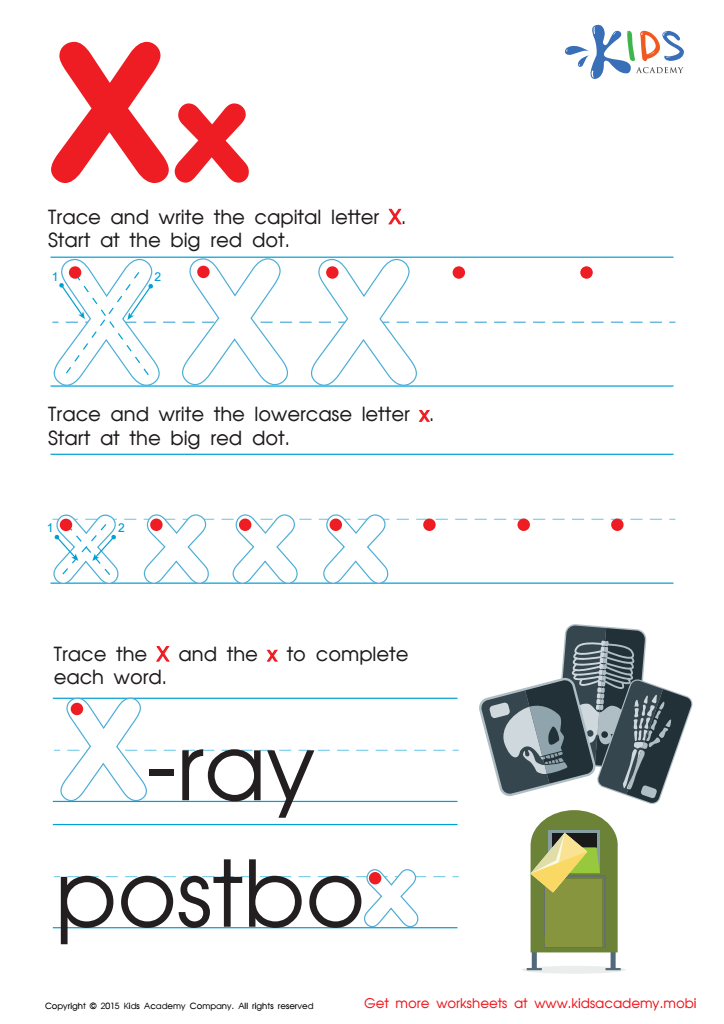
Letter X Tracing Page
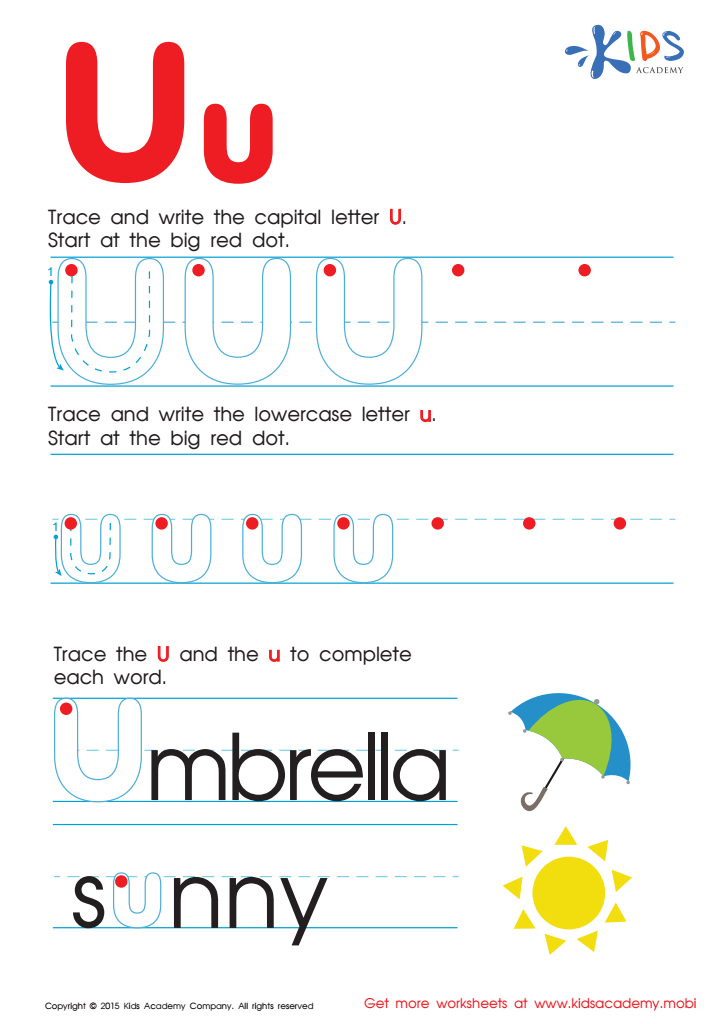
Letter U Tracing Page
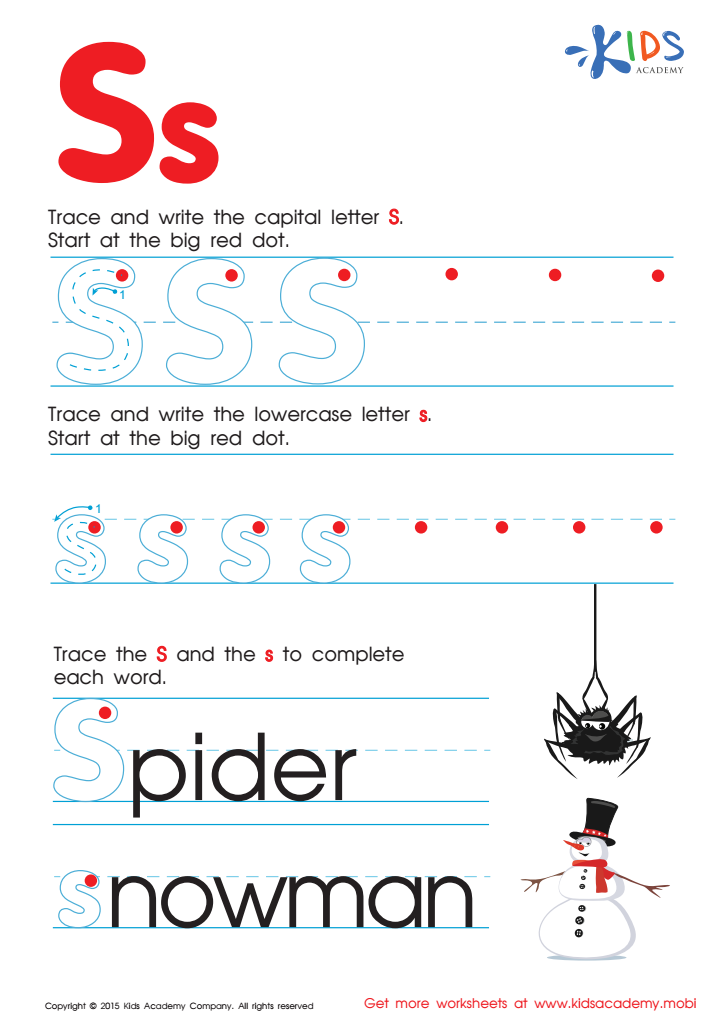
Letter S Tracing Page
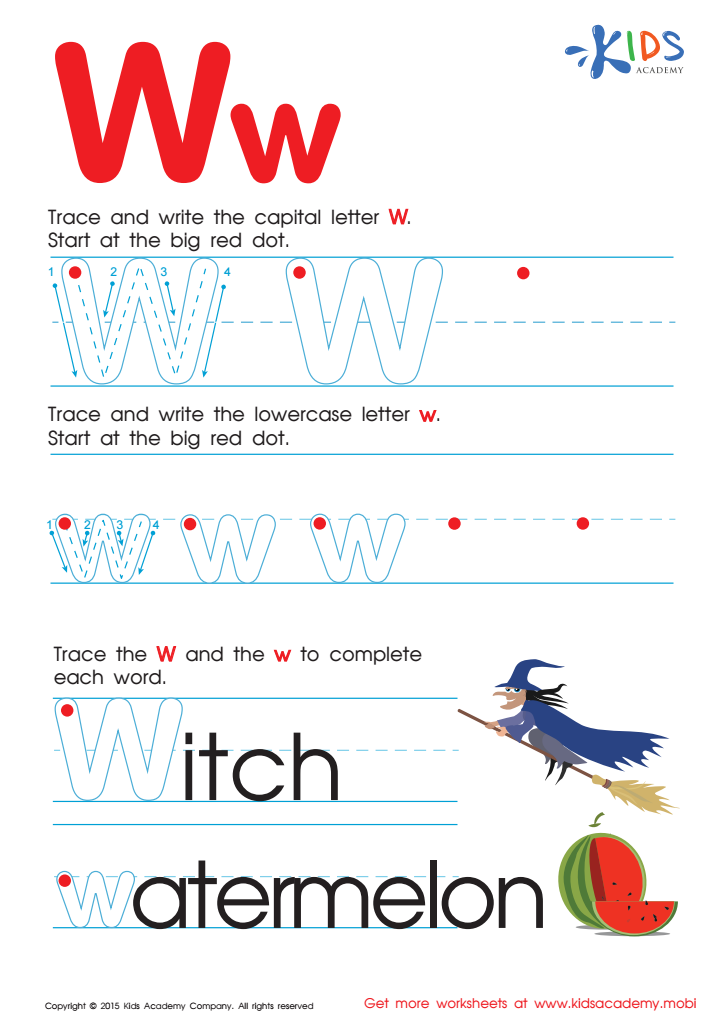
Letter W Tracing Page
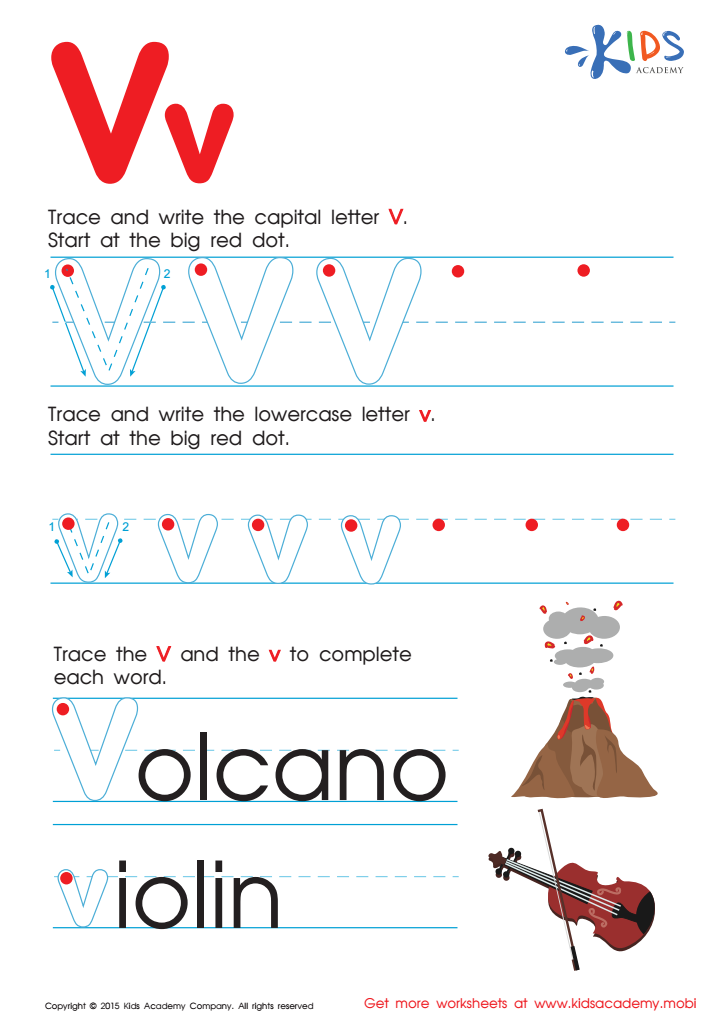
Letter V Tracing Page
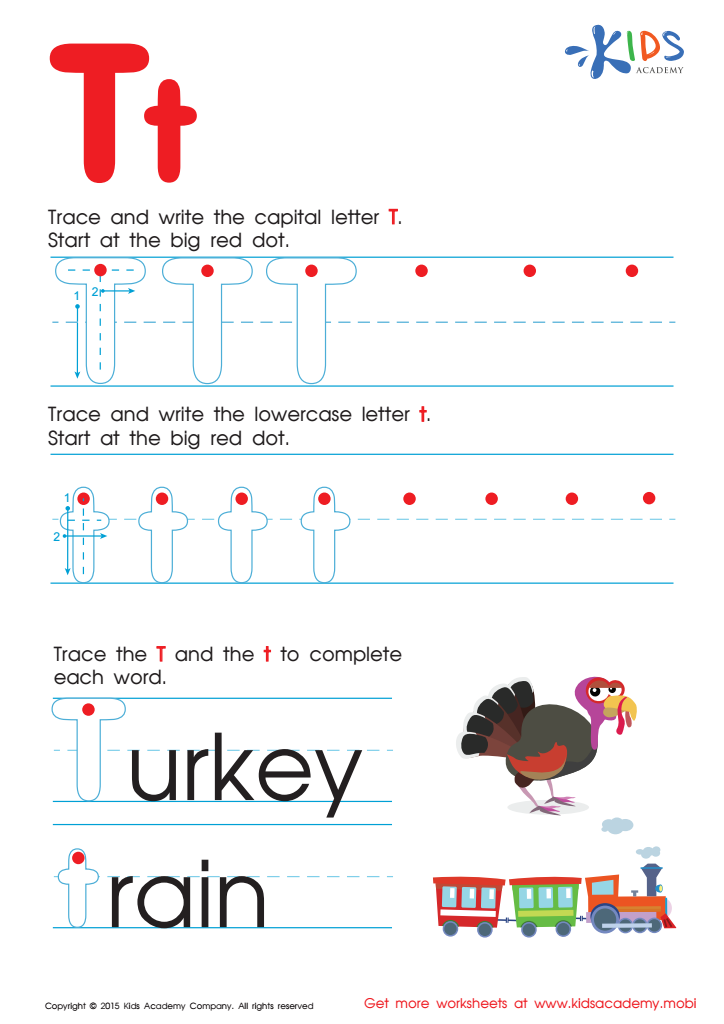
Letter T Tracing Page








Parents and teachers should care about Letter Recognition Extra Challenge Tracing Letters for 9-year-olds because it reinforces foundational literacy skills critical for advanced reading and writing. By mastering letter recognition and tracing at this stage, children solidify their understanding of letter forms, promoting fluency in both reading and writing.
For some 9-year-olds, lingering difficulties with letter recognition can impede overall reading comprehension and fluency. These challenges can affect confidence and academic performance. Providing extra practice helps close any gaps, fostering a sense of accomplishment.
Moreover, engaging in tracing activities enhances fine motor skills and hand-eye coordination, essential for neat handwriting. It integrates visual, cognitive, and motor facets of learning, catering to diverse learning styles and making abstract concepts more concrete.
Incorporating an extra challenge also keeps students motivated and engaged. It turns learning into an enjoyable game-like activity rather than a mundane task, which is particularly important as children grow older and more capable of handling complex tasks.
Ultimately, investing time in these activities supports not just literacy but a broader academic foundation, helping children become proficient and confident learners ready for future challenges. This holistic approach to learning can vastly benefit their educational trajectory and personal development.