Alphabet Recognition Extra Challenge English for Beginners Worksheets for 9-Year-Olds
3 filtered results
-
From - To
Enhance your 9-year-old's English language skills with our Alphabet Recognition Extra Challenge Worksheets. Designed specifically for beginners, these engaging resources help young learners master the letters of the alphabet through fun activities that promote recognition and recall. Each worksheet offers a variety of exercises, from coloring to matching, ensuring that learning is interactive and enjoyable. Ideal for both classroom and home use, these worksheets are perfect for young English as a Second Language (ESL) students. Watch as your child gains confidence in their alphabet skills while building a solid foundation for future reading and writing success!
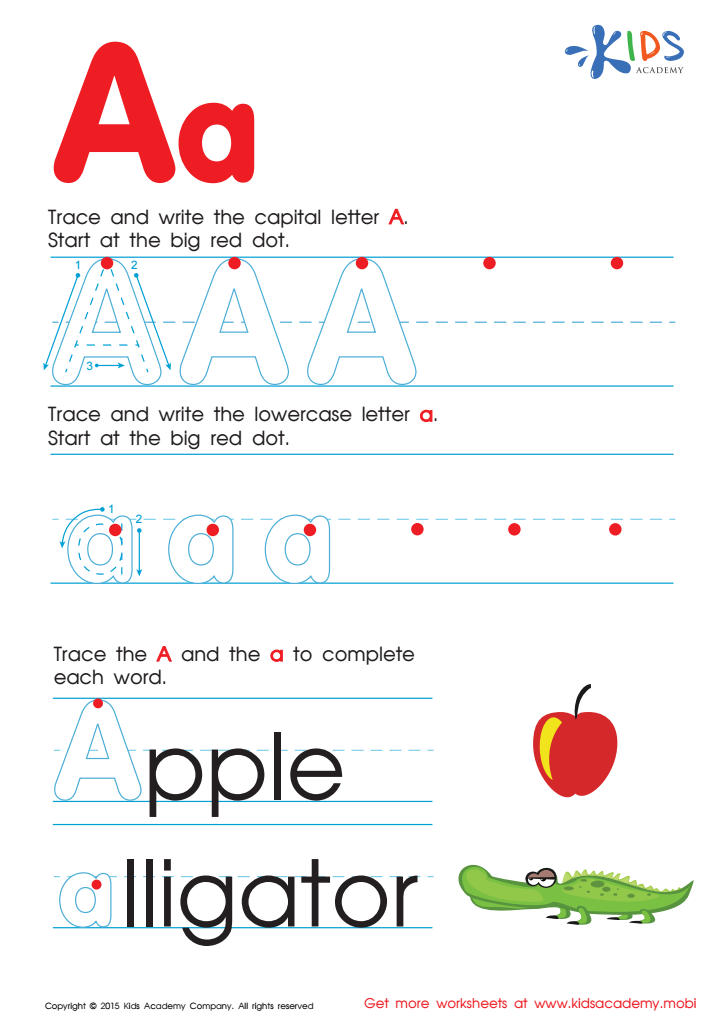
Letter A Tracing Page
 Assign to My Students
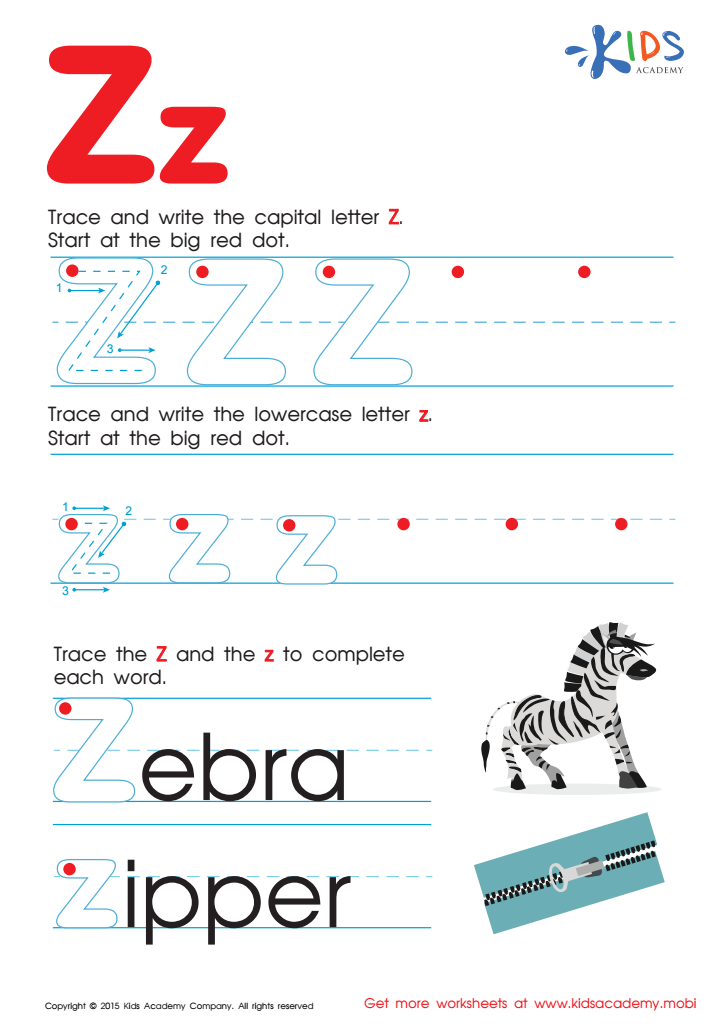
Letter Z Tracing Page
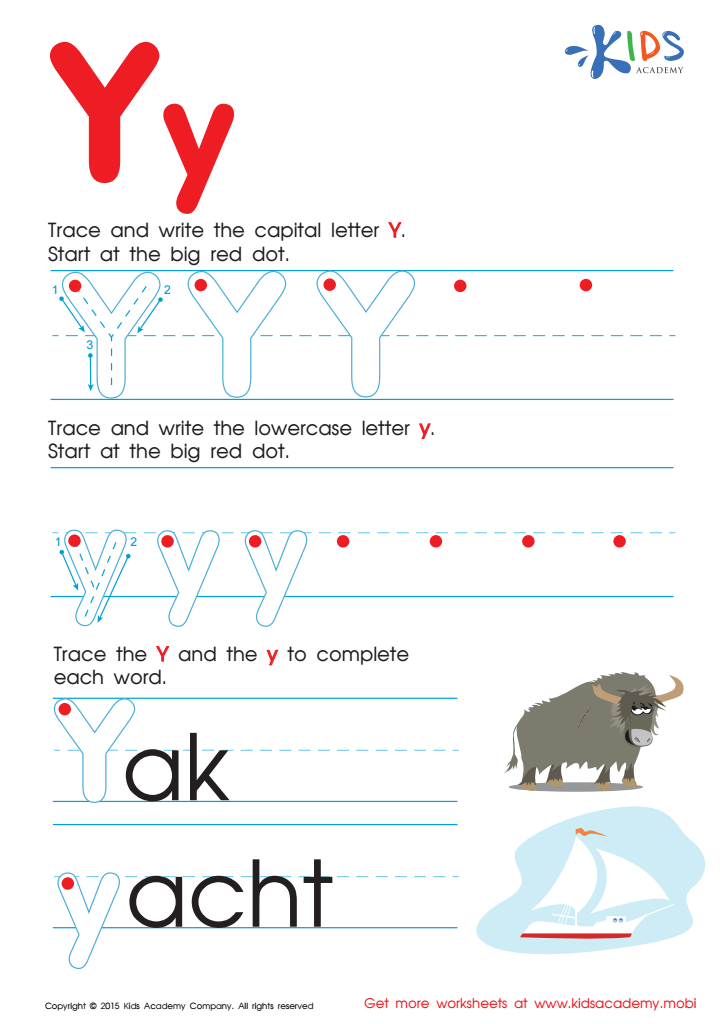
Letter Y Tracing Page





Alphabet recognition is a foundational skill critical for literacy development in children, and it remains vital even for 9-year-olds who may still benefit from reinforcement in English. The “Alphabet Recognition Extra Challenge” program comes as an innovative tool designed to engage students at various learning levels, ensuring that they build confidence in their reading and writing abilities.
For parents and teachers, fostering strong alphabet recognition skills is essential, as it correlates directly with children's ability to decode words, improve spelling, and enhance overall reading comprehension. As children progress through their education, skills developed at this stage can influence their academic performance across subjects, especially in language arts.
Parents and teachers should care about these extra challenges because they provide opportunities for personalized learning, catering to individual needs, and filling any comprehension gaps that may impede progress. Engaging children with interactive multimedia resources or hands-on activities can also ignite a passion for learning, making the process enjoyable.
Furthermore, reinforcing alphabet knowledge helps cultivate a habit of reading from an early age, setting the stage for lifelong literacy. By investing in programs that challenge and engage learners, parents and teachers empower students to develop essential skills for success both in school and beyond.








