Listening skills Extra Challenge Alphabet Worksheets
3 filtered results
-
From - To
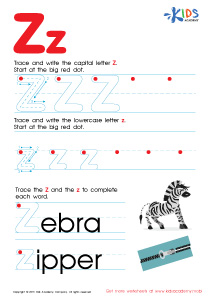
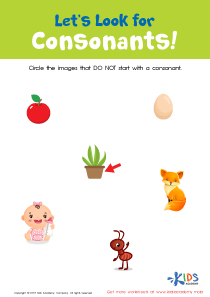
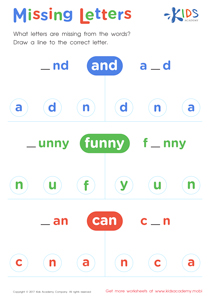
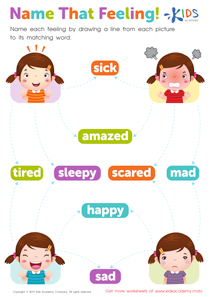
Enhance your child's listening skills with our engaging "Listening Skills Extra Challenge Alphabet Worksheets." Designed for early learners, these worksheets provide fun and interactive activities that reinforce letter recognition and phonetic sounds. Each challenge encourages active listening as children follow auditory instructions to complete alphabet-related exercises. Through tracing, matching, and other engaging tasks, your child will strengthen their auditory perception while building foundational literacy skills. Perfect for classroom use or at-home practice, our worksheets make learning enjoyable and effective. Foster a love for learning with our creative approach to developing essential listening skills! Explore the full collection today!
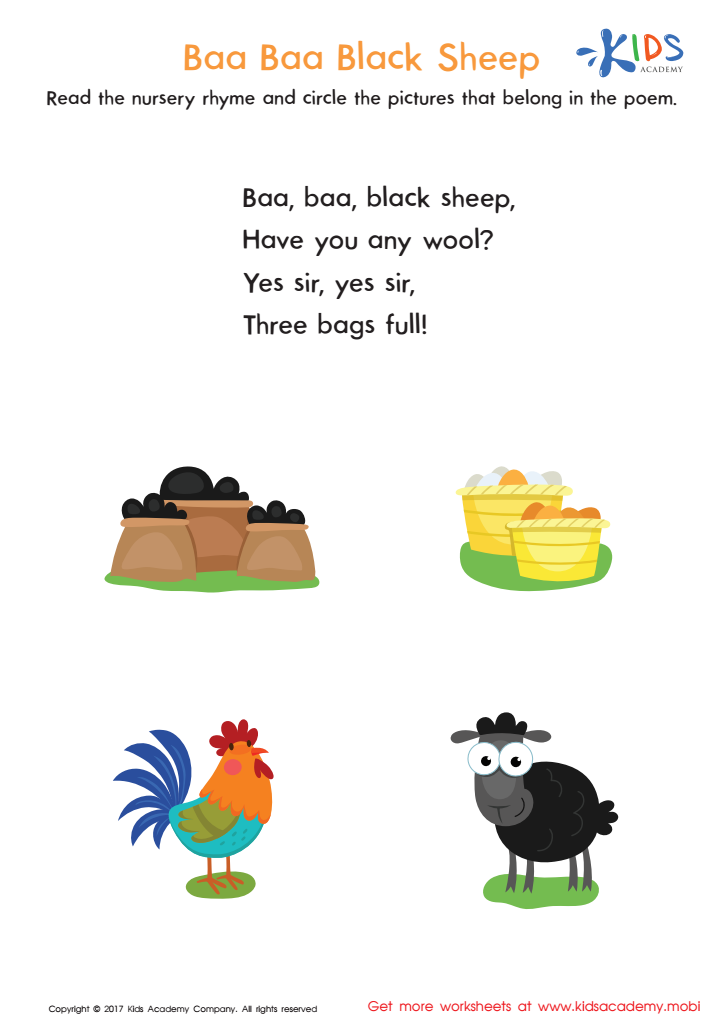
Baa Baa Black Sheep Printable
 Assign to My Students
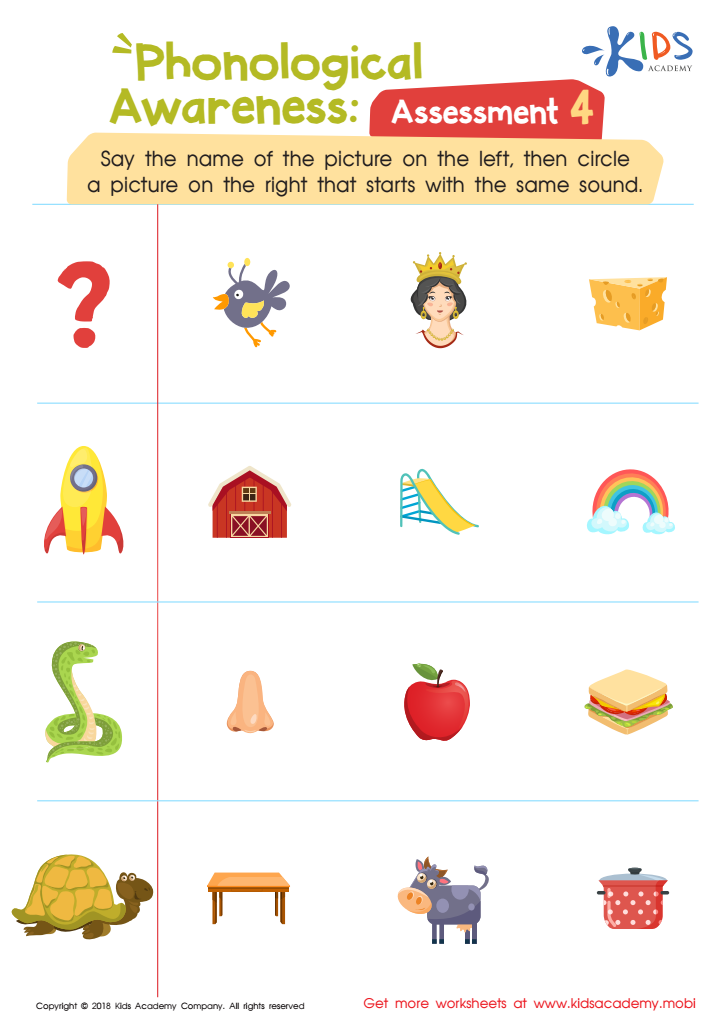
Phonological Awareness: Assessment 4 Worksheet
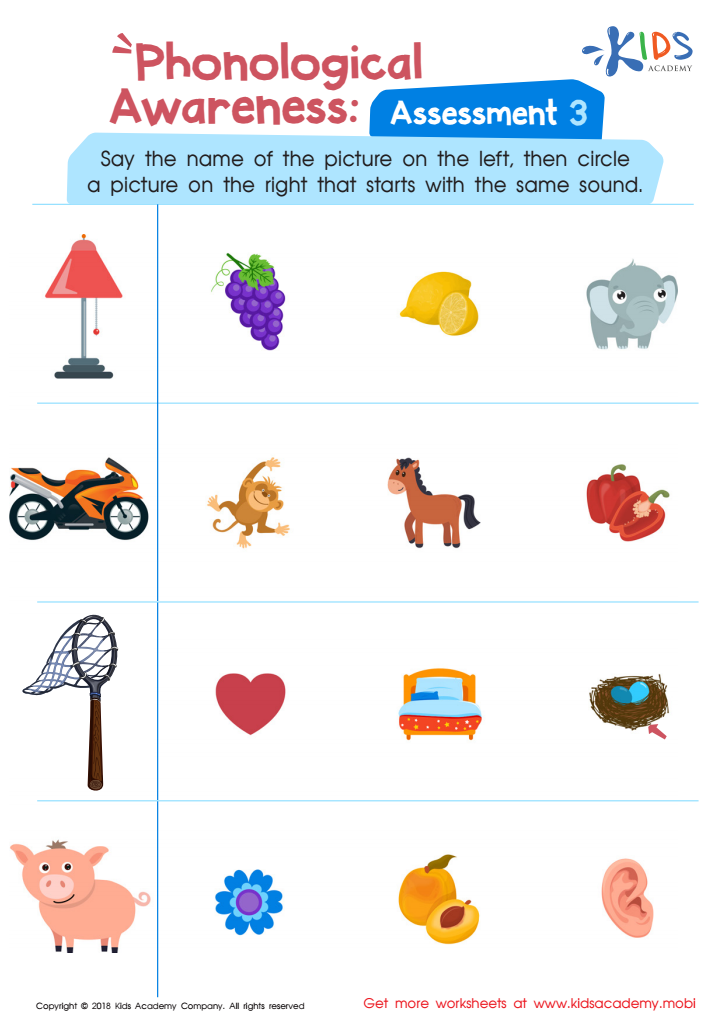
Phonological Awareness: Assessment 3 Worksheet





.jpg)

Listening skills are fundamental for children's academic and social development, making it essential for parents and teachers to prioritize them. The "Extra Challenge Alphabet" can be particularly beneficial in fostering these skills. Good listening aids comprehension, allowing children to grasp concepts conveyed in lessons, understand instructions, and participate effectively in discussions.
By engaging with the "Extra Challenge Alphabet," children enhance their phonemic awareness and auditory discrimination. It encourages them to differentiate between sounds, letters, and words, which is vital for reading development. This interactive approach also fosters a fun and stimulating learning environment, making the learning process more enjoyable.
From a social perspective, effective listening skills promote better communication and empathy. Children who listen well can respond appropriately to peers, fostering positive relationships and teamwork. This ultimately helps them develop essential problem-solving skills and navigate social situations effectively.
In summary, prioritizing listening skills through initiatives like the "Extra Challenge Alphabet" not only advances literacy but also builds strong social competencies in children. Parents and teachers should care about these skills to ensure well-rounded development and foundation for a child's future learning and interactions.