Handwriting practice Extra Challenge Letter Recognition Worksheets
5 filtered results
-
From - To
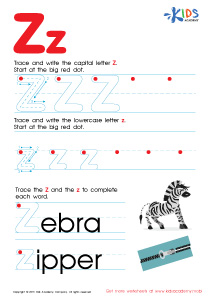
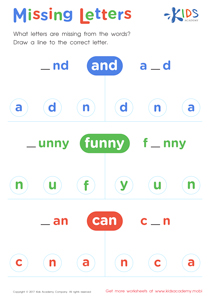
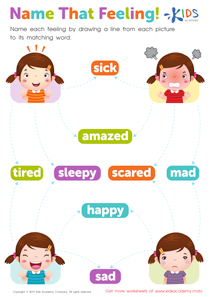
Enhance your child's handwriting skills with our "Handwriting Practice Extra Challenge Letter Recognition Worksheets"! Designed for early learners, these engaging activities combine letter recognition with handwriting practice to improve fine motor skills and shape familiarity. Each worksheet provides an extra challenge, making learning fun and effective. Perfect for home or classroom use, our worksheets help kids confidently identify and write each letter in the alphabet. Ideal for parents and educators seeking to bolster their child's early literacy development. Download now and watch your child excel in their handwriting journey with these expertly crafted resources!
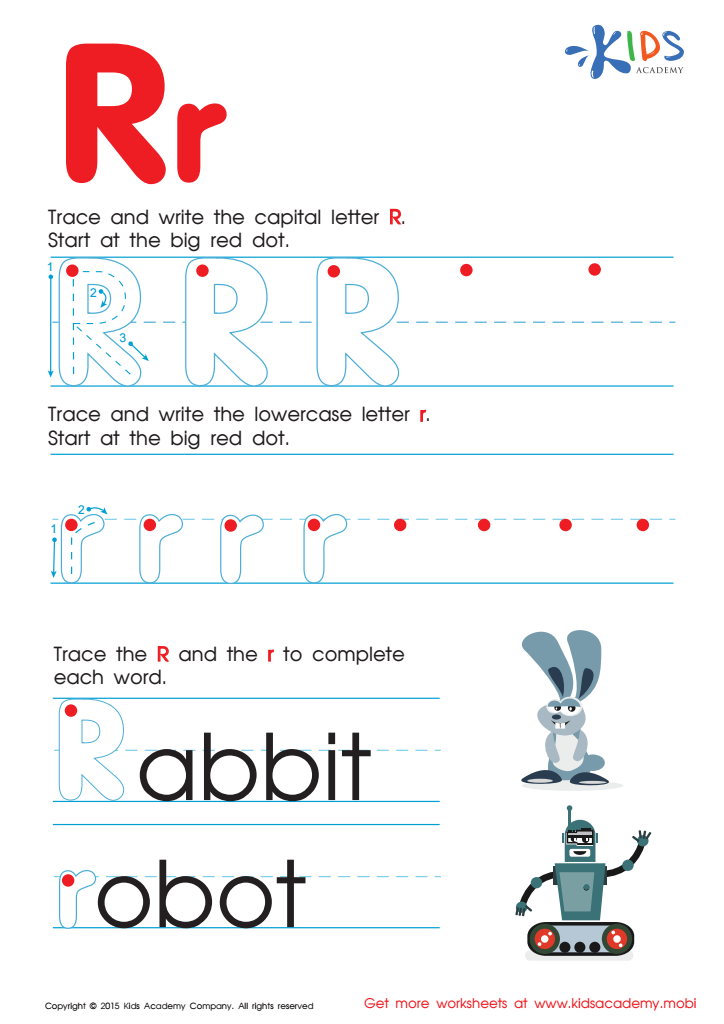
Letter R Tracing Page
 Assign to My Students
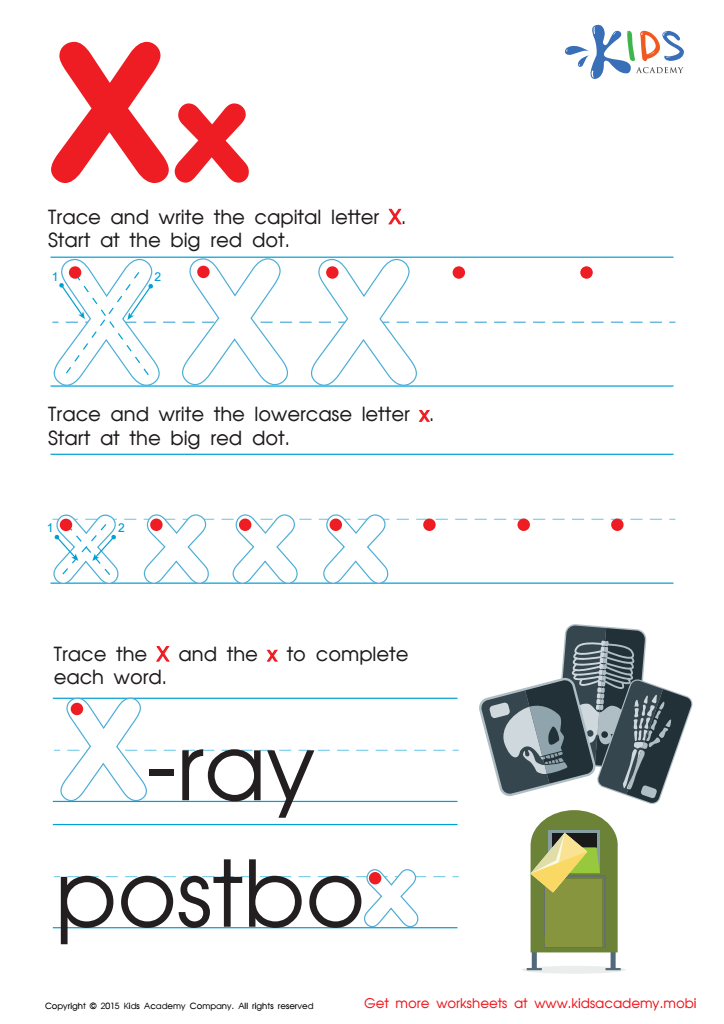
Letter X Tracing Page
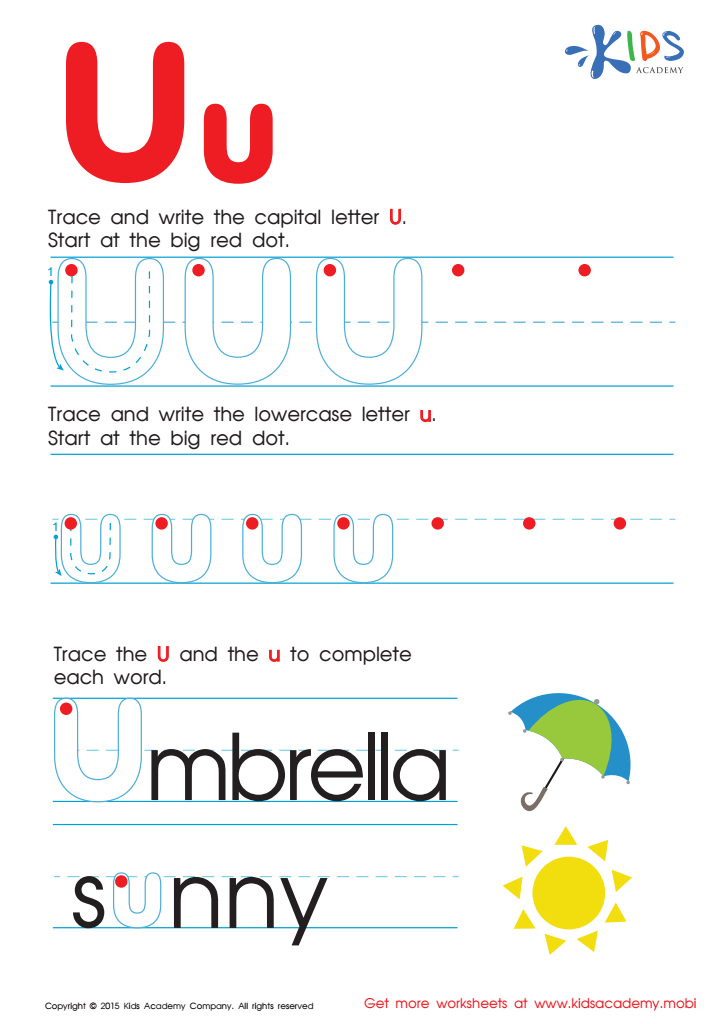
Letter U Tracing Page
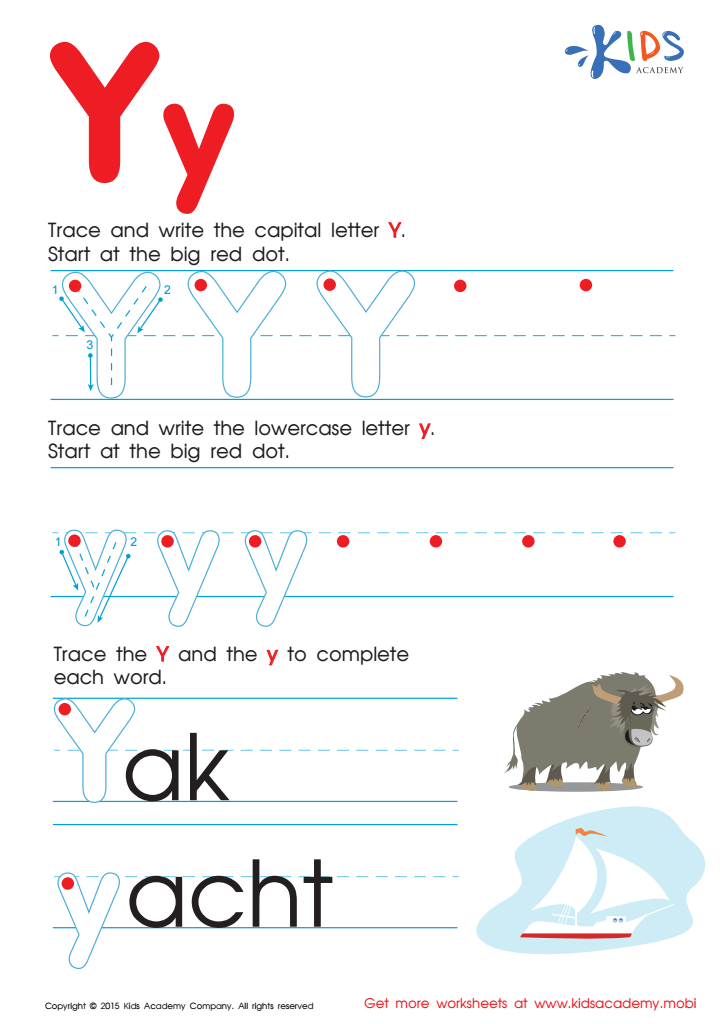
Letter Y Tracing Page
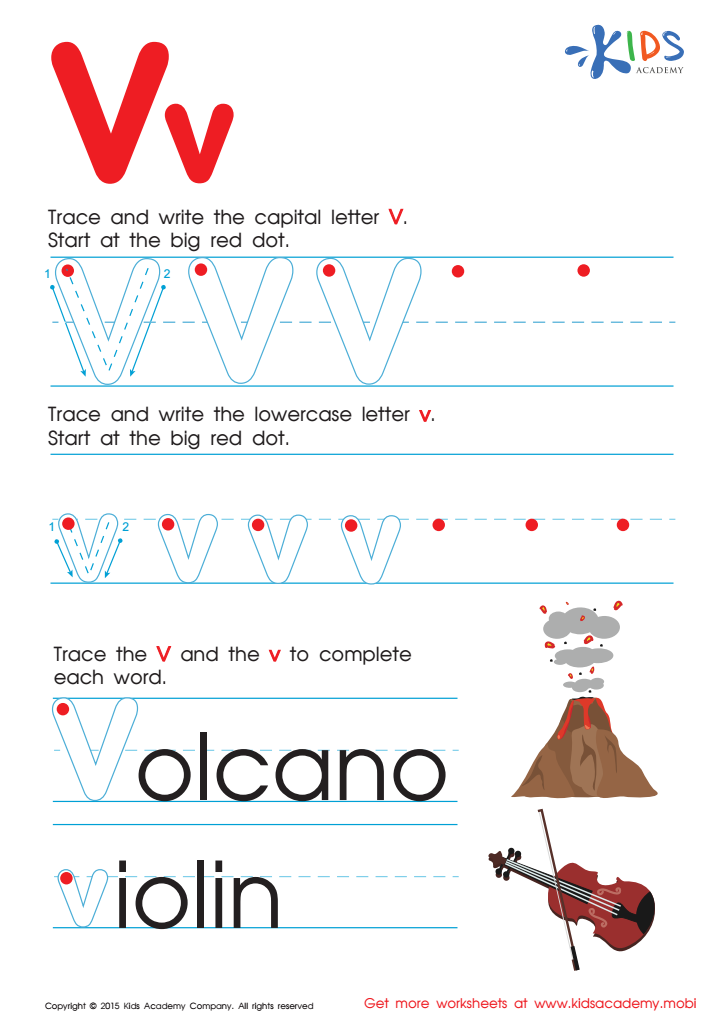
Letter V Tracing Page








Handwriting practice and letter recognition are fundamental components of early childhood education that significantly influence a child's future academic success. Parents and teachers should prioritize these skills for several critical reasons.
Firstly, strong handwriting fosters fine motor skill development, enhancing a child's hand-eye coordination, dexterity, and overall motor control. These skills are not only vital for writing but also for various everyday tasks, including using utensils or tying shoelaces. Encouraging neat handwriting practice helps build these essential skills early on.
Secondly, letter recognition is a cornerstone of literacy. By being able to recognize letters effortlessly, children develop the ability to decode words, which in turn makes reading easier and more enjoyable. Struggling with basic letter recognition can lead to frustrations and setbacks in reading fluency and comprehension. The more familiar children become with letters, the more confidently they can approach reading and writing tasks, fostering a positive attitude towards learning.
Finally, engaging in handwriting exercises and letter recognition activities enhances memory retention and cognitive development. Writing by hand activates different areas of the brain compared to typing or verbal activities, creating stronger neural pathways associated with learning. This holistic development boosts a child's capacity for creative expression, problem-solving, and critical thinking.
Investing time in handwriting practice and letter recognition not only supports academic readiness but also lays a foundation for lifelong learning proficiency and self-confidence.