Letter recognition Extra Challenge English for Beginners Worksheets
7 filtered results
-
From - To
Welcome to our "Letter Recognition Extra Challenge Worksheets" page, specially designed for beginners learning English! These engaging worksheets provide a fun and interactive way for students to enhance their letter recognition skills. Featuring a variety of stimulating activities, including tracing, matching, and identifying letters in different contexts, these resources cater to diverse learning styles. Ideal for classroom use or at home, our worksheets encourage self-paced learning and boost confidence as children discover the building blocks of language. Help your young learners strengthen their foundational skills with our thoughtfully crafted worksheets, paving the way for future success in reading and writing!
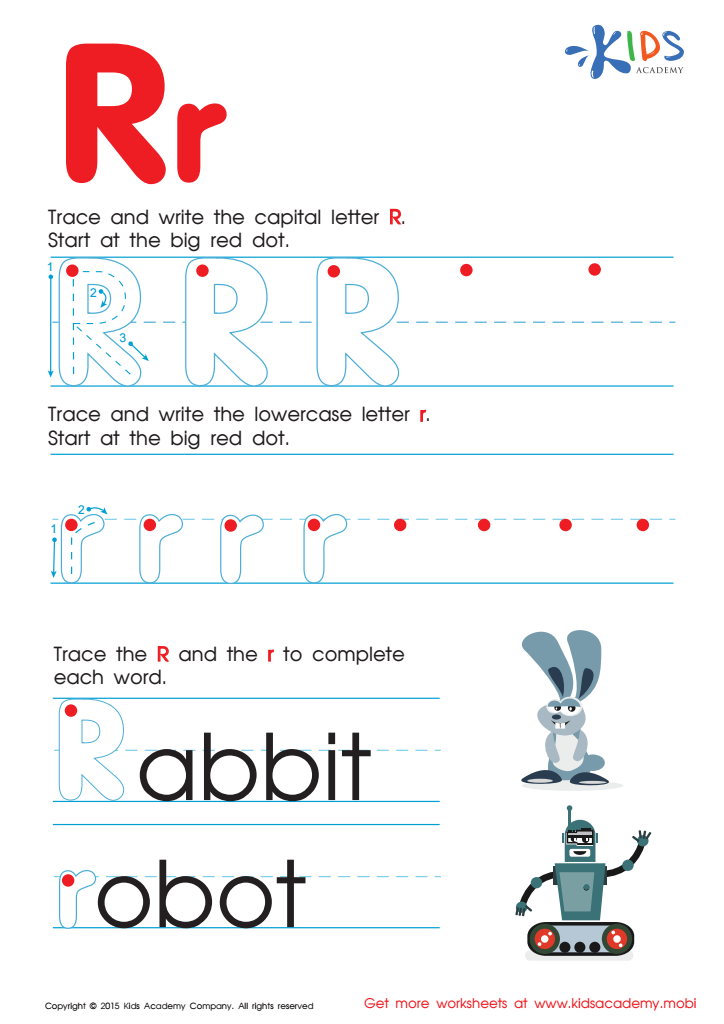
Letter R Tracing Page
 Assign to My Students
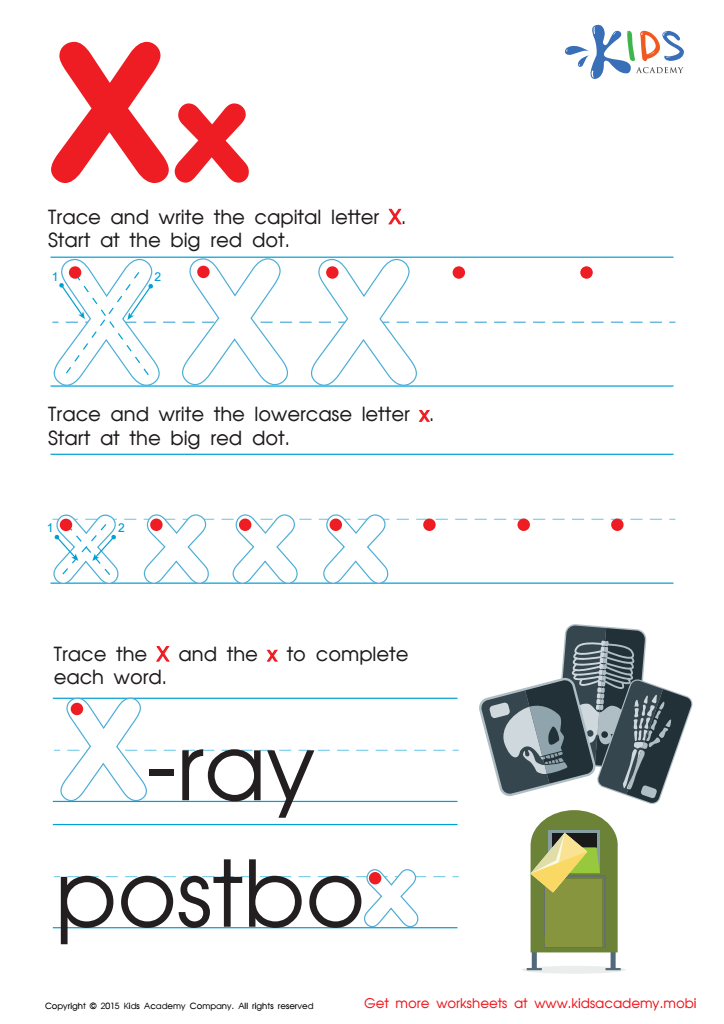
Letter X Tracing Page
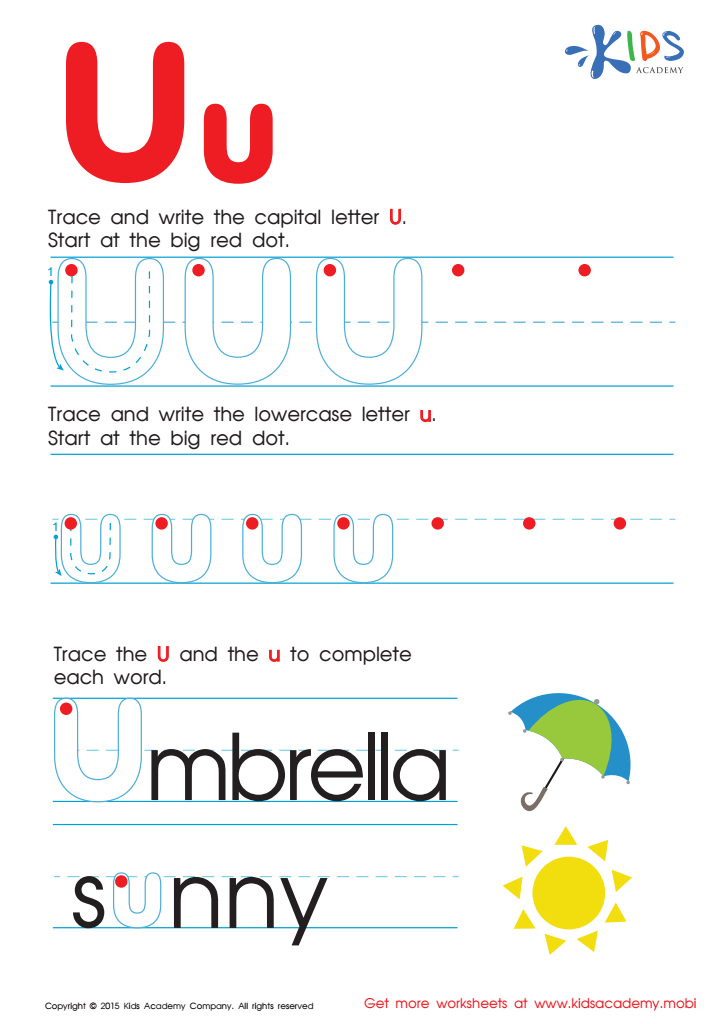
Letter U Tracing Page
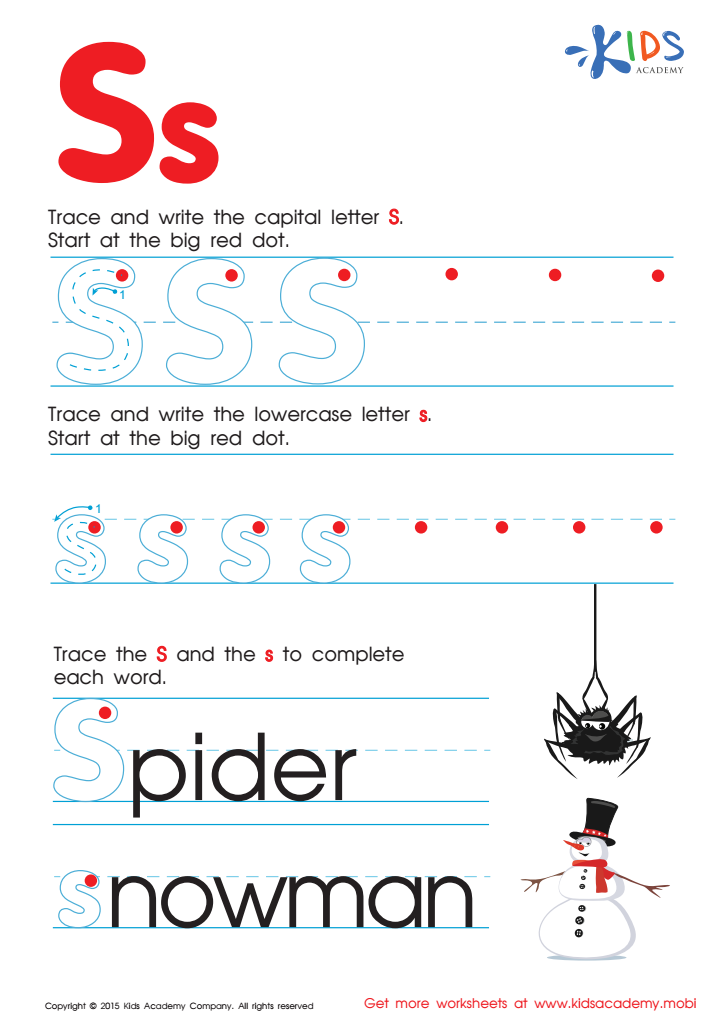
Letter S Tracing Page
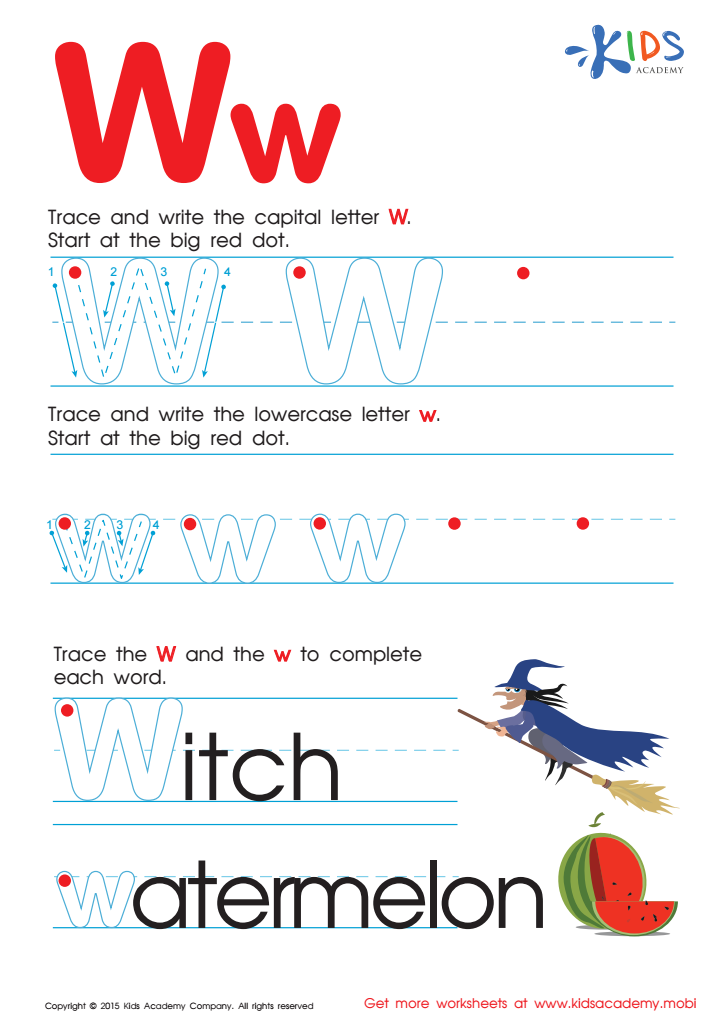
Letter W Tracing Page
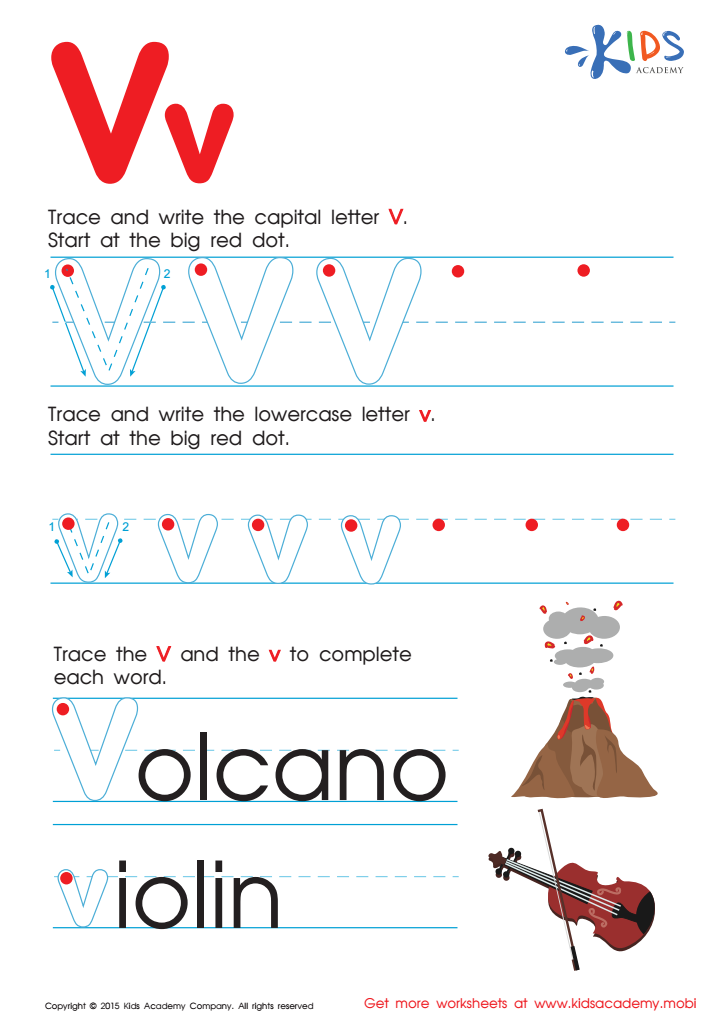
Letter V Tracing Page
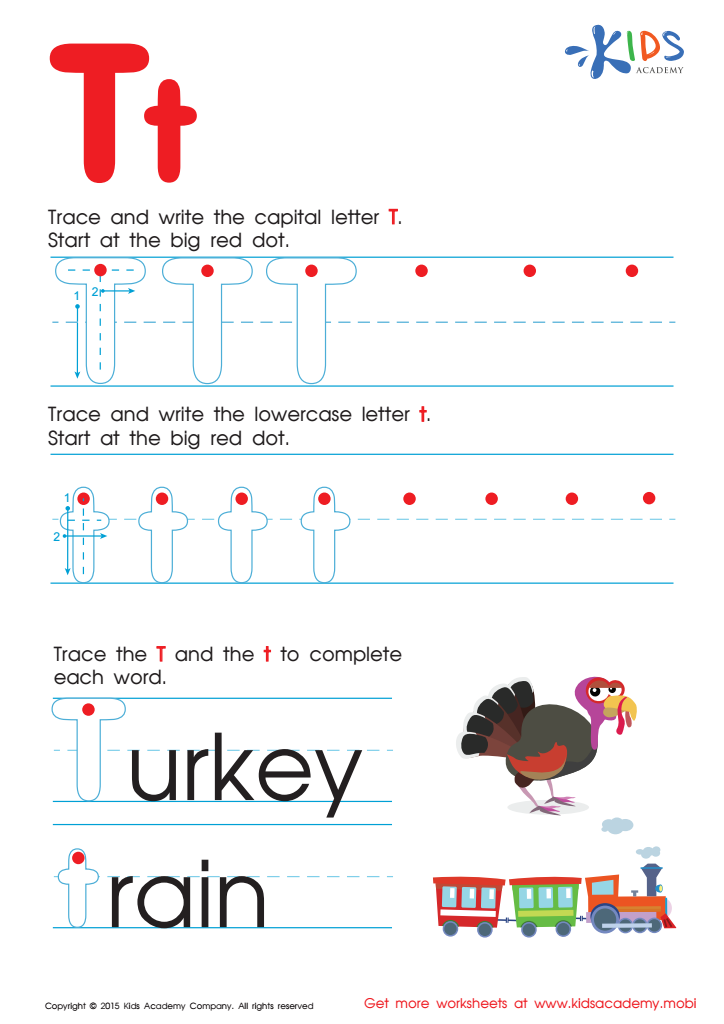
Letter T Tracing Page





Letter recognition is foundational for early literacy, making it crucial for parents and teachers to prioritize it in early education. By recognizing letters and their associated sounds, children gain essential tools for reading and writing. This skill not only boosts confidence in communication but also fosters a love for literature.
In programs like Extra Challenge English for Beginners, letter recognition emphasizes individualized learning, allowing children to progress at their own pace. Games, visuals, and interactive activities make learning these fundamentals enjoyable, helping to reinforce a positive attitude towards language.
Moreover, strong letter recognition skills support later academic success. Children who struggle with recognizing letters may find it challenging to decode words, potentially leading to frustration and diminished academic performance.
Additionally, by fostering this skill at an early stage, parents and teachers create opportunities for collaborative learning, nurturing curiosity and critical thinking. Exposure to diverse alphabets and languages can also enrich a child’s linguistic experience. In our increasingly interconnected world, being equipped with strong literacy skills from the start not only prepares children for future learning but also helps them become more effective communicators. In summary, prioritizing letter recognition is an investment in a child's long-term educational journey and personal growth.








