Logical thinking Extra Challenge Grade 1 Math Worksheets
3 filtered results
-
From - To
Enhance your first grader's cognitive abilities with our "Logical Thinking Extra Challenge Grade 1 Math Worksheets." Designed to engage young minds, these worksheets provide a fun and interactive way to improve problem-solving skills through puzzles, pattern recognition, and critical reasoning tasks. Our carefully crafted exercises encourage students to think creatively while reinforcing essential math concepts. Perfect for classrooms or at-home learning, these challenges foster independence and confidence in young learners. Help your child develop essential logical thinking skills that lay the foundation for future academic success. Explore our collection today and make math learning an exciting adventure!
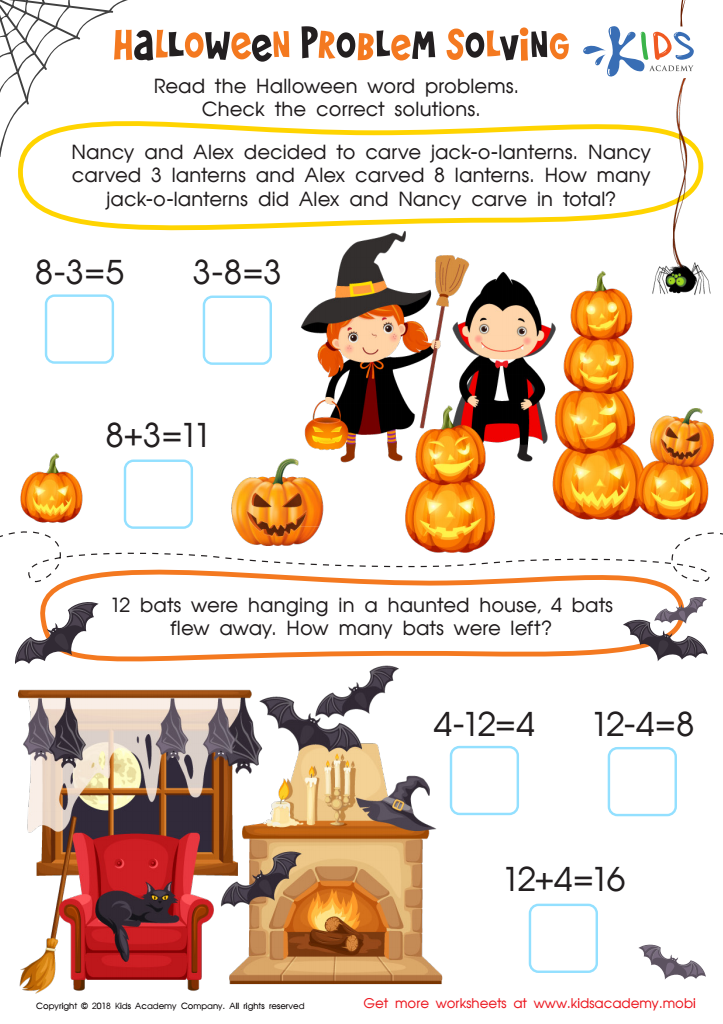
Halloween Problem Solving Worksheet
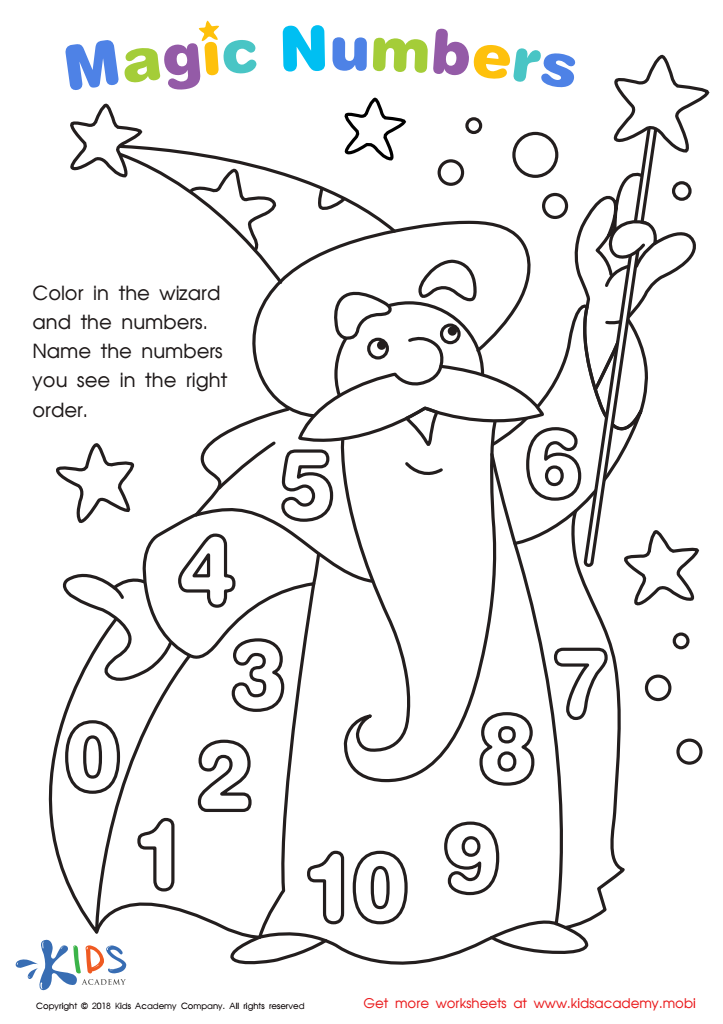
Magic Numbers Worksheet
 Assign to My Students
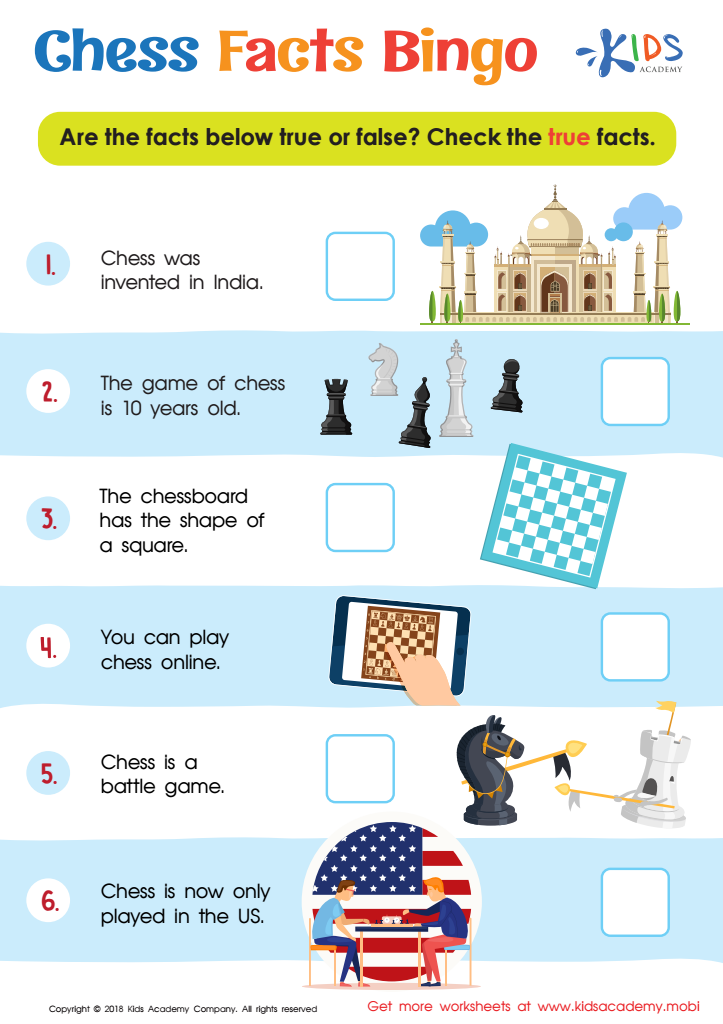
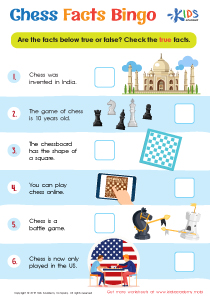
Chess Facts Bingo Worksheet








Parents and teachers should care about fostering logical thinking skills in Grade 1 math for several important reasons. First, logical thinking forms the foundational basis for later academic success in mathematics as well as other subjects. As children learn to identify patterns, relationships, and sequences, they develop critical reasoning skills that enhance their ability to solve problems and make decisions.
Moreover, engaging in logical thinking through math challenges nurtures a child's curiosity and enjoyment of learning. It encourages them to explore different methods and strategies, promoting a resilient mindset that views mistakes as learning opportunities rather than setbacks. In a supportive environment, kids feel empowered to take more risks and ask questions, deepening their engagement with the material.
Additionally, strong logical thinking skills in early education can enhance social interactions. When children can convey their thought processes and reasoning to peers, they cultivate collaboration, communication, and empathy—all essential skills in today’s interconnected world.
By implementing logical thinking challenges in Grade 1 math, parents and teachers help children not only progress in mathematics but also grow as critical thinkers and confident learners, equipping them for future educational challenges and real-world applications.