Alphabet Recognition Extra Challenge Kindergarten ABC Order Worksheets
3 filtered results
-
From - To
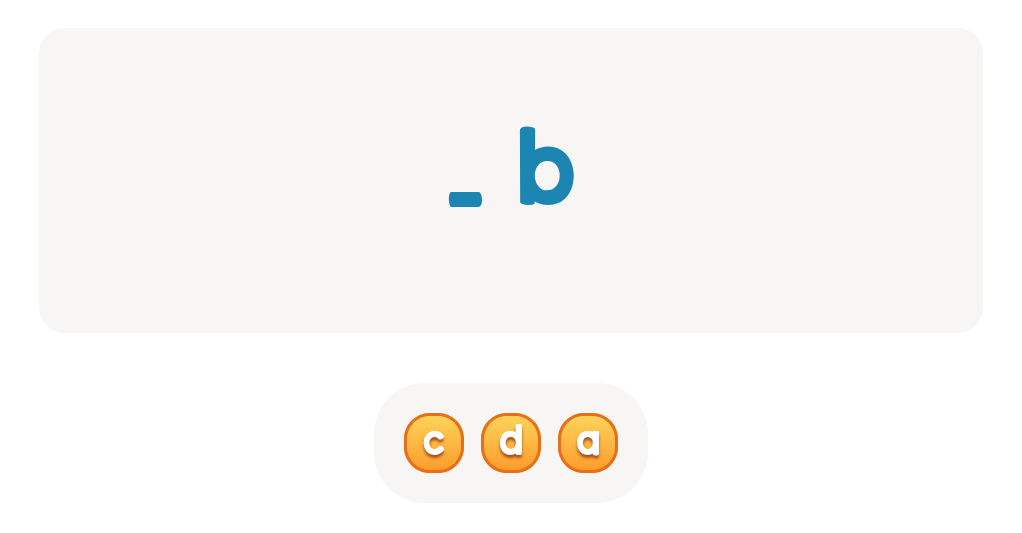
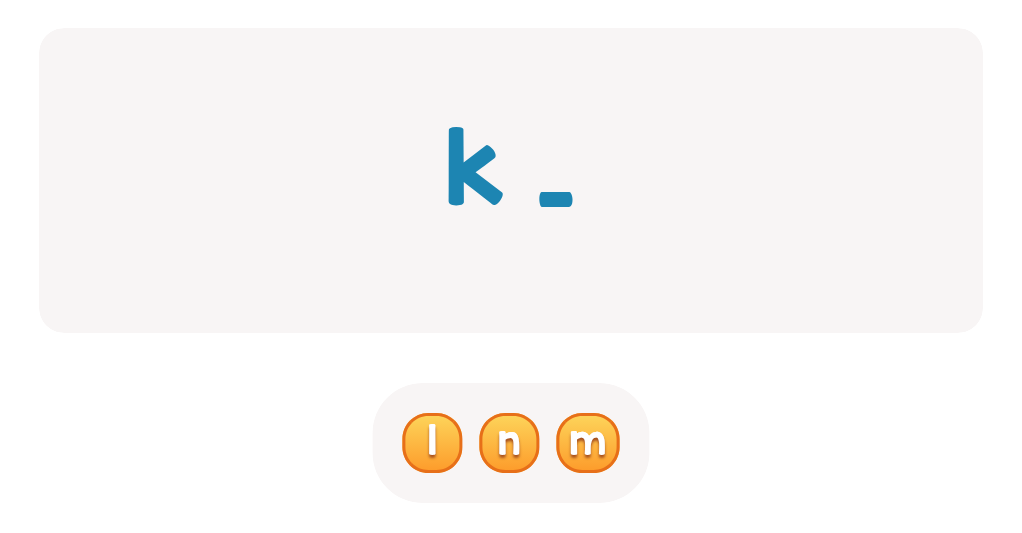
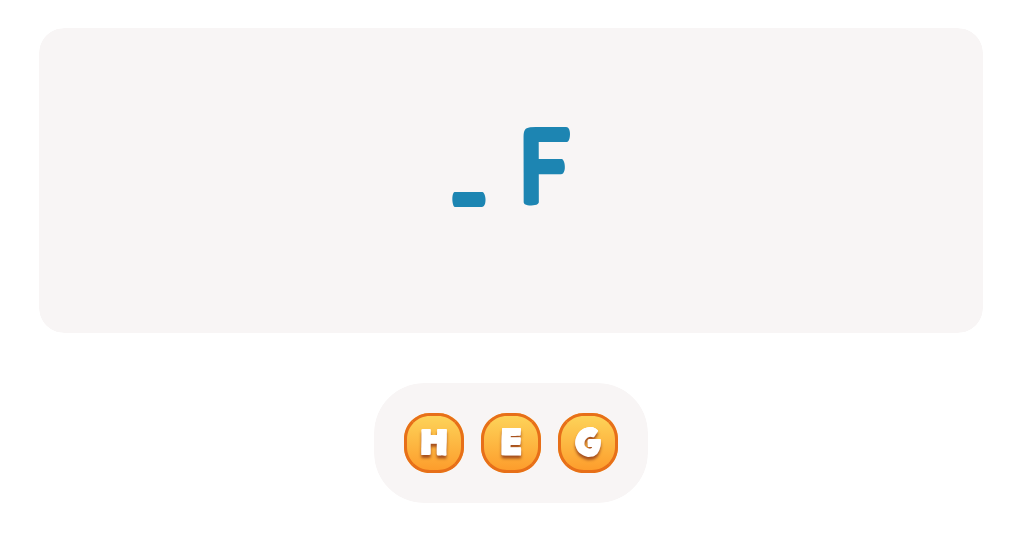
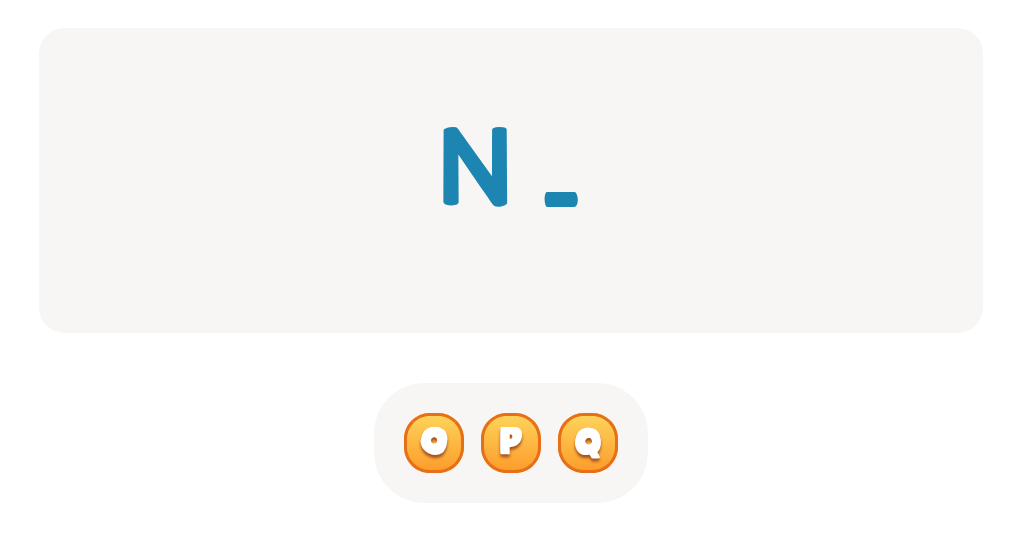
Enhance your child's alphabet recognition skills with our ABC Order Worksheets extra challenge! Designed for kindergarten learners, these engaging worksheets offer a fun and interactive way to master the alphabetical order of letters. Each exercise encourages children to identify, sequence, and write letters while developing their reading and early writing abilities. Perfect for reinforcing classroom lessons or for at-home learning, these worksheets provide a comprehensive approach tailored for young learners. Unlock the joy of learning with activities that promote critical thinking and creativity. Explore our Alphabet Recognition Extra Challenge today and watch your little ones excel in their foundational literacy skills!
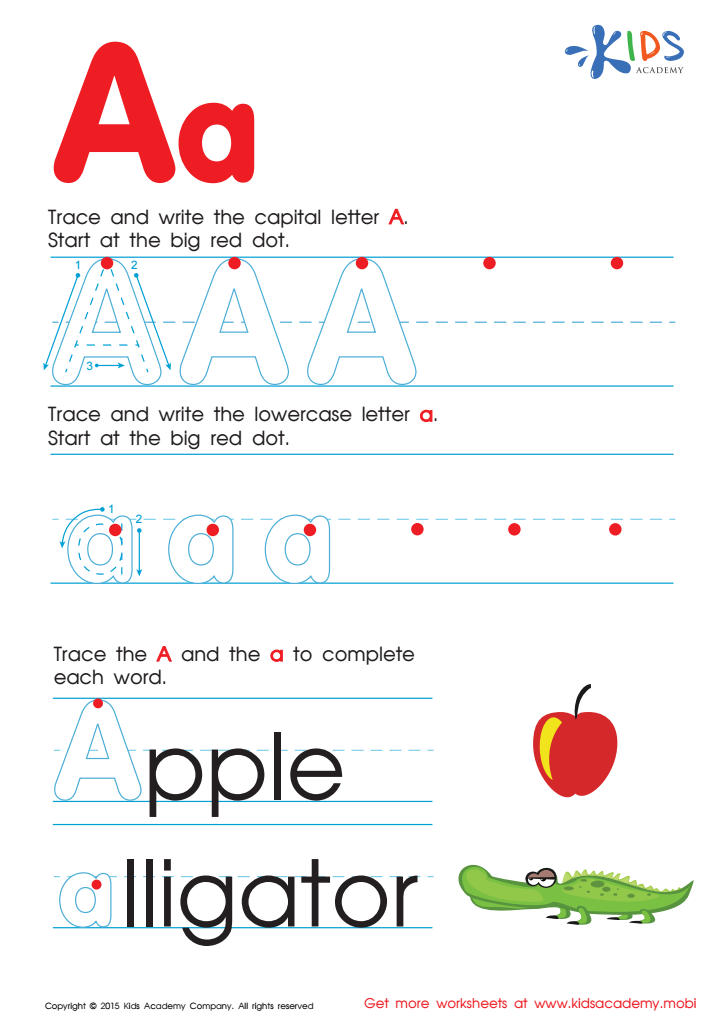
Letter A Tracing Page
 Assign to My Students

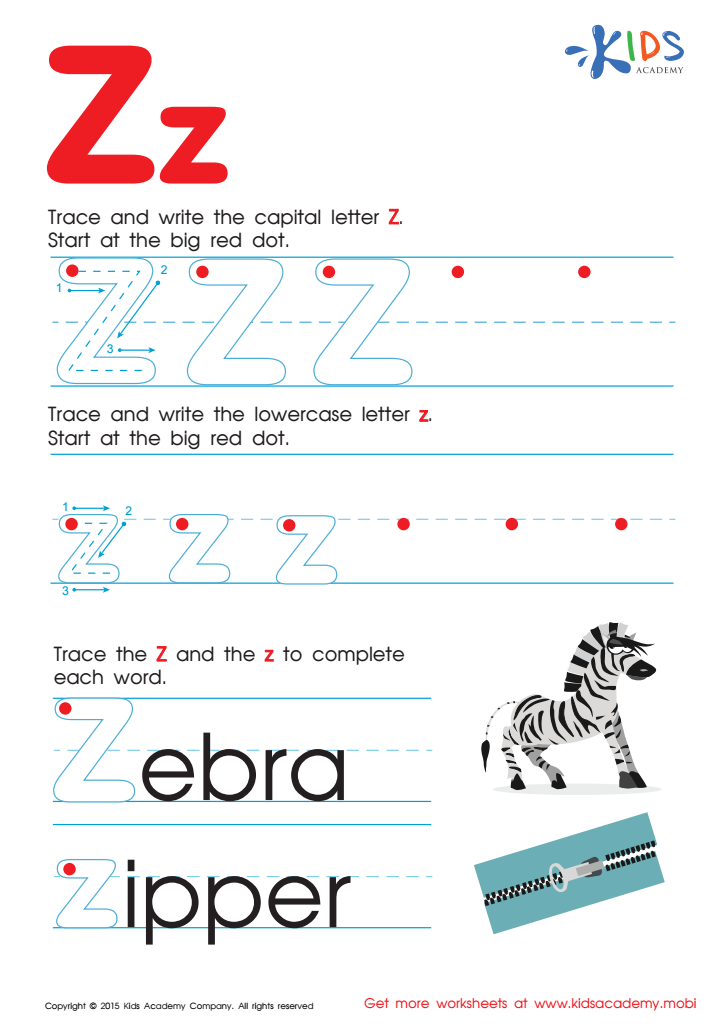
Letter Z Tracing Page
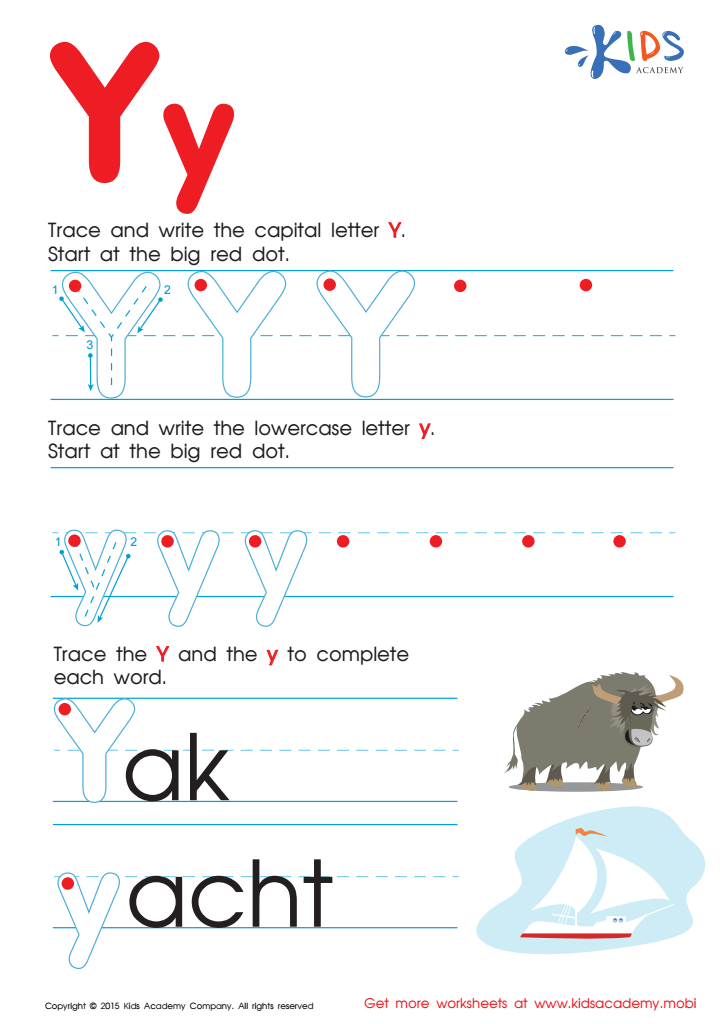
Letter Y Tracing Page






Alphabet recognition serves as a foundational skill for young learners and is critical for their literacy development. In kindergarten, mastering the order of the alphabet not only boosts letter recognition but also enhances phonemic awareness and reading readiness. When parents and teachers embrace the "Alphabet Recognition Extra Challenge," they foster an engaging environment where children develop confidence in their abilities to identify and order letters.
Understanding the ABC order also lays the groundwork for essential skills such as organizing information, particularly when children begin to encounter books, dictionaries, and music. Moreover, activities that gamify learning can significantly increase motivation, making it fun and rewarding for children, which can lead to a greater love for learning.
Parents and teachers play a pivotal role in facilitating these learning experiences. They can utilize everyday opportunities—like singing the alphabet song or engaging in sorting games—to reinforce this essential concept. Caring about alphabet recognition encourages better academic performance as children enter later grades, influences literacy rates, and sets the tone for a lifelong love of reading and writing. Ultimately, fostering these skills in young learners is vital for their overall educational journey and future success.